Greggs overtakes Costa as largest UK coffee destination – Retail Gazette


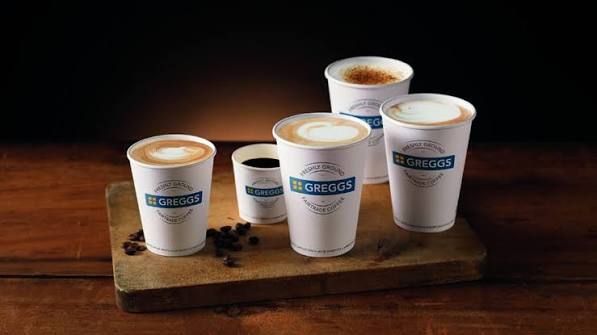
The transition, confirmed by the latest Project Café UK 2026 report from the Allegra World Coffee Portal, marks a historic milestone for the Newcastle-born bakery chain. For years, the UK coffee market has been defined by the dominance of traditional specialist chains, with Costa Coffee long standing as the undisputed leader in physical footprint. However, the latest industry figures reveal that Greggs has eclipsed its rival, boasting 2,737 outlets compared to Costa’s 2,707. This development serves as a definitive indicator of the evolving consumer preference for value-led, food-to-go convenience over the traditional, sit-down café experience.
A New Era for High Street Retail
The rise of Greggs is not a sudden anomaly but the result of a meticulously executed long-term expansion strategy. While traditional coffee shops have historically relied on creating a “third place” environment—a space between home and work—the post-pandemic economic climate has shifted the primary consumer motivation toward speed, reliability, and price sensitivity.
Greggs has successfully transitioned from a traditional high street baker into a dominant force in the quick-service restaurant (QSR) and coffee sectors. By integrating high-quality, competitively priced hot beverages into its existing food-to-go infrastructure, the retailer has managed to capture a significant share of the morning commute and lunch-break market. The company’s ability to leverage its existing real estate footprint, combined with aggressive new site acquisitions, has created a formidable barrier to entry for competitors and a challenge for established incumbents like Costa.
The Chronology of Expansion: How Greggs Ascended
The trajectory of Greggs’ growth has been relentless, particularly over the last five years. While many retailers retracted during the turbulence of 2020 and 2021, Greggs maintained a steady course of investment in its supply chain and store portfolio.
- 2020-2022: Despite widespread lockdowns, Greggs accelerated its delivery partnerships, most notably with Just Eat, which expanded its reach beyond the physical store threshold.
- 2023: The company hit the 2,500-store milestone, signaling that its expansion strategy was moving beyond traditional northern strongholds and deeper into affluent southern markets and transport hubs.
- Early 2026: Greggs opened 34 new shops in the first half of the year alone, bringing its total estate to 2,773 by the end of June.
- The Tipping Point: The Allegra data, reflecting the landscape as of late 2026, officially confirmed the crossover, with Greggs surpassing Costa’s 2,707 locations.
This growth is underpinned by a robust financial performance. For the first half of 2026, Greggs reported total sales of £1.1bn, a 7.2% increase year-on-year. Furthermore, like-for-like sales in company-managed shops rose by 2.1%, demonstrating that existing stores remain highly productive even as the estate expands. The management team has set a long-term target of at least 3,500 UK shops, suggesting that the current lead over Costa is likely to widen significantly in the coming years.
Market Context: The Value-Driven Shift
The wider UK branded coffee shop market is currently in a state of robust expansion. According to the Allegra report, the total market grew by 3.5% in 2025, reaching 12,313 outlets, with total sales rising 5.5% to £6.8bn. However, the nature of that growth is changing.
The economic environment—characterized by fluctuating inflation and cautious consumer spending—has favored retailers that offer a clear value proposition. While Costa remains a premium player with a strong brand identity and extensive reach, it is competing against a model where coffee is an add-on to a primary food purchase. When consumers can secure a coffee and a meal for a price point that significantly undercuts a standalone coffee shop, the appeal of the food-to-go model becomes undeniable.
Industry analysts suggest that this shift reflects a broader "democratization" of coffee. The coffee culture in the UK is no longer confined to specialist venues; it is now an omnipresent utility expected at service stations, supermarkets, and bakeries. Retailers that can combine this utility with the efficiency of a high-volume supply chain are increasingly winning the battle for market share.
Costa’s Response and Strategic Counter-Measures
Costa Coffee, owned by The Coca-Cola Company, is not standing still in the face of this competitive pressure. Despite losing the crown for the largest number of units, Costa continues to generate substantial revenue, reporting £1.74bn in 2025, an increase of 3.5%.
Costa’s strategy remains focused on differentiation and the elevation of the in-store experience. The company has invested heavily in store refurbishments, aiming to modernize the aesthetic of its legacy locations to attract a younger demographic. Furthermore, it is diversifying its menu to remain relevant. A recent example of this is the reintroduction of scones to the menu after a five-year absence, packaged as part of an "Afternoon Bundle" that includes a hot or iced drink. This strategy is designed to drive footfall during the mid-afternoon slump, a period where bakeries like Greggs often see a decline in activity.
Beyond physical stores, Costa continues to lean into its "Costa Express" automated kiosks. These machines, located in supermarkets and convenience stores, allow the company to maintain a presence in locations where a full-service café would not be viable. While these units are not counted in the same category as traditional branded shops, they represent a vital pillar of Costa’s overall market dominance.
Implications for the Future of UK Retail
The implications of Greggs’ ascent are far-reaching for the UK retail sector. Firstly, it forces a re-evaluation of what constitutes a "coffee shop." If a bakery is now the nation’s largest coffee chain, the definition of market competition must expand to include any retailer that sells hot beverages. This puts pressure on traditional chains to rethink their pricing strategies and their reliance on foot traffic in prime high street locations.
Secondly, the shift highlights the importance of real estate diversity. Greggs has been exceptionally successful at locating in diverse areas—ranging from suburban high streets to motorway service stations and transit hubs. This accessibility has made them a "go-to" destination for the time-poor consumer, effectively changing the daily habits of millions of Britons.
Finally, the competition is driving innovation across the board. To compete with Greggs’ agility, coffee chains are increasingly looking at their own food offerings, moving away from simple pastries toward more substantial meal options. Conversely, Greggs is looking to premiumize its coffee menu, evidenced by the recent introduction of iced matcha lattes and other specialty drinks. This convergence suggests that the lines between bakeries, cafes, and QSRs are blurring, leading to a more homogenous but highly competitive retail landscape.
Outlook for 2027 and Beyond
Looking ahead, the battle for the UK’s coffee drinkers will likely be defined by two factors: technological integration and aggressive site acquisition. Greggs has clearly stated its intention to open 100 to 110 net new shops throughout 2026, maintaining a pace that will be difficult for rivals to match without significant capital expenditure.
However, the market is not without risks. Rising labor costs and the volatility of food commodity prices remain significant headwinds for both Greggs and Costa. As they scale, both companies must ensure that their operational efficiency does not come at the expense of product quality or service standards.
For the consumer, the current situation is largely beneficial. The intense rivalry ensures that prices remain relatively contained despite inflationary pressures, and the constant rollout of new menu items—from seasonal lattes to innovative snacks—keeps the market dynamic. Whether this trend marks a permanent decline for the traditional coffee shop or merely a period of adaptation remains to be seen. What is certain, however, is that the UK coffee market has entered a new phase, one where convenience and scale are the ultimate arbiters of success. As Greggs pushes toward its goal of 3,500 outlets, the rest of the industry will be forced to adapt, pivot, and innovate to survive in an increasingly crowded and value-conscious retail environment.
Related posts: