Solid vs Semi-Hollow Fine Jewelry: A Comprehensive Guide to Material Selection and Investment Value

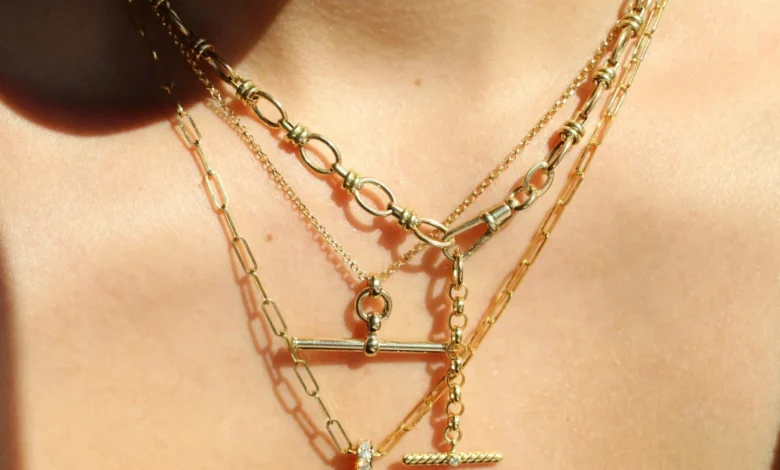
The fine jewelry market is defined by a dichotomy of construction methods that directly influence both the longevity and the market value of precious metal assets: solid gold versus semi-hollow gold. While both categories utilize genuine, karat-stamped gold rather than plated base metals, the engineering behind their production creates two distinct tiers of products. Understanding the structural, economic, and practical differences between these two is essential for consumers, collectors, and investors navigating the volatile precious metals market.

Structural Engineering and Manufacturing Distinctions
At its core, the distinction between solid and semi-hollow jewelry is a matter of metallurgical volume. Solid gold jewelry is manufactured by casting, stamping, or milling precious metal to ensure that the item’s interior is dense and uniform. This method provides the maximum possible structural integrity, as there are no internal voids or air pockets within the metal matrix.
Conversely, semi-hollow jewelry—often referred to in industry parlance as "hollow-core"—is engineered to provide the aesthetic appearance of a substantial, high-grammage piece while significantly reducing the actual weight of the gold used. During the manufacturing process, a hollow interior is created, effectively forming a metal tube. This process allows manufacturers to produce large, bold, or complex designs that would be prohibitively expensive and physically cumbersome if cast in solid gold. While these pieces contain authentic karat gold, the reduced weight translates to a lower retail price point, democratizing access to high-fashion, high-volume designs.

Historical Context and Evolution of the Market
The rise of hollow-core jewelry manufacturing gained significant momentum in the late 20th century, coinciding with the global industrialization of jewelry production. As gold prices began to fluctuate more aggressively following the end of the gold standard in the 1970s, manufacturers sought ways to maintain the "look" of prestige jewelry while managing the escalating cost of raw materials.
Historically, the preference for solid gold was a matter of necessity; before the advent of sophisticated laser welding and vacuum casting, most durable jewelry was forged solid. The introduction of semi-hollow manufacturing represented a shift toward fashion-forward consumerism. By the early 2000s, the market had largely bifurcated: solid gold became the hallmark of the "heirloom" category, while semi-hollow gold became the staple of the "trend-driven" fashion jewelry market.

Comparative Analysis: Durability and Maintenance
The primary trade-off for the lower cost and increased scale of semi-hollow jewelry is a reduction in structural resilience. Solid gold pieces are inherently resistant to deformation. They possess a "heft"—a tactile quality often associated with premium goods—and are capable of withstanding the rigors of daily wear. A solid gold ring, for instance, can be resized multiple times by a jeweler, as the material remains consistent throughout the band.
In contrast, semi-hollow jewelry is susceptible to denting, crushing, and structural collapse. Because the interior is hollow, the outer walls of the metal are often thin, making them prone to impact damage. Once a semi-hollow piece is dented, repair is notoriously difficult. Standard jewelry repair techniques, such as soldering, can be impossible to perform on hollow surfaces without compromising the structural integrity of the entire piece. Furthermore, vintage semi-hollow items frequently display the accumulated wear of decades, reflecting a reality where these pieces are intended for aesthetic display rather than high-impact, daily utility.

Economic Implications for Investors and Collectors
From an investment perspective, the value of a jewelry piece is typically derived from the current spot price of gold multiplied by the weight of the item, plus a markup for craftsmanship and brand prestige. Solid gold pieces serve as a dual-purpose asset: they function as decorative accessories and as a store of value. Because they contain more gold by volume, they are more likely to track the upward trajectory of gold commodity prices over the long term.
Semi-hollow jewelry, while still possessing intrinsic gold value, has a higher "premium-to-metal" ratio. Because the labor and specialized manufacturing processes required to create hollow tubes are significant, a larger portion of the retail price goes toward manufacturing costs rather than the raw material itself. Consequently, while semi-hollow pieces are more affordable to acquire, they are often less efficient as long-term financial investments compared to their solid counterparts.

Practical Application: Selecting the Right Piece for the Lifestyle
Industry experts generally categorize jewelry by "abuse potential" to help consumers make informed purchasing decisions.
- High-Stress Zones (Rings and Bracelets): These pieces are subjected to constant friction, impact, and bending forces. For jewelry worn daily, solid gold is the industry standard recommendation. It offers the resistance required to maintain its shape despite frequent contact with hard surfaces.
- Low-Stress Zones (Earrings and Necklaces): These items face significantly less impact. Here, the weight advantage of semi-hollow manufacturing becomes a distinct benefit. Large, bold, or oversized earrings—which would be heavy and uncomfortable if cast in solid gold—are perfectly suited for hollow construction. Consumers can achieve a dramatic aesthetic without the physical strain on the earlobe.
- Weight-Sensitive Chains: For necklaces intended to hold heavy pendants or charms, solid gold is essential. The structural tension exerted by a heavy pendant on a hollow chain can lead to premature metal fatigue, stretching, and eventual breakage at the links.
Future Market Trends and Sustainability
As the global jewelry industry moves toward more transparent sourcing and sustainable production, the distinction between these two methods of construction is becoming a key point of consumer education. There is a growing trend toward "mid-weight" or "reinforced hollow" jewelry, which attempts to bridge the gap by increasing the wall thickness of semi-hollow items to improve durability without reaching the price point of solid gold.

Furthermore, as the cost of gold remains high, the demand for semi-hollow pieces is expected to continue rising. Consumers are increasingly prioritizing fashion versatility, choosing to rotate through different styles rather than investing in a few permanent, solid gold pieces. However, this shift necessitates a higher degree of consumer awareness regarding the care and limitations of these products.
Conclusion
The decision between solid and semi-hollow jewelry is ultimately a balance of budget, lifestyle, and longevity. Solid gold remains the gold standard for durability and investment potential, making it the preferred choice for rings, bracelets, and heirloom-quality chains. Semi-hollow jewelry, by contrast, offers the wearer a gateway to bold, modern, and large-scale designs that are comfortable for extended wear and accessible at lower price points. By understanding the manufacturing intent behind each piece, collectors can curate a balanced collection that maximizes both the aesthetic impact and the functional longevity of their fine jewelry.