The Strategic Choice Between Solid and Semi-Hollow Gold Jewelry: An Industry Analysis of Value, Durability, and Consumer Trends

The global fine jewelry market is currently navigating a significant shift in consumer preferences and manufacturing techniques, primarily driven by the volatility of gold prices and a growing demand for versatile, everyday luxury. Central to this evolution is the critical distinction between solid gold and semi-hollow gold jewelry—two categories that may appear identical to the untrained eye but offer vastly different profiles in terms of structural integrity, weight, and long-term investment value. As the price of gold continues to fluctuate near historic highs, understanding the engineering behind these pieces has become essential for both collectors and casual consumers seeking to build a sustainable jewelry portfolio.
Technical Definitions and Manufacturing Processes
In the professional jewelry industry, solid gold is defined as a piece composed entirely of a specific karat gold alloy—typically 14k or 18k—throughout its entire cross-section. These pieces are often created through traditional casting methods or die-striking, resulting in a dense, heavy object that contains no internal air pockets or "filler" materials. Because they are solid metal, they possess a characteristic "heft" that is frequently associated with high-end luxury and durability.

In contrast, semi-hollow jewelry, also known as "hollow" or "tubular" jewelry, is crafted from real karat gold but features a vacant interior. This is not to be confused with gold-plated or gold-filled items, which use base metals coated in a thin layer of gold. Semi-hollow pieces are genuine gold; however, they are manufactured using advanced techniques such as electroforming or the manipulation of gold tubing. Electroforming involves a chemical process where gold is built up over a mandrel or "form" that is later dissolved or removed, leaving a lightweight shell. This allows jewelers to create large, voluminous designs that would be prohibitively heavy or expensive if cast in solid gold.
The Economic Drivers of Semi-Hollow Innovation
The rise of semi-hollow jewelry is inextricably linked to the commodity price of gold. Over the last two decades, the price of gold has seen a dramatic upward trajectory, moving from approximately $400 per ounce in the early 2000s to exceeding $2,400 per ounce in the 2020s. This 500% increase has forced manufacturers to innovate to keep fine jewelry accessible to the middle-market consumer.
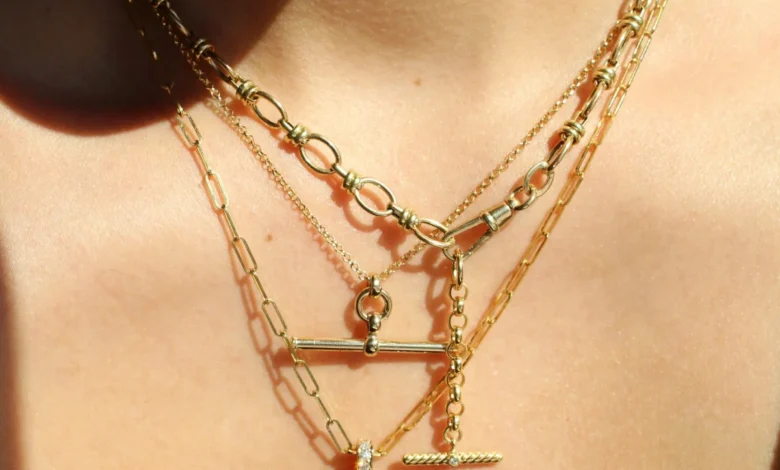
By utilizing semi-hollow construction, brands can offer "statement" pieces—such as thick hoop earrings or chunky "trombone" link chains—at a fraction of the price of their solid counterparts. For example, a solid 14k gold bold link necklace might weigh 100 grams, carrying a retail price tag of several thousand dollars. A semi-hollow version of the same design might weigh only 30 grams, significantly lowering the barrier to entry for consumers who desire the aesthetic of bold gold without the industrial-scale investment.

The Durability Paradox: Resilience vs. Weight
While semi-hollow jewelry offers economic and ergonomic advantages, it introduces specific challenges regarding durability and longevity. The primary concern with hollow construction is its susceptibility to denting and crushing. Because the walls of the jewelry are thin, any significant impact can cause a permanent deformation. Unlike solid gold, which can often be buffed, polished, or reshaped by a bench jeweler, a dented hollow piece is notoriously difficult—and sometimes impossible—to repair.
Industry experts and seasoned collectors often categorize jewelry by "wear zones" to determine which construction is most appropriate. Items worn on the hands, such as rings and bracelets, are considered high-impact pieces. Throughout a typical day, these items frequently come into contact with hard surfaces like desks, door handles, and gym equipment. Consequently, the industry consensus leans heavily toward solid gold for these categories. A solid gold ring can withstand decades of "abuse," and even if it thins over time due to wear, it can be "shanked" or reinforced by a jeweler.
Conversely, the "low-impact" zones—the ears and the neck—are ideal candidates for semi-hollow construction. Large, solid gold earrings can weigh upwards of 10 to 15 grams per ear, leading to discomfort and the stretching of earlobes over time. Semi-hollow earrings provide the visual impact of luxury while remaining light enough for all-day wear. Similarly, bold necklaces that serve as fashion statements rather than "workhorse" chains (intended to hold heavy pendants) are often preferred in semi-hollow formats to prevent neck strain.

Investment Value and Resale Considerations
From a financial perspective, solid gold remains the superior investment. In the secondary market, the value of fine jewelry is often tied to its "melt value"—the literal weight of the gold content. Solid pieces retain a higher intrinsic value because they contain more raw material. Furthermore, solid gold pieces are more likely to survive as heirlooms. Vintage semi-hollow pieces from the mid-20th century are frequently found with "character dents," which can diminish their resale value and aesthetic appeal.
However, semi-hollow jewelry serves a different financial purpose: it allows for the diversification of a collection. It enables consumers to participate in transient fashion trends—such as the current demand for oversized 1980s-style "door knocker" earrings or checkerboard patterned hoops—without committing the capital required for solid gold. In this sense, semi-hollow jewelry is viewed by many as "lifestyle luxury" rather than "asset-class luxury."
Maintenance and Long-term Care Strategies
The longevity of a jewelry collection depends heavily on the owner’s understanding of the material limits. Professional jewelers recommend a tiered approach to maintenance based on the construction type:

- Solid Gold Care: These pieces require minimal specialized care. Regular cleaning with mild soap and water, along with professional polishing every few years, is usually sufficient. Because they are non-porous and solid, they can be worn during most activities, including sleeping and showering, though exposure to harsh chemicals like chlorine should still be avoided.
- Semi-Hollow Gold Care: These pieces require a "gentle-use" protocol. Owners are advised to remove semi-hollow necklaces and earrings before sleeping, as the pressure of the head against a pillow can easily dent a hollow hoop or flatten a tubular link. Furthermore, semi-hollow pieces should never be placed in an ultrasonic cleaner if they have any tiny holes (often a byproduct of the manufacturing process), as fluid can get trapped inside the "tube," leading to internal corrosion or unpleasant odors over time.
Industry Response and Market Outlook
Major jewelry retailers and independent designers are increasingly transparent about the construction of their pieces, recognizing that an educated consumer is more likely to be a repeat customer. The "Gem Gossip" philosophy, popular among modern collectors, emphasizes a hybrid approach: investing in solid gold for "forever" pieces like wedding bands and daily-wear chains, while utilizing semi-hollow gold for statement earrings and fashion-forward accessories.
Market analysts predict that the demand for semi-hollow jewelry will continue to grow as 3D printing and advanced electroforming technologies allow for even more intricate and durable hollow designs. We are seeing a "middle ground" emerge—semi-solid pieces—where critical stress points are reinforced with solid gold while the rest of the piece remains hollow to save weight.
Conclusion: Balancing Aesthetics and Utility
The choice between solid and semi-hollow jewelry is ultimately a strategic decision based on budget, intended use, and personal comfort. Solid gold remains the gold standard for durability, repairability, and investment, making it the preferred choice for rings, bracelets, and heavy pendant chains. It offers a sensory experience—the "security blanket" of weight—that many find synonymous with quality.

However, the semi-hollow category has earned its place in the modern wardrobe by solving the ergonomic issues of heavy jewelry and making the "bold gold" look accessible during periods of high commodity pricing. By understanding the structural differences and adjusting care routines accordingly, consumers can build a diverse collection that balances the timeless resilience of solid gold with the stylish versatility of semi-hollow designs. As the industry moves forward, the integration of these two construction methods will likely remain the cornerstone of the fine jewelry market, catering to both the investor’s mindset and the fashion enthusiast’s desire for expression.