The Curatorial Art of Antique Adornment: A Profile of Andrea of La Plus Charmante Shop

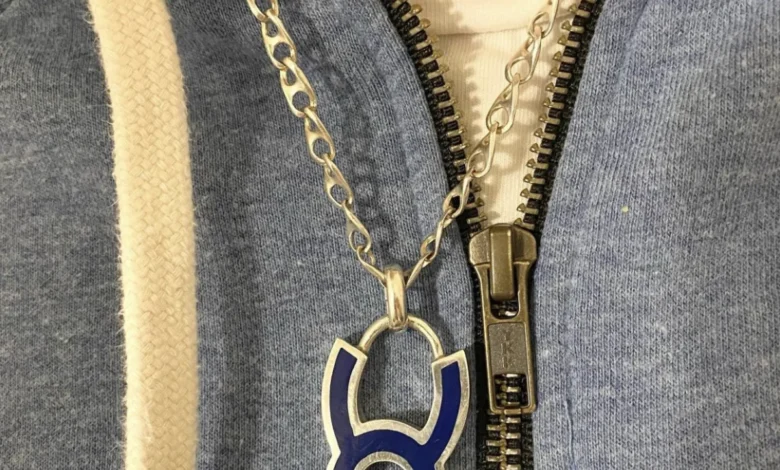
The intersection of historical preservation and personal expression finds a unique manifestation in the work of Andrea, the proprietor of the specialized vintage jewelry enterprise La Plus Charmante Shop. Her professional journey, which bridges the gap between deep-rooted personal heritage and the high-stakes world of antique trade, offers a window into the evolving market for period-accurate, historically significant jewelry. Andrea’s presence at the annual Nashville vintage jewelry exhibition—a fixture in the regional collector’s calendar—serves as a nexus for enthusiasts seeking pieces that transcend modern mass-production standards.

A Legacy of Gemstones and Heritage
Andrea’s interest in the antique jewelry market is not merely professional; it is deeply rooted in a childhood environment that emphasized material culture and the provenance of precious objects. Her mother, a long-time advocate for the rights of Indigenous peoples, specialized in the trade of authentic Native American jewelry, providing Andrea with early exposure to the intricacies of craftsmanship, stone sourcing, and the socio-cultural narratives embedded in adornment. Simultaneously, her father’s dedicated pursuit of gemstone collecting cultivated in her a discerning eye for mineralogical quality and geological rarity.

This upbringing established a framework for Andrea’s current business philosophy: that jewelry acts as a tangible artifact of human history. Unlike contemporary jewelry, which is frequently dictated by seasonal trends and cost-efficiency, the antique pieces Andrea sources—often dating back to the 19th and early 20th centuries—reflect a level of labor-intensive artistry that is increasingly rare in the modern global economy.

The Evolution of the Antique Jewelry Market
The market for antique and estate jewelry has seen a measurable shift over the last decade. According to recent industry reports from major auction houses and luxury market analysts, there is a growing consumer preference for "circular fashion," where historical provenance adds a premium to the intrinsic value of gold, silver, and gemstones.

The rise of digital platforms, particularly Instagram, has allowed independent curators like Andrea to reach a global audience, bypassing traditional brick-and-mortar limitations. This digital democratization of the antique trade has fostered a community of "guardians"—a term Andrea frequently employs to describe the relationship between a collector and an object. Rather than viewing herself as an owner, she frames her role as a temporary steward of historical items that have outlived their original creators.

Curatorial Philosophy and Sourcing Methodology
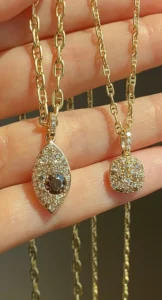
Andrea’s collection strategy is defined by a pursuit of specific motifs that carry historical resonance. Her focus on "Lover’s Eyes"—a romantic 18th and 19th-century trend where a miniature painting of a loved one’s eye was worn as a secret token—and Victorian-era baby brooches highlights her interest in the intersection of sentimentality and utility.

Her sourcing process is heavily centered on European markets, with a particular emphasis on Paris. France remains a global epicenter for the antique jewelry trade, supported by a dense network of specialized dealers and a cultural infrastructure that prioritizes the conservation of decorative arts. Andrea notes that the logistical complexity of sourcing from Paris is offset by the unmatched variety and the depth of expertise available among local dealers.

From an economic perspective, the high cost of replicating these items today acts as a natural barrier to entry for mass-market retailers. The intricate filigree, hand-carved hardstone intaglios, and complex mechanical clasps of the Victorian and Edwardian eras would be prohibitively expensive to manufacture using contemporary labor costs. Consequently, the value of these pieces is driven not only by the materials but by the "lost technology" of the craftsmanship involved.

Storage, Conservation, and Security
Managing a high-value collection of antique jewelry presents significant logistical challenges regarding preservation and security. As collections grow in scale and valuation, the transition from domestic storage to professional-grade security environments becomes inevitable. Andrea describes this transition as a pragmatic necessity, noting that while sentimental pieces are kept at home for daily wear, the bulk of her professional inventory is held in secure, bank-level storage.

This approach mirrors the practices of professional institutions and museums, where the physical integrity of the object is paramount. Humidity control, acid-free storage materials, and rigorous inventory tracking are essential to ensuring that these pieces remain in the "perfect condition" that collectors and historians demand.

Sentimentality and Professional Longevity
A recurring theme in Andrea’s narrative is the synthesis of her professional identity with her personal history. A notable example is her possession of a German-script hardstone intaglio ring inscribed with "Forget Me Not." This piece functions as a mnemonic device, triggering professional nostalgia for her early career in the media and publishing sector with the Bertelsmann group.

Such objects serve a dual purpose: they function as financial assets and as conduits for memory. This psychological connection to jewelry is a primary driver of the antique market; collectors are rarely purchasing simple ornaments, but rather investing in the narrative continuity of human experience.

The Role of Regional Exhibitions
The vintage show in Nashville, where Andrea has become a recognized participant, serves as a vital economic engine for regional antique commerce. These events are essential for the tactile appraisal of jewelry, allowing collectors to examine the weight, patina, and mechanical function of items that are difficult to assess via high-resolution photography alone. The face-to-face interaction between the curator and the collector facilitates a level of trust that is fundamental to the high-end vintage market.

Future Implications for the Trade
As the demographic of antique jewelry collectors shifts toward younger, more socially conscious consumers, the demand for sustainable, pre-owned luxury items is expected to rise. The "finding new guardians for old treasures" ethos adopted by La Plus Charmante Shop aligns with broader trends in sustainability, where the recycling of existing luxury goods is favored over the extraction of new materials.

Industry experts suggest that the future of the market will continue to be driven by:

- Provenance Verification: The increasing need for digital certification and history tracking for rare pieces.
- Global Integration: The expansion of international sourcing networks through digital connectivity.
- Educational Outreach: The role of the dealer as an educator, explaining the historical context and artistic significance of items to a new generation of collectors.
Andrea’s work at La Plus Charmante Shop serves as a microcosm of these broader industry trends. By maintaining a rigorous standard of historical integrity while embracing the digital tools of the modern era, she contributes to the preservation of craftsmanship that would otherwise be lost to time. Her collection is not merely an accumulation of assets; it is a repository of human stories, carefully curated and protected for the next generation of collectors to discover and safeguard. As she continues to bridge the past and the present, the role of the independent curator becomes increasingly vital in the ongoing narrative of global art and material culture.
Related posts: