The Hidden Cost of Constant Consumption: Navigating Sustainable Fashion in the Age of Black Friday

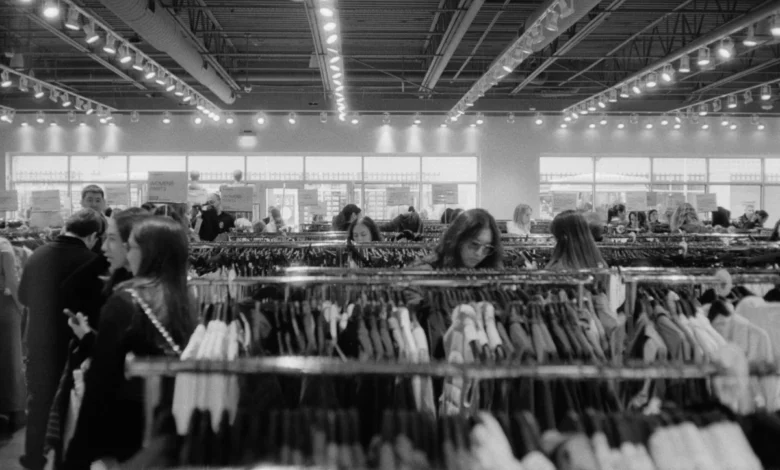
The modern fashion industry has shifted from a seasonal model to a hyper-accelerated cycle of production, where retailers now introduce up to 52 or more "micro-seasons" annually. This relentless pace of inventory turnover is designed to bypass consumer deliberation, fostering a culture of perpetual novelty. According to environmental experts cited by the National Geographic, the planet’s biocapacity could theoretically support a sustainable consumption rate of only five newly manufactured garments per person, per year. Yet, in many Western markets, the average consumer purchases several times this amount, leading to a catastrophic accumulation of textile waste and an unsustainable demand for natural resources.
As the retail calendar approaches the Black Friday period, the pressure to consume reaches its zenith. What was once a singular day of clearance sales has metastasized into "Black Weeks" or even month-long promotional marathons. This extended window of artificial scarcity and aggressive discounting creates an environment where impulsive consumption is not just encouraged, but engineered. To combat the environmental toll of this cycle, consumers must shift their focus from the allure of the discount to the systemic reality of the products they acquire.
The Chronology of Consumption: From Seasonal to Instant
The history of the fashion industry is marked by a clear timeline of acceleration. In the mid-20th century, the apparel sector operated on a bi-annual schedule—Spring/Summer and Autumn/Winter collections. This structure allowed for sustainable production timelines and fostered a culture of durability. The late 1990s and early 2000s marked the dawn of the "fast fashion" era, characterized by the decentralization of manufacturing to low-cost markets and the implementation of just-in-time supply chains.
By 2010, the cycle had collapsed into weeks. Retailers such as Zara, H&M, and later ultra-fast fashion entities like Shein, digitized the supply chain to turn runway trends into store-ready inventory in as little as 14 days. Black Friday, which originated in the United States as a post-Thanksgiving shopping event, became a critical pressure point in this timeline. It serves as the primary mechanism for firms to clear excess stock, effectively resetting the inventory floor for the next cycle of hyper-production.
Supporting Data and Environmental Impact
The environmental footprint of this growth is stark. The textile industry is responsible for approximately 8% to 10% of global carbon emissions—more than all international flights and maritime shipping combined. Furthermore, the industry consumes roughly 93 billion cubic meters of water annually.
Data from the Ellen MacArthur Foundation highlights that the equivalent of one garbage truck of textiles is landfilled or incinerated every second. The "micro-season" model exacerbates this by prioritizing low-cost synthetic materials, such as polyester, which are derived from fossil fuels and are not biodegradable. When these garments reach the end of their short life cycle, they contribute significantly to microplastic pollution in global water systems.
Rethinking the Wardrobe: Practical Alternatives
Sustainable fashion advocates argue that the most environmentally friendly garment is the one already residing in the consumer’s closet. The "wardrobe audit" approach involves categorizing existing items and identifying opportunities for re-styling.
- Re-combination: Utilizing existing garments in different combinations can extend the utility of a wardrobe without the need for new acquisitions.
- Maintenance and Repair: Investing time in mending—darning socks, replacing buttons, or tailoring hemlines—can double the lifespan of high-quality pieces.
- Collaborative Consumption: The rise of clothing swaps among friends and professional networks provides access to "new" looks without the environmental cost of manufacturing.
- Rental Services: For one-off events, such as weddings or galas, rental platforms offer a circular alternative that decouples the desire for a specific aesthetic from the necessity of permanent ownership.
The Myth of Second-Hand Sustainability
While the second-hand market has grown exponentially—projected by some analysts to double by 2027—it is not a panacea for overconsumption. A significant risk identified by industry watchdogs is "second-hand fatigue," where the accessibility and low price point of thrifted goods encourage a new, distinct form of hoarding.

If a consumer purchases used items simply because they are cheap or "vintage," they remain trapped in the same psychological cycle of accumulation that fuels fast fashion. Furthermore, the secondary market involves complex logistics, including global shipping and chemical cleaning processes, which carry their own carbon costs. The key metric for sustainability remains the longevity of the garment’s use, regardless of its point of origin.
Quality Over Quantity: The Economic Argument
A fundamental shift required for a more sustainable industry is the re-evaluation of price versus value. Cheap garments are often "disposable" by design; they lose their structural integrity after a few washes, necessitating replacement. By contrast, a higher-quality garment with a larger upfront cost often results in a lower "cost-per-wear" ratio over the product’s lifespan.
When evaluating a purchase, consumers are encouraged to consider:
- Fabric Composition: Are the materials natural or long-lasting synthetics?
- Construction: Is the stitching reinforced? Are the seams finished properly?
- Versatility: Can this item be worn in at least three different environments (e.g., professional, casual, and formal)?
The Responsibility of the Industry
The responsibility for this shift does not rest solely on the consumer. Labour rights organizations and ethical fashion advocates, such as Fashion Revolution, emphasize that the fast fashion business model relies on the exploitation of workers in the Global South. Low wages and hazardous working conditions are the structural foundation upon which "affordable" fashion is built.
Furthermore, the luxury sector is not exempt from criticism. While high-end fashion brands market themselves on exclusivity and quality, the rise of "entry-level luxury" has led to similar overproduction issues. A high price tag does not inherently guarantee ethical manufacturing or a lower carbon footprint; it merely indicates a higher profit margin.
Developing a Conscious Purchasing Protocol
To navigate the Black Friday period with greater intent, experts suggest implementing a "cooling-off" period. If a consumer feels the urge to purchase, waiting 72 hours often eliminates the impulsive nature of the desire. Before finalizing any transaction, asking the following five questions can provide necessary clarity:
- Do I already own something similar that serves the same purpose?
- Can I identify at least three distinct outfits I can build with this item using my current wardrobe?
- Is this purchase a response to a specific need, or a reaction to an external marketing trigger?
- Am I prepared to care for and repair this item to ensure it lasts for several years?
- Do I know who made this product, and does the brand reflect my personal ethics regarding labor and the environment?
Broader Implications and Future Outlook
The current trajectory of the fashion industry is unsustainable. As regulatory bodies in the European Union and elsewhere begin to introduce legislation regarding textile waste, supply chain transparency, and "greenwashing" claims, the sector faces a period of inevitable transition.
However, systemic change will be slow. In the interim, the individual consumer holds significant power through the act of refusal. By opting out of the artificial urgency of Black Friday and prioritizing the maintenance of existing assets, the consumer can reduce their personal environmental impact while demanding higher standards from the industry. The ultimate goal is a shift from a linear economy—take, make, dispose—to a circular model that respects both the limits of the planet and the labor behind every stitch. The most significant fashion statement in the current climate is not the acquisition of the latest trend, but the conscious, deliberate decision to consume less.