Sustainable Winter Footwear: A Comprehensive Guide to Ethical Boots for the Modern Consumer

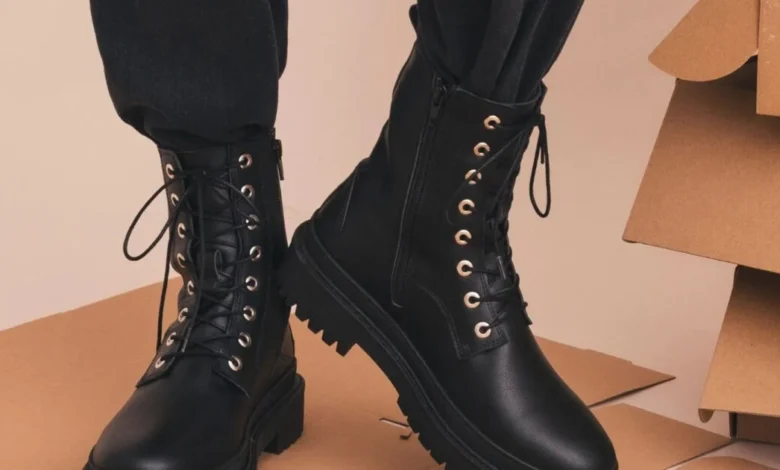
As temperatures plummet and the demand for durable, weather-resistant footwear surges, the fashion industry faces renewed scrutiny regarding the lifecycle and ethical footprint of cold-weather staples. The transition from seasonal trends to long-term investment pieces has become a defining characteristic of the contemporary retail landscape, particularly as consumers increasingly prioritize materials that balance utility with environmental responsibility. To address this demand, editorial teams have scrutinized global footwear directories to identify brands that meet high-level benchmarks for sustainability, animal welfare, and labor transparency.
The Evolution of the Winter Footwear Market
The winter footwear market has undergone a significant transformation over the past decade. Historically, the industry relied heavily on traditional bovine leather and synthetic rubber, materials that carry substantial environmental costs. According to the United Nations Environment Programme (UNEP), the fashion and footwear industry is responsible for approximately 8% to 10% of global carbon emissions. Furthermore, the production of conventional leather involves complex chemical tanning processes that frequently result in hazardous runoff, contributing to water pollution in manufacturing hubs.
In response, a growing cohort of "conscious" footwear brands has emerged, leveraging advancements in material science. Innovations such as apple skin, grape-based leather, and industrial-grade hemp have transitioned from niche laboratory experiments to viable commercial alternatives. Brands like Nae, Christy Dawn, ESSEN, and Agazi represent this shift, offering products that are designed to endure multiple seasons while minimizing reliance on resource-intensive, animal-derived materials.
Chronology of Sustainable Material Innovation
The shift toward ethical winter boots did not occur in a vacuum; it is the result of years of research and consumer pressure.
- 2015-2017: Initial surge in vegan leather adoption. Early iterations often relied on polyurethane (PU), which faced criticism for its plastic-heavy composition.
- 2018-2020: The introduction of bio-based materials. Companies began experimenting with plant-derived fibers to create durable, water-resistant surfaces suitable for cold-weather climates.
- 2021-2023: Standardization of sustainability ratings. Organizations such as Good On You began formalizing impact assessments, providing consumers with verifiable metrics regarding labor rights, waste management, and chemical usage.
- 2024-2026: Integration of circular design. Leading brands began focusing on repairability, offering resoling services and modular designs to extend the life of a single pair of boots beyond five years.
Evaluating Performance and Sustainability
The criteria for a "sustainable" boot involve a multifaceted assessment. A brand’s rating is generally determined by its performance in three core pillars: Planet, People, and Animals.
The Planet Pillar
This category analyzes the carbon footprint of production, water usage, and the implementation of a circular economy. A high-rated brand in this category is one that avoids hazardous chemicals, optimizes supply chain logistics to reduce transport emissions, and utilizes recycled or organic materials. For instance, brands utilizing hemp—a crop that requires minimal water and no pesticides—are increasingly favored over those relying on energy-intensive synthetic textiles.
The People Pillar
Ethical manufacturing is a non-negotiable component of modern sustainability. This pillar evaluates whether a brand pays a living wage to its garment workers, ensures safe working conditions, and provides transparency regarding its second- and third-tier suppliers. The absence of audit reports or failure to address factory safety concerns frequently results in lower ratings, regardless of the materials used.
The Animal Pillar
This category assesses the use of animal products. The industry standard is shifting toward vegan certification, where brands prove that no part of the supply chain—from adhesives to dyes—involves animal testing or animal-derived components. Brands such as Agazi, based in Poland, have built their reputation specifically on this commitment, utilizing agricultural waste streams like grape skins to create high-performance footwear.
Case Study: The Rise of Plant-Based Alternatives
Agazi serves as a representative case study of the current market trajectory. By focusing on non-animal-derived materials, the brand avoids the environmental impact associated with industrial livestock farming, which is a leading driver of deforestation and methane emissions. The use of apple and grape-based leathers is particularly notable for its "upcycling" approach; by repurposing leftovers from the food and beverage industry, these brands effectively reduce the amount of organic waste that would otherwise end up in landfills, where it would decompose and release methane.
However, industry experts caution that plant-based does not automatically mean "impact-free." The inclusion of bio-based plastics in these materials remains a point of technical debate. Critics argue that while these materials are more sustainable than virgin plastics, they must be engineered for longevity to prevent the "fast fashion" cycle from simply replacing one waste problem with another.
Supporting Data: Consumer Behavior and Market Impact
Recent market analysis indicates a clear preference shift among Gen Z and Millennial demographics. A 2025 survey conducted by industry analysts revealed that 64% of consumers under the age of 35 consider a brand’s ethical rating a "decisive factor" when purchasing high-ticket items like winter boots.
Furthermore, the longevity of these products provides a compelling economic argument. A high-quality, sustainably produced boot may carry a higher initial price point—often reflecting the true cost of fair labor and high-grade materials—but the cost-per-wear over a five-year period is significantly lower than that of mass-produced, trend-driven footwear that fails after a single season. This transition represents a fundamental move away from the "disposable" consumer mindset.
Official Responses and Industry Standards
Industry bodies have begun to respond to these demands by tightening transparency requirements. In late 2025, several international trade organizations introduced a new framework for "Sustainable Footwear Labeling," which requires brands to disclose the country of origin for all raw materials and the percentage of recycled content in each boot.
While not yet mandatory in all jurisdictions, these guidelines are becoming the de facto standard for brands seeking access to premium retail markets. "Transparency is the only path forward," noted a spokesperson for a leading ethical fashion index. "Consumers no longer accept vague marketing claims like ‘eco-friendly.’ They want to see the audit, the material composition, and the environmental impact report."
Broader Implications and Future Outlook
The implications of this shift are profound. If the footwear industry successfully pivots toward circular, plant-based, and ethically manufactured products, it could significantly reduce the global reliance on petrochemicals. Furthermore, the emphasis on local manufacturing—often seen in European brands like Agazi—helps shorten supply chains, reducing the massive carbon footprint associated with global shipping.
Looking ahead, the focus is expected to shift toward end-of-life management. How does a consumer dispose of a boot made from plant-based leather and recycled rubber? The next generation of sustainable footwear will likely include "take-back" programs where brands reclaim their used products to break them down into raw components for new manufacturing cycles.
Conclusion: Making Informed Choices
For the consumer, the process of selecting winter boots is now an exercise in due diligence. Beyond the aesthetic appeal of a silhouette or the functionality of a grip, the discerning shopper must look for certifications, material origin, and corporate transparency. By prioritizing brands that hold "Good" or "Great" ratings from independent auditors, individuals can contribute to a market environment that rewards environmental stewardship and human rights.
The brands highlighted—Nae, Christy Dawn, ESSEN, and Agazi—serve as benchmarks for what is possible in an industry currently grappling with its own history. As winter approaches, the choice of footwear becomes more than just a matter of warmth and comfort; it becomes a statement of alignment with the urgent need for a more sustainable, equitable, and durable fashion future. Whether navigating city streets or rural landscapes, the move toward boots that are built to last is an essential step in the broader effort to mitigate the environmental impact of our daily habits. By supporting manufacturers who prioritize these values, the consumer acts as a catalyst for systemic change, ensuring that the next generation of winter footwear is as responsible as it is resilient.
Related posts: