Beyond functionality: How repair forces us to slow down and cherish our clothing.

In the contemporary landscape of the global fashion industry, the prevailing model of consumption has long been dominated by the rapid turnover of garments, often referred to as "fast fashion." This cycle of hyper-consumption has led to significant environmental degradation, with millions of tonnes of textile waste ending up in landfills annually. Amidst this crisis, a growing movement of researchers and practitioners is advocating for a fundamental shift in how society interacts with its wardrobe. At the forefront of this discourse in Australia is Dr. Julia English, an award-winning researcher and fashion design lecturer at Swinburne University, who posits that the act of repair is not merely a utilitarian necessity but a critical mechanism for reclaiming our relationship with material goods.
The Context of Global Textile Waste
The urgency of Dr. English’s research is underscored by sobering industry statistics. According to data from the Australian Fashion Council, the average Australian consumes approximately 27 kilograms of new clothing annually, yet the recycling infrastructure for textiles remains in its infancy. Globally, it is estimated that less than 1% of material used to produce clothing is recycled into new clothing. This linear "take-make-waste" model has created a significant disconnect between the wearer and the garment.
For Dr. English, repair serves as an antidote to this alienation. By extending the lifecycle of a single item, consumers can significantly reduce their individual carbon footprint. Research suggests that extending the life of a garment by just nine months can reduce its carbon, waste, and water footprints by 20% to 30%. However, the barrier to adoption remains high due to a loss of traditional sewing skills and a consumer culture that views mass-produced items as disposable.
Chronology of a Movement: From Craft to Cultural Shift
The push toward "remake" and "repair" is not entirely new, but its formalization as an academic and community-driven field has accelerated over the past decade. Following the collapse of the Rana Plaza factory in 2013, which brought the human cost of global garment production into sharp relief, organizations such as Fashion Revolution were established to demand greater transparency.
Dr. English’s involvement in projects like the RMIT PlaceLab "Wear & Care" initiative represents a recent, tactical phase in this movement. The project investigated the resale market in Melbourne’s inner-north, specifically looking at how secondhand stores manage inventory. The findings were stark: garments missing a single button or featuring minor tears were frequently relegated to textile waste rather than being offered for sale, despite their potential for further use. This highlighted a systemic inefficiency: the lack of simple repair capabilities in the retail chain effectively creates "waste" out of otherwise viable products.
The Philosophy of Repair: A Two-Fold Approach
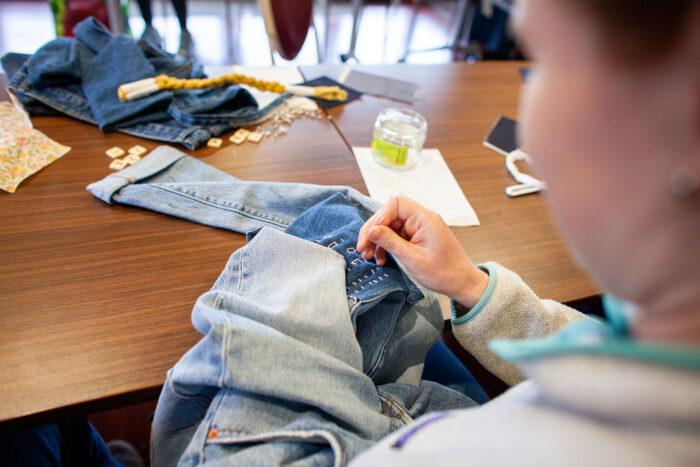
Dr. English categorizes the act of fixing clothing into two distinct frameworks: the functional and the creative. The functional approach is rooted in necessity—addressing a broken seam or a missing button to ensure a garment remains wearable. In this view, repair is a form of maintenance, similar to servicing a vehicle or maintaining a home.
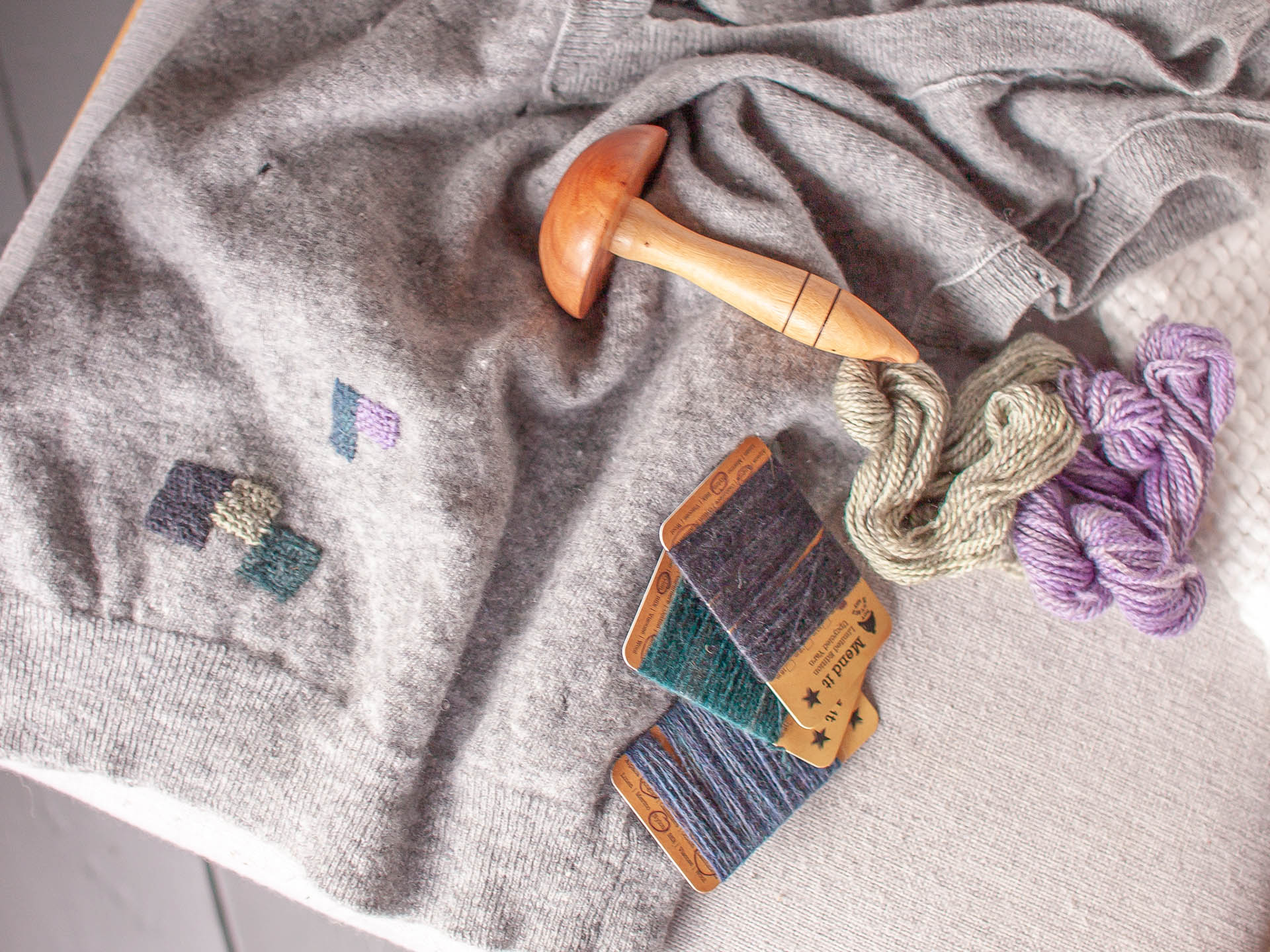
The second, and perhaps more transformative approach, is "remake." This involves treating clothing as a raw material for creative expression. Whether through visible mending, sashiko stitching, or the creative application of patches, the remake movement seeks to elevate the status of the garment. By adding a new design element, the wearer moves from being a passive consumer to an active co-creator.
"The lovely thing with repair is that it makes us slow down," Dr. English notes. "We talk about slow fashion and how crucial it is, but with repair, you are literally slowing down because it takes time. It’s a space to cherish the clothing we have; it’s nourishing for yourself and for your clothes."
Navigating the Skills Gap: Community and Accessibility
One of the primary challenges identified in Dr. English’s research is the "intimidation factor" associated with sewing. For many, the lack of foundational knowledge prevents them from attempting even the most basic repairs.
To bridge this gap, Dr. English advocates for three key strategies:
- Peer-to-Peer Skill Sharing: The devaluation of traditional textile skills has led to a knowledge vacuum. Dr. English argues that informal networks—asking friends, family, or local community members for guidance—are an underutilized resource.
- Community Hubs: Repair cafés have emerged as vital infrastructure. These spaces provide not only the necessary tools but also the expertise required to navigate complex repairs. They function as a "third space," facilitating social connection while simultaneously reducing landfill waste.
- Low-Stakes Experimentation: A common error is attempting complex repairs on high-value or sentimental items. Dr. English advises starting with items that are "non-precious." Mastering a simple cross-stitch on a pair of track pants builds the confidence required to tackle more intricate tasks later.
Defining the "Remake" Framework
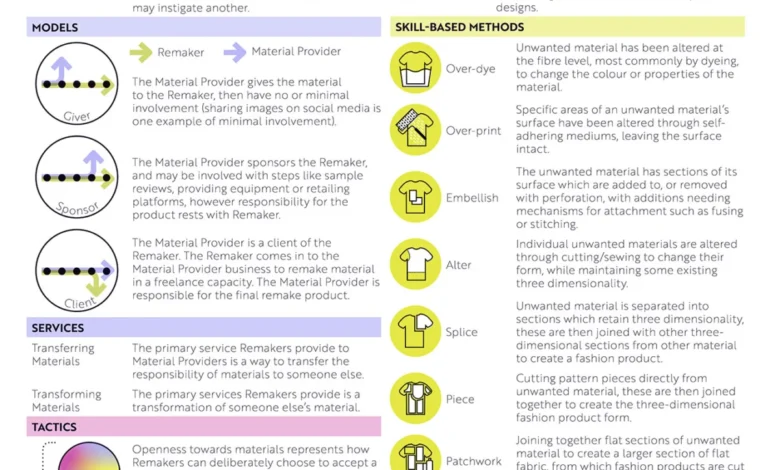
In her publication, Designing Collaborations to Remake Waste: A Blueprint for Fashion Businesses, Dr. English outlines a taxonomy for engaging with old textiles. She distinguishes between the "surface," the "form," and "textile extraction."
- Surface Transformation: This includes methods such as overprinting, dyeing, or embellishing. These techniques allow a wearer to obscure a stain or a small tear without fundamentally altering the structure of the garment.
- Form Transformation: This involves physical alterations, such as tailoring, or the more radical "splicing," where two or more garments are combined to create a single, new item.
- Textile Extraction: This is the most intensive form of remake, treating old garments as raw fabric to be cut and reconstructed into something entirely new, such as through patchwork or complex patternmaking.
Broader Implications and Future Outlook
The shift toward a repair-based economy carries significant economic and social implications. If repair were to be normalized, the demand for "new" clothing would theoretically decline, forcing manufacturers to pivot toward quality and durability. This transition, however, is not without its hurdles. The disparity between the cost of mass-produced, offshore-made garments and the cost of local, skilled labor remains a significant barrier. A t-shirt manufactured in a low-wage region for a few dollars cannot compete with the time-intensive process of local repair.
Despite these economic pressures, the environmental imperative is clear. The "Circular Fashion" model, which relies on the reuse and repair of existing resources, is increasingly viewed by policymakers as the only viable path to meeting international climate goals.
Dr. English’s work serves as a reminder that the most radical act a consumer can take is to remain with their belongings. By moving away from the culture of disposability, individuals can reclaim agency over their consumption. As Dr. English poignantly concludes, the act of repairing a garment is a testament to value: "Typically, if you want to repair something, it’s because you love it. How special is that, that we have something in our lives that we love enough that we want to fix it? Who is going to fix it, if not you?"
As the fashion industry continues to grapple with its role in the climate crisis, the quiet, deliberate work of the individual mender is increasingly being recognized as a cornerstone of a more sustainable future. Through education, community engagement, and a fundamental shift in perception, the act of picking up a needle and thread is transforming from a lost domestic chore into a powerful tool for environmental and cultural change.