In the heart of Sydney’s Inner West, a region increasingly defined by its rejection of mainstream conformity and its embrace of industrial-chic aesthetics, a wedding recently took place that serves as a case study for the modern "alternative" nuptial movement. Nikka and Taran, residents and business owners on Enmore Road, executed a celebration that prioritized community identity, personal history, and financial pragmatism over the traditional high-expense wedding industry standards. The event, which took place at Young Henrys Brewery, was notable not only for its unique visual elements—including a motorbike entrance and a coffin-shaped arbour—but also for its strict adherence to a $10,000 AUD budget, a figure significantly below the national average for Australian weddings.
The Cultural and Geographical Context of Enmore Road
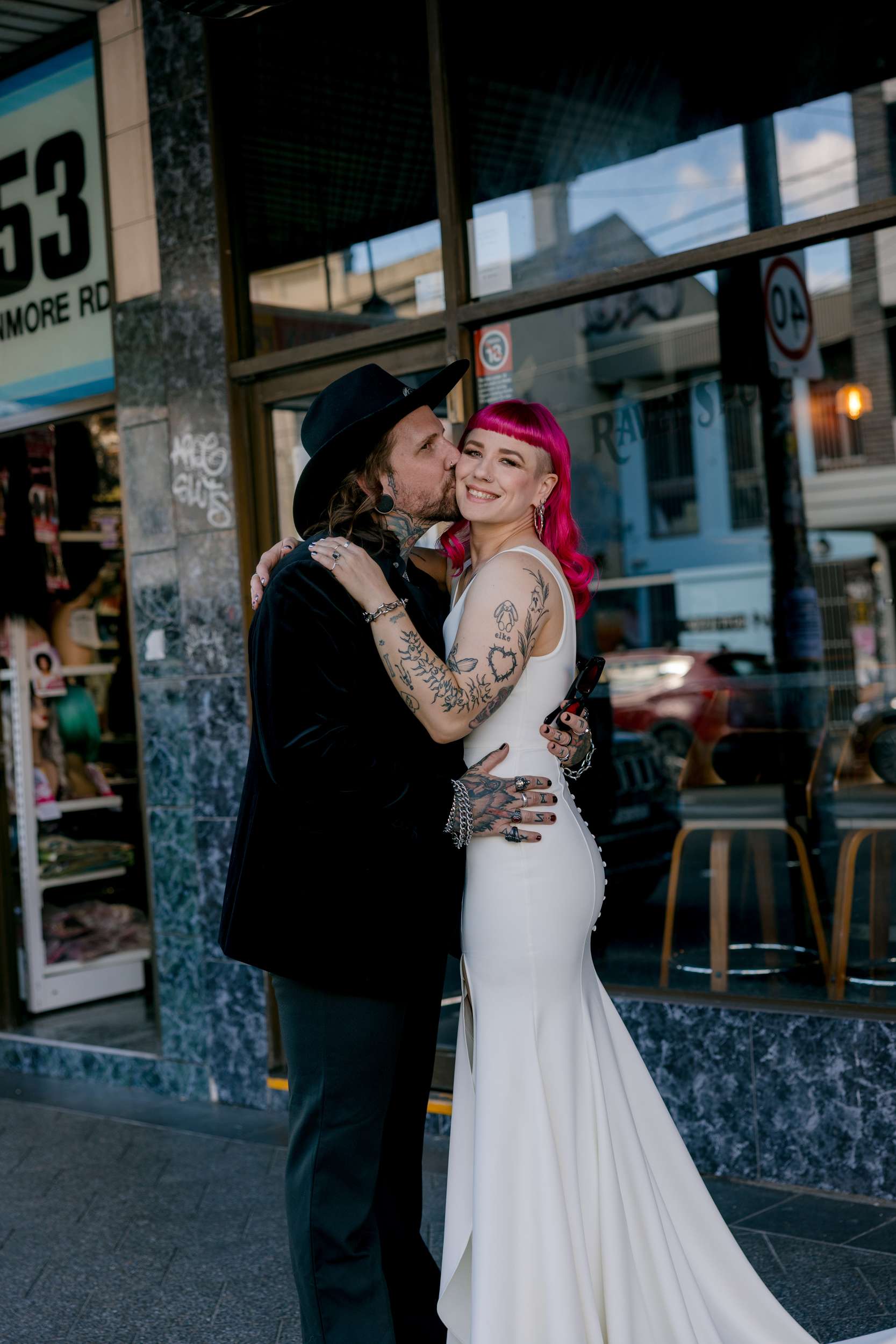
To understand the logistical and aesthetic choices of the Nikka-Taran wedding, one must consider the setting of Enmore Road. Recently recognized in global lifestyle rankings as one of the "coolest" streets in the world, Enmore is the spiritual and commercial home of Sydney’s alternative scene. As owners of a local bar in this precinct, the couple’s lives are intrinsically linked to the hospitality and music communities of the Inner West.
For Nikka and Taran, the wedding was an extension of their daily reality rather than a staged departure from it. The couple opted to bypass the traditional "moodboard" planning phase, noting that their everyday environment—characterized by rock music, tattoo culture, and late-night community gatherings—provided the necessary inspiration. This approach reflects a growing trend among millennial and Gen Z couples who view the wedding as a documentary of their existing lifestyle rather than a performance of social status.
Chronology of the Event: From Industrial Brewery to Bar Crawl
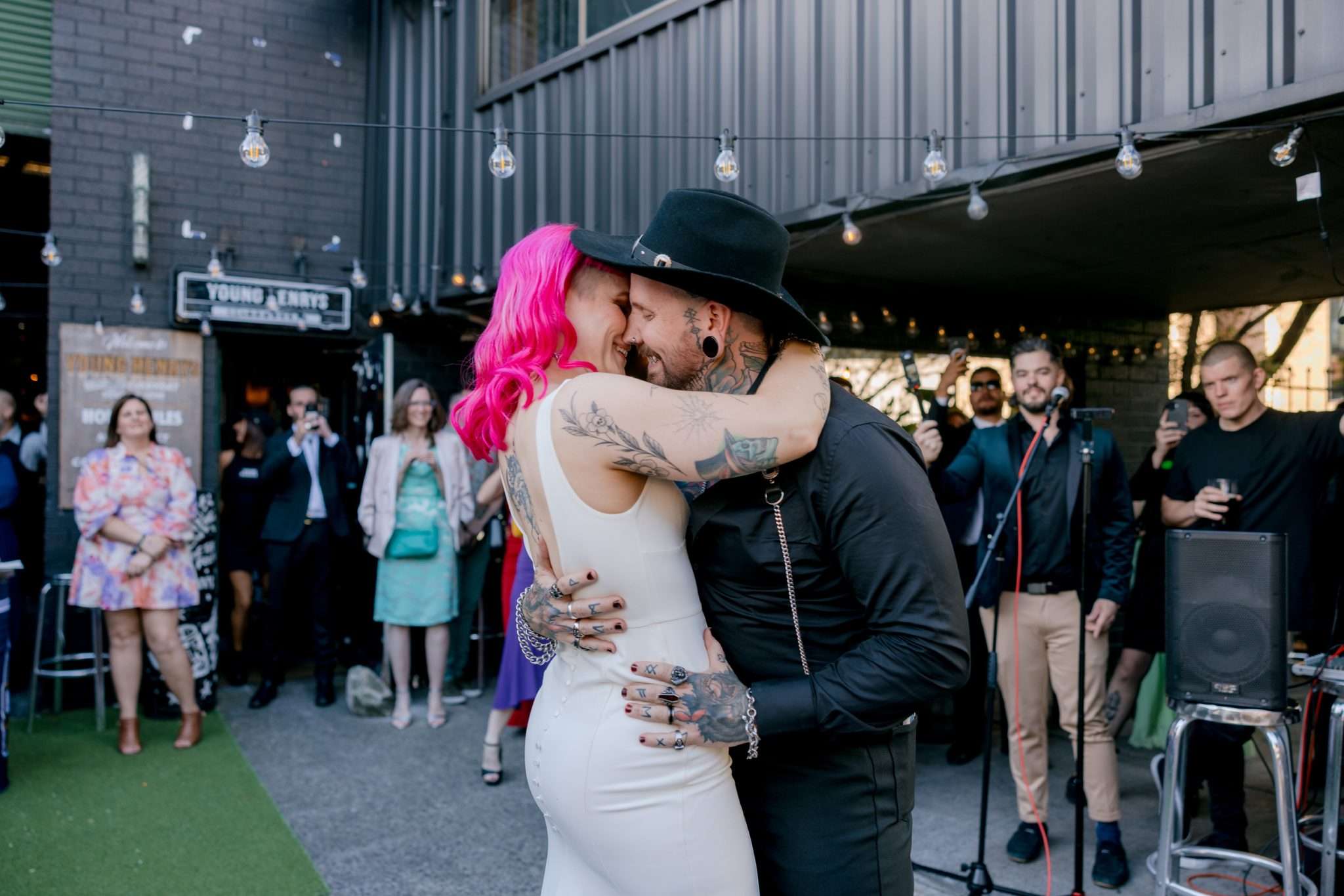
The wedding was structured to maximize guest interaction and minimize the rigid formalities often associated with black-tie ceremonies. The day began not in a chapel or a manicured garden, but within the functional, industrial confines of Young Henrys Brewery in Newtown. The venue choice was strategic; Young Henrys is a staple of the local economy and offers a backdrop of stainless steel fermentation tanks and concrete flooring that requires minimal additional decoration.
The Procession and Motorbike Entrance
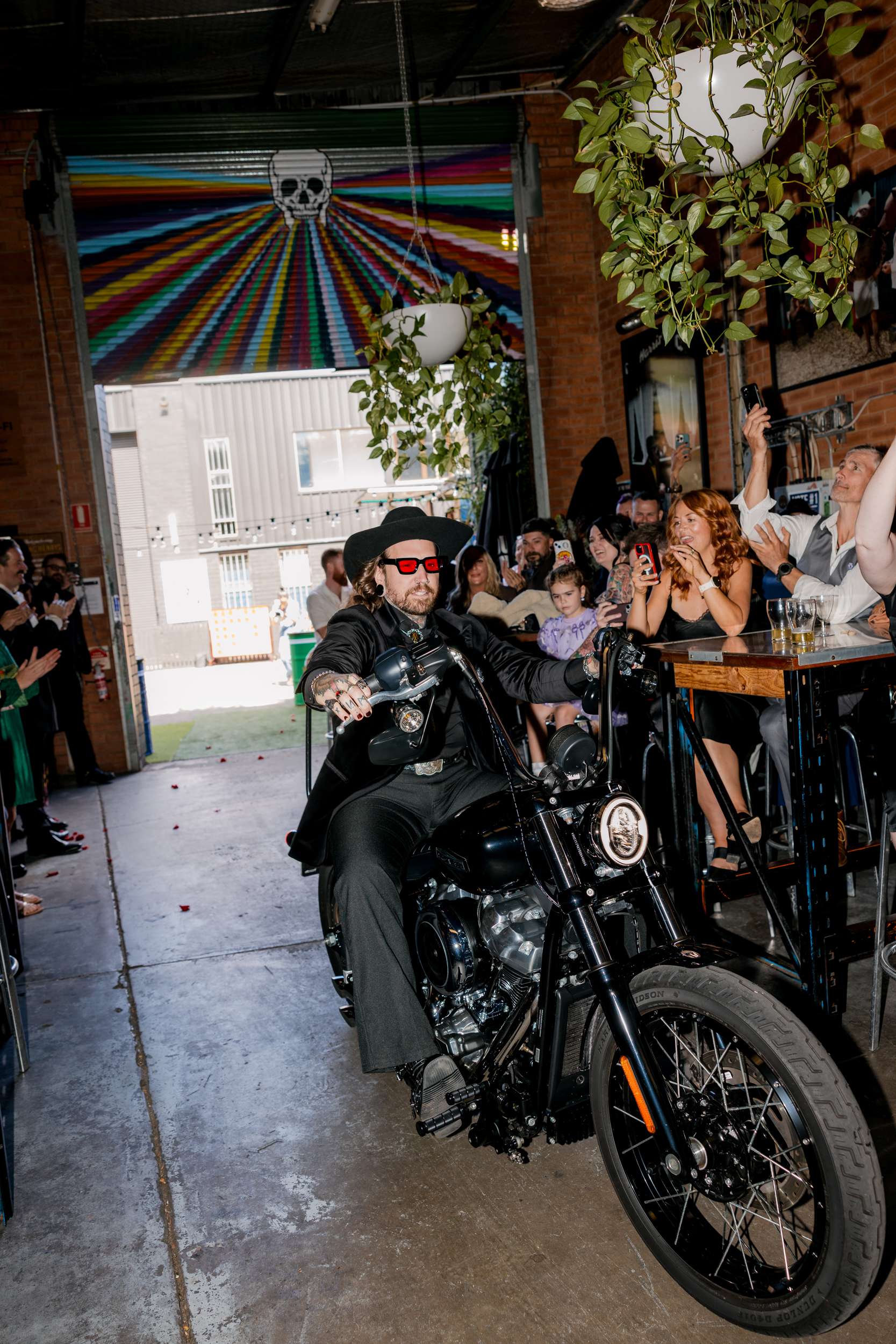
The ceremony commenced with a subversion of the traditional processional. Eschewing the standard "Here Comes the Bride" march, the couple curated a playlist that reflected their shared affinity for rock and heavy metal. The groom’s party entered to "Goo Goo Muck" by The Cramps, a choice that signaled the event’s irreverent tone. This was followed by Taran’s arrival, which featured the groom riding his motorbike directly down the aisle to the sounds of Danzig’s "Am I Demon."
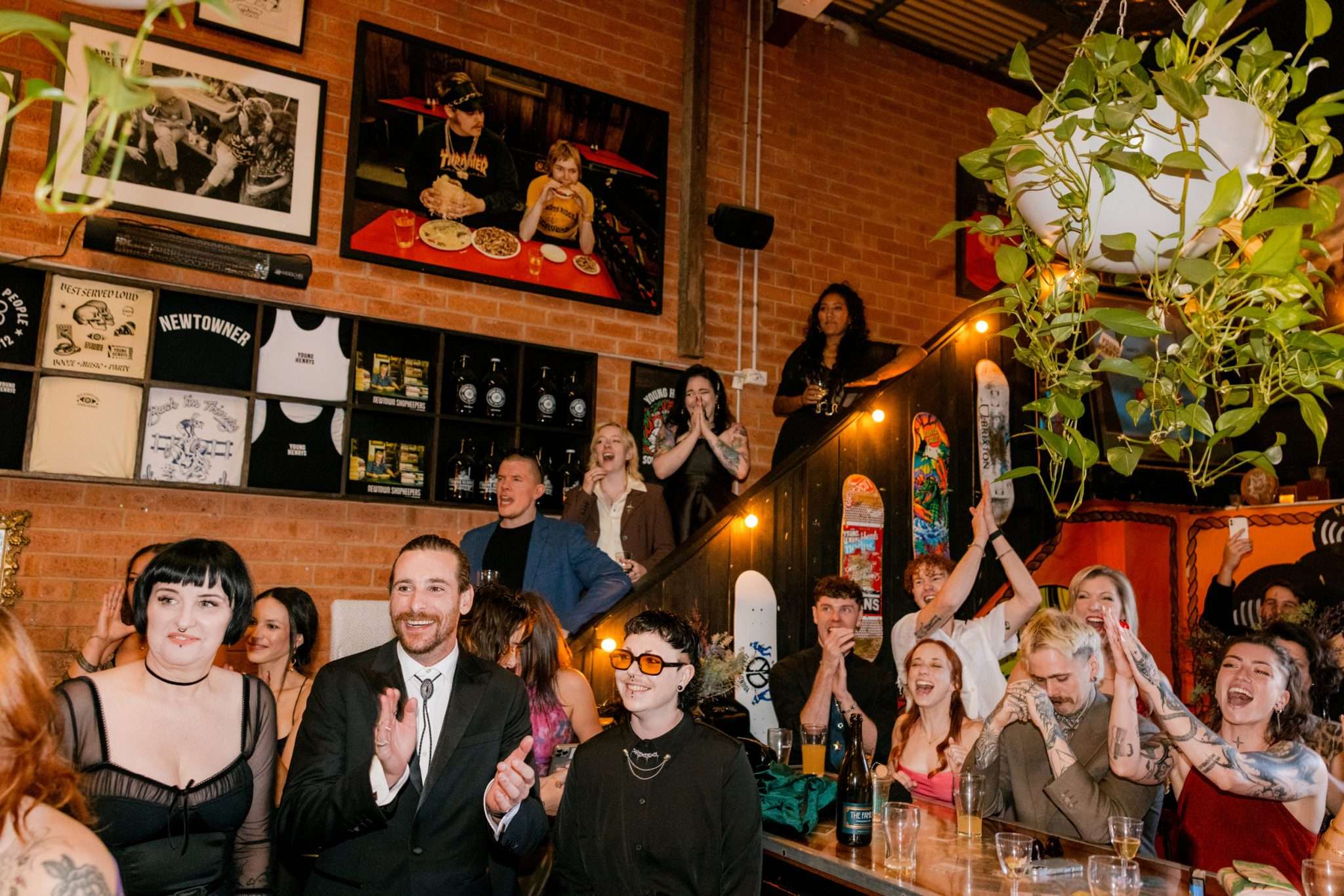
Nikka’s side of the wedding party entered to Ozzy Osbourne’s "Hellraiser." In a move that highlighted the couple’s focus on family and community, their daughter, Elke, and Nikka’s mother walked together to the Spice Girls’ "Mama," providing a brief, pop-infused contrast to the heavier tracks. The bride concluded the procession with Metallica’s "Nothing Else Matters," a song that has become a contemporary anthem for non-traditional ceremonies.
The Ceremony: Lithuanian Paganism and Personal Symbols
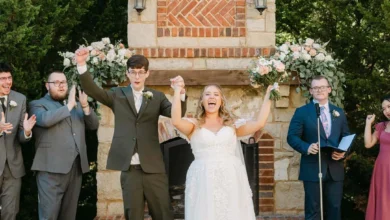
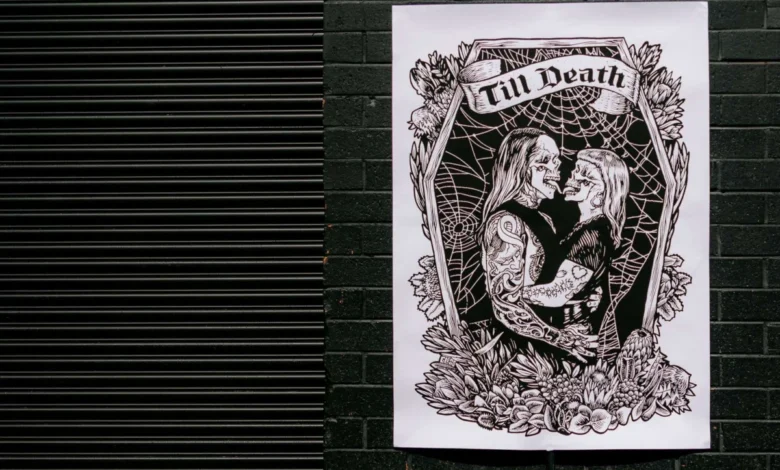
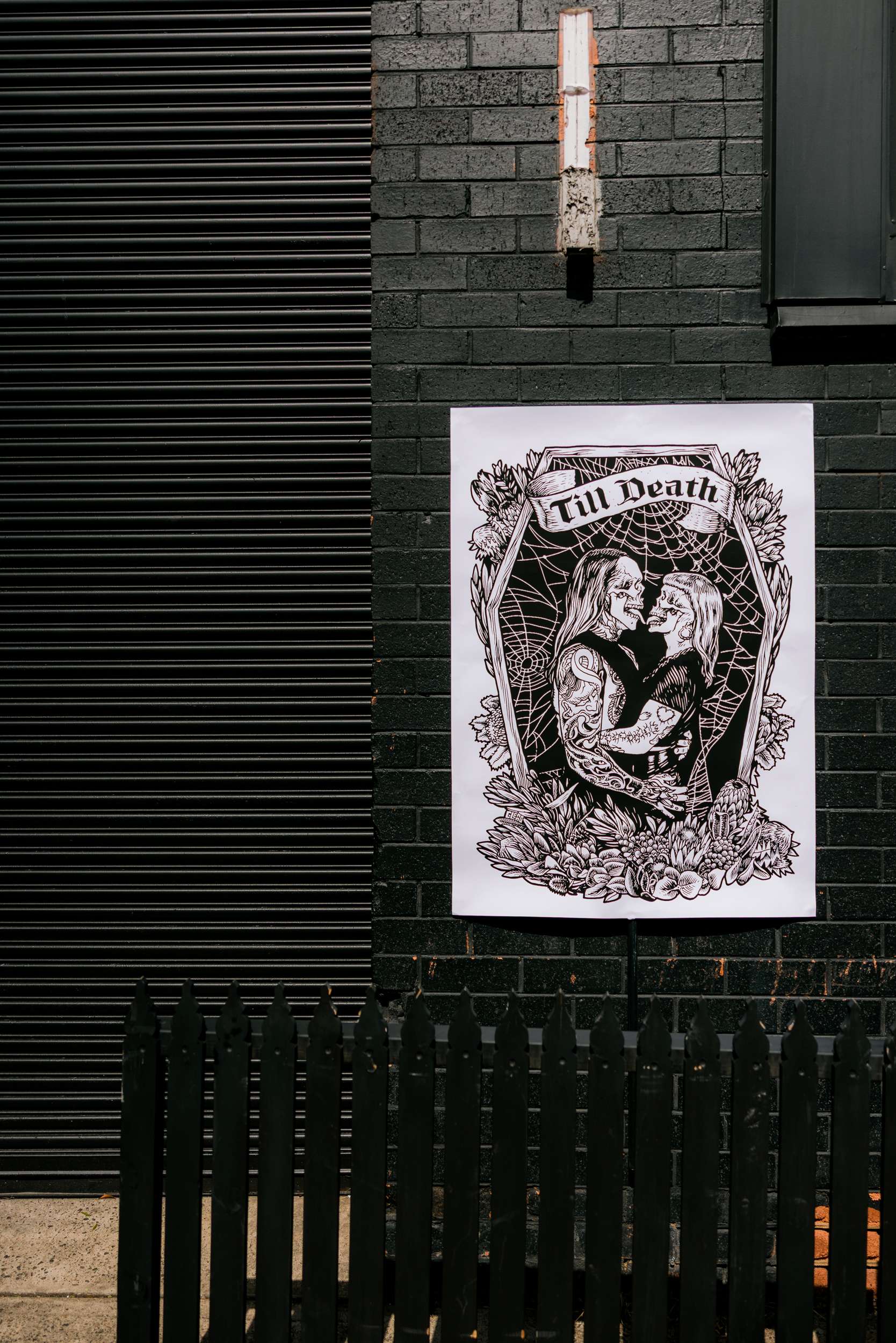
The focal point of the ceremony was a coffin-shaped arbour, a structure designed, built, and decorated by Taran. This piece served as a literal and metaphorical representation of the "til death do us part" vow, rendered in the couple’s specific aesthetic language.
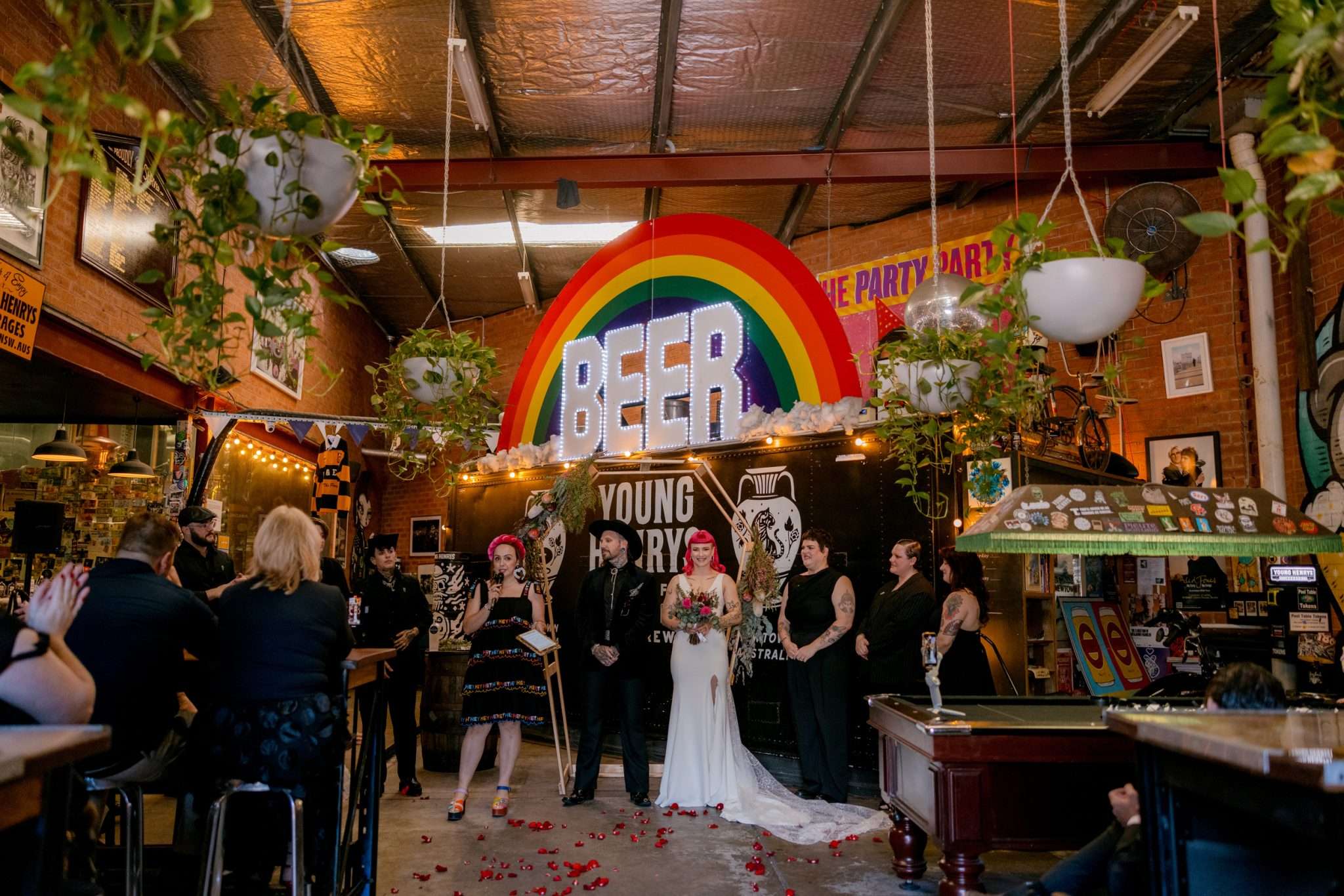
The ceremony itself was a blend of modern secularism and ancient tradition. Nikka’s mother and grandmother presided over a Lithuanian Pagan ritual involving dark bread, salt, and vodka. This tradition, known as Duona ir Druska, is a foundational element of Baltic culture, symbolizing the couple’s readiness to face the "salt" (hardships) and "bread" (sustenance/prosperity) of life together. The objects used in the ritual were heirlooms: shot glasses from the grandmother’s wedding, a plate from the paternal grandparents’ wedding, and a bowl from the parents’ wedding. This integration of multi-generational artifacts provided a sense of historical continuity amidst the unconventional setting.
The Reception and Post-Wedding Bar Crawl
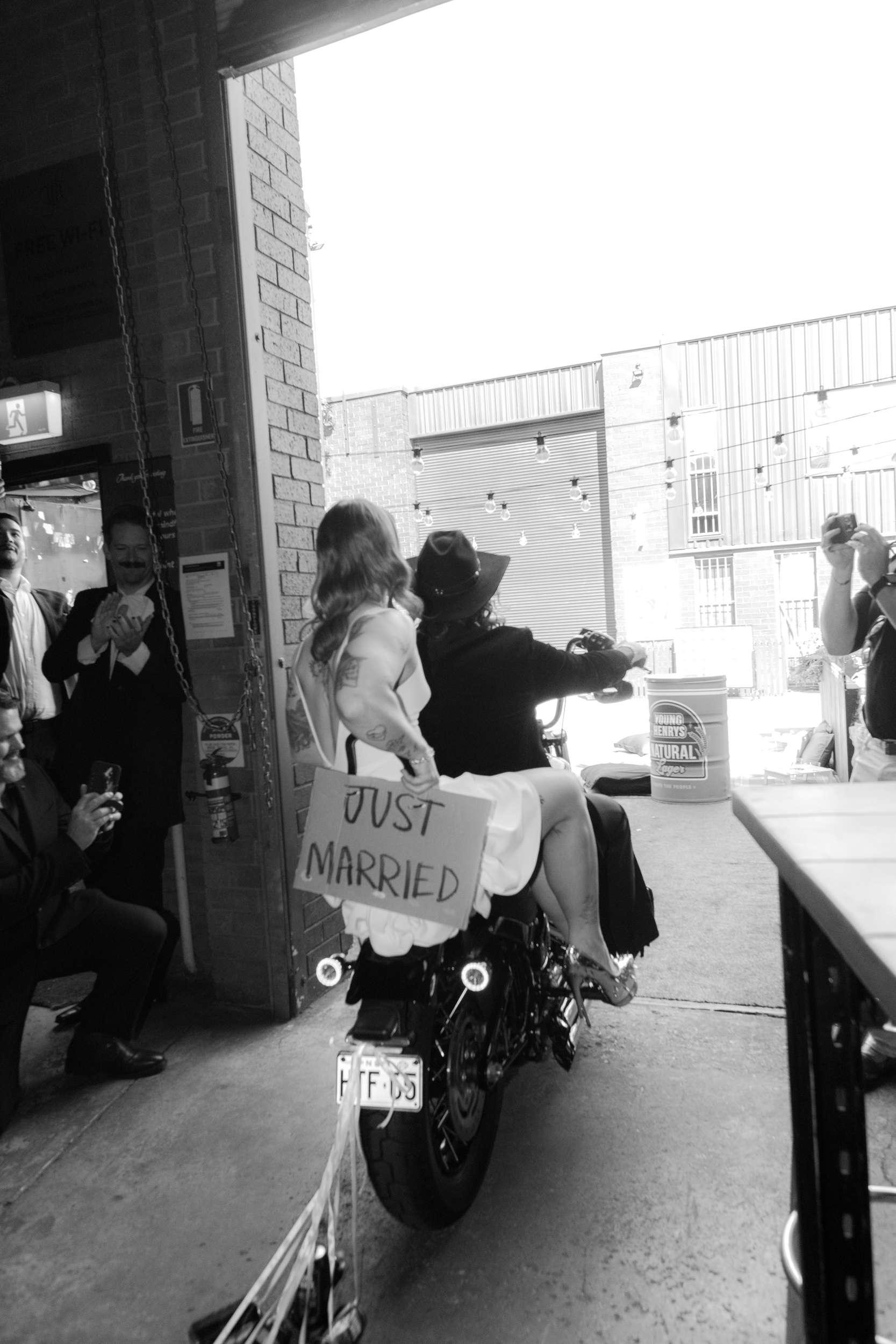
Following the ceremony, the couple exited the brewery on the motorbike, with Nikka holding a hand-painted cardboard "Just Married" sign. The reception maintained the low-formality theme. Instead of a multi-course seated dinner, the couple utilized local food trucks to serve pizza and arancini, allowing guests to move freely between the brewery taps and the lawn game area.
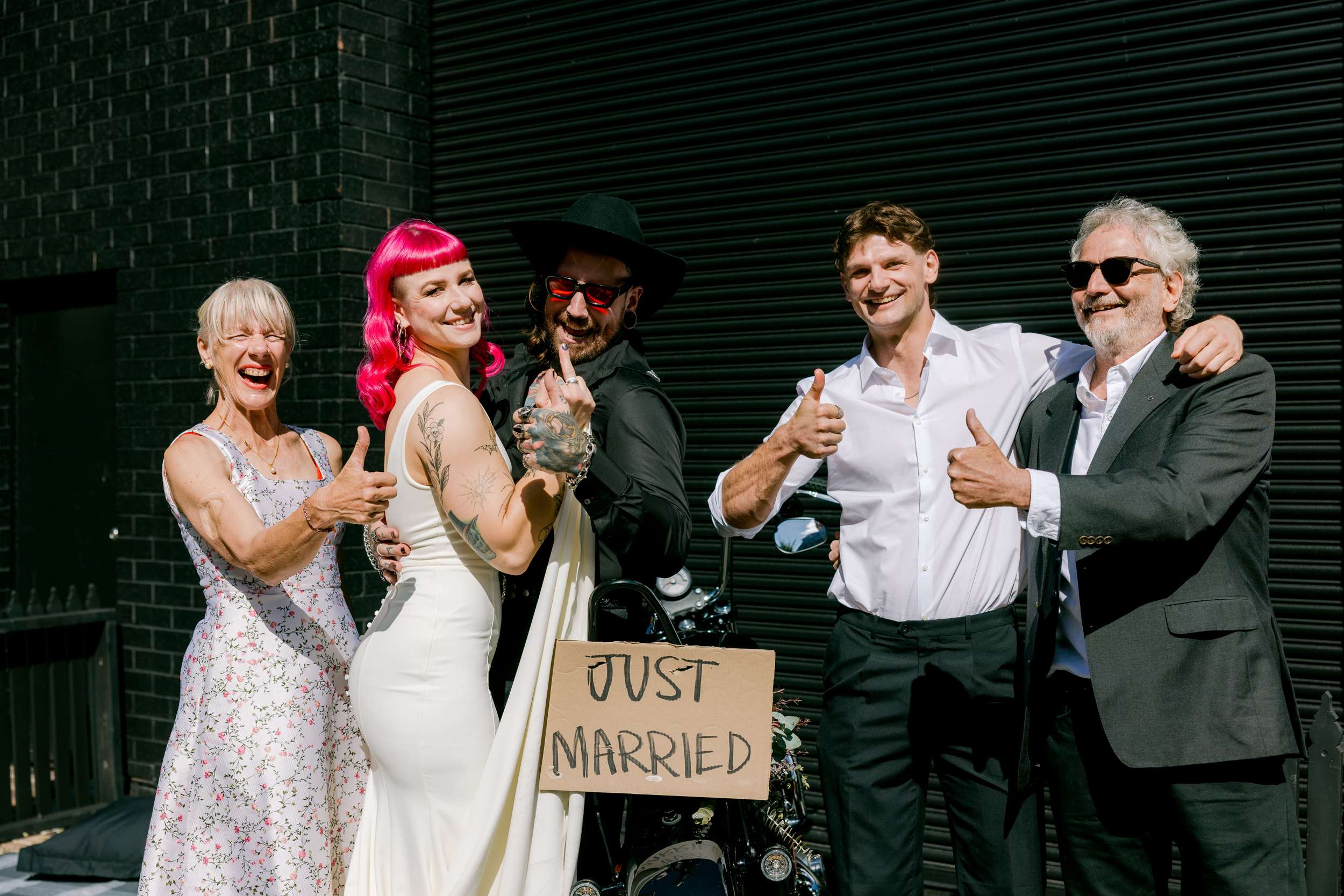
The evening concluded with a transition from the venue back to Enmore Road. The wedding party and guests engaged in a celebratory bar crawl, which included a stop at the bar owned by the couple. This transition effectively dissolved the boundary between the private celebration and the public community space.

Financial Breakdown and Market Analysis
The total cost of the wedding was approximately $10,000 AUD. According to data from the 2023 Australian Wedding Industry Report, the average cost of a wedding in Australia ranges between $30,000 and $36,000 AUD. By spending only a third of the national average, Nikka and Taran demonstrated the viability of the "micro-budget" model in an urban setting.
Cost-Saving Strategies
- Venue Selection: The brewery served as both the ceremony and reception site. By choosing an industrial space, the couple avoided the "wedding premium" often charged by dedicated event halls.
- DIY Florals and Decor: The couple purchased native flowers from local markets and arranged them themselves. The primary decor—the coffin arbour—was a DIY project by the groom.
- Catering Model: Food trucks are significantly more cost-effective than traditional catering services, as they reduce the need for waitstaff and rental equipment like fine china and linens.
- Guest List Management: The couple eliminated "courtesy invitations," limiting the guest list to genuine friends and family. This reduced the per-head cost of food and beverage, which is typically the largest expense in any wedding budget.
Inclusivity and Social Implications
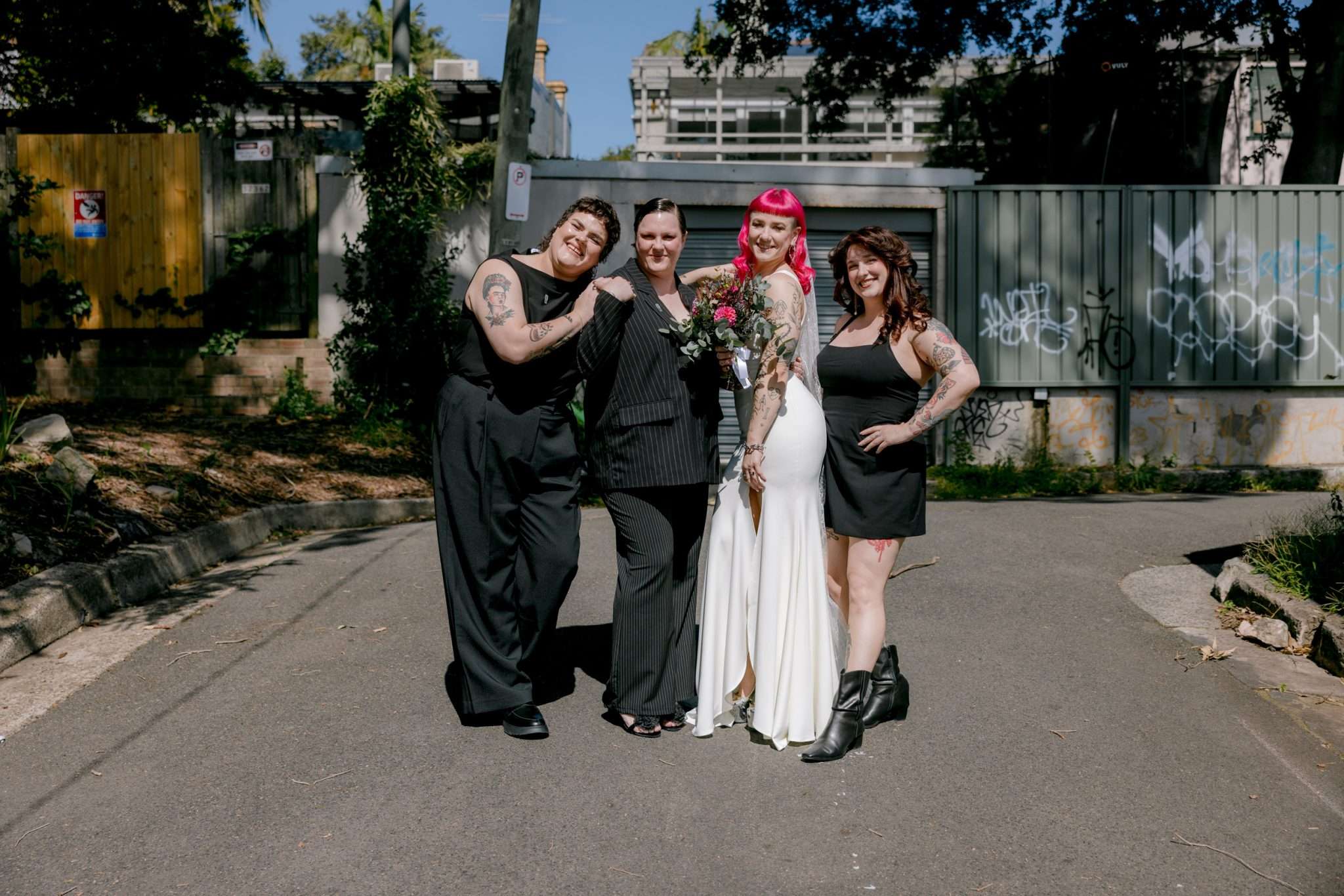
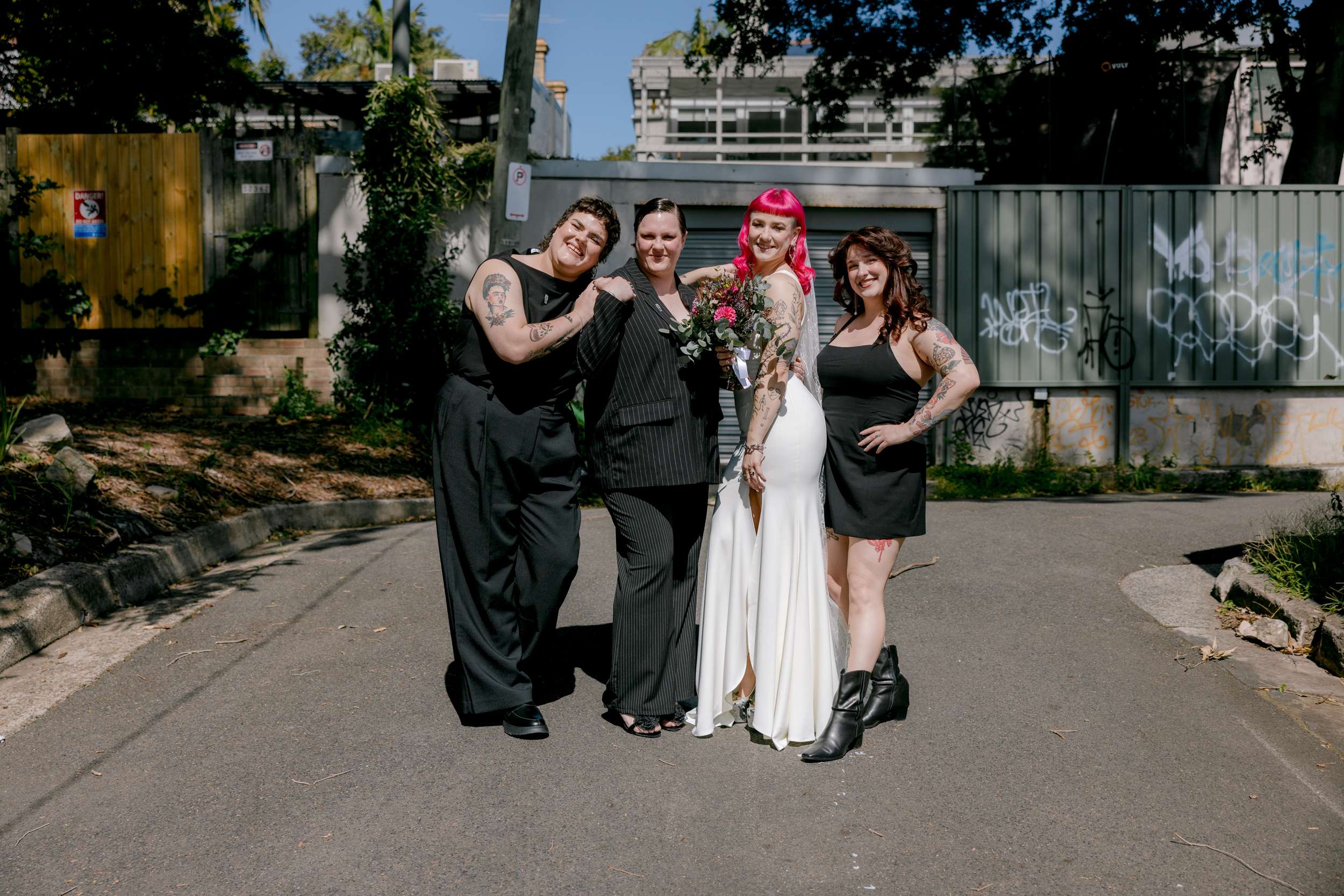
The wedding party was notable for its rejection of traditional gender roles. The couple invited non-binary members of their community to stand in the wedding party, reflecting the progressive social fabric of Sydney’s Inner West. By ignoring the "bridesmaid/groomsman" binary, the couple prioritized personal significance over gendered tradition.
Furthermore, the involvement of their daughter, Elke, as a legal witness to the marriage certificate highlights a shift in how modern families view the legalities of marriage. In many traditional settings, witnesses are chosen based on seniority or peer status; here, the inclusion of the child as a signatory emphasized the marriage as a formalization of an existing family unit.

Analysis of the "Authenticity" Trend in the Wedding Industry
The Nikka-Taran wedding is emblematic of a broader shift in the global wedding industry toward "radical authenticity." For decades, the industry was driven by a desire for "perfection"—often defined by white dresses, floral arches, and expensive ballrooms. However, market analysts have noted a growing "wedding fatigue" among younger demographics, who are increasingly wary of the debt associated with traditional ceremonies.
The rise of platforms like "Rock n Roll Bride" has provided a digital community for couples who wish to see their subcultures reflected in their nuptials. This trend is characterized by:
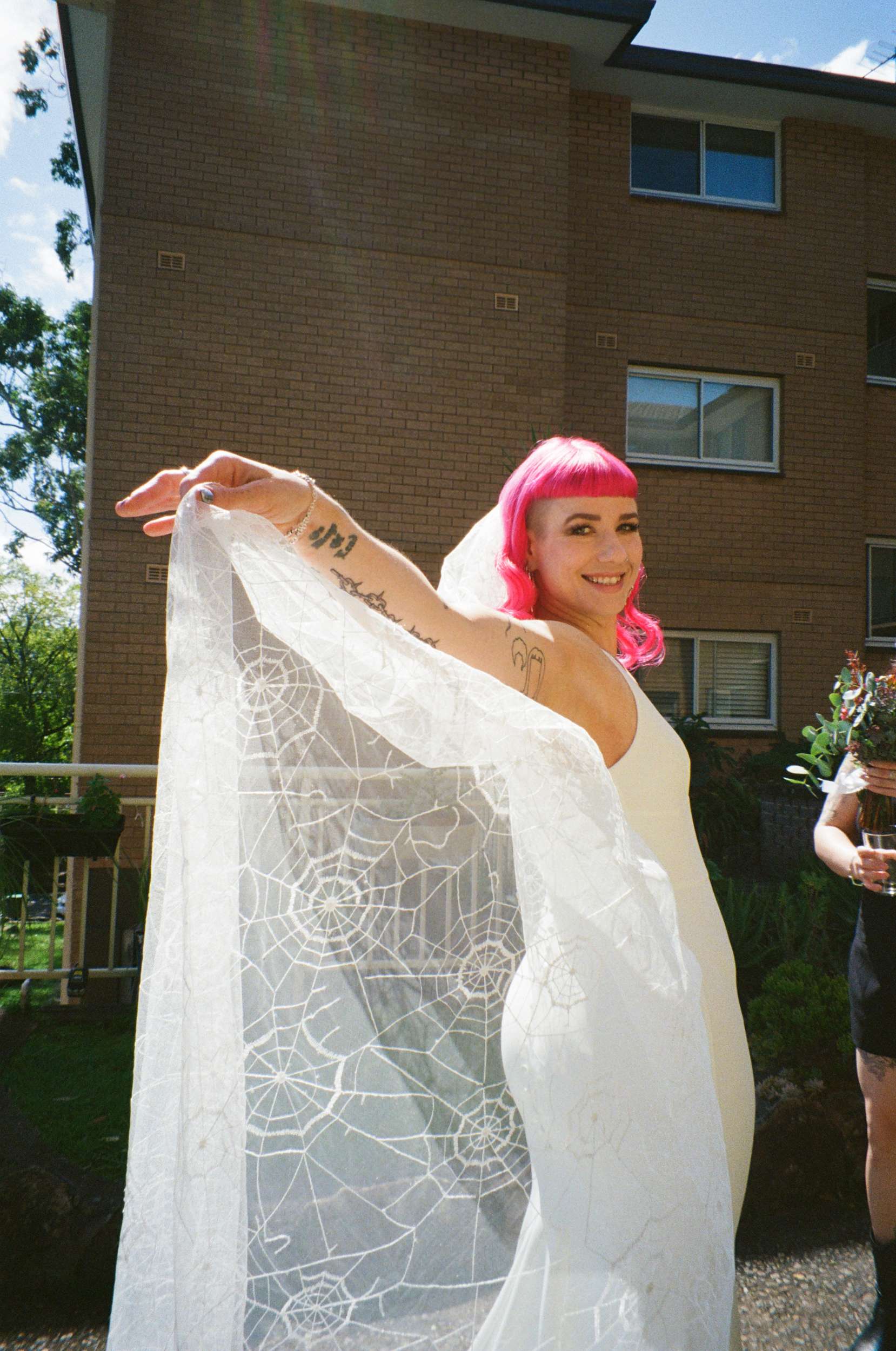
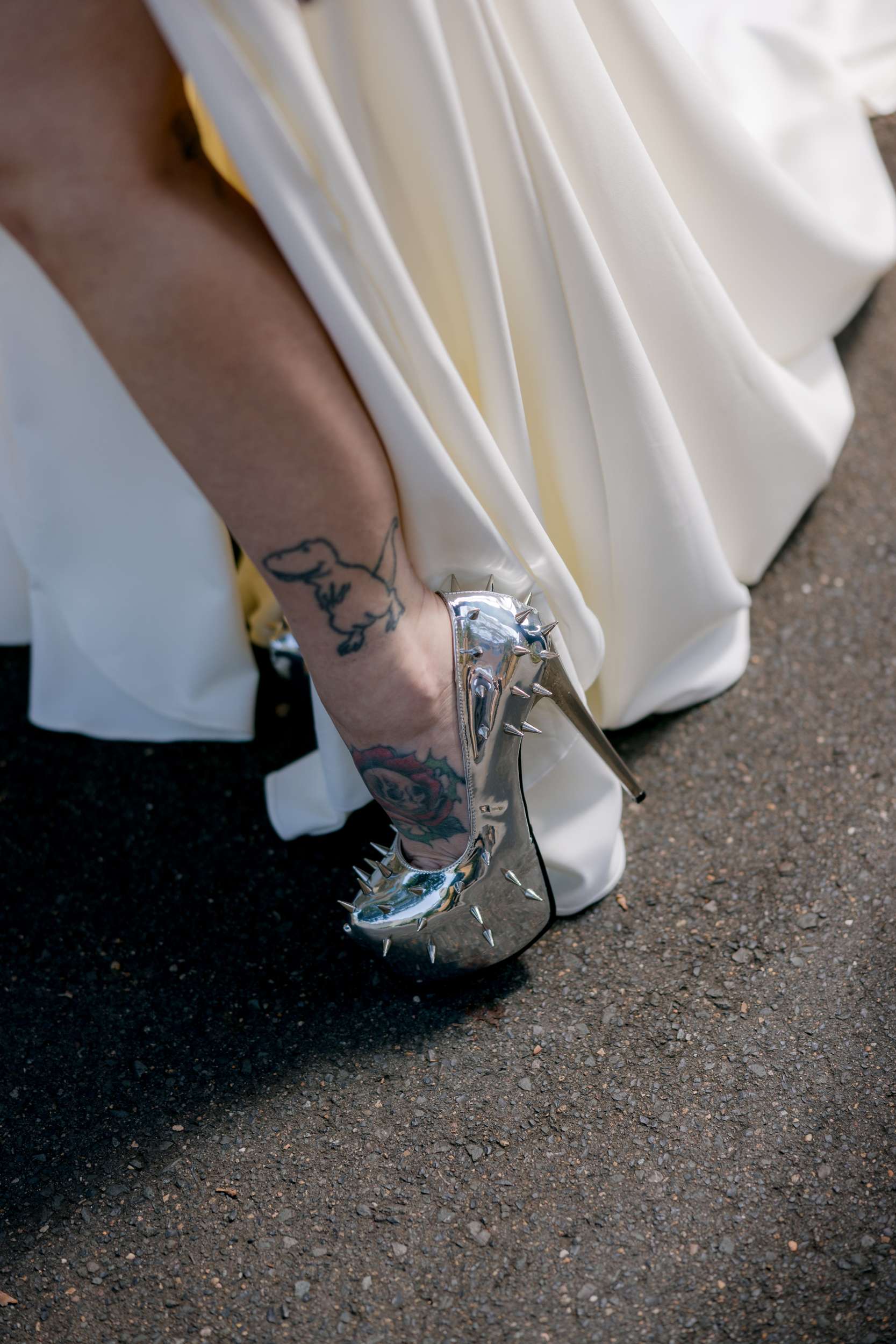
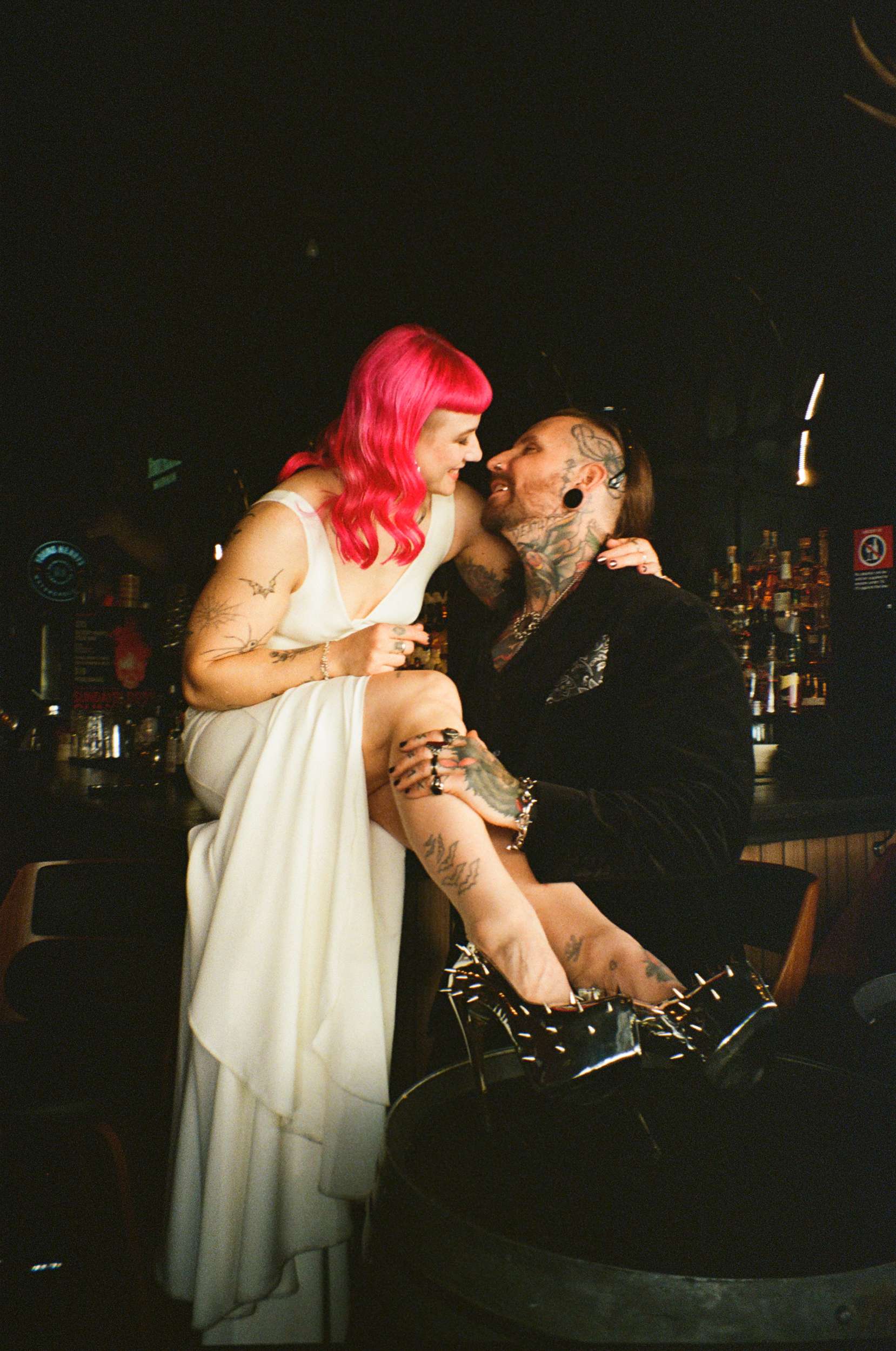
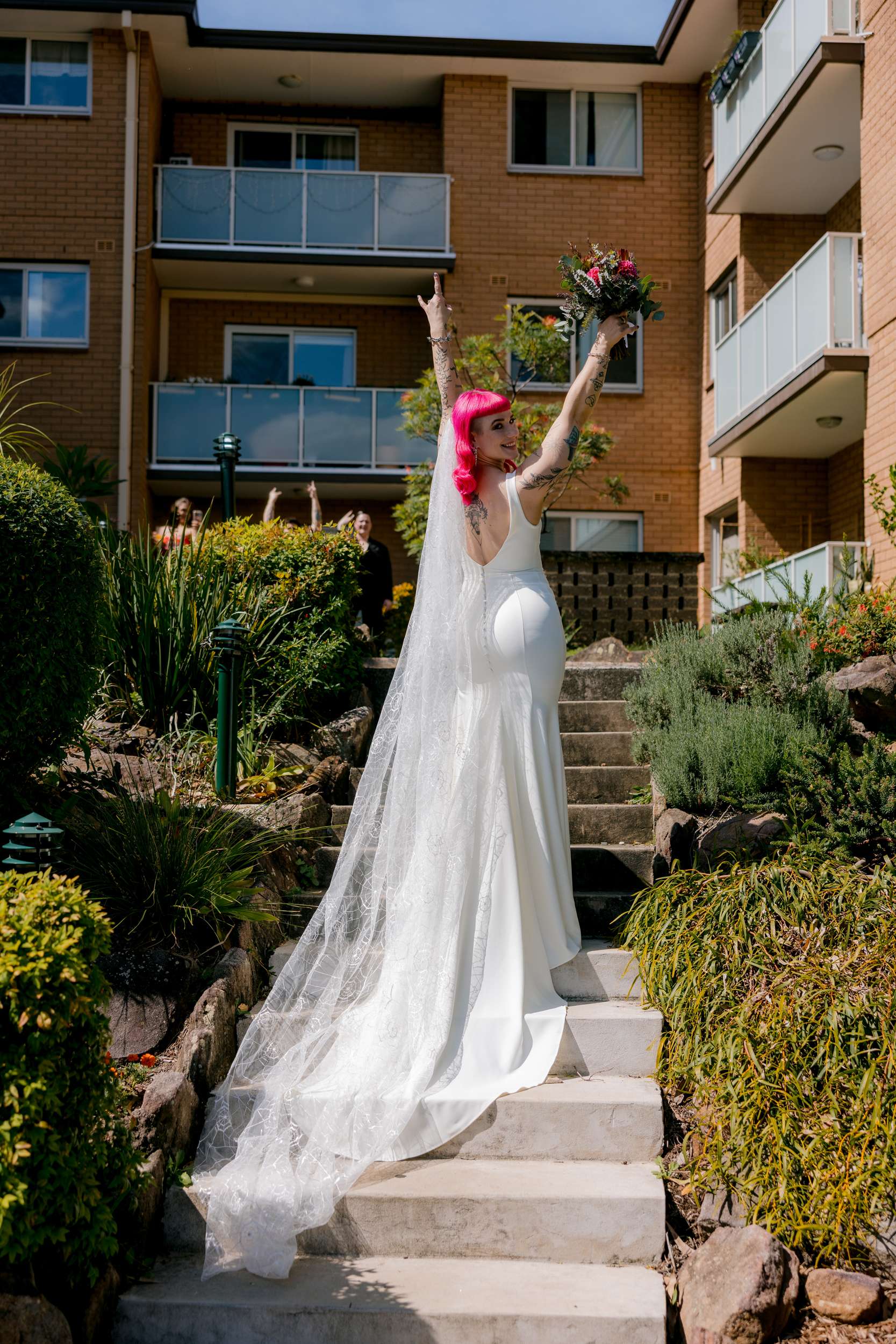
- The De-prioritization of the White Dress: While Nikka wore a dress, it was styled with "spiky heels" and "vampire fang grillz," reclaiming the attire for her own subculture.
- Sonic Identity: Using music that the couple actually listens to, rather than music deemed "appropriate" for weddings.
- Venue Non-Conformity: The use of breweries, warehouses, and bars instead of churches or hotels.
Conclusion
The wedding of Nikka and Taran stands as a testament to the possibility of a high-impact, low-cost celebration that remains deeply rooted in a specific cultural identity. By leveraging their local community on Enmore Road and prioritizing personal history over industry expectations, the couple managed to create an event that was both a legal milestone and a cultural statement.
As the cost of living continues to rise in major urban centers like Sydney, the $10,000 brewery wedding model may become less of an "alternative" and more of a blueprint for future couples. The event demonstrates that when the "small stuff"—such as seat placement and formal catering—is stripped away, the core elements of a wedding (community, music, and the celebration of a shared life) can be achieved with both style and fiscal responsibility.