The Timeless Appeal of Greek Wedding Dresses: A Comprehensive Guide to Ancient-Inspired Bridal Fashion

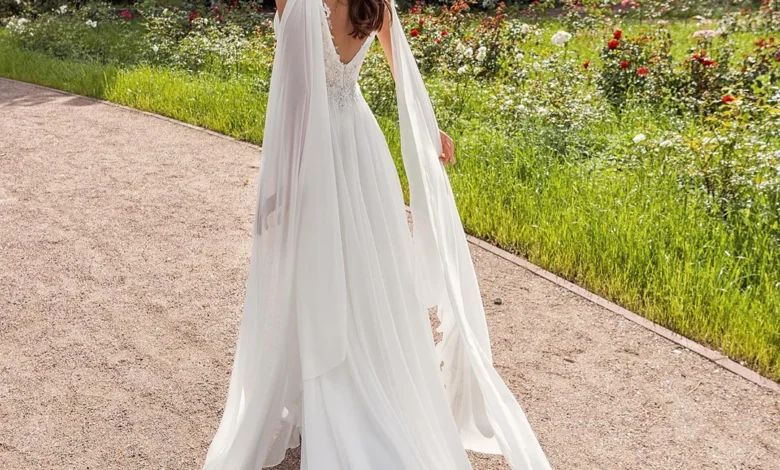
Greek wedding dresses have long occupied a unique space in bridal fashion, celebrated for their fluid lines, seductive yet understated silhouettes, and historical resonance. As modern brides increasingly seek alternatives to heavy ballgowns and restrictive corsetry, ancient Greek-inspired aesthetics have experienced a significant resurgence. Characterized by soft drapery, lightweight fabrics, and an innate sense of effortless grace, these gowns offer a versatile aesthetic that bridges classical antiquity and contemporary elegance.
Historical Origins and Evolution of Grecian Bridal Aesthetics
The design roots of Greek-inspired wedding attire trace back to classical antiquity, specifically the tunics and drapery worn by women in ancient Greece, known as the peplos and the chiton. These garments were not sewn to fit tightly against the body; instead, they were pinned, belted, and draped to create natural, cascading folds that moved fluidly with the wearer.
In the late 18th and early 19th centuries, during the Regency and Empire eras in Europe, classical Greek and Roman art heavily influenced fashion. Women discarded heavy, boned undergarments in favor of high-waisted muslin dresses that mirrored ancient statues. Today’s bridal designers have successfully translated these historical elements into modern wedding wear, utilizing advanced textile engineering to maintain the illusion of effortless draping while providing the internal structure expected of contemporary bridal gowns.
Categorizing Styles: From Goddess Gowns to Roman Influences
Modern collections featuring Greek and Roman-inspired wedding dresses span several distinct stylistic subcategories, allowing brides to tailor the look to their personal preferences and wedding venues.
Roman-Greek Fusion Gowns
While distinct in historical origin, Roman and Greek styles are frequently blended in modern bridal collections. Roman influences typically introduce more structured elements, such as heavier woven fabrics, architectural bodices, and regal capes or structured draping, contrasting with the softer, more fluid nature of traditional Greek designs.
Greek Goddess Silhouettes
Designed to project an aura of divine grace, goddess-style gowns often feature asymmetrical necklines, intricate pleating, and sweeping trains. Gold metallic accents, braided straps, and subtle shoulder brooches frequently complement these designs, channeling figures from classical mythology without appearing costume-like.
Vintage and Simple Grecian Styles
For brides favoring minimalism, simple Greek wedding dresses strip away heavy embellishments in favor of clean lines and lightweight fabrics like chiffon, silk crepe, and soft tulle. Vintage-inspired variations incorporate delicate lace panels and subtle hand-embroidered motifs along the empire waistline or hem.
Key Design Elements and Structural Variations
The architectural integrity of a Greek wedding dress relies heavily on fabric choice and construction techniques. Because these gowns prioritize movement, designers predominantly utilize lightweight, breathable textiles.
- Fabrics: Chiffon, silk georgette, fine tulle, and soft charmeuse are standard. These materials allow the garment to drape naturally and catch the wind effectively, making them particularly popular for outdoor and destination weddings.
- The Empire Waistline: Perhaps the most defining characteristic of Grecian bridal wear is the empire waist, positioned just below the bust. This cut elongates the vertical line of the body, making it exceptionally flattering for a wide range of body types, including petite, pear-shaped, and plus-size figures.
- Sleeves and Necklines: While sleeveless and one-shoulder designs remain staples, modern collections also feature long sheer sleeves and cap sleeves. One-shoulder asymmetrical cuts draw the eye upward, creating a sculptural neckline that flatters the collarbones and shoulders.
Tailoring to Body Types and Sizing Considerations
Industry experts note that selecting a wedding gown requires careful consideration of proportions, seasonal weather, and fabric weight. For plus-size brides, Greek-style dresses offer both comfort and sophisticated shaping. By utilizing structured interior bodices paired with softly cascading exterior fabrics, plus-size Grecian gowns provide essential bust support while allowing the skirt to skim smoothly over the hips and abdomen without adding bulk.
Petite brides benefit significantly from the vertical elongation provided by the empire waist, which creates the optical illusion of added height. Conversely, brides with athletic builds can use diagonal draping and asymmetrical necklines to add soft curves to their silhouette.
Venue Suitability and Event Planning
The versatility of Greek wedding dresses makes them appropriate for a wide variety of celebration formats, though certain environments naturally complement their design:
- Beach and Destination Weddings: The lightweight nature of chiffon and silk makes these gowns ideal for warm climates and seaside ceremonies, where heavy fabrics would prove cumbersome.
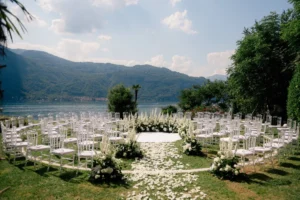
- Garden and Outdoor Receptions: The fluid movement of a draped skirt harmonizes with natural outdoor settings, rural estates, and botanical gardens.
- Formal Indoor Ceremonies: When crafted from heavier silk crepes and adorned with subtle metallic embroidery or structured capes, Grecian gowns easily transition into grand hotel ballrooms and historic cathedrals.
Accessorizing and Styling the Modern Goddess Look
Completing a Greek-inspired bridal ensemble involves careful selection of accessories that complement, rather than overwhelm, the gown’s inherent simplicity.
- Footwear: Minimalist leather sandals, strappy metallic heels, and delicate lace-up flats are standard pairings. Brides marrying on sand or grass frequently opt for embellished flat sandals, while formal indoor venues call for satin heels.
- Jewelry: Hair vines, metallic leaf headbands, cuff bracelets, and drop earrings crafted in yellow or rose gold echo classical motifs. Heavy, ornate necklaces are typically avoided to maintain the clean lines of the neckline.
- Hair and Makeup: Braided up dos, loose flowing waves interwoven with small floral accents, and dewy, natural makeup palettes complete the aesthetic.
Market Availability and Designer Collections
Brides seeking authentic Grecian styles can explore offerings from both specialized international couture houses and mainstream bridal designers. Collections are frequently updated to reflect modern shifts toward comfort, sustainability, and minimalist luxury. Prospective buyers are advised to consult comprehensive industry directories, such as the Wedding Forward Vendors Directory, to locate authorized stockists, view pricing tiers, and schedule professional fittings well in advance of their ceremony date.
Frequently Asked Questions
Are Greek wedding dresses flattering for plus-size brides?
Yes. The combination of an empire waistline, structured interior support, and vertical draping elongates the figure and skims smoothly over curves, making it one of the most universally flattering silhouettes for plus-size brides.
What footwear matches Greek wedding dresses?
Depending on the venue, minimalist strappy heels, metallic sandals, and delicate lace-up flats work best. Flat embellished sandals suit outdoor or beach settings, while satin heels elevate the look for formal ceremonies.
What is the difference between Roman and Greek wedding dresses?
Greek wedding dresses emphasize soft, ethereal draping and fluid empire-waist silhouettes. Roman-inspired gowns often incorporate heavier, more structured fabrics, bold architectural embellishments, and regal capes.
Can Greek dresses work for formal weddings?
Absolutely. While frequently chosen for beach and destination settings, Grecian gowns crafted from premium silk crepes with refined detailing offer a high level of sophistication suitable for formal ballroom celebrations.