The global fashion industry, long dominated by the rapid-fire cycles of fast fashion, is currently undergoing a structural identity crisis. For decades, the primary metrics for success have been low production costs, high volume, and rapid turnover. However, a new paradigm—often referred to as "farm-to-closet"—is emerging as a viable, ethical alternative. This movement shifts the focus from the retail shelf back to the soil, emphasizing radical transparency, regenerative agriculture, and the preservation of artisanal craftsmanship. By mapping the journey of a garment from the initial cultivation of raw fibers to the final stitch, the industry is beginning to confront its ecological footprint and social obligations.
The Anatomy of the Fast Fashion Crisis
To understand the necessity of the farm-to-closet model, one must first analyze the current state of global textile production. According to data from the United Nations Environment Programme (UNEP), the fashion industry is responsible for approximately 2–8% of global carbon emissions and 20% of global wastewater. The "fast fashion" model relies on a linear economy: extract, produce, consume, and discard.
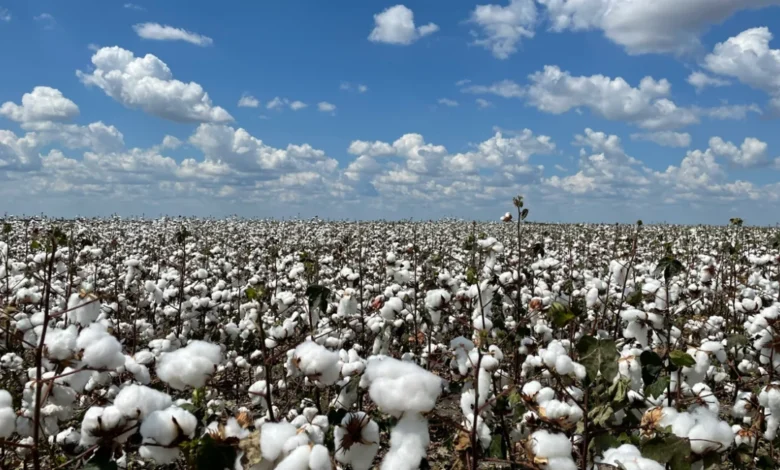
The environmental cost is compounded by the sheer scale of production. Estimates suggest that the world produces over 100 billion garments annually. A significant portion of these items ends up in landfills within a year of purchase. The environmental degradation is not limited to carbon output; it includes the depletion of groundwater for cotton irrigation and the toxic contamination of waterways caused by synthetic chemical dyes. The farm-to-closet approach is a direct response to these systemic failures, proposing a circular and regenerative alternative that seeks to restore rather than deplete natural resources.
Chronology of the Shift Toward Transparency
The movement toward supply chain visibility did not emerge in a vacuum. It is the culmination of decades of pressure from NGOs, consumer advocacy groups, and legislative bodies.
- 2013: The collapse of the Rana Plaza building in Bangladesh served as a global catalyst, highlighting the human cost of opaque, subcontracted supply chains. This tragedy brought the issue of garment worker safety to the forefront of the global conversation.
- 2015–2018: The emergence of the "Fashion Revolution" movement solidified the demand for transparency. Campaigns such as "Who Made My Clothes?" encouraged consumers to hold brands accountable for their labor practices.
- 2020–2022: The COVID-19 pandemic exposed the fragility of globalized supply chains. As factories shuttered and orders were canceled, the vulnerability of both garment workers and the global logistics network became undeniable, accelerating interest in localized, transparent production models.
- 2024–Present: The integration of blockchain and digital product passports (DPPs) has provided the technological backbone for the farm-to-closet philosophy, allowing for verifiable traceability from fiber to retail.
SukkhaCitta and the Regenerative Blueprint
Among the pioneers of this movement is the Indonesian brand SukkhaCitta. The company has distinguished itself by treating the supply chain not as a logistical necessity, but as an ecosystem. By partnering directly with rural farming communities, SukkhaCitta implements regenerative agriculture—a practice that restores soil health and increases biodiversity, as opposed to conventional industrial farming that strips nutrients from the land.
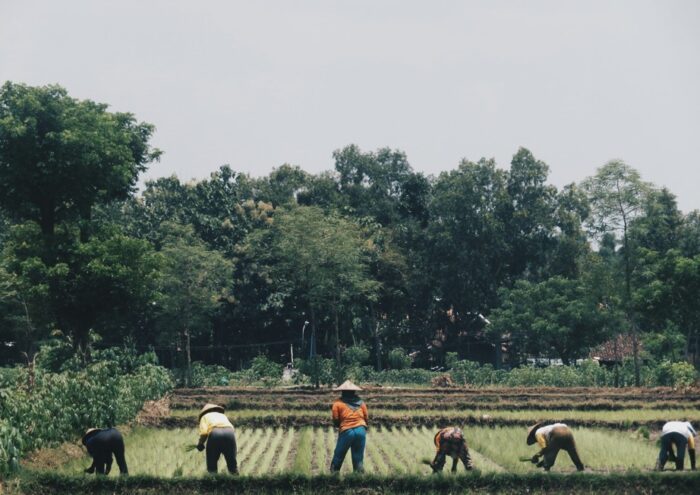
One of the brand’s primary materials is indigo, a crop with deep cultural roots in Indonesia. Unlike the synthetic indigo used in mass-market denim, which is often derived from petroleum and involves toxic chemical reduction, SukkhaCitta utilizes traditional extraction methods. This process is time-intensive, requiring repeated immersion and natural oxidation to achieve the characteristic deep blue hue. By reviving these ancient techniques, the brand ensures that the environmental impact is minimized while simultaneously supporting the local economy.
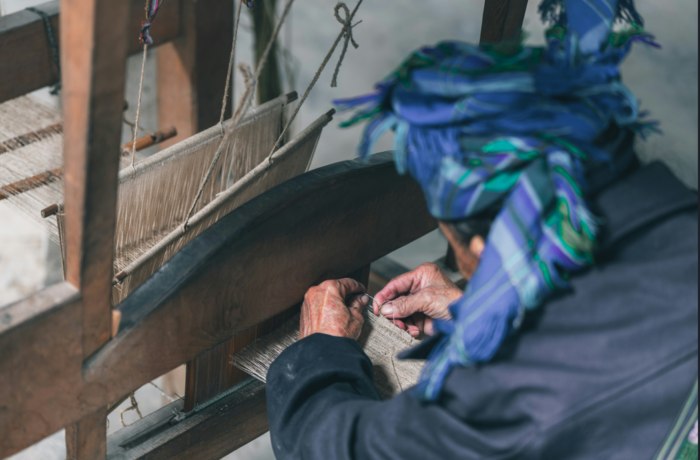
The brand’s operational model serves as a case study for "social impact fashion." By providing fair wages and safe working environments for local weavers and dyers, they are creating a tangible economic uplift for rural populations, particularly women who have historically been marginalized in the industrial labor market.
Economic and Environmental Implications
The transition to a farm-to-closet model presents significant challenges to the traditional retail industry, primarily concerning scalability and price. Mass-market brands have spent decades optimizing their supply chains for extreme cost-efficiency. Implementing a regenerative, transparent system requires a fundamental restructuring of business operations.
From an economic perspective, this model suggests a move toward "slow fashion." Products are priced to reflect their true cost—incorporating fair labor, organic inputs, and the environmental cost of production. While this leads to higher price points for the consumer, it is balanced by the expectation of increased product longevity. The shift is not necessarily about producing less, but about producing better. By investing in higher-quality fibers and timeless designs, consumers can move away from the "buy-and-discard" cycle, effectively reducing the per-use cost of their clothing over time.
Furthermore, the environmental impact is measurable. Regenerative farms act as carbon sinks, sequestering atmospheric CO2 into the soil. When brands source from these farms, they contribute to a net-positive ecological outcome. Water usage is also significantly reduced through the use of natural, biodegradable dyes and rain-fed irrigation systems.
Official Responses and Industry Reactions
Mainstream fashion conglomerates have begun to respond to the growing demand for traceability, albeit at varying speeds. Several major labels have recently published their "tier 1" and "tier 2" supplier lists—a development that would have been unthinkable a decade ago. However, critics argue that true transparency must reach the "tier 4" level: the farmers and the raw material originators.
Industry analysts suggest that the pressure is coming from two directions: regulatory and consumer-driven. The European Union’s proposed regulations on corporate sustainability and due diligence are forcing large brands to map their entire supply chains, legalizing the transparency that pioneers like SukkhaCitta have practiced voluntarily.
"The industry is at a crossroads," says an analyst specializing in sustainable supply chains. "The old model of ‘don’t ask, don’t tell’ regarding labor and materials is becoming a liability. Companies that do not adopt a farm-to-closet approach or a similar level of visibility will likely face significant regulatory and reputational risks in the coming years."
Future Outlook: A Holistic Transformation
The farm-to-closet movement represents more than just a marketing trend; it is a fundamental shift in the philosophy of consumption. As the global population grows and the climate crisis intensifies, the fashion industry can no longer afford to operate in isolation from the natural and human communities that sustain it.
The future of fashion lies in the intersection of tradition and technology. It requires the recovery of indigenous knowledge—such as natural dyeing and organic weaving—and the application of modern data science to track these products from the field to the consumer. This dual approach ensures that the supply chain is not only ethical and environmentally conscious but also economically robust.
Ultimately, the goal is to rebuild the connection between the wearer and the garment. When a consumer understands the history of their shirt—who grew the cotton, who wove the fabric, and what ecological impact the production had—they are more likely to value the item, care for it properly, and keep it in circulation for longer. This behavioral change is the final piece of the puzzle. The industry can build the most sustainable supply chain in the world, but it relies on the consumer to embrace a more thoughtful, intentional approach to their wardrobe.
As we look toward the next decade, the farm-to-closet model is poised to transition from a niche movement to an industry-wide standard. Whether through legislative requirements or the sheer power of consumer preference, the path forward is clear: the fashion industry must return to its roots, honoring the soil and the people who toil upon it. The result will not necessarily be a "slower" or "faster" industry, but a more resilient, transparent, and humane one. The clothes we wear are the stories we tell, and it is time for those stories to begin in the fields, with integrity, from the very first fiber.