How to Achieve Luxuriously Soft, Fluffy Towels Without Relying on the Energy-Intensive Tumble Dryer

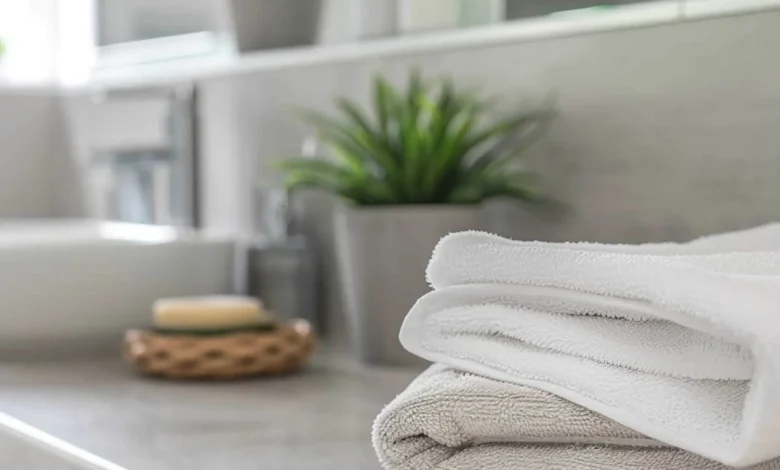
For many households, the promise of luxuriously soft and fluffy towels often comes with a hidden cost: the significant energy consumption of a tumble dryer. As energy prices continue to fluctuate and environmental awareness grows, consumers are increasingly seeking sustainable and economical alternatives to achieve desired laundry results. This article delves into proven methods for maintaining towel softness when air or line-drying, circumventing the need for high-energy appliances and offering a pathway to both financial savings and a reduced carbon footprint.
The High Cost of Convenience: Deconstructing Tumble Dryer Expenses
The tumble dryer, a staple in many modern homes, is undeniably convenient, offering rapid drying regardless of weather conditions. However, this convenience comes at a substantial price, making it one of the most expensive household appliances to operate. A typical tumble dryer consumes approximately 3000 watts (or 3 kilowatts) of electricity per hour. To put this into perspective, with recent energy price caps and prevailing market rates, the operational cost can easily exceed 75p per hour in the United Kingdom. Given that a full drying cycle often extends well beyond an hour, sometimes lasting two to three hours for a substantial load, the cumulative expense can quickly escalate.
For an average household doing two to three loads of laundry per week, with each load requiring a tumble dryer cycle, the annual cost can range from £80 to over £200, depending on usage patterns and specific energy tariffs. This financial burden has become particularly salient amidst the ongoing cost-of-living crisis, where every household expenditure is scrutinised. Energy watchdog organisations and consumer advocacy groups consistently highlight tumble dryers as prime candidates for reduced usage when advising on household energy conservation. Beyond the immediate financial strain, the environmental impact of such high energy consumption is considerable. The electricity used often originates from fossil fuels, contributing to greenhouse gas emissions and accelerating climate change. Shifting away from tumble dryer reliance directly translates into a tangible reduction in a household’s carbon footprint.
A Historical Perspective on Laundry Practices and Modern Shifts
For centuries, air-drying laundry was the only method available. Clotheslines, drying racks, and outdoor spaces were integral to household chores. This traditional approach, while weather-dependent, was inherently energy-efficient and widely accepted. The mid-20th century, however, ushered in an era of technological advancement and convenience, leading to the widespread adoption of domestic appliances, including washing machines and, subsequently, tumble dryers. The perceived benefits of speed, consistency, and softness – attributed to the mechanical tumbling action – cemented the tumble dryer’s place in homes, particularly in regions with less predictable climates.
The late 20th and early 21st centuries saw little challenge to this paradigm, with energy costs remaining relatively stable and environmental concerns less prominent in everyday consumer decisions. However, the past decade, marked by volatile energy markets, geopolitical events impacting fuel supplies, and a heightened global awareness of climate change, has spurred a significant re-evaluation of household energy consumption. What was once a convenience has, for many, become an avoidable luxury. This shift has prompted a renewed interest in traditional, energy-saving methods, with a modern twist – seeking to achieve the "tumble-dried" softness without the associated energy penalty. This societal pivot represents not just an economic response but also a growing cultural embrace of sustainable living.
Understanding the Science of Stiff Towels: The Root Causes
The phenomenon of air-dried towels becoming stiff and unyielding, often described as "crunchy" or "like sandpaper," is not arbitrary but rooted in specific physical and chemical processes. Understanding these mechanisms is key to counteracting them.

-
Detergent Overload and Residue Buildup: Laundry detergents, especially in excess, contain surfactants, enzymes, and polymers designed to lift dirt and stains. When too much detergent is used, or if the rinse cycle is insufficient, these chemicals can fail to fully wash away from the towel fibres. As the towel dries, this residual detergent crystallises within and between the cotton loops, causing them to bind together rigidly. This chemical coating not only results in a harsh texture but also diminishes the towel’s primary function: absorbency. Over time, this buildup can also trap odours, making towels feel less fresh even after washing.
-
The Fabric Conditioner Paradox: Counterintuitively, conventional fabric conditioners, designed to soften fabrics, can be a major culprit in stiffening air-dried towels over time. Most fabric conditioners work by coating the fibres of the laundry with a thin, waxy layer of cationic surfactants. This coating provides an initial feeling of softness by lubricating the fibres and reducing static. However, this layer is designed to be water-resistant to survive the rinse cycle. Repeated application builds up this waxy film, which, paradoxically, reduces the cotton’s natural absorbency. Furthermore, this coating can prevent water and detergent from thoroughly penetrating the fibres in subsequent washes, leading to inadequate cleaning and, crucially for air-drying, inhibiting the fibres from relaxing and moving freely as they dry, resulting in a stiff, compacted feel.
-
The Impact of Rapid Drying and Lack of Agitation: When towels dry quickly and without any mechanical agitation – such as the tumbling action of a dryer or the natural movement caused by wind – the water molecules evaporate rapidly from the fibres. As the water leaves, the individual cotton fibres tend to bond tightly together, forming rigid structures. In a tumble dryer, the constant movement and heat gently separate and fluff the fibres as they dry. Similarly, outdoor line drying benefits from wind agitation. Without these forces, the fibres "set" in a compressed, stiff state, leading to the dreaded cardboard-like texture. This effect is particularly pronounced when towels are dried on a direct heat source like a radiator, where evaporation is intense and localised, and there is no airflow or movement to separate the fibres.
Mastering the Art of Air-Dried Softness: Practical Solutions
Achieving soft, fluffy towels without a tumble dryer is entirely feasible by employing a few strategic adjustments to the laundry routine. These methods focus on preventing the chemical and physical processes that lead to stiffness.
-
Precision in Detergent Use: The first and most crucial step is to re-evaluate detergent quantities. Conventional wisdom often suggests using the recommended amount on the packaging, but for towels, this is often excessive. Reducing the detergent to half or even a third of the standard amount is highly effective. Towels, unlike heavily soiled garments, primarily accumulate dead skin cells and body oils, which do not require a strong chemical assault. Using less detergent minimises the risk of residue buildup, allowing fibres to remain open and absorbent. Even with reduced detergent, towels will emerge clean and fresh. For towels already suffering from significant detergent or fabric conditioner buildup, a "laundry stripping" treatment is recommended. This involves running them through a hot wash cycle with approximately 250 ml of white vinegar in place of detergent. The acetic acid in the vinegar effectively dissolves and strips away accumulated residue, helping to restore the towel’s natural softness and absorbency. This process can be repeated periodically to maintain fibre health.
-
Embracing White Vinegar as a Natural Softener: Dispensing with conventional fabric conditioner is vital for long-term towel softness. In its place, white vinegar emerges as an invaluable, natural alternative. By filling the fabric conditioner dispenser of the washing machine with white vinegar (typically 60-120 ml), the washing machine releases it during the final rinse cycle. The acetic acid in white vinegar acts as a mild acid that effectively breaks down any lingering alkaline detergent residue and mineral deposits, particularly prevalent in hard water areas. This action naturally softens the fibres by helping them relax and separate. A common concern is whether towels will smell like vinegar; however, the scent completely dissipates as the towels dry, leaving them fresh and odour-free. Many users, initially sceptical, report being quickly converted by its undeniable efficacy.
-
The Power of Physical Agitation: Shake, Rattle, and Rub: The mechanical action of a tumble dryer is crucial for fluffing towels. This agitation can be replicated manually.
- Pre-Drying Shake: Immediately after removing towels from the washing machine, before hanging them, hold each towel by one short edge and give it a vigorous shake, four to five times. Then, swap to the other short edge and repeat. This forceful motion helps to loosen and separate the tightly compressed fibres, preventing them from bonding together as they dry.
- Post-Drying Shake and Rub: Once completely dry, another vigorous shake can help release any remaining stiffness. Further enhancing this, a technique shared by experienced homemakers involves holding a dry towel aloft and vigorously rubbing one half against the other. Then, the towel is turned over, and the process is repeated. This friction creates further separation and aeration of the fibres, mimicking the effect of a brief tumble. These simple physical actions are remarkably effective at restoring pliability and softness.
-
Optimizing the Drying Environment: The Radiator Riddle and Beyond: The choice of drying location and method significantly impacts towel texture.
- Avoiding Radiators: Drying towels directly on radiators is counterproductive to achieving softness. The intense, localised heat and complete lack of air circulation or agitation cause the fibres to dry too quickly and tightly bond together, resulting in a stiff, "cardboard" texture. Moreover, drying clothes on radiators can increase indoor humidity, potentially leading to condensation and mould issues, and it can also make the radiator less efficient at heating the room.
- Optimal Air Drying: The ideal scenario is outdoor line drying, where natural wind provides gentle agitation and excellent airflow, promoting even drying and fibre separation. If outdoor drying is not feasible, an indoor clotheshorse or drying rack is the next best option. Ensure towels are hung with adequate space between them to allow for maximum air circulation. Turning towels periodically can also promote more even drying and prevent one side from becoming overly stiff. Good ventilation in the drying room (e.g., opening a window slightly, using a dehumidifier) is crucial to manage humidity and speed up the drying process without resorting to high heat.
When All Else Fails: The Strategic Short Tumble

Even with meticulous air-drying practices, some individuals may find their towels are not quite reaching the desired level of softness. In such cases, a brief, strategic use of the tumble dryer can provide the final touch without incurring significant energy costs. After towels are completely air-dried, pop them into the tumble dryer for a short cycle of 5 to 10 minutes on a low or medium heat setting. This brief burst of tumbling action is sufficient to loosen up any remaining stiff fibres and infuse them with air, creating that characteristic fluffy feel.
To enhance this process and further boost energy efficiency, incorporating wool dryer balls is highly recommended. These natural balls agitate the laundry, physically separating fibres, reducing static, and often speeding up the drying process. In a short 5-10 minute cycle, they act as a natural softener, further activating the fibres and distributing warmth evenly, leading to a noticeable improvement in softness and fluffiness without the need for a full, energy-intensive drying cycle. This method represents a compromise that delivers results while still adhering to principles of energy conservation.
Broader Implications: Financial, Environmental, and Textile Longevity
Adopting these energy-saving laundry practices extends beyond merely achieving soft towels. The financial implications for households are significant, potentially saving hundreds of pounds annually that would otherwise be spent on tumble dryer electricity. This reallocation of funds can alleviate financial pressure, particularly for families navigating challenging economic conditions.
Environmentally, the collective impact of households reducing tumble dryer usage is substantial. Lower electricity consumption translates directly to a reduction in carbon emissions, contributing to national and global efforts to combat climate change. Embracing air-drying methods aligns with broader sustainability goals, promoting responsible resource use and lessening reliance on energy-intensive technologies.
Furthermore, proper washing and drying techniques can significantly extend the lifespan of towels and other textiles. Avoiding harsh chemicals, excessive heat, and abrasive drying conditions helps preserve fibre integrity, colour, and overall fabric quality. This longevity reduces the frequency of replacements, further contributing to both household savings and environmental benefits by decreasing textile waste.
Expert Consensus and Consumer Empowerment
Energy efficiency experts and environmental organisations consistently advocate for reduced reliance on high-energy appliances like tumble dryers. Their advice often centres on simple, behavioural changes that collectively yield substantial benefits. Consumer groups empower individuals by providing practical tips and cost comparisons, reinforcing the notion that small adjustments in daily routines can lead to significant savings and a more sustainable lifestyle. The shift towards conscious consumption, driven by both economic necessity and environmental imperative, is transforming how households approach routine chores. By understanding the science behind laundry and implementing these proven strategies, consumers can enjoy the luxury of soft, fluffy towels while simultaneously contributing to a more sustainable and financially prudent household.
In conclusion, the quest for soft towels need not be synonymous with high energy bills or environmental guilt. By adopting a mindful approach to washing and drying – reducing detergent, utilising white vinegar, employing physical agitation, and optimising the drying environment – households can achieve excellent results. These methods offer a practical, economical, and environmentally responsible pathway to enjoying luxuriously soft towels, proving that sometimes, the simplest solutions are the most effective.