Archroma wins 2026 ICIS Innovation Award for groundbreaking FiberColors textile technology

Archroma, a global leader in specialty chemicals for sustainable solutions, has been honored with the prestigious 2026 ICIS Innovation Award for Best Product Innovation from a Large Company. The recognition highlights the company’s development of FiberColors, a revolutionary line of high-performance sulphur dyes synthesized entirely from pre-consumer wool waste. This accolade serves as a landmark moment for the textile industry, signaling a significant shift away from petroleum-dependent manufacturing toward circular, bio-based chemical processes.
The award, presented by the Independent Chemical Information Service (ICIS), celebrates organizations that demonstrate exceptional commitment to sustainability, technical ingenuity, and the ability to scale solutions that address the climate crisis. FiberColors emerged as a standout candidate due to its dual benefit: it simultaneously provides a high-quality alternative to conventional chemical dyes while mitigating the environmental and economic burden of wool waste for the agricultural sector.
The Science of Circularity: Transforming Waste into Value
At the core of the FiberColors innovation is a sophisticated chemical synthesis process that builds upon Archroma’s legacy of bio-based feedstock substitution. The company previously made waves in the industry with its patented EarthColors technology, which converted plant residues—such as agricultural waste from the herbal and food industries—into pigment dyes. With FiberColors, Archroma has successfully pivoted that technology to address the specific challenges associated with coarse, non-commercial wool.
The process involves utilizing a minimum of 50% wool waste as the primary feedstock. Through a proprietary chemical synthesis, this waste is converted into high-performance sulphur dyes that match the color fastness, durability, and application versatility of traditional petroleum-derived sulfur dyes. Crucially, the manufacturing process maintains the same environmental profile as conventional dyes, ensuring that there is no net increase in water or energy consumption, nor any additional waste generation during the synthesis phase.
From an industrial efficiency standpoint, the ratio is compelling: Archroma can synthesize approximately 10 kilograms of liquid FiberColors dye from a single kilogram of raw wool waste. This efficiency makes the product not only environmentally superior but also commercially viable for large-scale textile mills and garment manufacturers.
A Chronology of Innovation and Sustainability
The trajectory of this technology is rooted in a long-standing commitment to sustainable chemistry at Archroma’s production facility in Castellbisbal, Spain. For over four decades, the plant has served as a global hub for the evolution of sulphur dye technology.

- 1980s – Early 2010s: The Castellbisbal facility establishes itself as a global leader in high-performance sulphur dyeing, refining processes for efficiency and environmental safety.
- 2017: Archroma launches EarthColors, a pioneering project that introduced the concept of bio-based feedstock substitution using plant residue. This technology gained significant traction, eventually being adopted by over 50 global brands, including Ralph Lauren, G-Star RAW, Kathmandu, Esprit, and Ugg.
- 2023 – 2024: Research and development teams focus on expanding the EarthColors concept to animal-based waste, identifying the growing global issue of excess, non-commercial wool.
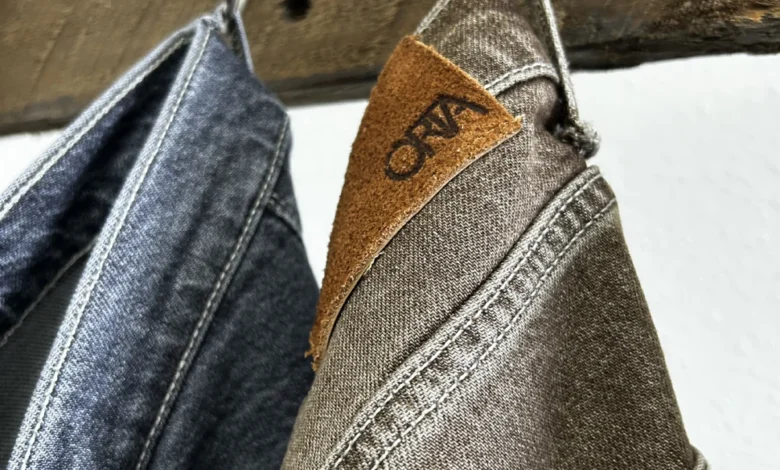
- April 2026: Turkish denim manufacturer Orta Anadolu unveils the first commercial collection utilizing FiberColors, showcasing the dyes’ application in high-fashion denim.
- September 2026: Archroma receives the ICIS Innovation Award, cementing the technology as a benchmark for the industry.
Addressing the Wool Waste Crisis
The environmental impetus for FiberColors is found in the massive, often overlooked, surplus of wool. Globally, sheep farming produces significant volumes of wool that are deemed "non-commercial" due to texture, color, or fiber length. These fleeces are frequently discarded, leading to significant disposal costs for farmers.
In Europe alone, the annual production of wool reaches roughly 200 million kilograms, yet nearly 75% of this volume is considered waste. By redirecting this material into the dye manufacturing stream, Archroma effectively turns a liability into a high-value industrial input. This "upcycling" model provides a tangible revenue stream for sheep farmers while offering brands a fully traceable and highly marketable sustainability story.
Industrial Applications and Compliance
FiberColors is designed to be a "drop-in" solution for existing mill infrastructure. The dyes are compatible with a variety of standard application processes, including exhaust dyeing, continuous dyeing, and textile printing. The technology is particularly suited for cellulosic fibers—such as cotton, viscose, linen, bamboo, and kapok—as well as wool itself.
The palette produced by FiberColors is designed for versatility, offering warm, earthy tones that align with modern consumer preferences for sustainable fashion. From heavy-duty denim and chinos to lightweight T-shirts and home textiles, the range is comprehensive. Furthermore, Archroma has ensured that the product meets the most stringent international standards for chemical safety and environmental responsibility. FiberColors is fully compliant with bluesign criteria, carries GOTS (Global Organic Textile Standard) approval, and is listed on the ZDHC (Zero Discharge of Hazardous Chemicals) Gateway with Conformance Level 3, the highest level of assurance.
Expert Perspective: Bridging the Gap Between Scale and Sustainability
Julio Perales, the technical and product segment manager for denim at Archroma, emphasizes that the primary achievement of FiberColors is its scalability. "Archroma has led the evolution of sulphur dyeing for over a century by advancing what’s technically possible and proving it can pay for itself," Perales noted following the award announcement. "FiberColors is that approach in practice—using an agricultural waste output with high disposal costs to replace a petroleum-based input and produce a dye that performs at scale for mills and brands."
The partnership with Orta Anadolu, a premium Turkish denim manufacturer, has been instrumental in validating the technology. Orta’s early adoption of the dyes demonstrates that the transition to circular chemistry does not require a compromise in aesthetic quality or market appeal. By integrating these dyes into their collections, Orta has provided a real-world case study for other manufacturers on how to reconcile the demands of fast-moving fashion with the necessity of ecological stewardship.
Broader Implications for the Chemical Industry
The success of FiberColors carries profound implications for the chemical and textile sectors. As global regulatory bodies—such as those within the European Union—tighten restrictions on petroleum-based chemicals and move toward mandatory circularity reporting, innovations like FiberColors offer a clear pathway for compliance.

By demonstrating that high-performance chemicals can be derived from waste streams, Archroma is effectively decoupling industrial growth from the extraction of virgin fossil fuels. This model of "circular chemistry" is likely to become the standard for the next decade of textile production. The ICIS award serves as a signal to the broader industry that the era of linear, resource-intensive dyeing is waning.
Furthermore, the integration of FiberColors into the supply chains of major global brands suggests that transparency and traceability are becoming non-negotiable aspects of product development. As brands face increased scrutiny regarding their environmental impact, the ability to source a dye that is both a byproduct of an agricultural waste stream and fully certified by independent bodies provides a significant competitive advantage.
Looking Toward the Future
As Archroma moves forward, the success of the FiberColors platform will likely catalyze further research into other forms of biological waste. If the current model—converting 10kg of product from 1kg of waste—can be replicated with other organic materials, the potential for a "bio-refinery" approach to textile chemicals is vast.
For now, the 2026 ICIS Innovation Award stands as a testament to the fact that sustainability is no longer a peripheral concern for the chemical industry. It is a central driver of innovation, economic efficiency, and technical excellence. With the industry moving toward a post-petroleum future, the work being done in labs like those in Castellbisbal is not just modifying a manufacturing process; it is fundamentally rewriting the relationship between human industry and the natural world.
The adoption of FiberColors by manufacturers and its recognition by industry experts confirm that the textile sector is entering a new phase of development. One where waste is no longer an end-of-life problem to be managed, but the beginning of a new, sustainable value chain.