Tranoi Tokyo Returns to Yoyogi National Stadium for Fifth Edition Featuring Landmark Denim Premiére Vision Debut

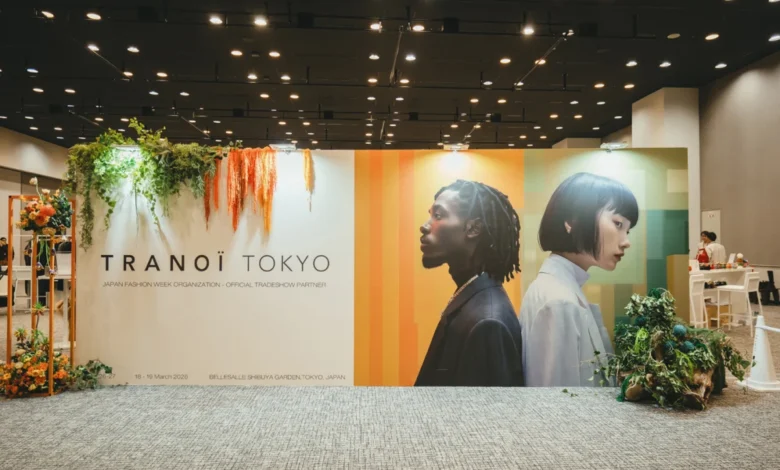
Two years after its inaugural launch in 2024, Tranoi Tokyo has firmly cemented its status as a critical bridge between European design sensibilities and the sophisticated Japanese fashion market. As the event returns to the iconic Yoyogi National Stadium on September 9-10, 2026, for its fifth iteration, the scale and scope of the exhibition have evolved significantly. With approximately 200 brands representing more than 25 countries, the gathering serves as a barometer for global fashion trends, manufacturing innovation, and the shifting dynamics of international luxury retail.
A Strategic Evolution in Fashion Trade
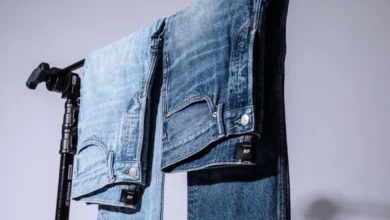
The 2026 edition is distinguished by the arrival of Denim Premiére Vision, which is staging its first-ever Japanese presentation within the Tranoi framework. This move is not merely a logistical expansion but a strategic alignment that brings high-end denim manufacturers into direct dialogue with international fashion designers. By integrating the technical expertise of the denim sector with the creative vision of Tranoi’s apparel designers, organizers are fostering a collaborative ecosystem that prioritizes sustainable production and high-value manufacturing.
The inclusion of the Denim Premiére Vision preview reflects a broader industry trend toward supply chain transparency and the shortening of lead times between fabric innovation and retail consumption. By co-locating these events, Tranoi is effectively reducing the friction between the mill and the atelier, providing designers with immediate access to technical advancements in textile durability, sustainable dyeing processes, and fiber recycling.
Chronology of Tranoi Tokyo: A Two-Year Growth Trajectory
The rapid expansion of Tranoi Tokyo since 2024 offers a unique study in post-pandemic trade show evolution.
- 2024 (Launch Phase): The initial event focused on establishing a footprint in Tokyo, prioritizing the introduction of European labels to Japanese buyers and department store representatives.
- 2025 (Consolidation Phase): The event expanded its cultural programming, incorporating more industry talks and partnerships with local Japanese institutions to deepen the connection with the domestic market.
- 2026 (Expansion Phase): The current edition marks the integration of specialized material trade shows, the inauguration of runway presentations, and the celebration of institutional milestones like the 50th anniversary of Beams.
This progression suggests a deliberate strategy to shift the event from a static showroom model to a dynamic, multi-disciplinary cultural hub that appeals to both industry professionals and the broader fashion-conscious public.
Technical Expertise and the Romanian Runway Showcase
A central highlight of the current edition is the event’s inaugural runway show, which showcases a curated selection of nine Romanian designers alongside Bangladesh-based Pioneer Denim. This collaboration serves as a case study in how emerging national design identities can leverage existing technical manufacturing strengths to gain international recognition.

The Romanian contingent has been a consistent participant, appearing for the fourth time in the event’s short history. Their presence is designed to highlight the intersection of traditional craftsmanship—a hallmark of Romanian textile heritage—and modern design aesthetics. By utilizing the runway format, these designers are positioning themselves not just as apparel creators, but as entities capable of executing complex technical briefs.
Pioneer Denim’s role in this showcase provides the material foundation for these creative efforts. As a vertically integrated manufacturer, the company represents the cutting edge of sustainable denim production. Their focus on R&D, specifically regarding environmental impact, aligns with the global industry’s mandate to reach net-zero targets. The facility’s LEED Platinum certification is frequently cited by industry analysts as a benchmark for the level of commitment required to remain competitive in the premium denim market.
Industry Discourse: The Future of Cultural Influence
The programming for the 2026 edition includes a series of high-level discussions aimed at dissecting the mechanisms of influence in the global fashion economy. The session, When Japan became a style, scheduled for September 9, features industry stalwarts such as Maurizio Donadi of Transnomadica, Sue Barrett of Denim Forum, and Hirofumi Kurino of United Arrows.
The discourse is expected to delve into the historical exchange between Japanese design philosophies and Western fashion. Analysis of this topic suggests that the "Japan-as-style" phenomenon is no longer a peripheral influence but a foundational element of contemporary luxury. The panel will likely explore how Japanese minimalism, technical fabric development, and attention to detail have forced a global reassessment of what constitutes "quality" in the 21st century.
The following day’s panel, How do we know what’s cool?, will feature insights from Amy Leverton, Kaname Murakami, and Alex Thumerelle. This discussion addresses the democratization of taste. With the erosion of traditional media gatekeepers, the panel will examine how social media, street-level subcultures, and decentralized communities now dictate market trends. For brands participating in Tranoi, these insights are actionable; they provide a roadmap for navigating the volatile "hype cycle" that currently defines the retail landscape.
Celebrating Institutional Heritage: The Beams Collaboration
The 50th anniversary of the Japanese retail giant Beams is given significant prominence at the event. Through a series of partnerships with Paris-based 0fr, the collaboration highlights the enduring power of retail institutions to act as curators of culture.
The partnership involving photographer Takashi Homma is particularly noteworthy. By connecting the aesthetic history of the magazine Purple with the retail reach of International Gallery Beams, the project emphasizes the importance of visual narratives in product marketing. The creation of a special commemorative product line, featuring an anniversary logo hand-drawn by Alex Thumerelle, serves as a masterclass in limited-edition retail strategy, a segment that continues to perform strongly despite broader economic headwinds.

Broader Implications for the Global Textile Market
The integration of diverse artistic and manufacturing elements at Tranoi Tokyo points to a shift in how trade events function. The presence of Leblon Delienne, the French sculpture studio, which brings iconic pop-culture figures into the realm of luxury furniture and art, highlights that the "fashion" category is expanding to include lifestyle, interior design, and collectible art.
From an economic perspective, the concentration of approximately 200 brands in Tokyo provides a vital platform for foreign firms looking to penetrate the Japanese market, which remains one of the world’s most discerning and loyal consumer bases. Analysts note that for European and North American brands, a successful showing at Tranoi Tokyo is often the prerequisite for securing long-term distribution agreements in Asia.
Furthermore, the emphasis on recycled denim, archival research, and material heritage underscores a pivot toward circularity. Projects like the collaboration between Cahu and Ryoji Yamasawa, which repurpose discarded materials into functional accessories, are no longer viewed as experimental side projects. Instead, they are increasingly seen as the future of the industry, where sustainability is woven into the very fabric of product development.
Conclusion: A Hub for Future-Proofing
As Tranoi Tokyo concludes its fifth edition, the event’s trajectory suggests that the future of fashion trade lies in the convergence of manufacturing innovation, cultural storytelling, and cross-border collaboration. By maintaining a focus on the specific needs of the Japanese market while providing a platform for international technical experts like Pioneer Denim, the event has successfully carved out a niche that is both commercially viable and culturally relevant.
The success of this year’s edition will likely influence how other major fashion capitals approach their own trade exhibitions. As the industry grapples with the dual pressures of economic uncertainty and environmental responsibility, the ability of events like Tranoi to facilitate meaningful, high-level connections will remain the primary metric of their success. The 2026 gathering has not only celebrated the milestones of established retailers like Beams but has also set a clear agenda for the coming years: that the future of fashion is collaborative, technically sophisticated, and deeply rooted in the preservation of cultural craftsmanship.