Astier de Villatte Opens a Fragrance and Papeterie Boutique in Paris

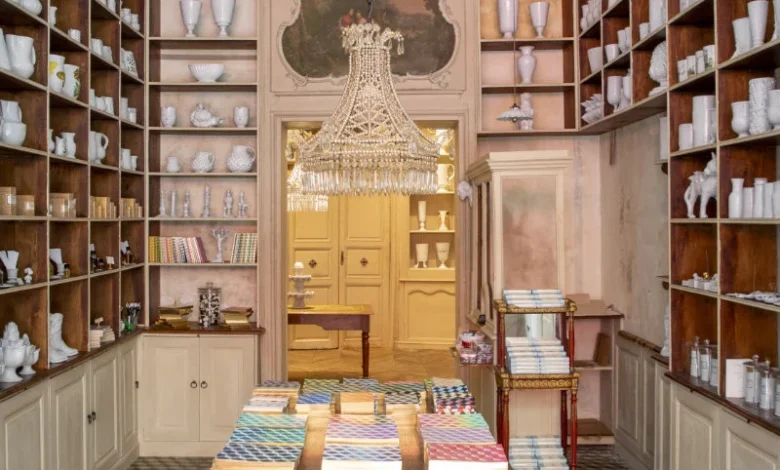
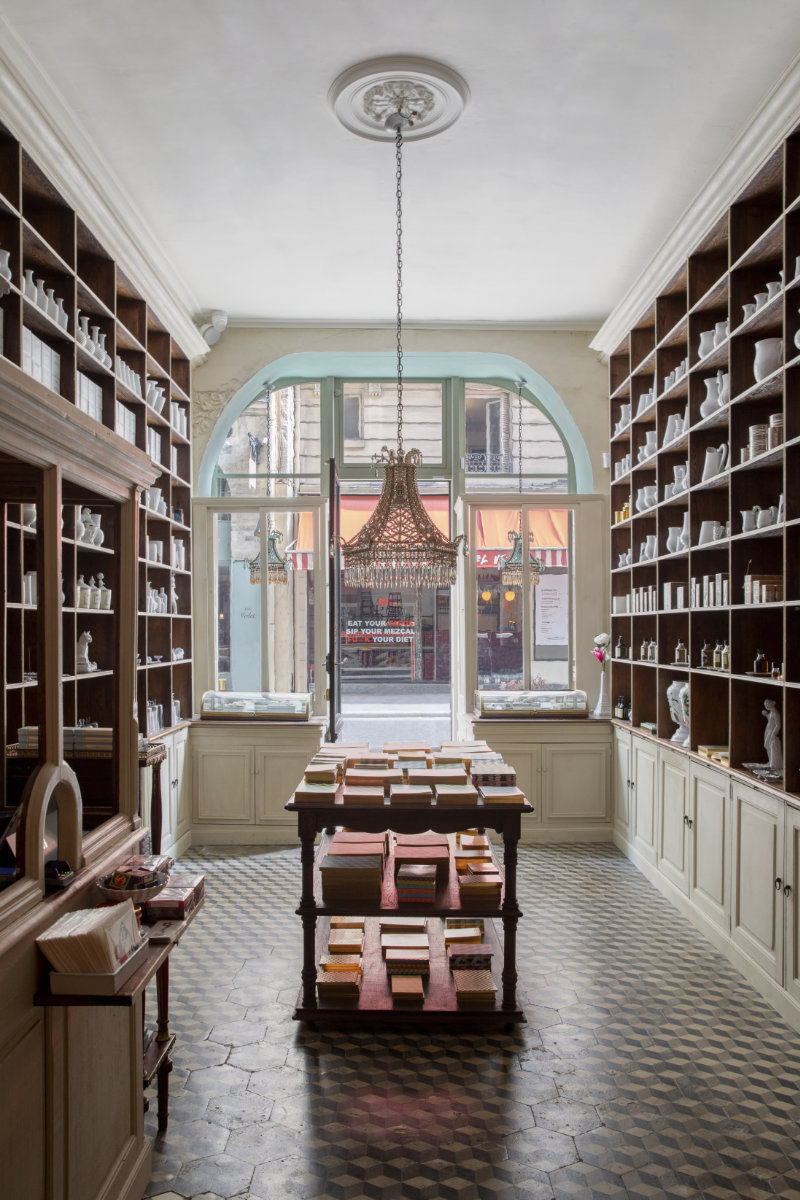
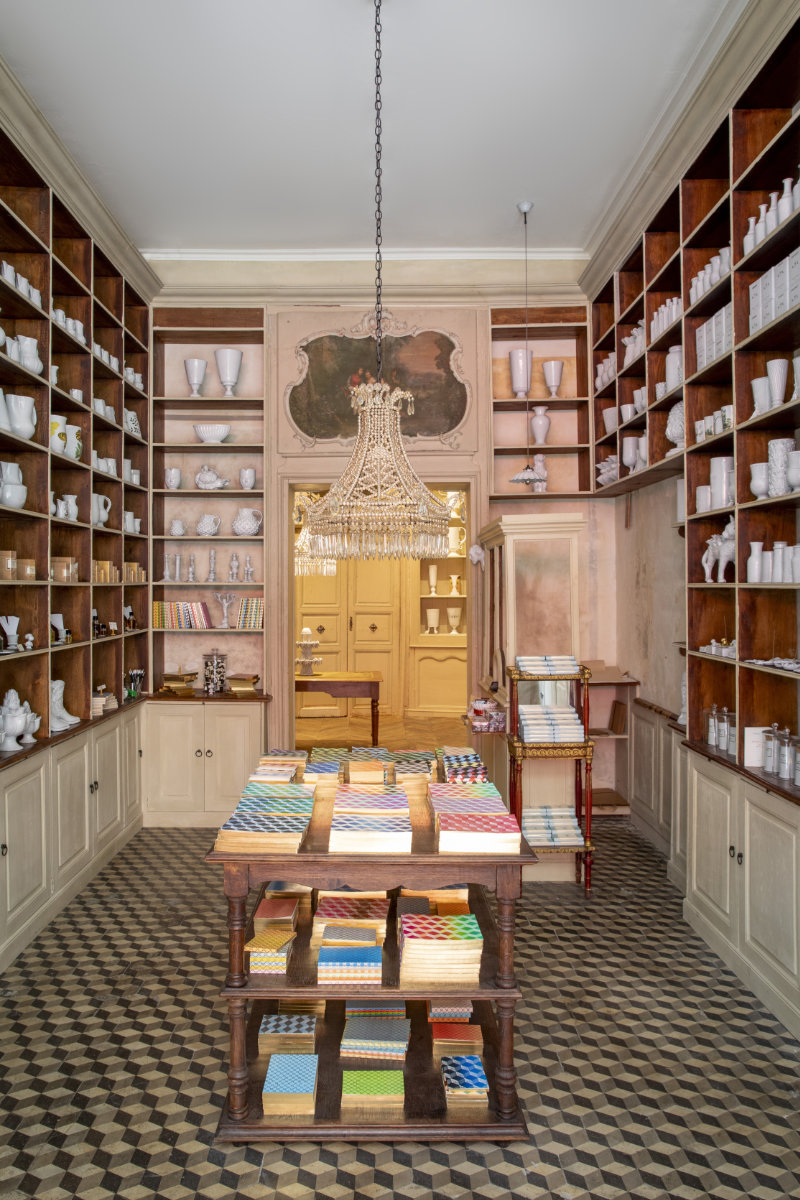
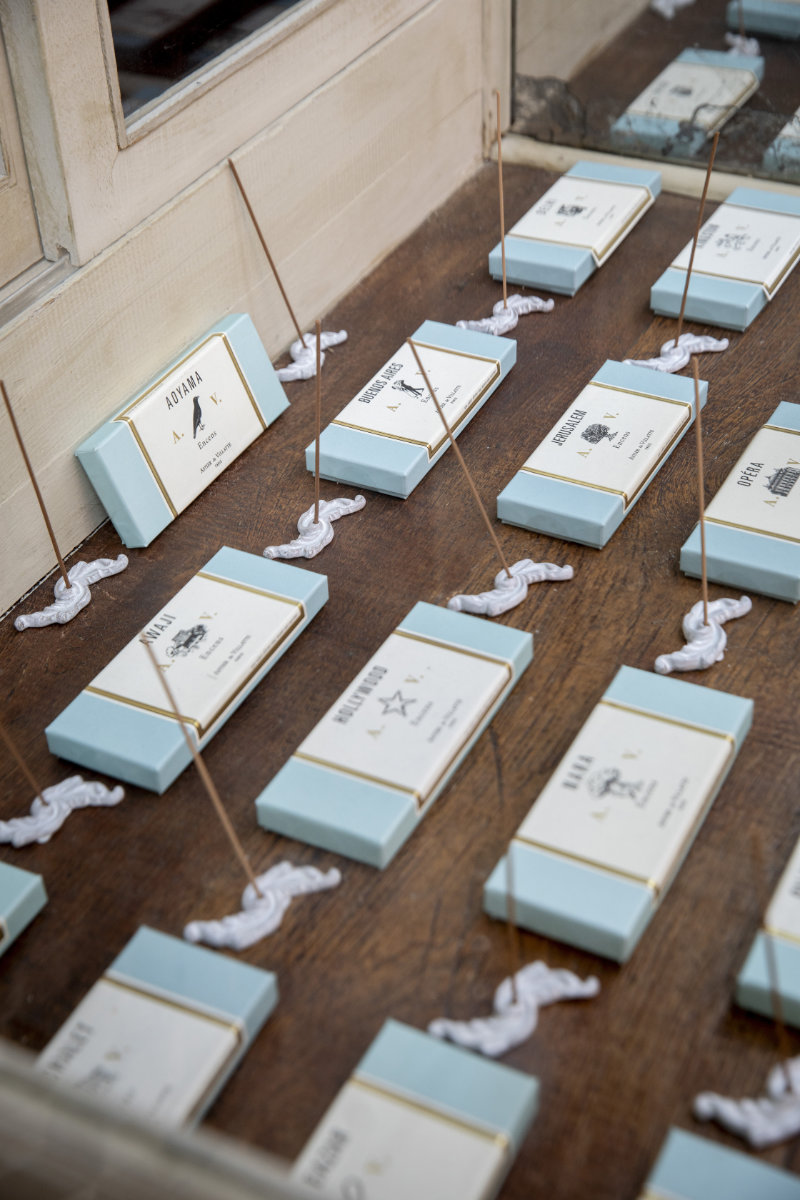
The storied Parisian maison Astier de Villatte, renowned for its distinctively handcrafted ceramics and artisanal lifestyle goods, has officially expanded its retail footprint in the French capital. The brand has inaugurated a new, dedicated boutique located at 171 Rue Saint-Honoré, situated just two doors away from its long-standing historic flagship. This strategic expansion marks a significant moment for the brand, consolidating its olfactory and stationary divisions into a cohesive, immersive space that mirrors the maison’s commitment to traditional craftsmanship and poetic design.
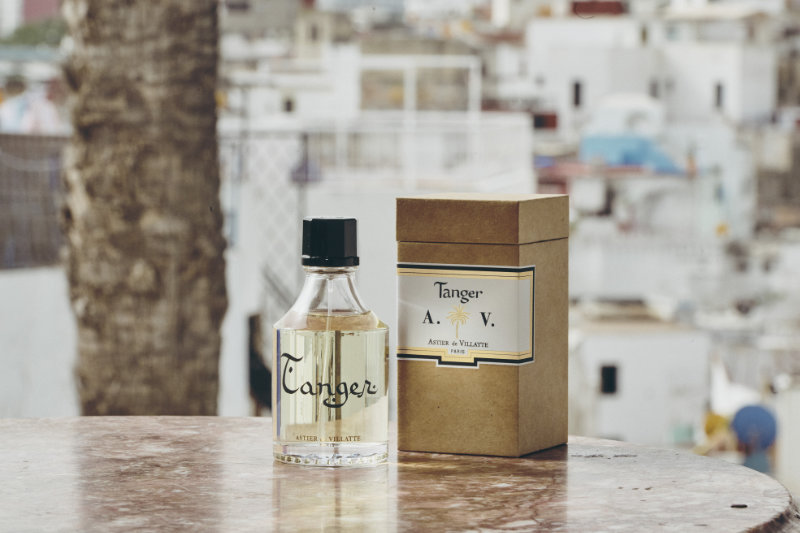
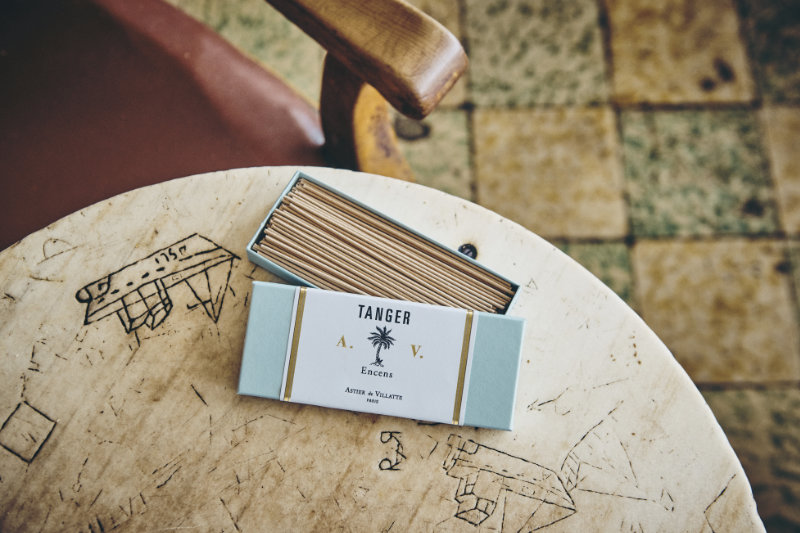
The opening of this boutique coincides with the September 10, 2024, release of Tanger, the latest addition to the brand’s acclaimed Destination perfume collection. By situating the fragrance and papeterie collections in a distinct, purpose-built environment, Astier de Villatte is signaling a shift toward specialized consumer experiences, separating its utilitarian ceramic homeware from the ephemeral, sensory world of its scents and paper goods.
The Evolution of the Destination Collection
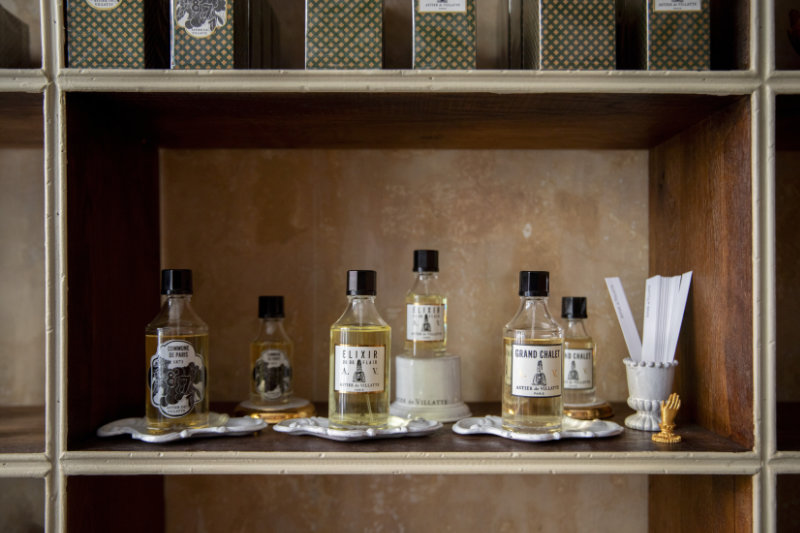
The Destination line, introduced as an ambitious project in 2024, serves as a sensory map for the global traveler. Each fragrance is meticulously engineered to encapsulate the atmospheric essence of a specific geographic location. This conceptual approach to perfumery draws on the tradition of olfactive storytelling, where scent serves as a primary vessel for memory and place.
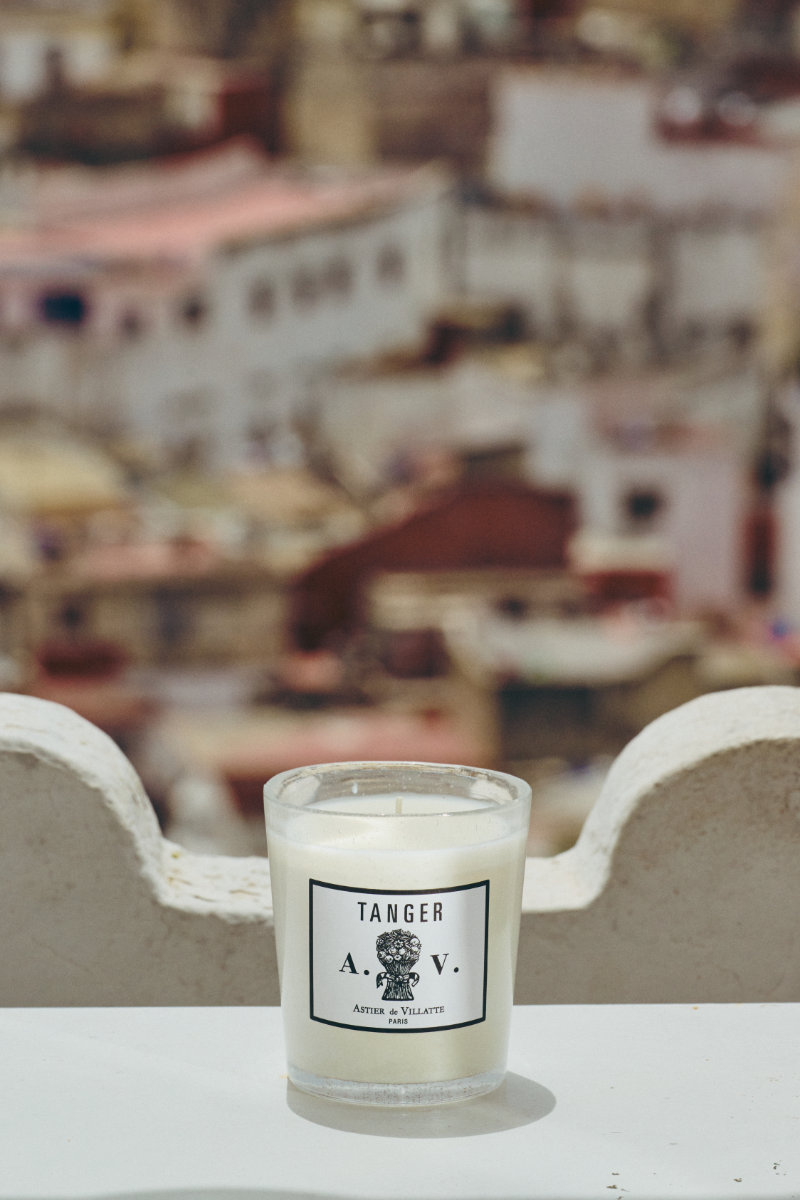
Tanger, the most recent chapter in this ongoing series, is an homage to the botanical gardens of Tangier, Morocco. The composition is a complex, multi-layered tribute to the region’s biodiversity. The scent profile opens with bright, sharp top notes of bergamot and mandarin, which quickly settle into a heart of neroli and orange blossom—a nod to the ubiquitous bitter orange and lemon trees that define the Tangier landscape. The dry-down is anchored by the earthy, grounding qualities of maté and musk, providing a structural depth that prevents the fragrance from being merely a simple citrus floral.
The creation of such scents involves a rigorous collaboration between the brand’s creative directors and master perfumers, who prioritize raw materials over synthetic mass-market alternatives. This focus on high-quality ingredients is consistent with the maison’s broader business philosophy, which emphasizes the longevity and character of goods over the fleeting nature of industrial production.
A Chronology of Expansion
Astier de Villatte’s presence on the Rue Saint-Honoré has been a hallmark of the brand’s identity for years, serving as a pilgrimage site for collectors of their signature white-enamel terracotta. The decision to open a secondary location adjacent to the original is not merely a logistical necessity to accommodate growth, but a curated extension of the brand’s aesthetic universe.
- Historic Foundation: Established in 1996 by Ivan Pericoli and Benoît Astier de Villatte, the maison initially gained international acclaim for its unique ceramics, which are handmade in a Parisian workshop using centuries-old techniques.
- Diversification Phase: Over the last decade, the brand successfully diversified into the fragrance market, collaborating with some of the world’s leading "noses" to create candles and eaux de parfum that possess the same artisanal gravitas as their pottery.
- 2024 Strategic Shift: With the launch of the Destination series, the brand solidified its move into experiential retail. The establishment of the 171 Rue Saint-Honoré boutique in September 2024 serves as the physical manifestation of this diversification.
- Future Outlook: Industry analysts suggest that by centralizing their fragrance and papeterie offerings, Astier de Villatte is preparing to capture a larger share of the luxury gifting market, which has seen a marked increase in demand for "story-driven" artisanal products.
The Intersection of Craft and Commerce
The choice of location on Rue Saint-Honoré is highly deliberate. Situated in the 1st arrondissement, the street remains one of Paris’s most significant retail corridors, balancing high-fashion luxury with historic cultural landmarks. By maintaining the new boutique in such close proximity to the original, the brand preserves the "neighborhood" feel of its retail operation while simultaneously scaling its capacity to serve an increasing volume of international clientele.
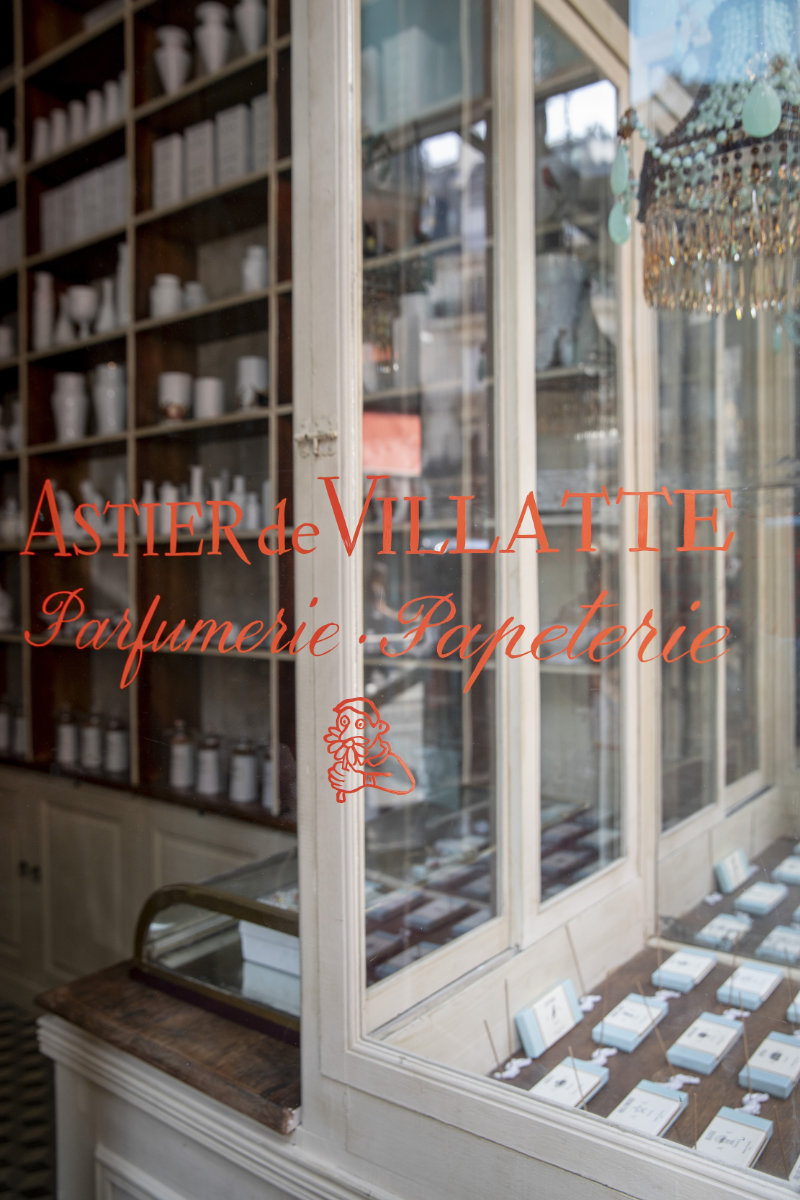
The interior design of the new space reflects the brand’s signature "unfinished" aesthetic—a deliberate choice that highlights the beauty of raw materials. The juxtaposition of delicate paper goods against the backdrop of industrial, minimalist shelving creates an environment that feels both antique and forward-thinking. This design language is consistent across all brand touchpoints, ensuring that whether a customer is purchasing a notebook or a signature ceramic bowl, the brand identity remains consistent.
Market Implications and Industry Context
The luxury fragrance market has experienced a significant shift toward "niche" and "artisan" labels in recent years. Data from industry researchers indicates that consumers are increasingly moving away from mass-produced scents in favor of brands that offer a transparent narrative, high-quality natural ingredients, and a distinctive visual identity. Astier de Villatte’s success in this sector is a direct result of this trend.
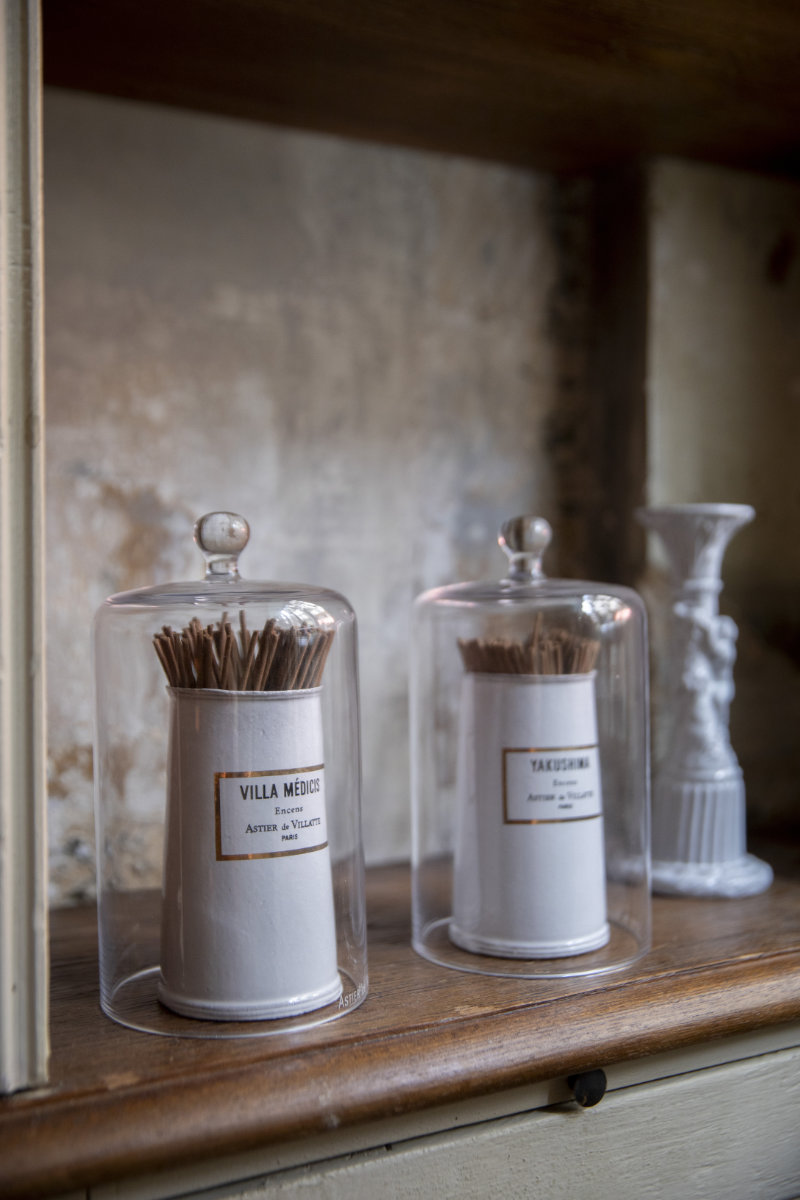
The decision to pair fragrance with stationery is a strategic move that taps into the "slow living" movement. Stationery, much like perfume, is an analog experience in an increasingly digital world. By grouping these two categories, the brand is positioning itself as a purveyor of "rituals"—the ritual of writing, the ritual of scenting a home, and the ritual of gathering around a table with fine ceramics.

Market observers have noted that this expansion allows the brand to bypass the traditional department store model, which often strips products of their context. By controlling their own retail environment, Astier de Villatte maintains total authority over how their products are presented, from the specific lighting of the boutique to the olfactory experience of the interior.
Official Perspectives and Brand Philosophy
While the founders of Astier de Villatte have historically been reserved in their public communications, preferring to let the objects speak for themselves, the brand’s recent growth strategy underscores a quiet confidence in their business model. The emphasis on the "Destination" concept reflects a broader commitment to cultural exchange and the appreciation of global landscapes.
"The goal is not simply to sell a product, but to transport the user," a sentiment echoed in the brand’s marketing materials for the Destination line. By grounding their products in specific geographic realities—such as the gardens of Tangier—they create a sense of place that transcends the transactional nature of retail.

Broader Impact on the Rue Saint-Honoré Corridor
The addition of this boutique reinforces the Rue Saint-Honoré as a bastion for artisanal excellence. In an era where many historic streets are becoming dominated by large-scale conglomerate holdings, the survival and growth of a brand like Astier de Villatte serves as a critical indicator of the resilience of the independent luxury sector.

The opening also provides a blueprint for other heritage brands looking to expand without compromising their integrity. By focusing on complementary product categories—in this case, items that evoke a tactile and sensory lifestyle—Astier de Villatte has successfully expanded its revenue streams while deepening its relationship with its core customer base.

Concluding Analysis
The opening of the new boutique at 171 Rue Saint-Honoré is a calculated step forward for Astier de Villatte. It validates the brand’s transition from a specialized ceramic studio to a comprehensive lifestyle maison. As the Destination collection continues to grow, and as the brand deepens its expertise in the luxury fragrance market, the new boutique will likely serve as the primary hub for its most intimate and sensory-driven offerings.
For the consumer, the space represents a sanctuary from the rapid pace of modern retail. For the brand, it is a statement of intent: that in an age of mass production, there is still a significant and growing appetite for items that are crafted with patience, inspired by the world at large, and presented with a profound respect for tradition. As the maison looks toward the future, the integration of scent and stationery within this new Parisian landmark suggests a brand that is as focused on the preservation of the past as it is on the creation of a sophisticated, modern lifestyle.