Kelli Donovan: Pioneering Ethical Fashion Through Nature and Ancestral Wisdom

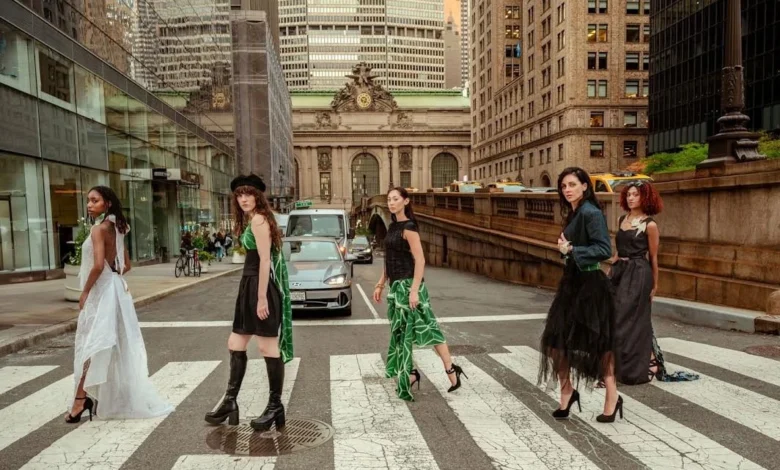
The global fashion industry is currently responsible for approximately 8% to 10% of total global carbon emissions, a staggering figure that has prompted a necessary paradigm shift among independent designers. Among those leading the charge toward a circular and sustainable future is Australian designer Kelli Donovan. With a career spanning three decades, Donovan has moved beyond traditional manufacturing methods, favoring a model rooted in environmental stewardship, zero-waste design, and the preservation of artisanal craftsmanship. Her work, which frequently draws inspiration from the rugged, untamed landscapes of her upbringing in Canberra, serves as a case study for how high-end design can reconcile aesthetic excellence with the urgent demands of climate action.
The Canberra Roots of a Sustainable Vision
Kelli Donovan’s design philosophy is inseparable from her upbringing in the Australian Capital Territory. Canberra, often referred to as the "bush capital," is defined by its integration of urban living with the surrounding mountainous topography. For Donovan, this environment was not merely a backdrop but a foundational influence that instilled a deep respect for natural ecosystems.
During her formative years, the juxtaposition between the pristine beauty of the Australian wilderness and the burgeoning, unsustainable practices of the industrial fashion complex became increasingly apparent. As the industry accelerated toward the "fast fashion" model—characterized by rapid production cycles, synthetic reliance, and planned obsolescence—Donovan observed a growing disconnect between human consumption and the health of the planet. This early awareness served as the catalyst for her decision to pivot away from conventional mass-market standards, leading her to establish a brand centered on timelessness, durability, and ethical material sourcing.
The Legacy of Annie Muir: A Tailored Foundation
A pivotal element of Donovan’s approach is the influence of her grandmother, Annie Muir, a Scottish tailor from Glasgow. Though Muir passed away when Donovan was just 11 years old, her professional legacy left an indelible mark on the designer’s methodology. Muir’s training emphasized the importance of the "hand," a term used in the garment industry to describe the quality and feel of a textile, as well as the structural integrity of a stitch.
Muir’s mantra—that a designer should never waste time or skill on inferior cloth—remains the cornerstone of Donovan’s business model. In an era where "disposable" clothing has become the norm, Donovan adheres to the traditional standard of using only the highest-quality natural textiles. This commitment to quality over quantity is not merely a nostalgic nod to her heritage but a pragmatic strategy to combat the environmental impacts of textile waste. By focusing on longevity, she ensures that her garments do not end up in landfills, a significant concern in an industry that sends millions of tons of clothing to waste facilities annually.
Chronology of an Ethical Movement
Donovan’s career trajectory highlights the evolution of sustainability from a niche interest to a central industry concern.
- Early 1990s: Donovan begins her professional journey, gaining experience in traditional fashion production and identifying the structural flaws in the industry’s waste management and labor practices.
- Mid-2000s: As awareness of the environmental toll of synthetic fibers increases, Donovan shifts her focus toward sustainable supply chains, prioritizing biodegradable materials and localized production.
- 2020-2023: Donovan formalizes her "Sleeping Beauties" collection, a response to the ongoing issue of oversupply in the global fashion market. The collection is designed to prompt a dialogue regarding the surplus of unsold inventory currently burdening the retail sector.
- 2024: The launch of the "Manta Ray" collection brings public attention to ocean conservation, drawing parallels between the grace of the marine species and the necessity for a "gentle" human footprint on the environment.
The Manta Ray Collection: A Statement on Ocean Health
The Manta Ray collection represents perhaps the most ambitious of Donovan’s thematic projects. Inspired by the Giant Manta Ray, an animal known for its filter-feeding habits and non-aggressive nature, the collection serves as a visual metaphor for sustainable consumption.
The rationale behind this collection is supported by sobering data: according to reports from the International Union for Conservation of Nature (IUCN), ocean plastic pollution is reaching critical levels, with synthetic textiles shed from clothing during washing cycles contributing significantly to microplastic contamination. By focusing her designs on this specific marine inhabitant, Donovan aims to educate consumers on the direct link between their purchasing habits and the health of global waterways. The collection intentionally avoids the use of non-biodegradable synthetics, promoting instead the use of natural fibers that do not shed harmful microplastics into the ocean.
Addressing the Oversupply Crisis: The Sleeping Beauties Concept
In 2024, the fashion industry faced intense scrutiny following the Met Museum’s "Sleeping Beauties" exhibition, which explored the fragility of historical garments. While Donovan’s collection of the same name was an independent creative project, it coincidentally addressed the same theme of preservation—though from a critique-based perspective.
Donovan’s "Sleeping Beauties" is an analytical statement on the current state of global inventory. Industry analysts estimate that billions of dollars worth of unsold clothing are destroyed by major retailers annually to maintain brand exclusivity and clear warehouse space. By titling her collection to mirror the museum exhibit, Donovan challenges the industry to rethink the value of clothing. Her pieces are designed to be "timeless," rejecting the seasonal turnover that necessitates the mass destruction of unsold goods.
Strategic Advice for the Next Generation
As a veteran with 30 years of experience, Donovan advocates for a fundamental change in how young designers are educated. She posits that the current trend toward "sustainability" often acts as a buzzword rather than a structural commitment. She encourages emerging designers to prioritize:
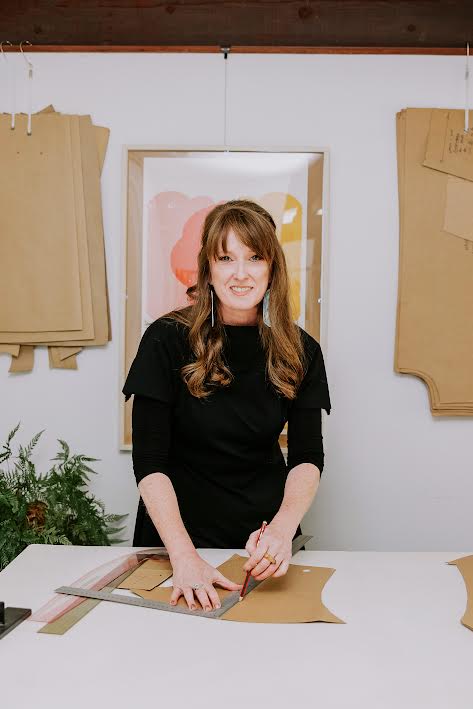
- Material Literacy: Understanding the lifecycle of a fiber from harvest to decomposition.
- Zero-Waste Pattern Making: Utilizing computer-aided design (CAD) and traditional cutting techniques to ensure that not a single scrap of fabric is discarded during the construction of a garment.
- Creative Independence: Moving away from the pressure to mimic seasonal trends, which force designers into a cycle of rapid, low-quality production.
Fact-Based Analysis: The Broader Implications
The fashion industry is at a crossroads. The transition toward a circular economy—where garments are kept in use for as long as possible and then recycled or composted—is no longer a choice but a requirement dictated by impending international climate regulations.
The economic implications of Donovan’s business model are significant. While producing high-quality, ethically sourced garments carries a higher upfront cost, it insulates the brand from the volatility of the "fast fashion" market, which is increasingly subject to supply chain disruptions and carbon taxes. Data suggests that consumers are beginning to favor brands that provide transparency in their manufacturing processes. According to a recent sustainability report from McKinsey & Company, Gen Z and Millennial demographics are significantly more likely to pay a premium for apparel that carries an "ethical" certification.
Conclusion: The Path Forward
Kelli Donovan’s career provides a blueprint for what a sustainable future in fashion might look like. By blending the technical rigor taught by her grandmother with a contemporary understanding of ecological limits, she has managed to thrive in an industry that is notoriously difficult to reform.
The challenges remain daunting. The infrastructure required to scale zero-waste production globally does not yet exist, and the economic incentives for fast fashion remain deeply entrenched. However, designers like Donovan demonstrate that change is possible through the deliberate application of ethical design principles. As the industry looks to the future, her work stands as a reminder that the most revolutionary act a designer can undertake is to create something that is not only beautiful but also built to endure, respecting the natural world from which all materials are drawn. The future of fashion, as evidenced by her career, lies in the marriage of historical craftsmanship with a modern, unflinching commitment to the planet.