Beyond the A-Listers: How Foot Locker is Betting on Store Associates for Its Holiday Turnaround Strategy

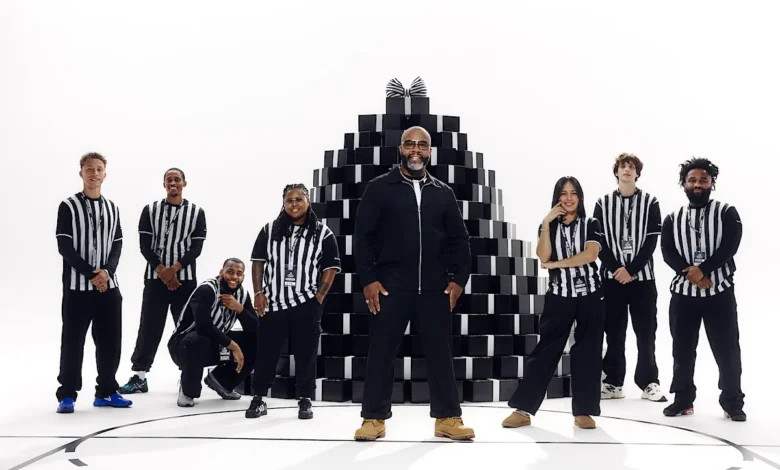
While the retail landscape typically floods the fourth quarter with an onslaught of Hollywood stars, chart-topping musicians, and pop-culture icons fronting holiday ad campaigns, Foot Locker is charting a dramatically different course. As competitors like Swarovski, Ulta Beauty, and Gucci enlist powerhouse celebrities such as Ariana Grande, Selena Gomez, and Mariah Carey, the iconic sneaker retailer is turning the spotlight inward. For its new 2026 holiday marketing push, titled "Joy to the Sole," Foot Locker is featuring its own front-line workforce: its store associates, affectionately known as Stripers, alongside the company’s head of stores, George Jenkins.
This strategic pivot moves away from traditional, celebrity-centric advertising toward employee-driven storytelling. The campaign, which officially went live on November 6, anchors Foot Locker’s ongoing brand turnaround by highlighting seasonal footwear, curated gift recommendations, and highly anticipated sneaker drops. Central to the initiative is a 60-second hero spot entitled "The Holiday Studio," in which Jenkins joins the Stripers to model coveted footwear styles, including the classic Nike Air Force 1, the cozy Ugg Tasman II, and the performance-driven Asics Gel-1130.
The campaign spans television, digital platforms, social media channels, and physical in-store displays, reinforcing the retailer’s overarching "It Always Will Be Foot Locker" brand platform. By placing real store employees front and center, the company aims to establish an authentic connection with consumers during the most critical retail period of the year.
A Full-Circle Milestone for Retail Leadership
For George Jenkins, starring in a national brand campaign represents a monumental career milestone. A 33-year veteran of Foot Locker, Jenkins began his journey with the company as a Striper straight out of college. Today, as the head of stores, he holds the distinction of being the first retail store leader in corporate history to front a Foot Locker holiday campaign.
Reflecting on his progression from the sales floor to executive leadership, Jenkins described the experience as surreal. Calling it a full-circle moment, he emphasized the profound pride he feels standing shoulder-to-shoulder with the current generation of Stripers to represent the brand’s enduring heritage.
This inclusion of corporate leadership alongside floor staff underscores a broader corporate strategy: elevating the visibility of the employees who interact directly with consumers every single day. Chief Marketing Officer Brett O’Brien has repeatedly stressed that Foot Locker views its thousands of Stripers as its ultimate differentiator in a crowded footwear market. Consequently, the retailer has systematically increased employee-generated content throughout the year, integrating them into major initiatives like May’s "Hoops Lives Here" campaign alongside professional WNBA and NBA players, as well as an October stockroom spot featuring Dallas Mavericks star Cooper Flagg.
The Retail Shift Toward Employee-Generated Content
Foot Locker’s reliance on its workforce aligns with a broader macroeconomic and marketing shift across the retail sector. In recent years, brands and major retailers—ranging from coffee chains to high-end apparel houses—have increasingly prioritized employee-generated content to build consumer trust. In an era where shoppers are increasingly skeptical of heavily polished, celebrity-endorsed advertisements, authentic portrayals of frontline workers resonate more deeply with younger, value-conscious demographics.
According to retail analysts, employee-driven marketing serves a dual purpose: it boosts internal morale by celebrating frontline workers while simultaneously providing consumers with relatable, expert guidance. Foot Locker’s Stripers, named for the distinct black-and-white referee-style uniforms they wear on the sales floor, embody the brand’s deep-rooted basketball and sneaker culture.
O’Brien noted that the Stripers are the lifeblood of the organization’s daily operations. By showcasing their genuine enthusiasm for new colorways, product launches, and seasonal trends, the company hopes to demystify the sneaker-buying process for casual shoppers and gift-givers alike.
Navigating a Challenging Macroeconomic and Industry Landscape
Foot Locker’s strategic gamble on its workforce arrives during a uniquely complex period for both the broader retail economy and the footwear sector specifically. According to projections from the National Retail Federation (NRF), U.S. holiday retail sales for November and December are anticipated to reach a historic milestone of $1.013 trillion. However, industry experts caution that this nominal growth is largely driven by persistent inflation and elevated price points rather than a surge in purchase volume. Furthermore, a recent NRF consumer survey revealed that 56% of holiday shoppers report that macroeconomic conditions and personal financial constraints will directly dictate their spending habits this season.
The footwear industry itself has weathered significant turbulence over the past year. Supply chain vulnerabilities, fluctuating tariff policies, and volatile oil prices have squeezed profit margins across the board. Data from market research firm Circana indicates that for the three-month period ending in September, footwear dollar sales remained flat year-over-year, while total units sold declined in the mid-single digits. Circana projects that the holiday footwear market will remain relatively stable, though consumer demand will likely concentrate heavily around Cyber Week promotional windows.
Beth Goldstein, executive director and footwear industry analyst at Circana, noted that modern consumers are exercising strict deliberation regarding how and when they allocate discretionary funds. Consequently, brands that successfully align with consumer interests by offering products that balance performance, comfort, style, and gifting appeal are best positioned to capture market share.
Addressing Consumer Intimidation Through Curation and Cursory Expertise
Buying sneakers as a holiday gift can often prove intimidating for consumers who are unfamiliar with the nuanced culture of footwear collecting. To mitigate this friction point, Foot Locker is leveraging the product knowledge and interpersonal expertise of its Stripers both online and in physical storefronts.
As part of the "Joy to the Sole" campaign, shoppers will encounter curated product selections designated as "George’s Picks." Highlighted via specialized shoe tags, prominent signage, and dedicated in-store displays, these curated selections are designed to streamline the shopping experience. Jenkins emphasized that the initiative is intended to make storefronts visually inviting and ensure that hot items are prominently displayed without overwhelming the consumer. Concurrently, the digital and inventory teams have worked to optimize stock levels to prevent frustrating stockouts during peak shopping days.
Foot Locker’s holiday product assortment reflects a deliberate strategy of brand diversification. Rather than relying heavily on a single dominant label, the retailer is stocking a wide array of styles across varying price points from brands including Nike, Vans, New Balance, and Timberland. Jenkins noted that modern consumers demand optionality and actively reject brand over-reliance, making a diversified inventory essential for capturing diverse consumer segments.
Financial Turnaround and Long-Term Strategic Vision
The performance of the fourth-quarter holiday season holds immense financial significance for Foot Locker. Historically, the fourth quarter accounts for roughly 28% of the company’s annual revenue. The campaign’s ultimate success will be evaluated through traditional retail metrics, including same-store traffic, top-line revenue generation, and consumer engagement levels across digital and physical touchpoints.
These operational efforts form a critical component of Foot Locker’s broader corporate turnaround. Following its $2.4 billion acquisition by Dick’s Sporting Goods in 2025, Foot Locker has aggressively worked to revamp its physical store footprint, accelerate inventory turnaround, and revitalize sales figures. These turnaround efforts yielded positive results in the first quarter of 2026, marking the company’s first positive comparable sales figures since late 2024 and signaling a return to profitability.
Despite these positive indicators, the turnaround path has encountered minor headwinds. In August, Dick’s Sporting Goods reported that pro forma comparable sales for Foot Locker declined by 3.6% during the second quarter. Corporate executives attributed the softer performance to a heavily promotional retail environment, elevated inventories of legacy footwear silhouettes, a temporary lull in major footwear launches, and localized operational challenges across Europe, the Middle East, and Africa.
Addressing investors and analysts during an earnings call, Ed Stack, executive chairman of Dick’s Sporting Goods, reaffirmed the company’s long-term commitment to the brand. Stack emphasized that leadership remains fully confident in Foot Locker’s long-term growth trajectory, noting that the corporate turnaround remains in its early stages and that ongoing investments are actively strengthening the business foundation for sustained future profitability.
By stepping away from traditional celebrity endorsements and elevating the everyday heroes of its sales floors, Foot Locker is attempting to redefine what modern retail storytelling looks like. As the holiday shopping season accelerates toward its year-end climax, the retail world will be watching closely to see whether the authentic passion of the Stripers can successfully outpace the star power of Hollywood.
Related posts: