Beyond the Algorithm: Inside Josh Aronson’s Photo Book Speed Date and the Revival of Analog Community

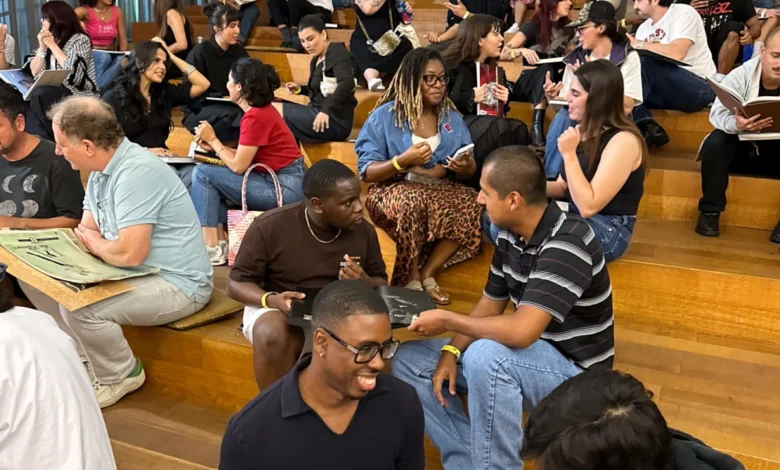
In an era dominated by algorithmic feeds, artificial intelligence, and digital curation, the contemporary art world is increasingly finding itself starved of tangible human connection. While social media platforms promise global connectivity, they frequently foster isolation, reducing complex artistic exchanges to fleeting double-taps and superficial metrics. Against this backdrop of digital fatigue, a counter-movement is quietly taking shape in galleries and museums across the United States. Spearheaded by Miami-based photographer Josh Aronson, the Photo Book Speed Date has emerged as a compelling antidote to virtual detachment, offering a vibrant, low-tech space where strangers, artists, and enthusiasts gather to share, critique, and bond over physical photography books in a fast-paced, timed format.
Main Facts and Concept Mechanics
The mechanics of the Photo Book Speed Date are intentionally straightforward, relying on human interaction rather than advanced technology or heavy corporate sponsorship. Participants are invited to bring a single photography book that holds personal significance—whether a classic monograph, a rare indie publication, or a cherished volume by a contemporary peer. Attendees are then seated across from one another in pairs, engaging in timed rotations that typically last between five and ten minutes.
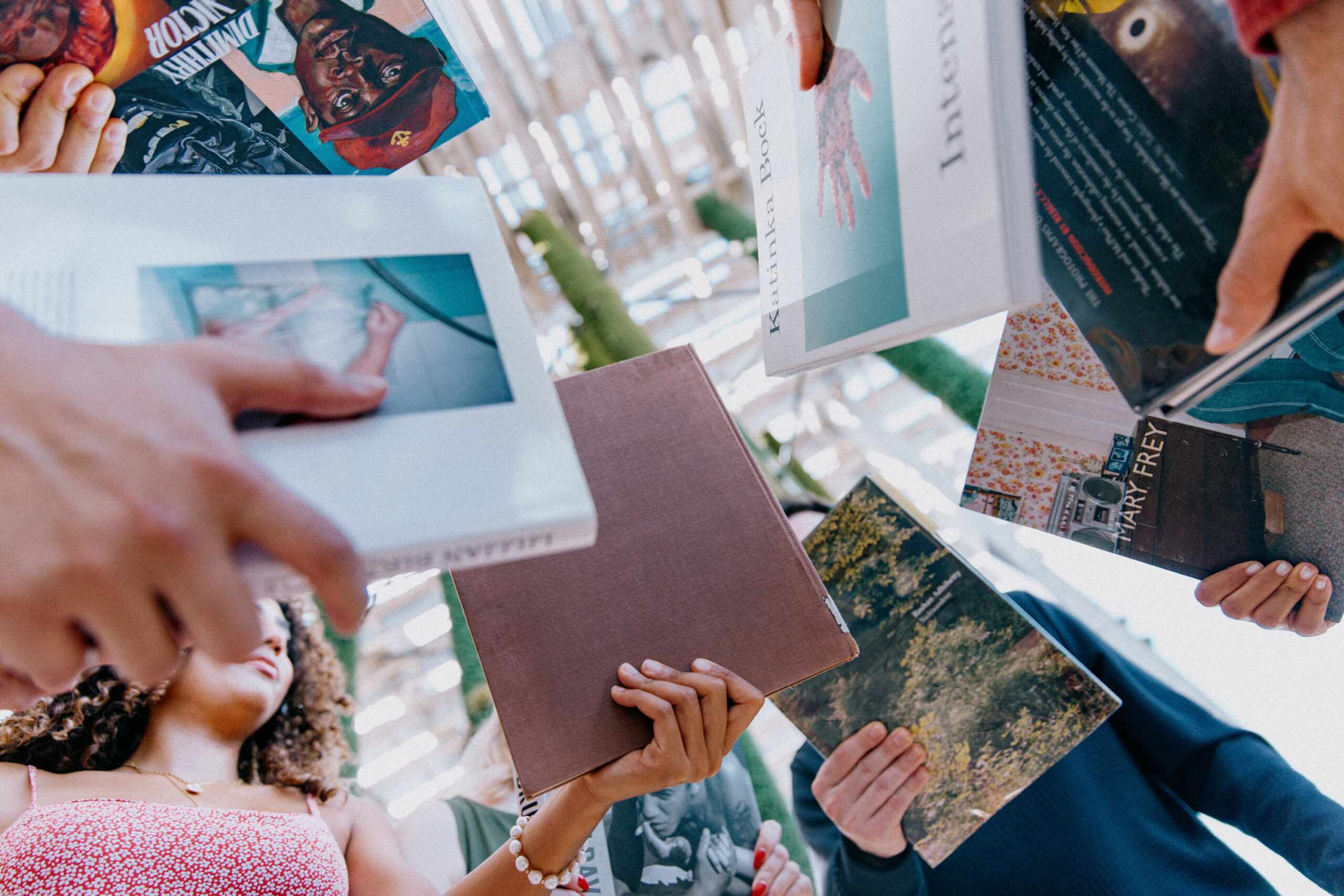
During these brief intervals, participants must explain their choice of book, discuss its resonance with their own creative practices, and unpack the emotional or aesthetic weight of the pages. The format borrows the structural urgency of traditional speed dating but completely redirects its purpose. Rather than seeking romantic compatibility, participants seek intellectual and artistic resonance. The physical presence of the book acts as an immediate icebreaker, bypassing awkward small talk and plunging the pair directly into deep, passionate discourse about visual culture.
Chronology and Origins
The genesis of the Photo Book Speed Date dates back to 2022, when Josh Aronson was preparing for an upcoming commercial gallery exhibition in Miami. Seeking a departure from the traditional, often self-aggrandizing artist talk—which he felt placed the creator on an inaccessible pedestal—Aronson began brainstorming a more democratic alternative. He envisioned an event that would invert the power dynamics of the art world, ensuring that guests felt equally as important as the exhibiting artists.
The primary seed for the concept was planted in New York City, where Aronson had previously attended a speed-date-style photography night hosted by artist Shaniqwa Jarvis. Inspired by the communal energy of Jarvis’s gathering, Aronson decided to scale up the participatory element by anchoring the interactions around physical literature.

The inaugural event materialized during Thanksgiving week in 2022 on a rainy Wednesday evening. Working with minimal resources—a simple flyer shared via digital networks and a handful of chairs arranged inside a gallery—Aronson tested the concept with zero expectations. The response was immediate and overwhelming. The venue filled to capacity almost instantly, outstripping the available seating within the first few rounds. For three uninterrupted hours, participants eagerly shifted from seat to seat, engaging in intense, generative conversations about photography. Recognizing that he had struck a nerve within the creative community, Aronson formalized the initiative, transforming it into a recurring programmatic series.
Supporting Data and Cultural Context
The rapid expansion of the Photo Book Speed Date occurs within a broader cultural shift toward analog experiences. According to market data from cultural economists and publishing trade groups, physical book sales—particularly in niche categories like art monographs and photography zines—have demonstrated surprising resilience despite the ubiquity of digital e-readers and online archives. Photographers and collectors increasingly view printed matter not merely as receptacles for images, but as tactile, sculptural art objects in their own right.
Furthermore, sociological studies on post-pandemic urban life consistently highlight a measurable deficit in spontaneous civic and artistic engagement. Urban centers have struggled to recreate the casual, serendipitous encounters that historically fueled creative movements. By utilizing institutional spaces—such as Aronson’s 2025 iteration at the Pérez Art Museum Miami (PAMM)—the Photo Book Speed Date bridges a crucial accessibility gap. Museums and high-end commercial galleries can often feel intimidating or exclusionary to emerging artists and the broader public. By populating these cavernous halls with rows of chairs and animated chatter, the initiative temporarily democratizes elite cultural spaces, rendering them welcoming hubs of grassroots dialogue.

Official Statements and Participant Reflections
While initially conceived as an artistic experiment, the Photo Book Speed Date has yielded tangible, lasting impacts on the personal and professional lives of its participants. Beyond casual networking, the format has catalyzed romantic relationships, artistic collaborations, and institutional opportunities.
“The goal was never matchmaking,” Aronson notes when reflecting on the unexpected outcomes of the events. “It’s about opening access and creating a space where people in the photo community can meet in person, inside museum or gallery spaces that sometimes feel off-limits. I want people to feel belonging in those spaces, even just for an evening.”
Participants frequently report that the books they choose to bring act as psychological mirrors, revealing hidden facets of their personalities, artistic influences, and emotional states. In the art world, understanding an artist’s inspirations is considered a vital window into their creative psyche. Aronson notes a parallel to a guiding philosophy he received early in his career: “One of the best pieces of advice I ever got was to pay attention to who my favorite artists’ favorite artists are, and study them. I’ve learned so much about people I admire by looking at what they love. Photo Book Speed Date works the same way: you learn about your peers, your friends, and their influences through what they choose to bring and share.”

Broader Impact and Implications for the Art World
The implications of initiatives like the Photo Book Speed Date extend far beyond local community building in Miami. As art institutions grapple with declining physical attendance and the relentless commercial pressures of the digital economy, fostering local, grassroots engagement has become an institutional priority.
Critics and cultural analysts point out that the format successfully counters the atomization of the contemporary art scene. In traditional portfolio reviews or gallery openings, networking is often transactional, marked by professional anxiety and business card exchanges. In contrast, the enforced intimacy and time constraints of the speed-dating format strip away professional pretense, forcing participants to focus entirely on shared passion. The physical act of holding a book—turning pages, examining paper stocks, and smelling ink—anchors the conversation in the material world, offering a sensory grounding that digital screens cannot replicate.
Future Outlook and Global Expansion

Building upon its success in Florida, the Photo Book Speed Date is poised for a significant expansion. Looking ahead to the 2026 calendar, Aronson plans to export the model to prominent museum and gallery spaces internationally and across the United States.
The upcoming expansion includes a highly anticipated West Coast debut in California, a return engagement in New York City, and specialized pop-up editions in Miami hosted at venues central to the city’s burgeoning independent publishing and contemporary art scenes. By scaling the project, Aronson aims to empower other artists and curators to adopt the model, fostering a decentralized network of analog book-sharing circles.
Ultimately, the Photo Book Speed Date serves as a timely reminder that the future of artistic community does not lie exclusively in virtual reality or digital metaverses. As artists continue to navigate a rapidly changing technological landscape, simple, human-scale interventions—a chair, a table, and a shared book—remain among the most powerful tools for cultural survival and renewal.