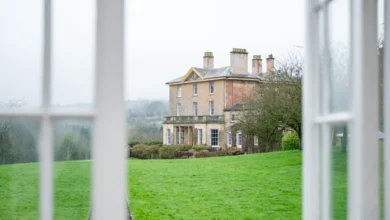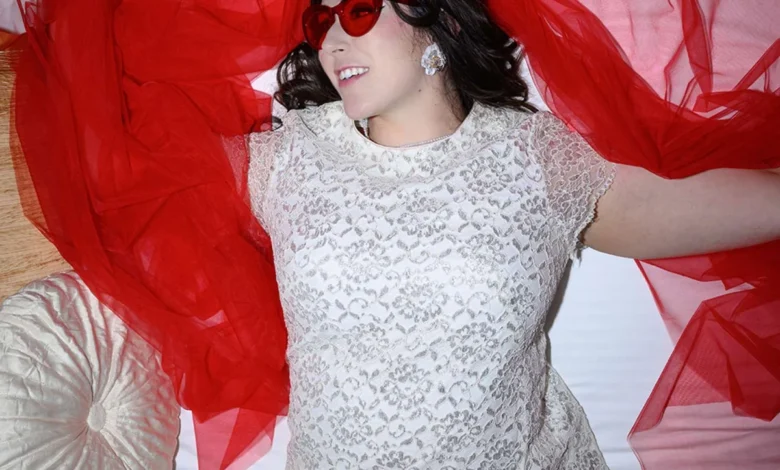
The landscape of modern matrimonial celebrations is undergoing a significant transformation as couples increasingly prioritize personal narrative and aesthetic specificity over traditional large-scale ceremonies. This shift was exemplified recently by Bryn and Taylor, a couple from Texas who bypassed conventional wedding norms in favor of a two-day destination elopement in California. Their event, characterized by a fusion of 1960s Americana, classic Hollywood glamour, and high-fantasy inspiration, took place across two of the state’s most iconic locations: the Madonna Inn in San Luis Obispo and the rugged coastal cliffs of Big Sur. By focusing their resources on high-quality photography and curated vintage attire rather than guest accommodations and catering, the couple highlighted a growing trend in the "micro-wedding" and elopement sectors of the multi-billion dollar wedding industry.
Conceptual Foundations and Aesthetic Sourcing
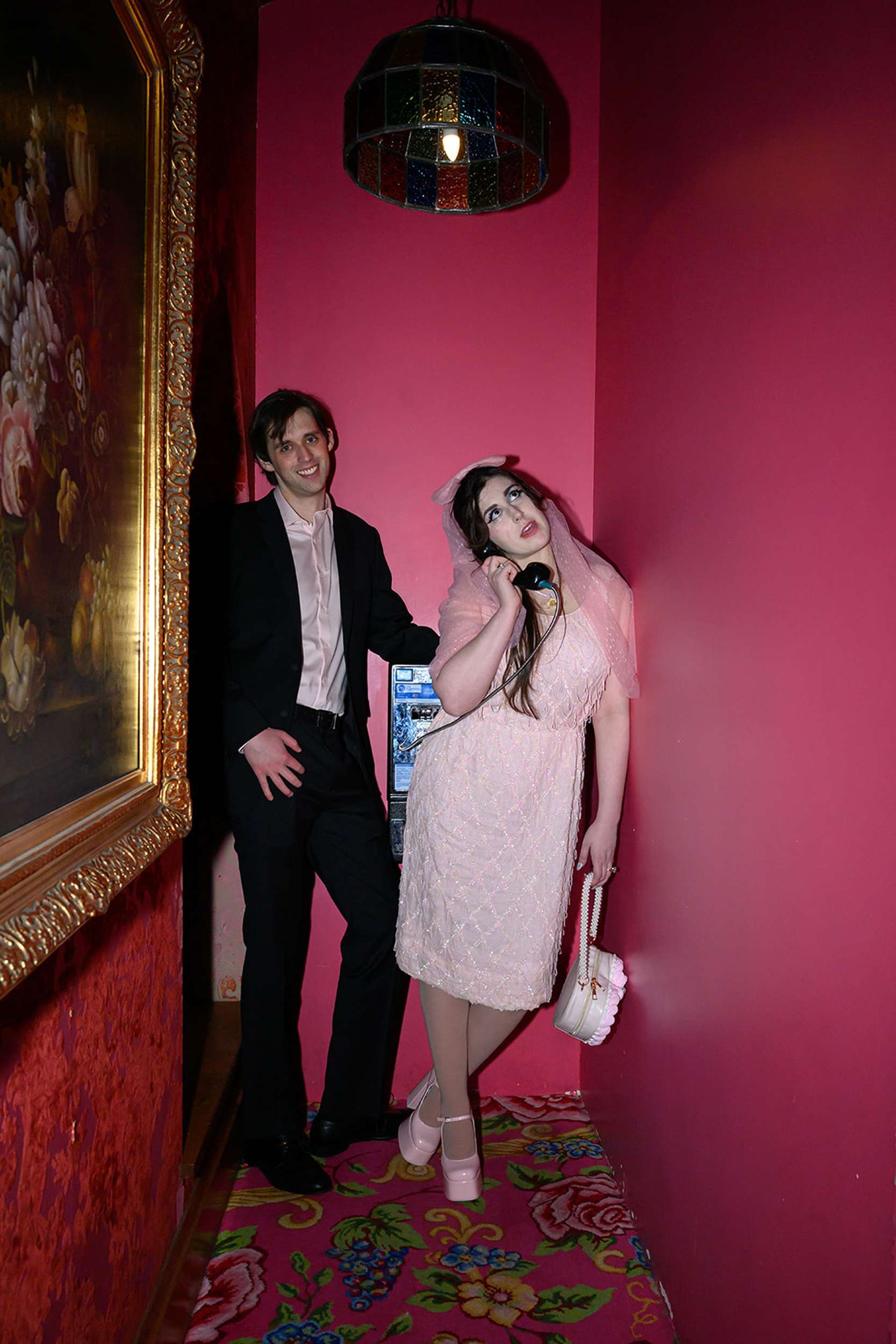
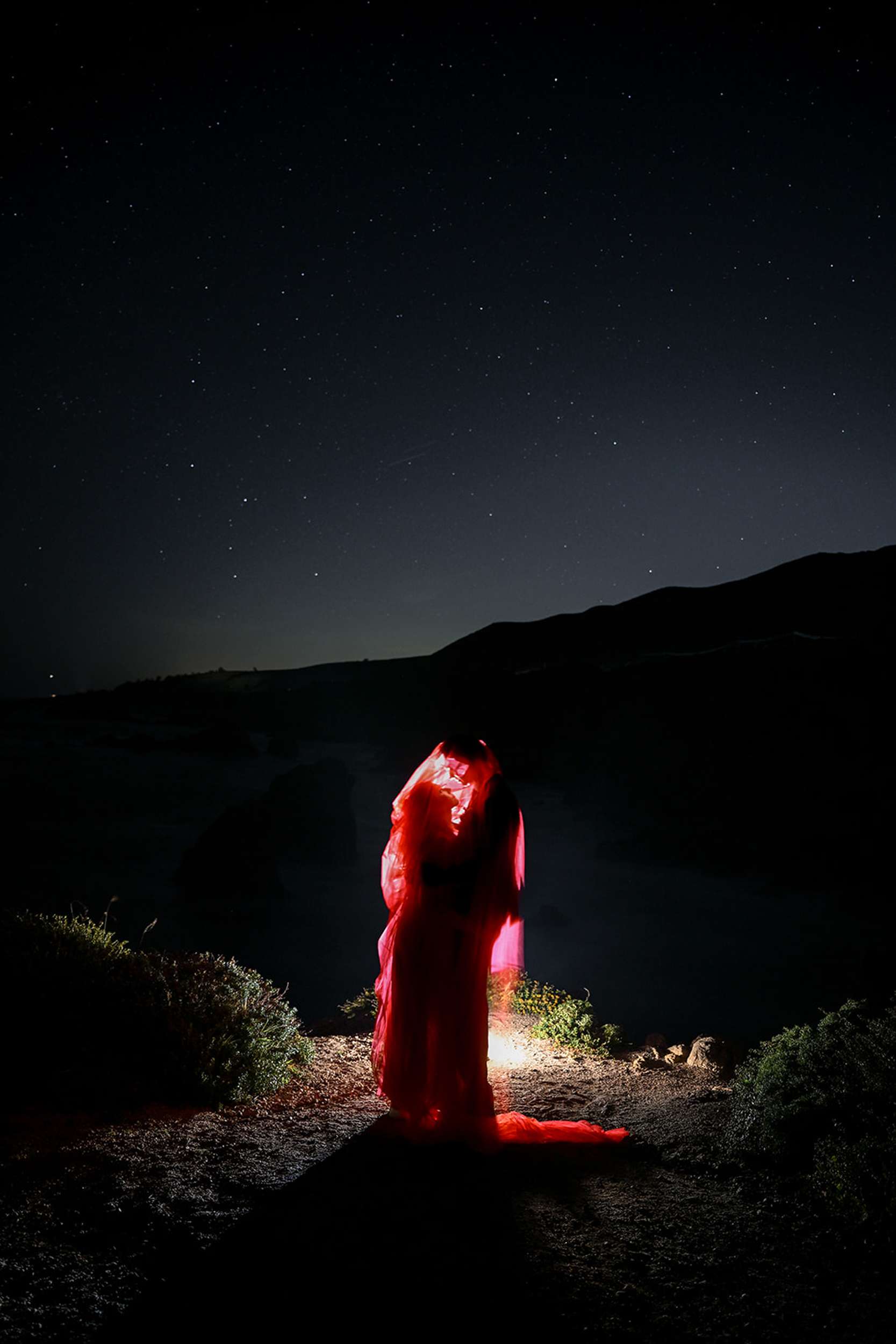
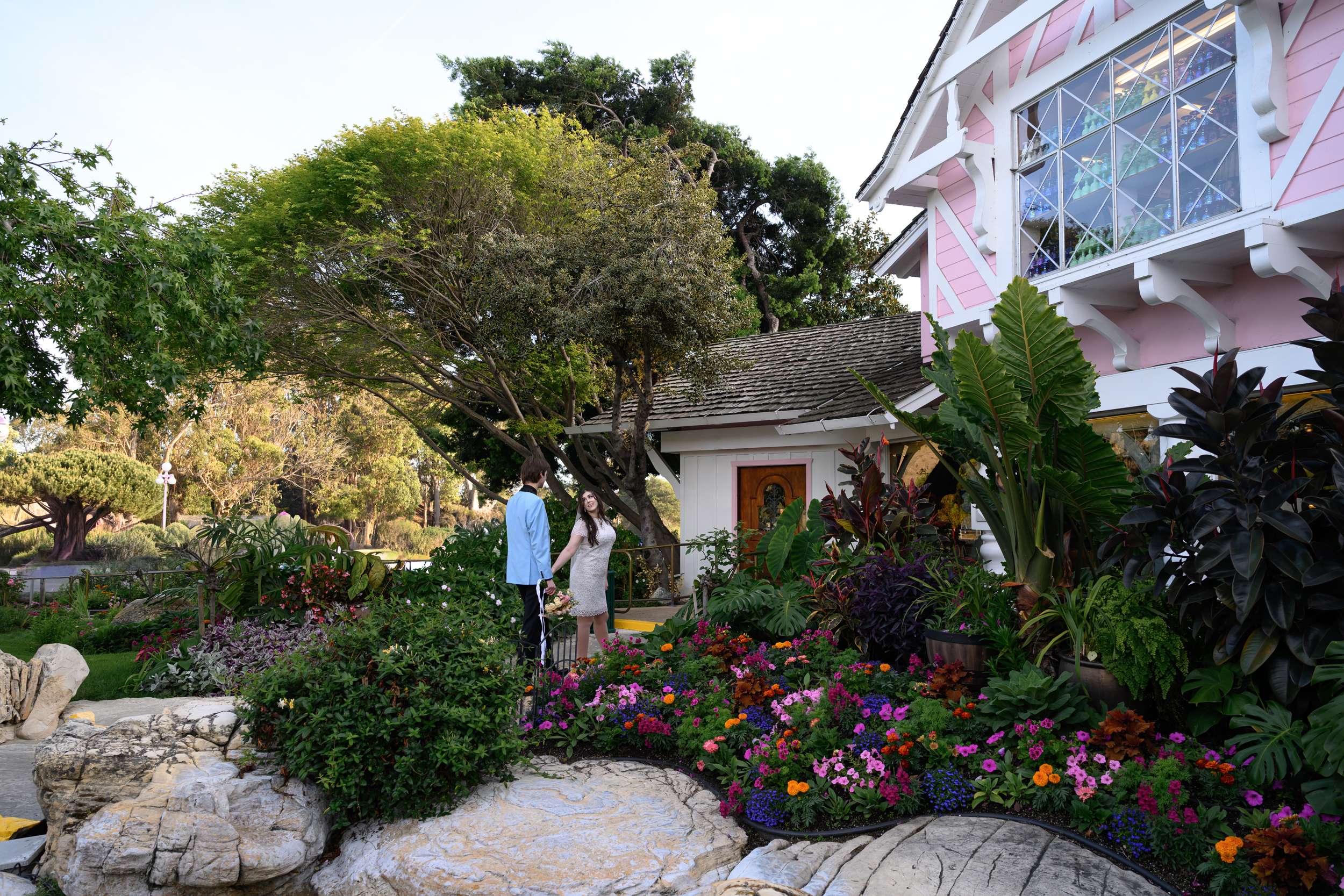
The inspiration for the event was rooted in a specific digital discovery. Bryn, the bride, initially conceptualized the wedding’s visual direction after viewing images of the Madonna Inn’s Gold Rush Steak House on Pinterest. The venue, famous for its aggressive use of pink and maximalist décor, served as a real-world proxy for the animated aesthetics of Studio Ghibli’s Howl’s Moving Castle. Specifically, the couple sought to replicate the contrasting moods of the film: the vibrant, "girly-pop" maximalism of the protagonist’s bedroom for the interior shots, and the ethereal, celestial atmosphere of the "star-eating" scene for the outdoor coastal photography.
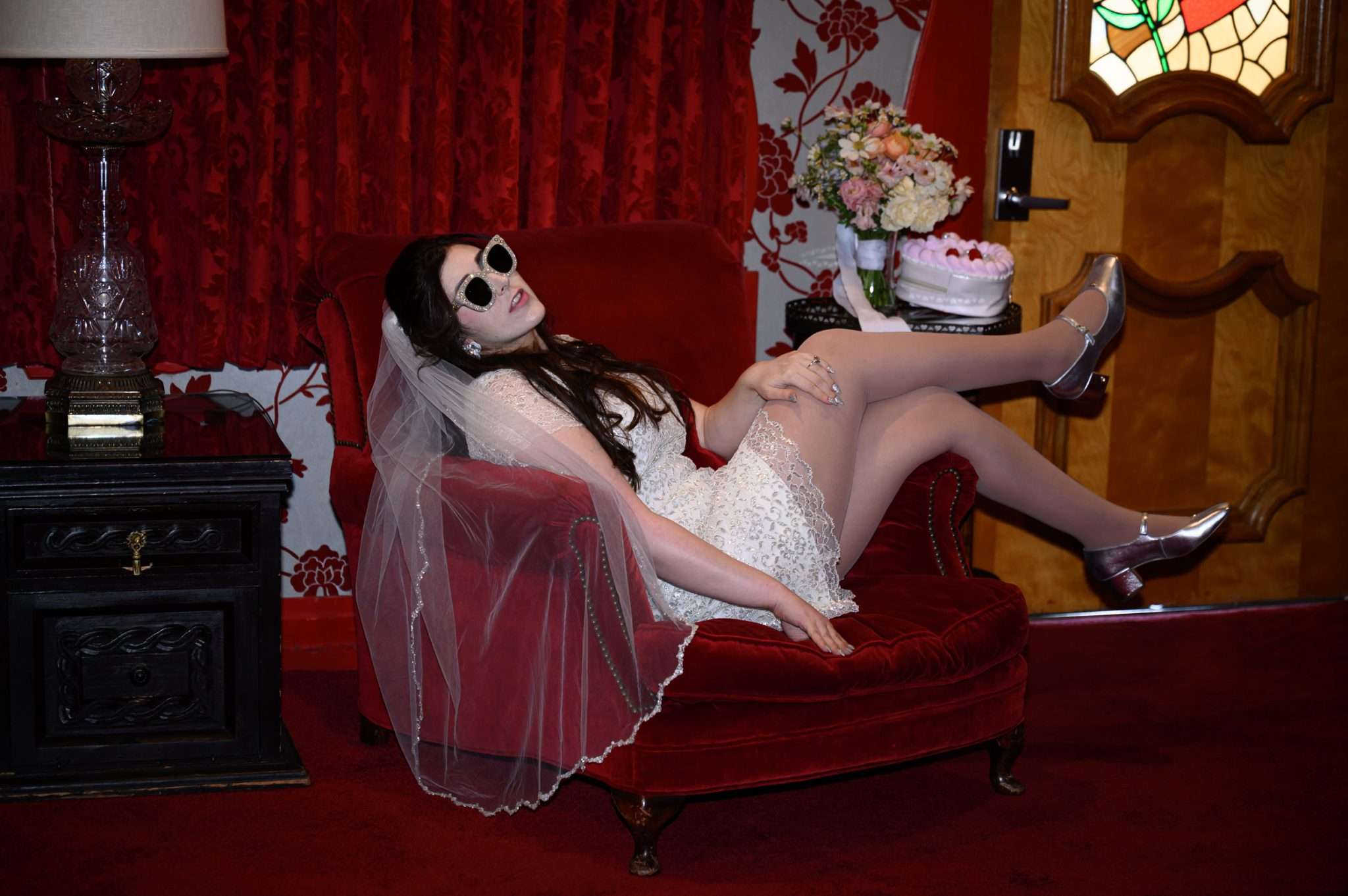
This choice of theme reflects a broader cultural phenomenon where couples utilize specific media touchstones to ground their wedding identity. The "1960s meets Americana" vibe was further reinforced through a road-trip-style itinerary, moving from the curated kitsch of San Luis Obispo to the natural grandeur of the Pacific Coast Highway. By blending these disparate influences—vintage Hollywood, Japanese animation, and mid-century road culture—the couple created a unique visual lexicon that set their elopement apart from standard industry offerings.
The Chronology of a Two-Day Elopement
The event was structured over 48 hours to maximize lighting conditions and wardrobe changes, a logistical strategy often employed in high-end editorial fashion shoots but increasingly adopted by eloping couples.
Day One: The Madonna Inn
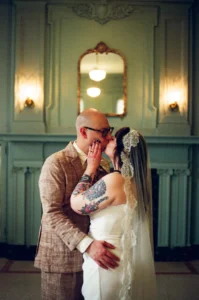
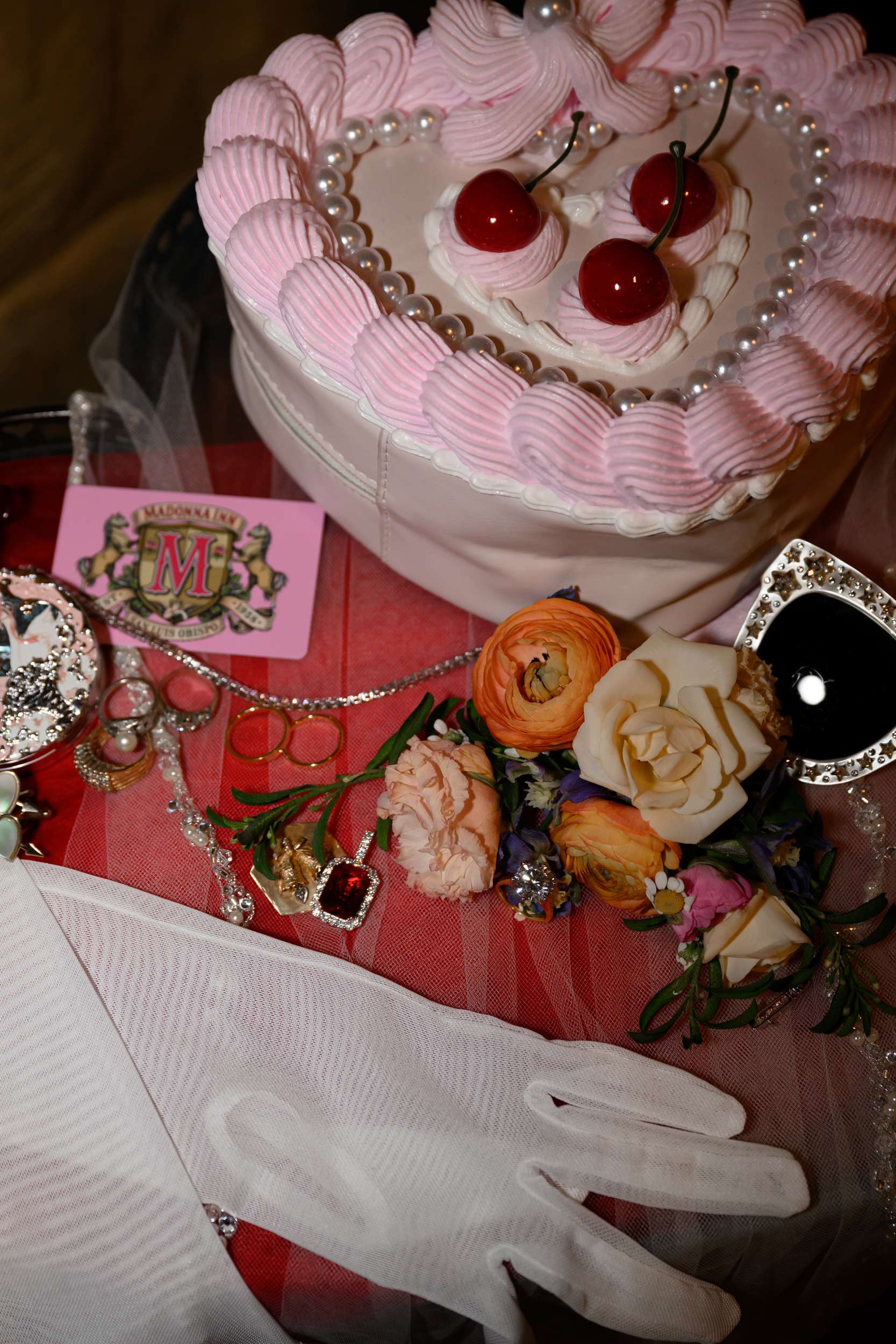
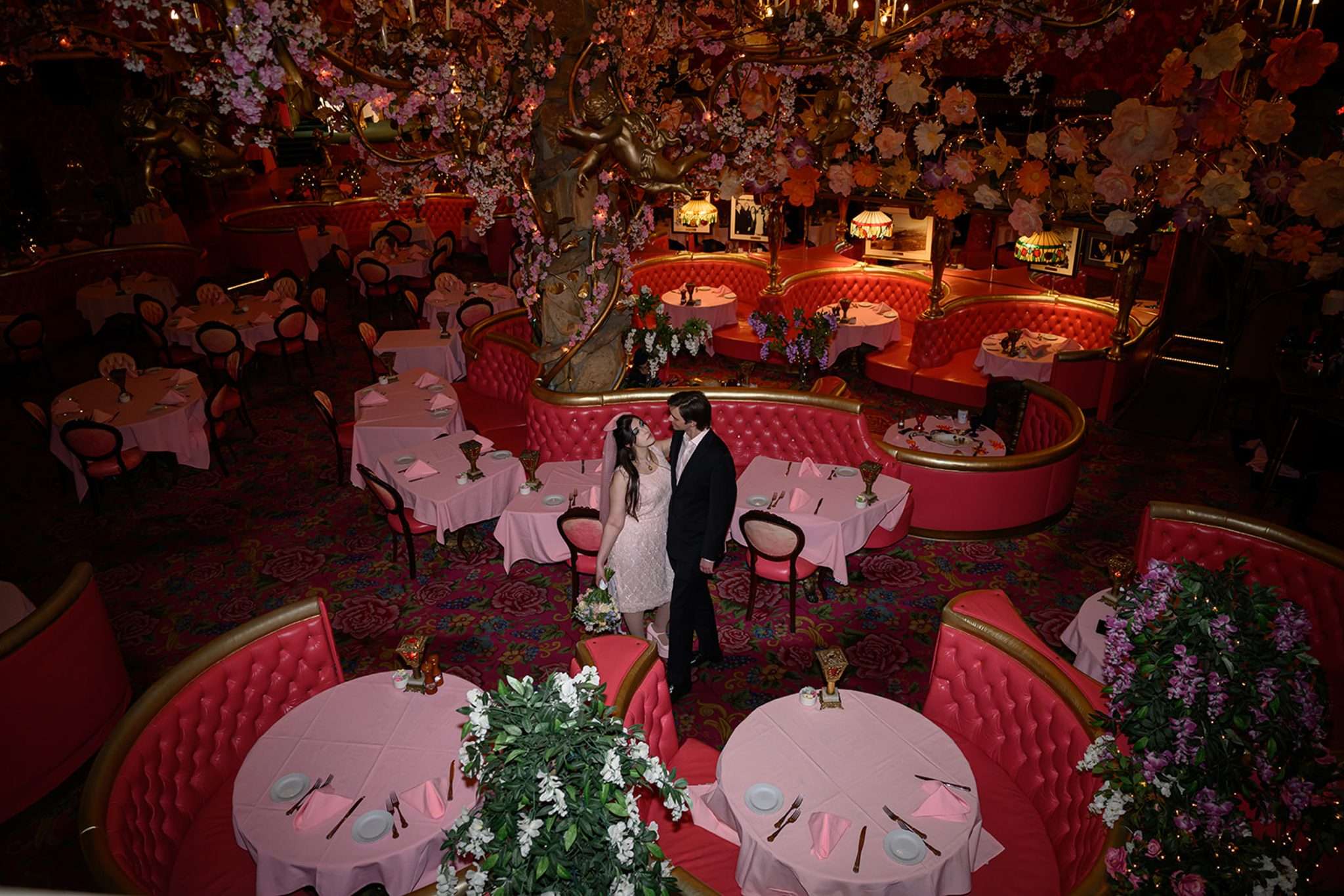
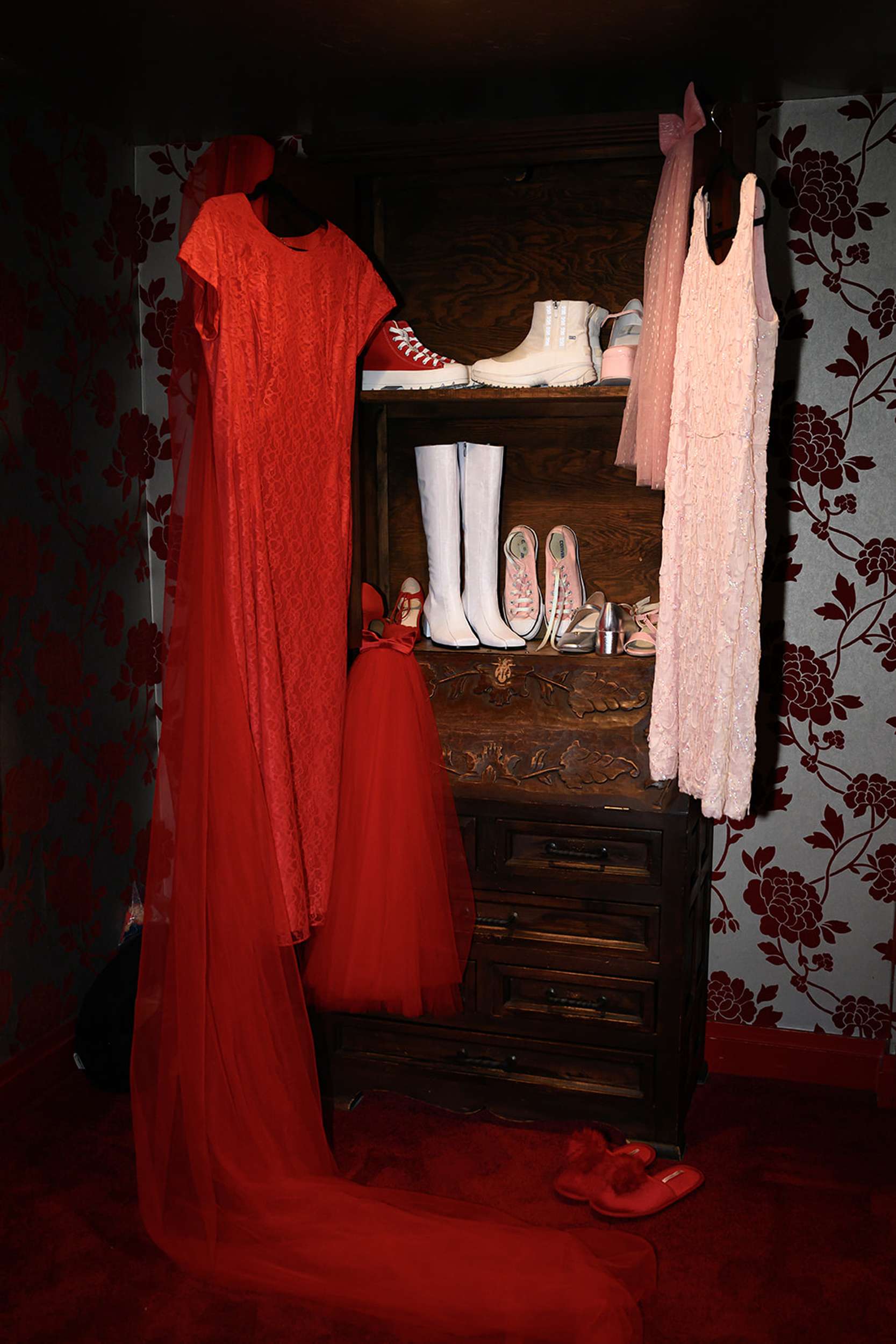
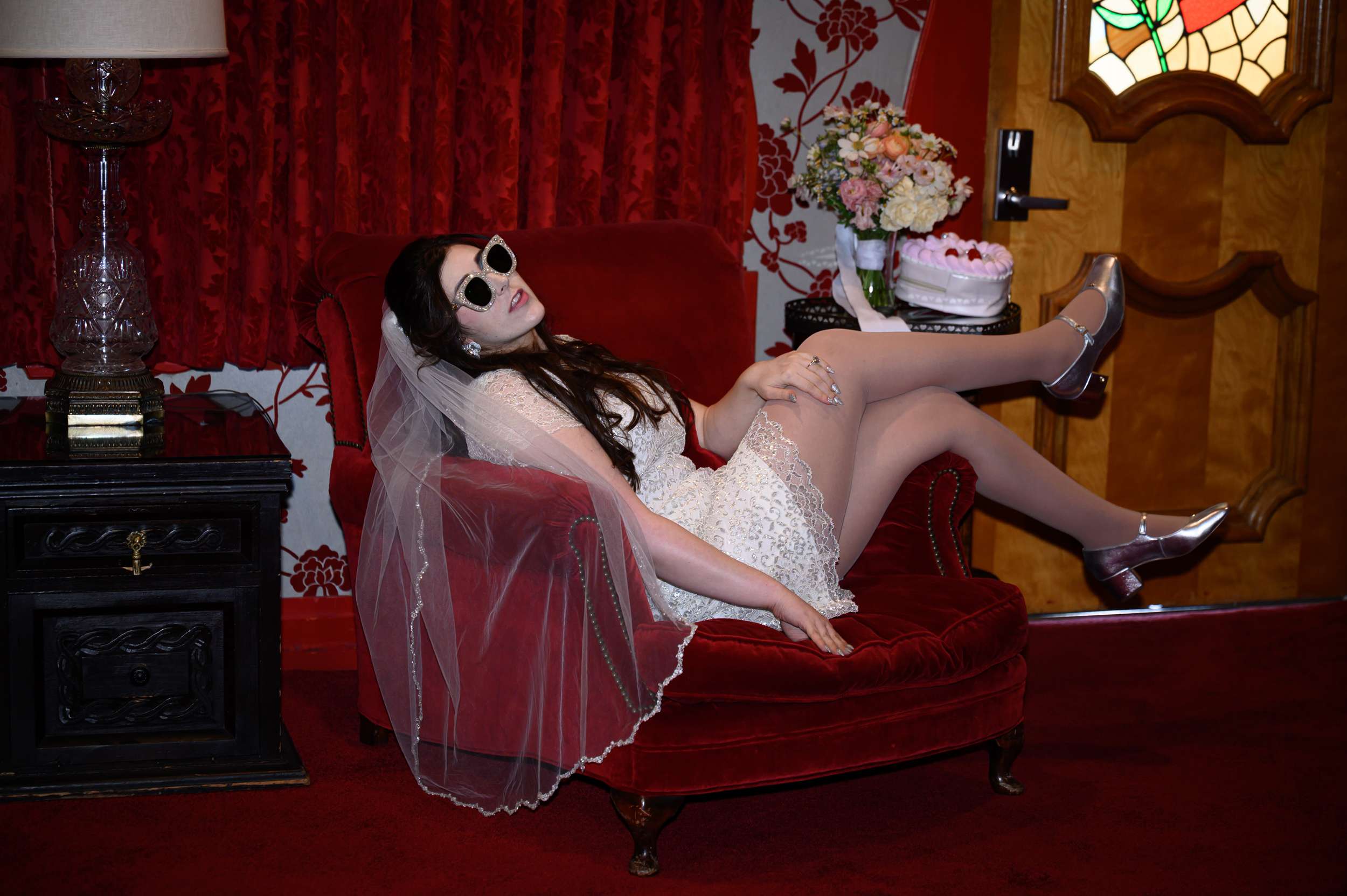
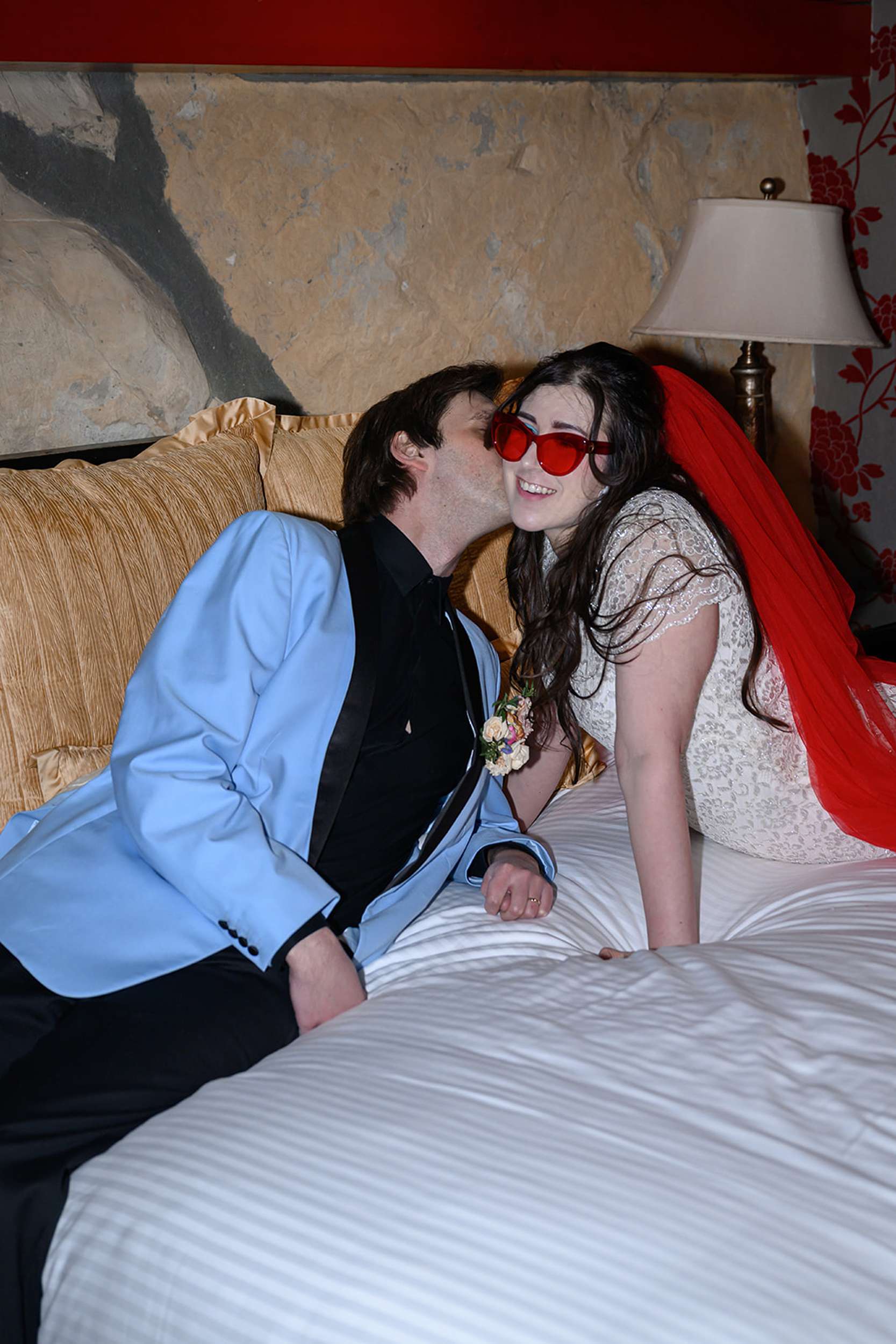
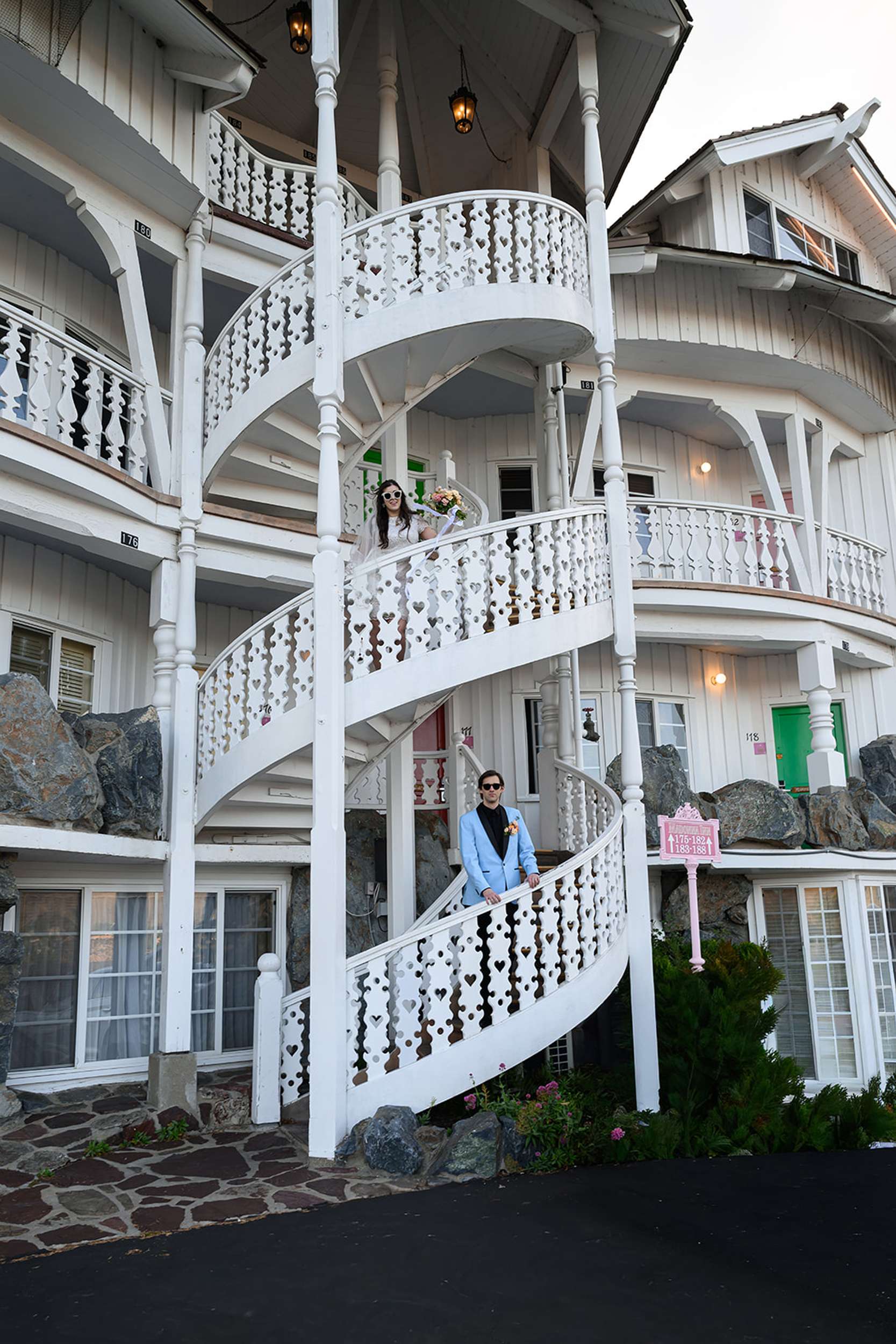
The first phase of the elopement focused on the interior spaces of the Madonna Inn. Established in 1958 by Alex and Phyllis Madonna, the inn is a landmark of California "kitsch" architecture, featuring 110 rooms, each with a unique theme. The couple utilized the pink-saturated environments of the Steakhouse and common areas to establish the 1960s glamour component of their theme. This day was dedicated to the "Howl’s bedroom" aesthetic, characterized by dense colors, ornate textures, and intimate indoor portraits.
Day Two: The Cliffs of Big Sur
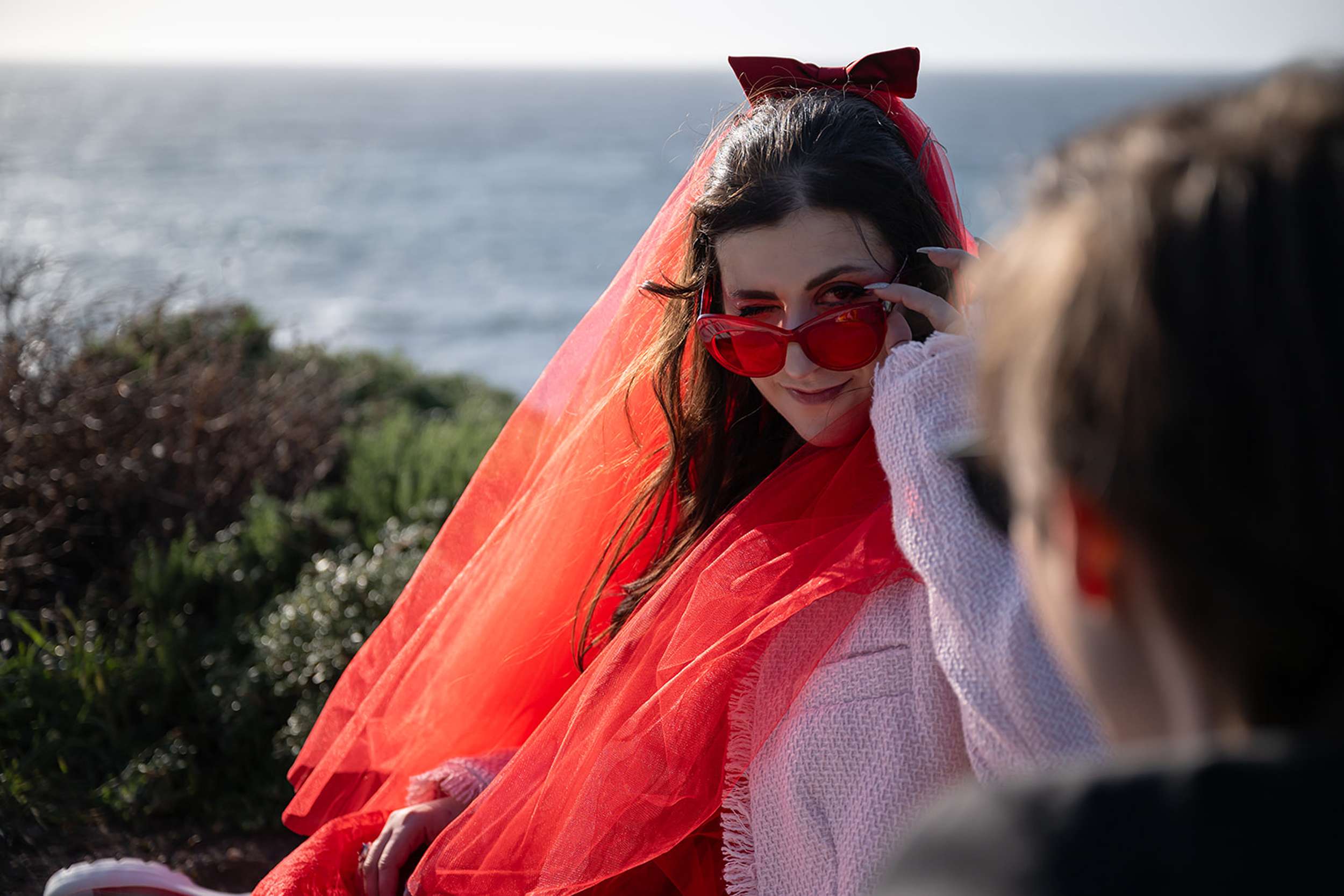
The second phase involved a transition to the natural environment of Big Sur, approximately 100 miles north of the Madonna Inn. Big Sur is globally recognized for its dramatic topography, where the Santa Lucia Mountains rise abruptly from the Pacific Ocean. Here, the couple focused on wide-angle shots and motion-heavy photography, utilizing the high winds of the cliffs to animate the bride’s long veils. This portion of the itinerary fulfilled the "star-eating scene" inspiration, prioritizing scale, light, and the raw beauty of the California coastline.
Sartorial Strategy and Economic Analysis of Vintage Attire
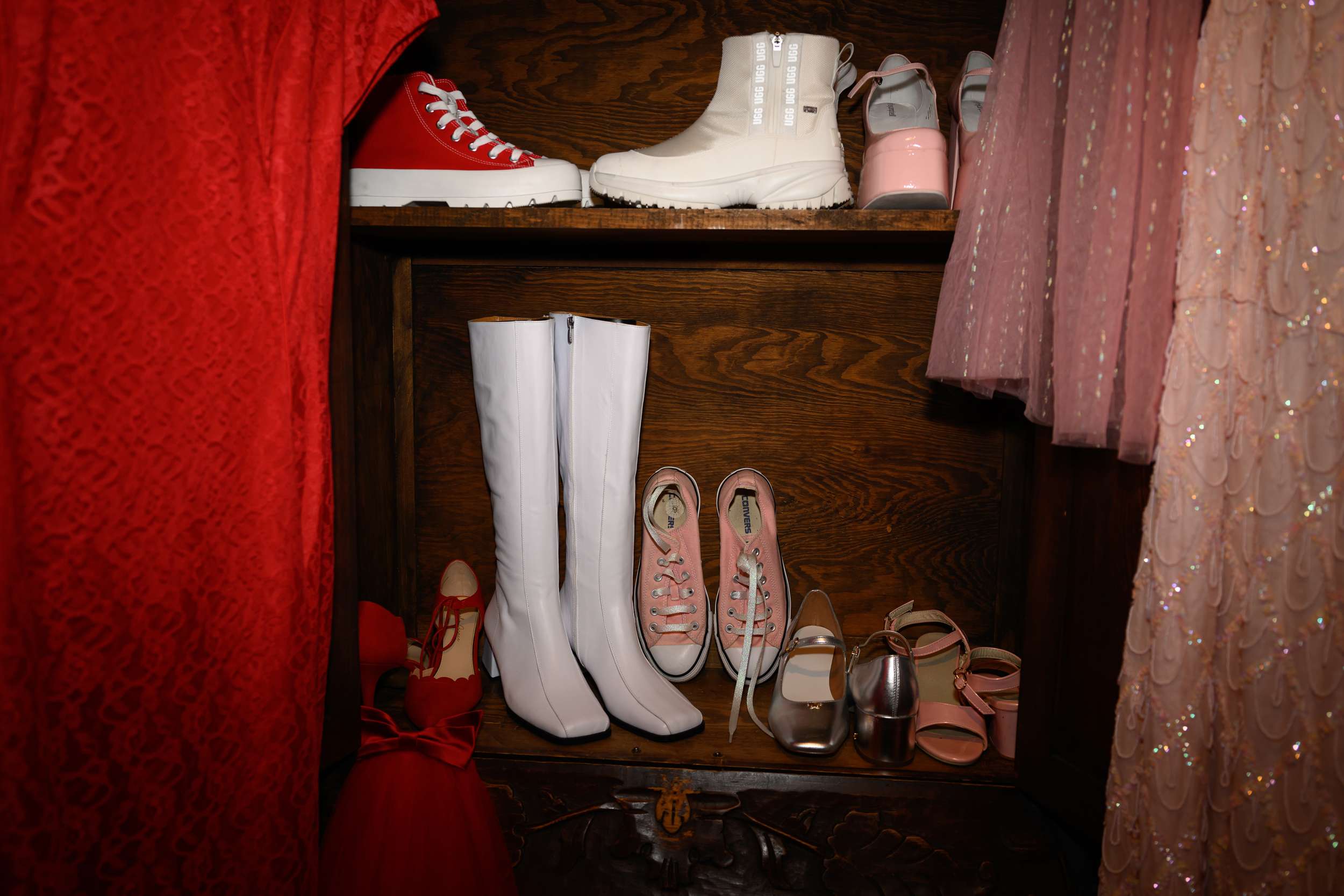
One of the most notable aspects of the elopement was the couple’s approach to wedding fashion. According to industry data from The Knot, the average cost of a wedding dress in the United States currently fluctuates between $1,800 and $2,500, excluding alterations and accessories. Bryn bypassed this market by sourcing three distinct vintage dresses.
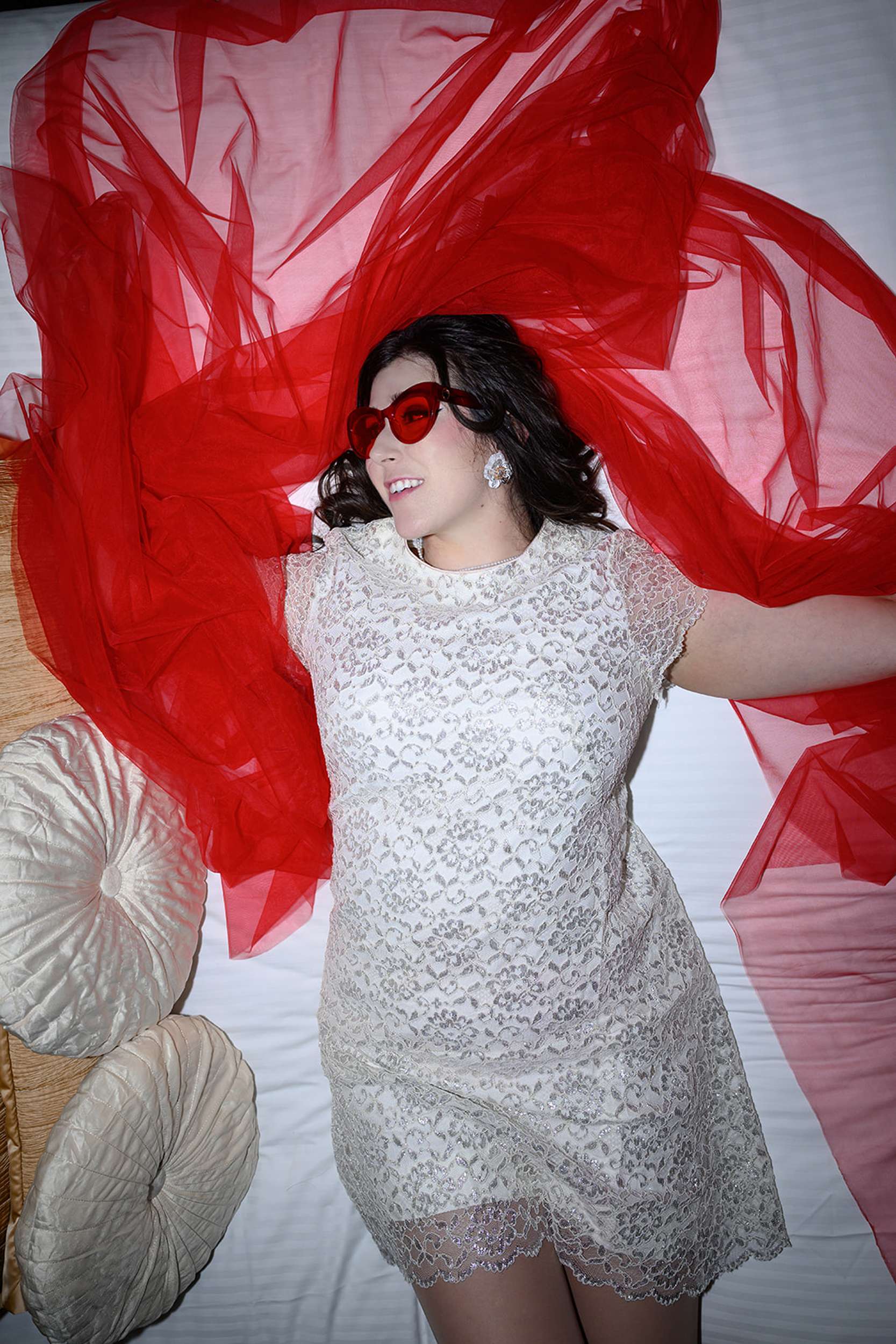
The financial breakdown of the bridal attire was as follows:
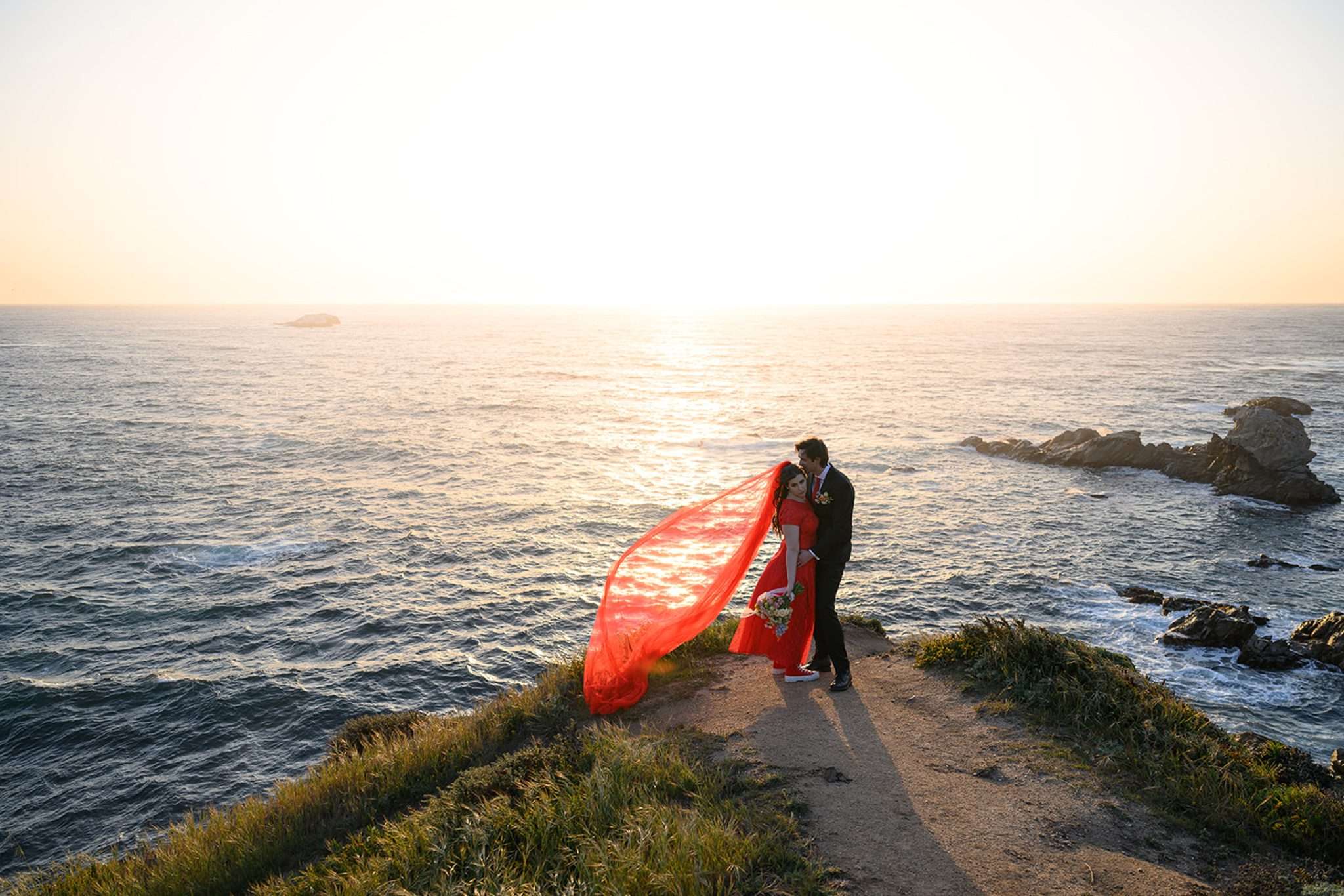
- Two dresses were acquired for less than $100 each.
- The third dress was purchased for under $200.
- Accessories included custom veils sourced from Etsy and a red veil from Amazon.
Bryn noted that the decision to buy vintage was driven by two primary factors: cost-effectiveness and individuality. In a market dominated by mass-produced bridal silhouettes, vintage garments offer a level of exclusivity that is difficult to replicate. "What are the chances of someone else having the same 60-year-old dress as you?" she observed, highlighting the appeal of breathing new life into quality pieces that have been stored for decades.
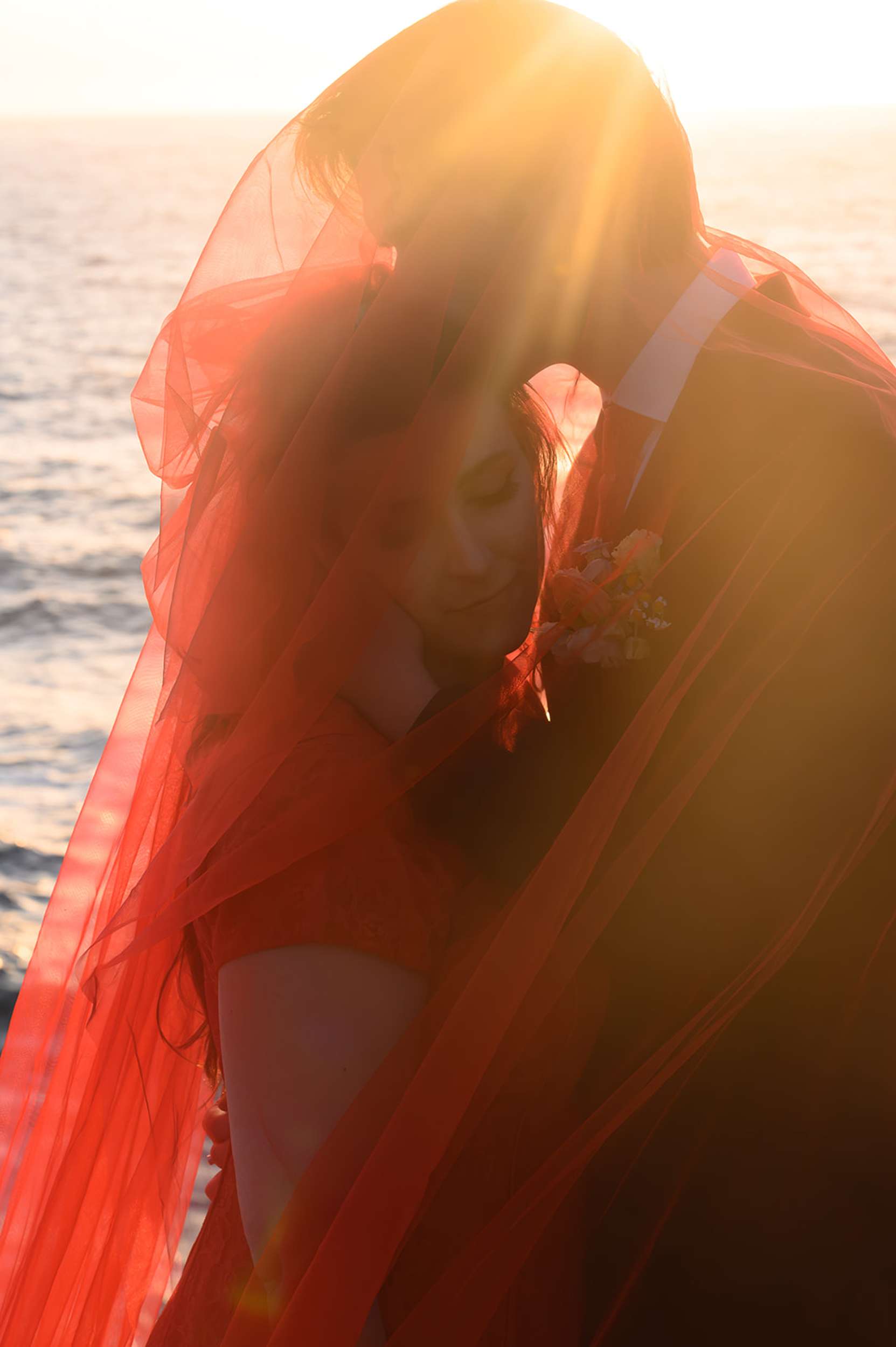
The groom, Taylor, followed a similar ethos, opting for a secondhand blue tuxedo that was subsequently tailored to fit. This commitment to the circular fashion economy not only reduced the environmental impact of the wedding but also allowed the couple to reallocate their budget toward their primary priority: professional documentation.

The Role of Professional Photography and Vendor Multitasking
In the absence of a traditional venue fee, catering for 100+ guests, and floral installations, the couple chose to invest the largest portion of their budget into their photographer, Julia Goldberg. This decision aligns with current trends in "photography-first" weddings, where the documentation of the event is considered more important than the live experience of a guest list.
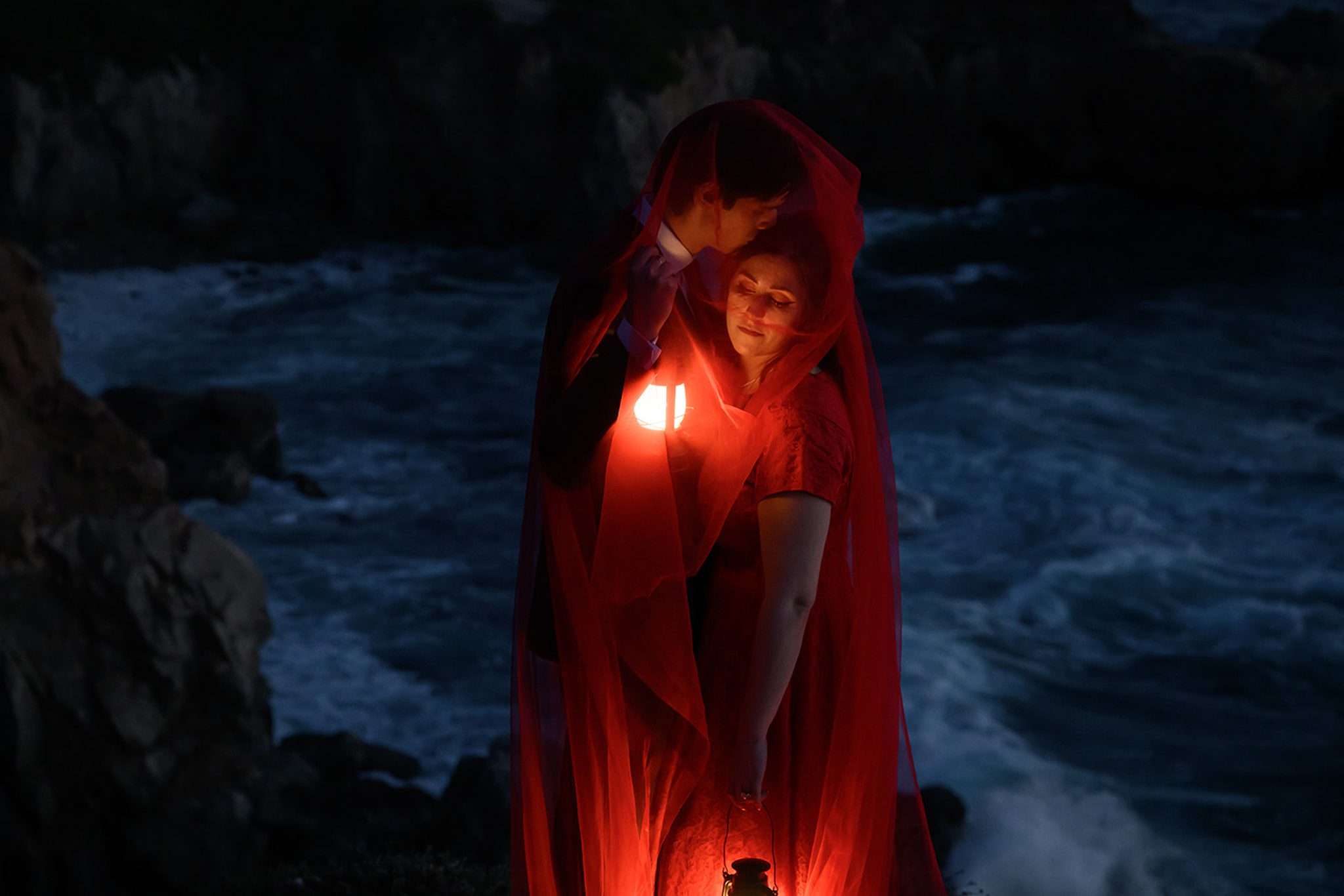
Goldberg’s role extended far beyond traditional photography. In many modern elopements, the photographer becomes a de facto wedding planner. For Bryn and Taylor, Goldberg performed several critical functions:
- Schedule Creation: Developing the timeline to ensure optimal lighting at both the Madonna Inn and Big Sur.
- Location Scouting: Identifying specific points on the cliffs that offered the best views while remaining accessible.
- Officiation: Serving as the legal witness and officiant for the marriage, a common practice in "adventure elopements" where a third-party minister may be impractical.
Bryn emphasized the importance of vendor selection, advising other couples to ensure their photographer is capable of capturing diverse body types and features. The investment in Goldberg was not merely for images but for the comprehensive management of the elopement’s logistical framework.
Heirlooms and the Connection to the Feminine Divine
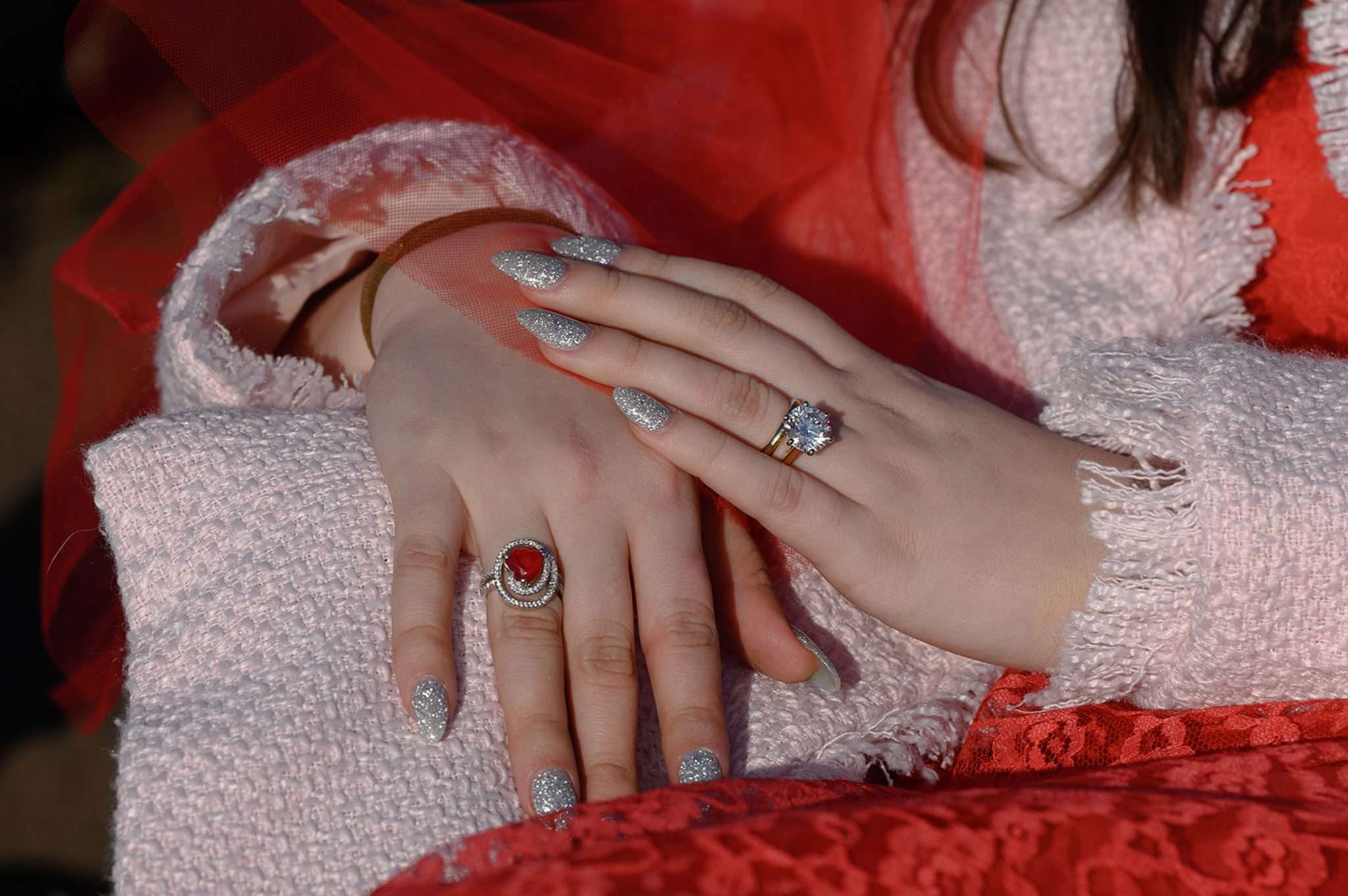
While the attire was largely sourced from the secondhand market, the jewelry worn by the bride carried deep ancestral significance. Bryn wore a collection of rings inherited from four generations of women in her family, including pieces from her grandmother, two great-grandmothers, and one great-great-grandmother.
This choice was described as a source of psychological strength. Bryn noted that wearing the jewelry made her feel connected to a "long line of fierce women," transforming the act of dressing up into a ritual of empowerment. In the context of an elopement, where family members are not physically present, such heirlooms serve as symbolic proxies, allowing the couple to maintain a sense of heritage and continuity without the complexities of a large family gathering.
Societal Implications: Age, Body Image, and Visibility
A significant element of this elopement was the bride’s intentional use of the platform to address representation within the wedding industry. At 34, Bryn pointed out that the "quintessential bride" depicted in media is almost exclusively in her early 20s and fits a specific weight demographic.
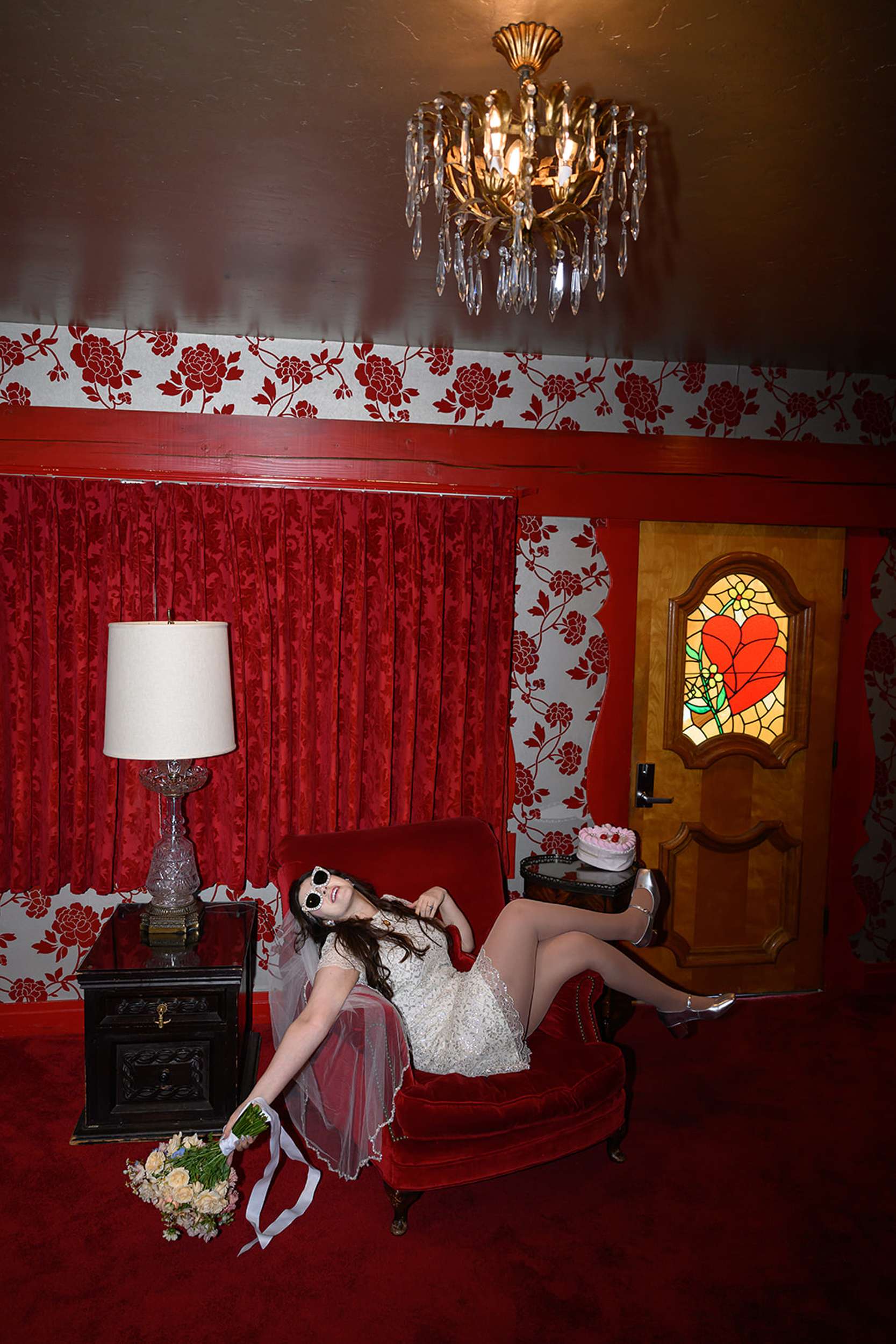
Furthermore, she highlighted the lack of visibility for individuals with facial scars. "I honestly can’t say I can remember ever seeing anyone over 30 depicted as the quintessential bride. I certainly have never seen a woman with facial scars in really any media," she stated. By documenting her wedding with high-end, editorial-style photography, Bryn aimed to challenge the industry’s narrow beauty standards. Her hope is that the images will serve as a point of representation for others who do not see themselves reflected in traditional bridal magazines, advocating for a shift away from homogenized beauty ideals.

The Economic and Psychological Shift Toward Elopement
The decision to elope is often framed as a rejection of societal pressure. Bryn and Taylor’s choice reflects a growing sentiment among millennials and Gen Z to prioritize personal joy over "people-pleasing" or adhering to the "wedding industrial complex."
Industry analysts suggest that the rise of elopements is tied to several factors:
- Economic Reality: With inflation affecting the cost of venues and services, many couples find the traditional $30,000+ wedding price tag to be an impractical use of capital.
- Autonomy: Elopements allow for total control over the itinerary, free from the expectations of family members or social circles.
- Experience-Over-Items: Couples are increasingly spending on travel and experiences (like a California road trip) rather than physical items for a one-day event.
Bryn’s advice to other couples was direct: "You do not owe anyone a special day… please prioritize your joy over the perceived societal pressures." This philosophy is at the core of the modern elopement movement, which treats the wedding not as a performance for an audience, but as a private adventure for the couple.
Conclusion and Industry Impact
The two-day California elopement of Bryn and Taylor serves as a case study for the modern, aesthetic-driven wedding. By leveraging the unique architecture of the Madonna Inn and the natural beauty of Big Sur, the couple created a high-impact visual narrative that was both personally meaningful and financially savvy.
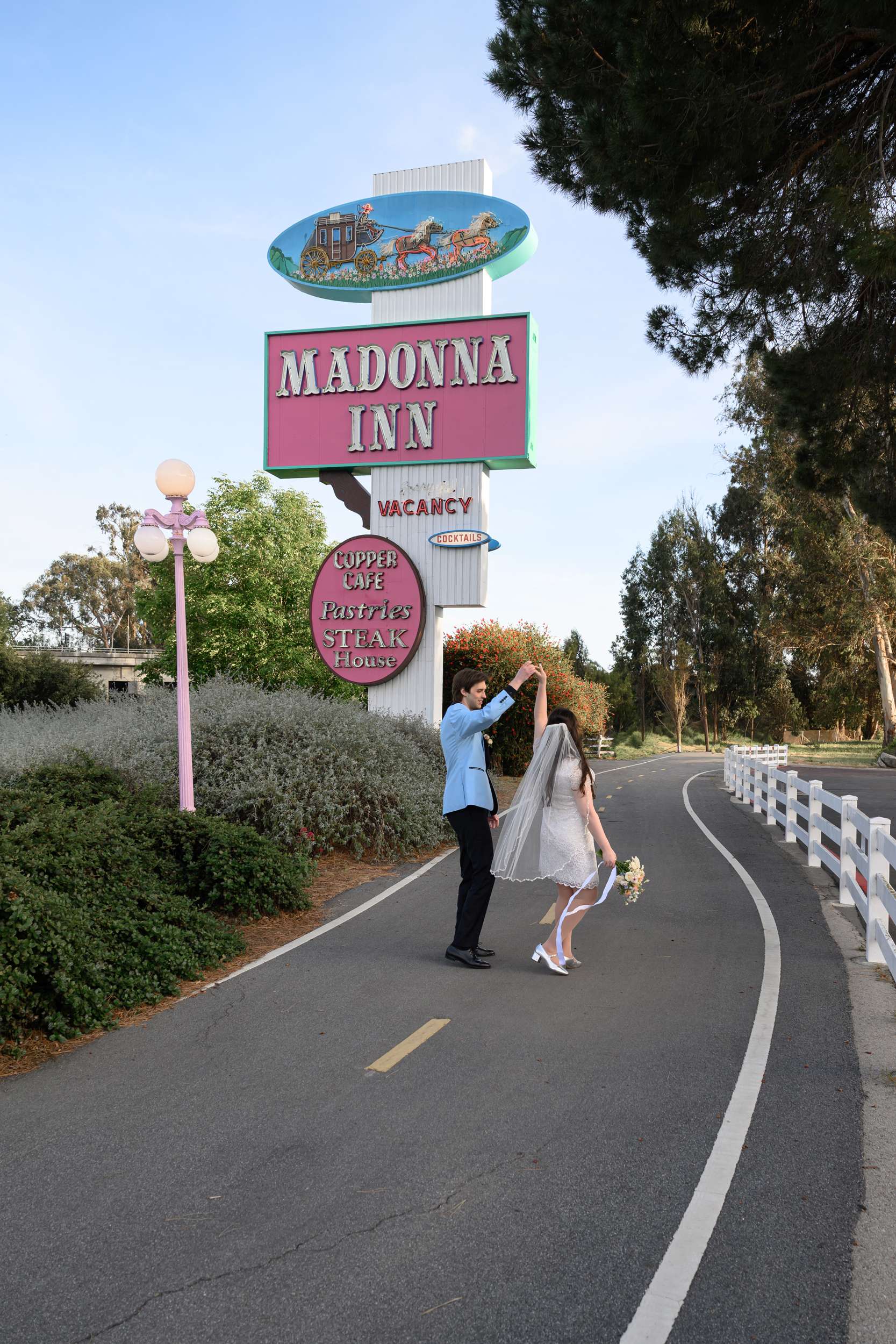
Their reliance on vintage garments, DIY beauty techniques (learned via online tutorials), and a multi-talented photographer demonstrates a move toward self-sufficiency and curated consumption. More importantly, the event highlighted the importance of representation, proving that the "ideal" wedding is not defined by the age, weight, or physical perfection of the participants, but by the authenticity of the experience. As the wedding industry continues to evolve, the success of such highly personalized elopements suggests that the future of matrimony may lie in smaller, more intentional celebrations that prioritize the couple’s values over tradition.