CustomerX Summit 2024: Bridging Cross-Sector Innovation to Capture the Modern Consumer

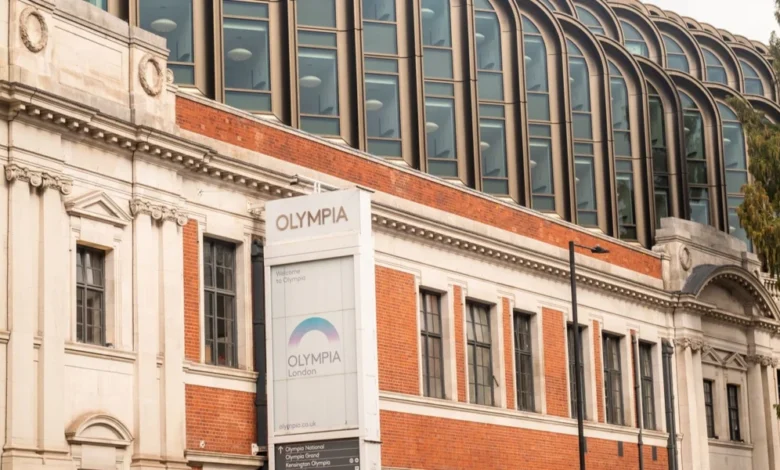
The landscape of modern commerce is undergoing a fundamental shift, moving away from rigid industry silos toward a fluid, outcome-driven ecosystem. As consumer expectations for seamless, friction-free experiences reach an all-time high, the upcoming CustomerX summit, scheduled for October 14-15 at Olympia London, aims to address this transformation. The event will convene a high-level assembly of decision-makers from the retail, hospitality, travel, leisure, and technology sectors to dissect the mechanisms of customer acquisition and retention in an era of hyper-connectivity.
The Evolution of Consumer Behavior: A Shift Toward Outcomes
Historically, businesses have categorized themselves by industry vertical. However, contemporary consumer behavior is defined by the pursuit of specific outcomes rather than institutional boundaries. Whether a consumer is planning a complex family holiday, managing a busy weekend, or navigating the logistical requirements of a child’s return to school, their focus remains on the "end result."
This transition has significant implications for market share. Modern data analytics suggest that when a customer encounters friction—such as disconnected payment systems, inconsistent brand messaging across channels, or disjointed logistics—they are 60% more likely to abandon a transaction in favor of a competitor who provides a more unified experience. CustomerX is built upon the premise that the winning brands of the next decade will be those that prioritize collaborative ecosystems, enabling a frictionless journey that spans multiple touchpoints and sectors.
Strategic Infrastructure: The Four Pillars of the Summit
To facilitate this cross-industry dialogue, the organizers have structured the summit around four distinct content streams, each designed to address a specific facet of organizational transformation.
The Supernova Theatre serves as the event’s conceptual nucleus. Here, industry leaders will engage in cross-sector discourse regarding the moments that define customer discovery, purchasing decisions, and long-term loyalty. By bringing together leaders from disparate fields—such as a hospitality executive discussing strategy with a retail technology innovator—the theatre aims to highlight how different industries are solving the same core customer challenges through varied methodologies.
The Gateway Theatre is oriented toward operational execution. This space is dedicated to the granular details of implementation, where teams present case studies of projects that have successfully translated high-level customer insights into measurable KPIs. By focusing on "what works," the Gateway Theatre provides a pragmatic laboratory for attendees to analyze the successes and failures of their peers, offering a framework for applying these lessons within their own organizations.
The Changemaker Theatre focuses on the architectural shifts required to drive meaningful business transformation. Sessions in this stream will dissect the operating models, commercial partnerships, and leadership decisions necessary to foster a culture of agility. This includes discussions on how to dismantle internal departmental silos that prevent a holistic view of the customer, as well as how to integrate emerging technologies into legacy systems without disrupting service continuity.
Finally, the Decision Rooms offer a private, invitation-only environment for senior executives. These closed-door sessions provide a space for peer-to-peer debate on high-stakes strategic decisions. By fostering an atmosphere of confidentiality, these rooms allow for the candid discussion of the risks and rewards associated with long-term digital transformation and the evolving role of customer-centric commerce in the global economy.
Data-Driven Context and Market Implications
The timing of CustomerX coincides with a period of intense pressure on corporate margins. With rising operational costs and a fluctuating economic climate, businesses are increasingly moving away from acquisition-only models toward a deeper focus on Customer Lifetime Value (CLV).
Market research indicates that companies that excel at personalizing the customer journey—often through the integration of AI-driven data analytics and cross-sector partnerships—see a 10% to 20% increase in customer satisfaction scores. Furthermore, the cost of acquiring a new customer has risen by approximately 50% over the past five years, making the retention of existing customers through superior experience design a critical financial imperative.
The event’s emphasis on "copy, collaborate, and compete" is a direct response to these pressures. In a hyper-connected market, "copying" refers to the adoption of proven best practices from outside one’s own sector. "Collaborating" involves the formation of strategic alliances—such as retailers partnering with logistics firms or travel providers working with local hospitality services—to create a unified consumer value proposition. "Competing," meanwhile, has shifted from price wars to experience wars, where the primary differentiator is the ease and efficacy of the end-to-end journey.
Chronology and Event Background
The conceptual development of CustomerX reflects the growing trend of industry convergence that has accelerated since 2020. As the digital and physical worlds have merged, organizations have found that their direct competitors are no longer just those selling the same product, but anyone who can offer a superior solution to the same consumer need.
Organizers have spent the last 18 months curating a speaker list that emphasizes this convergence. By inviting leaders from non-competing sectors, the event encourages a "blind spot analysis" of existing business models. The October dates are strategically chosen to coincide with the pre-holiday planning cycle, allowing attendees to implement insights gained from the summit during the high-traffic Q4 period.
Industry Reactions and Expert Commentary
While the full speaker lineup remains an evolving document, industry observers suggest that the focus on "friction-free" outcomes is timely. Analysts have noted that the "Amazon Effect"—the expectation of near-instant gratification and seamless service—has permeated every corner of the economy.
"The challenge for traditional retailers and service providers is no longer just digital transformation," says one industry consultant familiar with the summit’s planning. "It is the structural transformation of the business to align with the customer’s actual life path. That requires a level of collaboration between companies that haven’t historically spoken to one another. CustomerX is creating the infrastructure for those conversations to happen."
The event is expected to attract a diverse audience, including Chief Marketing Officers, Heads of Digital Transformation, and CX strategists who are tasked with navigating the complexity of modern consumer touchpoints. By providing a forum where a hospitality executive can learn from a retail innovator’s supply chain transparency, the summit intends to break the "echo chamber" effect that often hampers innovation within single industries.
The Broader Impact: Toward a Customer-Centric Future
The broader implication of the CustomerX agenda is a shift toward an ecosystem-based economy. In this model, the boundaries between buying a product, booking a service, and experiencing an event become increasingly blurred.
For example, a retailer that integrates its loyalty program with local hospitality venues can create a "weekend experience" for its customers that extends beyond the initial transaction. This type of integration requires a high degree of technological interoperability and a shared vision of the customer’s intent. The summit provides the necessary platform to discuss the technical and commercial hurdles—such as data sharing, privacy compliance, and incentive alignment—that currently prevent such partnerships from reaching their full potential.
As the event approaches, the focus for the organizers remains on the tangible outcomes for the attendees. The goal is to move the conversation beyond theoretical discourse and toward actionable, scalable strategies that can be implemented across diverse business environments. Whether through the collaborative atmosphere of the Supernova Theatre or the pragmatic workshops in the Gateway Theatre, CustomerX is positioning itself as a central hub for those tasked with defining the next generation of commerce.
For those operating within the retail, travel, or hospitality sectors, the summit offers an opportunity to benchmark their performance against a broader set of standards. As the marketplace continues to evolve, the ability to adapt to the "outcome-focused" mindset will likely be the primary determinant of long-term success. Attendees will leave with more than just networking contacts; they will possess a roadmap for navigating the complexities of a hyper-connected, customer-centric economy.
Interested parties looking to participate in this dialogue are encouraged to review the full session schedule and registration details provided on the official event portal, ensuring they are prepared to engage in what promises to be a pivotal discussion on the future of global commerce.