Canadian artist David Ellingsen confronts a century of environmental extraction through images originally made to celebrate it, with a project rooted in his own family history. In a poignant exploration of legacy and ecological consequence, Ellingsen’s series, "Days of Plenty: An Archive of Abundance," meticulously recontextualizes historical photographs to expose the often-celebrated narrative of resource extraction and trophy hunting, revealing a profound and deeply personal reckoning with the environmental degradation of the past.
The genesis of this powerful project lies in a stark personal discovery. In 1956, the final grizzly bear ever documented on Reef Point Farm, the Ellingsen family’s ancestral land on Cortes Island, British Columbia, was shot and killed. The perpetrator? David Ellingsen’s great-grandfather. This unsettling revelation came to light as Ellingsen himself was documenting the last remnants of old-growth trees on the same land. Tracing the history of their felling, he uncovered that these ancient giants too had been felled by his great-grandfather’s hand. "So photographing and making images in this way is massively personal for me," Ellingsen stated, underscoring the intimate connection between his artistic practice and his family’s historical relationship with the land.
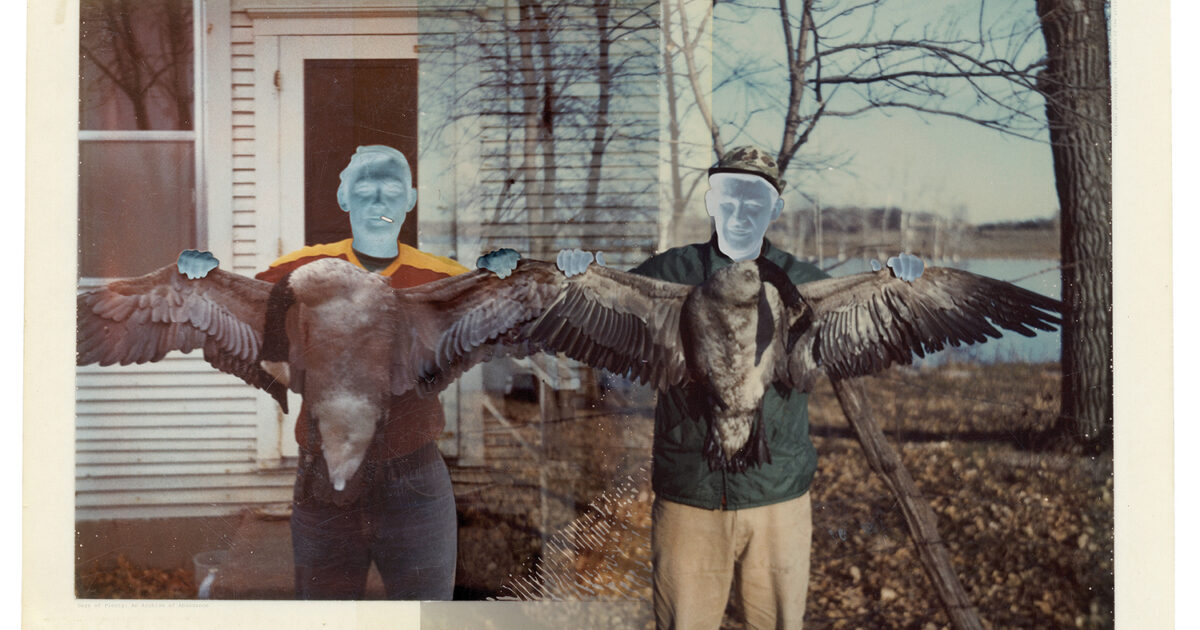
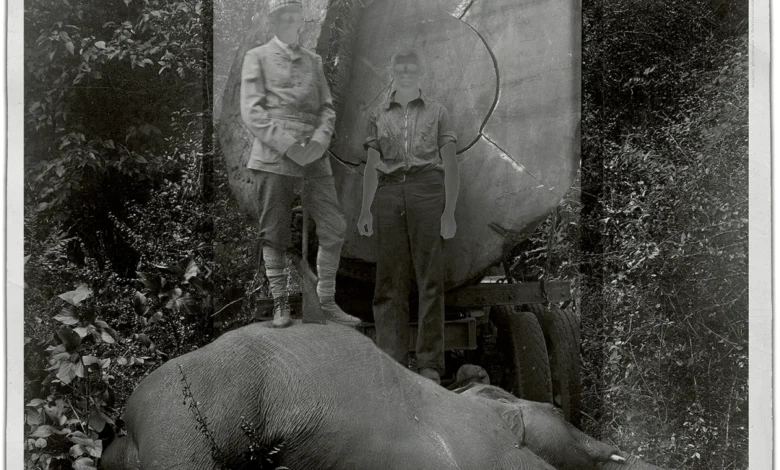
This inherent tension—the celebration of abundance versus the stark reality of its depletion—forms the thematic core of "Days of Plenty." The exhibition, currently on display at the Cowichan Public Art Gallery in Duncan, Vancouver Island, is slated to travel to the 2026 Backlight Photo Festival in Tampere, Finland, ensuring its critical message resonates internationally. The series is a testament to Ellingsen’s meticulous research and conceptual rigor, drawing upon a vast collection of archival photographs sourced from institutions, online auctions, and charity shops. These found images, originally intended to commemorate moments of perceived plenty and human triumph over nature, are transformed through collage into powerful critiques of resource extraction and trophy hunting. The materiality of the artwork further enhances its message; printed in pigment ink on cotton rag, each piece is hand-cut and finished with gold edging, a deliberate choice that imbues the works with both environmental urgency and a considered aesthetic.
Ellingsen’s upbringing on Cortes Island, a community of approximately 1,000 inhabitants nestled on the wild Pacific coast, profoundly shaped his perspective. His family’s involvement in logging, which began in 1887, placed him within a complex ecosystem of human interaction with the natural world. Simultaneously, he was exposed to environmental activism through figures like Rex Weyler, a photographer and an early collaborator with Greenpeace. This duality—growing up with a family legacy tied to resource extraction while also being influenced by early environmental consciousness—fuels his artistic practice, particularly within this series. Significantly, all the imagery within "Days of Plenty" was created by others, predominantly between the mid-19th century and 1970, the year Ellingsen established as his chosen terminus for this archival exploration.
A Reckoning with Environmental Loss
Ellingsen’s selection of 1970 as a demarcation point is not arbitrary. "Every environmental study I’ve ever read begins with the phrase ‘Since 1970,’ that’s when scientific baselines started being established," he explained. "But by 1970, the passenger pigeon was already gone. Five billion animals in a single species, eradicated. The bison reduced from 35 million to 300. The world was already so diminished. This project tries to reach back before that baseline and show what has been lost." This historical framing underscores a critical intergenerational amnesia, a societal tendency to accept the current state of the environment as immutable without acknowledging the cumulative losses that preceded it.

The artist’s approach directly confronts this "intergenerational amnesia." By layering photographs from disparate eras into single collaged works, Ellingsen masterfully compresses time, rendering the incremental nature of loss suddenly and starkly visible. This technique aligns with a growing movement in contemporary photography that engages with counterhistories, reinterpreting dominant narratives through the strategic reuse and recontextualization of archival materials. However, Ellingsen’s specific focus on the non-human world imbues his work with a distinct and urgent ecological edge.
Deconstructing the Trophy Photograph
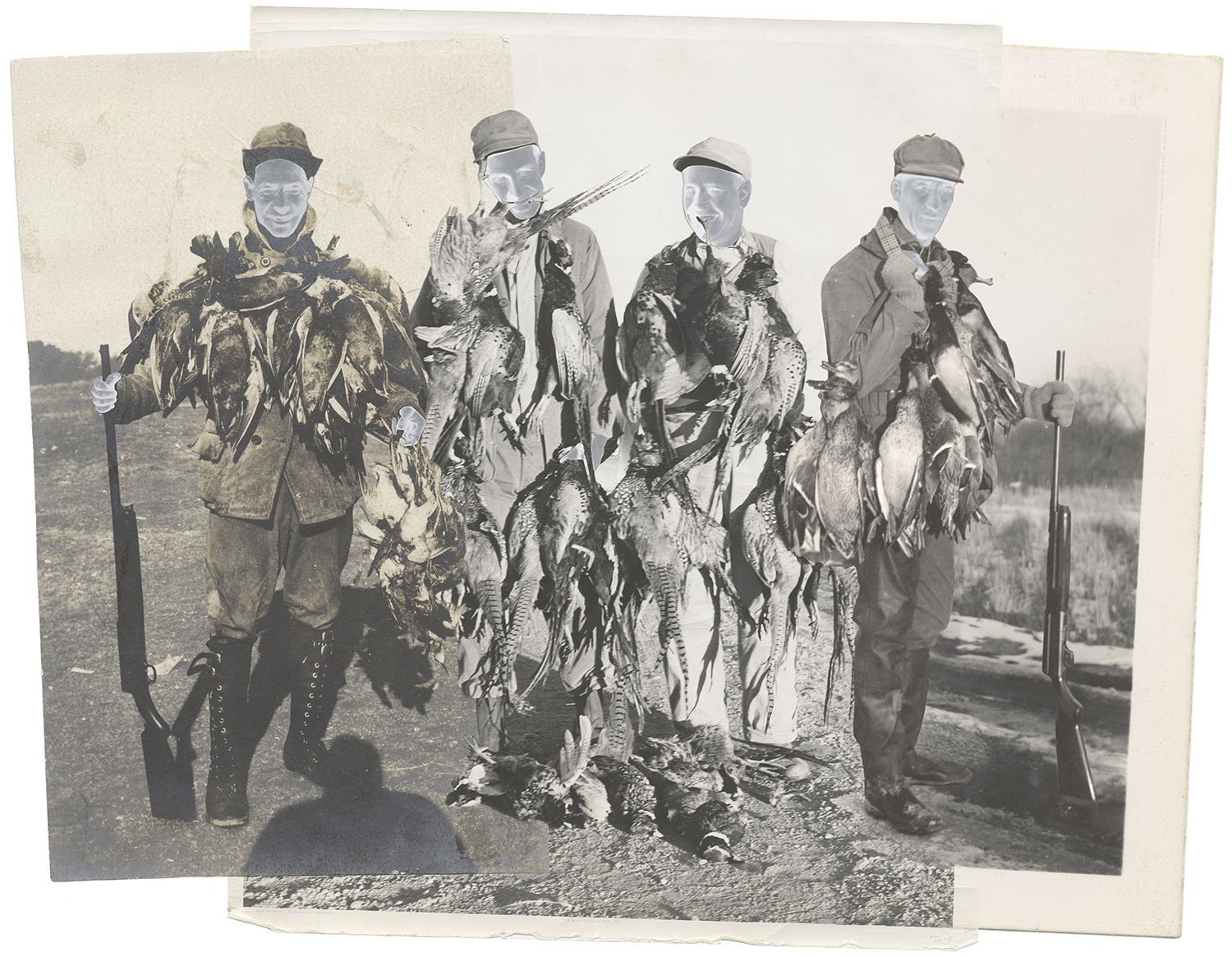
The figures depicted in the photographs—hunters proudly posing with their kills, individuals surrounded by mountains of slaughtered animals—are rendered as negatives, their identities obscured, making them appear almost spectral. "The human eye is anthropocentric; we go straight to the person in the frame," Ellingsen observed. "I needed a way to obscure identity without removing the human figure entirely." This artistic choice serves to shift the viewer’s focus from the individual perpetrator to the scale of the environmental impact.
Ellingsen draws a compelling parallel between the historical trophy photograph and the modern-day selfie, characterizing both as essentially performative acts of self-validation. "Each image is essentially recording an individual saying, ‘Look at me, look at what I did.’" He elaborates on this, stating, "That cult of the individual, the idea that our personal desires should take precedence over the communal good, was there in 1890 and it’s definitely still there now." This critique extends beyond the historical context of the photographs, highlighting the enduring human tendency towards self-aggrandizement at the expense of collective well-being and environmental stewardship.
Materiality as a Statement
The physical construction of the artworks further amplifies Ellingsen’s conceptual framework. The use of gold edging is a deliberate nod to the cabinet cards and cartes-de-visite prevalent during the era from which many of his source images originate. These were the popular formats through which trophy photographs were often shared and celebrated, imbuing the practice with a sense of social validation. By reviving this ceremonial quality, Ellingsen implicates the very medium of photography itself, questioning its historical role in making environmental exploitation legible, shareable, and socially sanctioned.
In a contemporary landscape increasingly dominated by AI-generated imagery and a relentless pursuit of digital perfection, Ellingsen’s hands-on approach serves as a deliberate act of resistance. "A small act of defiance against AI and the pursuit of perfection in imaging," he describes his process of hand-cutting and physically constructing each piece. This return to the tangible object offers a counterpoint to the ephemeral and rapidly generated nature of modern digital media, providing viewers with an opportunity to engage with the artwork as a physical entity, to contemplate its creation, and to reflect on the slow, deliberate destruction it represents.
Broader Implications and Context
The "Days of Plenty" project emerges within a broader context of contemporary artistic and academic discourse grappling with the Anthropocene and the urgent need for environmental accountability. Artists and scholars are increasingly turning to archival materials to interrogate historical narratives and uncover marginalized perspectives, particularly concerning human impact on the planet. Ellingsen’s work contributes significantly to this field by employing a visually arresting and deeply personal methodology to expose the roots of present-day ecological crises.
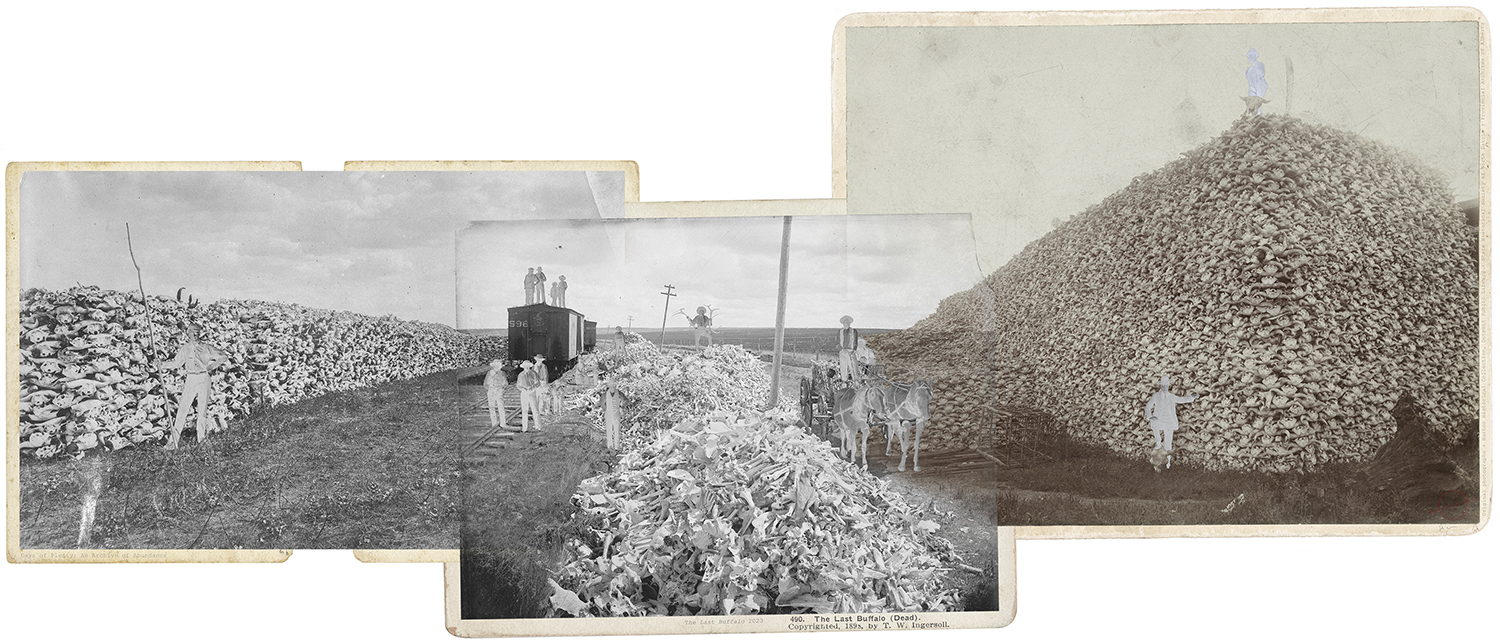
The historical trajectory of resource extraction in Canada, and indeed globally, is a complex tapestry woven with threads of economic development, colonial expansion, and a prevailing ideology of nature as an inexhaustible resource. From the fur trade and logging to mining and industrial agriculture, these activities have shaped landscapes, displaced communities, and irrevocably altered ecosystems. Ellingsen’s project provides a visual counter-narrative, challenging the romanticized accounts of progress and prosperity that often accompanied these exploitative practices.
The exhibition’s upcoming international tour to Finland, a country with its own rich history of forestry and a strong contemporary environmental consciousness, promises to spark dialogue and reflection among diverse audiences. The stark contrast between the celebrated "abundance" depicted in the original photographs and the ecological realities of today serves as a potent reminder of the long-term consequences of unchecked extraction.
A Legacy of Loss and Reflection
Ellingsen’s personal connection to the land and his family’s history provides a powerful anchor for "Days of Plenty." The project is not merely an academic exercise in archival reclamation; it is a deeply felt exploration of heritage, guilt, and the enduring responsibility to confront the environmental legacies of the past. By re-presenting these historical images, Ellingsen invites viewers to question their own relationship with the natural world and to consider the often-unseen costs of perceived abundance.
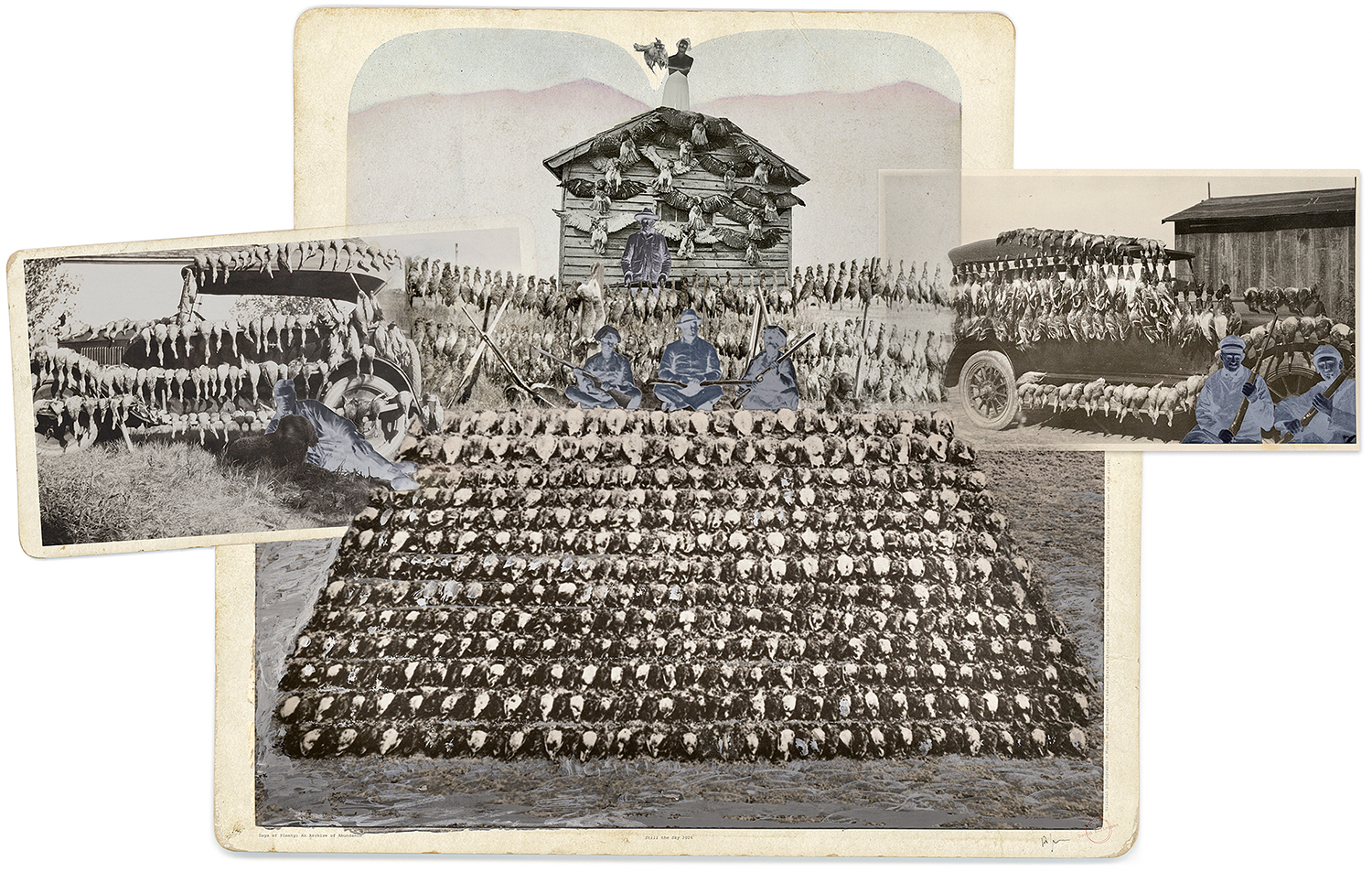
The artist’s meticulous attention to detail, from the sourcing of the archival materials to the final presentation of the works, underscores the gravity of his message. The juxtaposition of historical imagery with contemporary artistic techniques creates a dialogue across time, urging us to learn from the past and to actively shape a more sustainable future. As the world grapples with unprecedented environmental challenges, "Days of Plenty: An Archive of Abundance" stands as a vital and moving testament to the enduring power of art to illuminate, provoke, and inspire change.
David Ellingsen was the BJP Award winner at Format Festival’s 2026 FORMAT Portfolio Review. His work can be further explored at davidellingsen.com.