Digital Edition: Liberty’s Lydia King on why the luxury retailer is betting big on fabric

The strategic decision by Liberty London to significantly expand its fabrics department marks a pivotal moment for the heritage retailer, signaling a renewed commitment to its founding principles while navigating the complexities of the modern luxury market. Lydia King, Liberty’s Retail Managing Director, has identified the fabric division not merely as a historical curiosity, but as the primary engine for the brand’s future growth and a cornerstone of its unique identity in a crowded retail landscape. As global luxury consumers shift their focus toward authenticity, provenance, and the "slow fashion" movement, Liberty is positioning its textile archive and manufacturing prowess at the center of its commercial strategy.
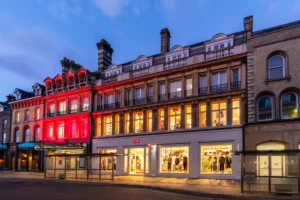
The expansion involves a comprehensive redesign and enlargement of the store’s dedicated fabric floor, located within the iconic Grade II-listed Tudor building on Great Marlborough Street. This investment follows a period of robust performance for the textile arm of the business, which has seen increased demand from both individual hobbyists and international fashion houses. By elevating the fabric offering, Liberty aims to capitalize on the growing "maker economy" and the rising consumer interest in bespoke, high-quality materials that stand in contrast to mass-produced apparel.
The Strategic Importance of the Fabric Division
For Liberty, fabric is more than a product category; it is the DNA of the brand. Founded in 1875 by Arthur Lasenby Liberty, the store initially gained fame for its imported silks and oriental goods. By the early 20th century, the "Liberty Print" had become a global phenomenon, synonymous with the Art Nouveau and Aesthetic movements. Today, the fabric division remains one of the few areas where the retailer acts as both a manufacturer and a merchant.
Lydia King’s strategy revolves around leveraging this vertical integration. Unlike other luxury department stores that rely almost exclusively on third-party brands, Liberty owns its designs and its production processes. The company’s design studio in Soho continues to produce original hand-painted prints, which are then brought to life at the Liberty-owned printing mill near Lake Como, Italy. This control over the supply chain allows the retailer to maintain high margins and ensure the exclusivity of its patterns.
The expansion of the fabrics floor is also a response to the changing nature of luxury retail. In an era where e-commerce offers convenience, physical stores must offer "experience" and "tactility." King notes that the fabric floor is inherently experiential; customers come to touch the Tana Lawn cotton, see the vibrancy of the dyes in person, and engage with staff who possess deep technical knowledge of dressmaking and upholstery.
A Chronology of Innovation and Heritage
To understand the weight of this current expansion, it is necessary to look at the timeline of Liberty’s relationship with textiles:
- 1875: Arthur Lasenby Liberty opens Liberty & Co. on Regent Street with a focus on imported fabrics from the East.
- 1880s: The store begins collaborating with prominent designers like William Morris to create exclusive English-made fabrics, moving away from pure importation.
- 1924: The iconic mock-Tudor building is completed using the timbers of two HMS warships. In the same era, "Tana Lawn" cotton—named after Lake Tana in Ethiopia where the raw cotton originated—is developed. Its silk-like feel and durability make it a global staple.
- 1950s-70s: Liberty prints become a hallmark of the "swinging London" fashion scene, used extensively by designers like Mary Quant and Jean Muir.
- 2010: The company is acquired by BlueGem Capital Partners, which begins a process of modernizing the brand while protecting its heritage assets.
- 2020-2023: During the global pandemic, Liberty sees a surge in home-sewing and DIY craft. The "Great British Sewing Bee" effect and a desire for sustainable, handmade clothing drive double-digit growth in fabric sales.
- 2024-2026: Liberty initiates its largest physical expansion of the fabrics floor in decades, integrating digital tools with traditional retail to serve a global clientele.
Market Data and Consumer Trends
The decision to "bet big" on fabric is supported by broader economic and consumer data. The global textile market is projected to grow significantly over the next decade, with the luxury segment outperforming general retail. According to market analysis, the "craft and hobby" sector, which includes home sewing, has seen a resurgence as consumers seek ways to reduce their environmental footprint by repairing or making their own garments.
Liberty’s internal data reflects this shift. The brand has reported a notable demographic shift in its fabric customer base, with a younger generation of "makers" entering the market. These consumers are often motivated by sustainability and the desire for "quiet luxury"—the idea that the quality of the material and the craftsmanship of the build are more important than overt logos.
Furthermore, the wholesale arm of Liberty Fabrics continues to be a major revenue stream. The company’s prints are frequently seen on the runways of Gucci, Marc Jacobs, and Vivienne Westwood, as well as in collaborations with mainstream brands like Nike, Uniqlo, and Barbour. By expanding the retail footprint for these fabrics, King is essentially creating a flagship showroom for the entire textile business, which serves both the B2C (Business to Consumer) and B2B (Business to Business) markets.
Enhancing the In-Store Experience
The redesigned fabric floor is expected to feature more than just rolls of cloth. Reports indicate that the space will include dedicated consultation areas for bespoke projects, interactive digital archives where customers can explore the history of specific prints, and an expanded range of haberdashery and sewing notions.
Lydia King has emphasized the importance of the "Liberty community." The store plans to host more workshops and events that bring together textile artists, fashion students, and home sewists. This community-centric approach is designed to foster brand loyalty that goes beyond a single transaction. By positioning the store as a hub of creativity, Liberty ensures that it remains relevant in a digital-first world.
"The fabric floor is the heart of the building," King has stated in internal communications. "It is where our history meets our future. By investing here, we are not just selling a product; we are inviting our customers to be part of the creative process."
Broader Implications for Luxury Retail
Liberty’s move is being closely watched by retail analysts as a potential blueprint for other heritage brands. As department stores worldwide struggle to compete with online giants like Amazon or specialized luxury platforms like MyTheresa, Liberty’s focus on a niche, high-margin, proprietary product offers a path to sustainability.
The focus on fabric also aligns with the global trend toward "circularity" in fashion. By encouraging customers to make their own high-quality garments, Liberty is tapping into the ethos of "buy less, buy better." Tana Lawn cotton, for instance, is known for its longevity, often being passed down through generations. In a world increasingly concerned with the waste generated by fast fashion, Liberty’s business model—centered on durability and timeless design—appears remarkably modern.
Moreover, the expansion highlights the resilience of the London luxury market. Despite economic headwinds and changes in tourist spending patterns, heritage destinations like Liberty continue to draw crowds by offering something that cannot be replicated online: a sense of place and a tangible connection to history.
Future Outlook
Looking ahead, the success of this expansion will likely depend on Liberty’s ability to balance its traditional appeal with technological innovation. There are rumors of the brand exploring digital "skins" for the metaverse using their iconic prints, as well as using AI to help customers visualize how a specific fabric will look as a finished garment.
However, for Lydia King and the leadership team at Liberty, the immediate priority remains the physical transformation of the store. By doubling down on the very thing that made the brand famous 150 years ago, Liberty is betting that the future of luxury lies in the threads of its past. The expansion of the fabrics floor is a statement of confidence—not just in the Liberty brand, but in the enduring value of craftsmanship, color, and the human touch in an increasingly automated world.
As the project moves toward completion, the industry expects a significant lift in both footfall and revenue, cementing Liberty’s status as the world’s premier destination for luxury textiles. The "bet" on fabric is, in essence, a bet on the soul of the retailer itself.
Related posts: