Hush Marks Strategic Pivot as Digital-First Fashion Brand Debuts First Standalone Retail Stores

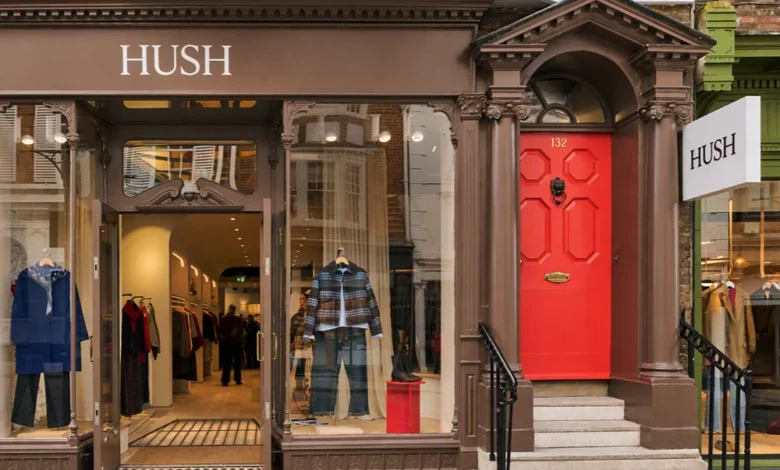
The landscape of British retail is undergoing a significant transformation as Hush, the London-born fashion powerhouse, makes a definitive leap from the digital realm into the physical high street. After two decades of operating as a predominantly online-first business, the brand has officially launched its first three standalone stores, signalling a new chapter in its growth strategy. This move represents a major shift for the company, which has spent the last twenty years cultivating a loyal following through its e-commerce platform and strategic department store concessions.
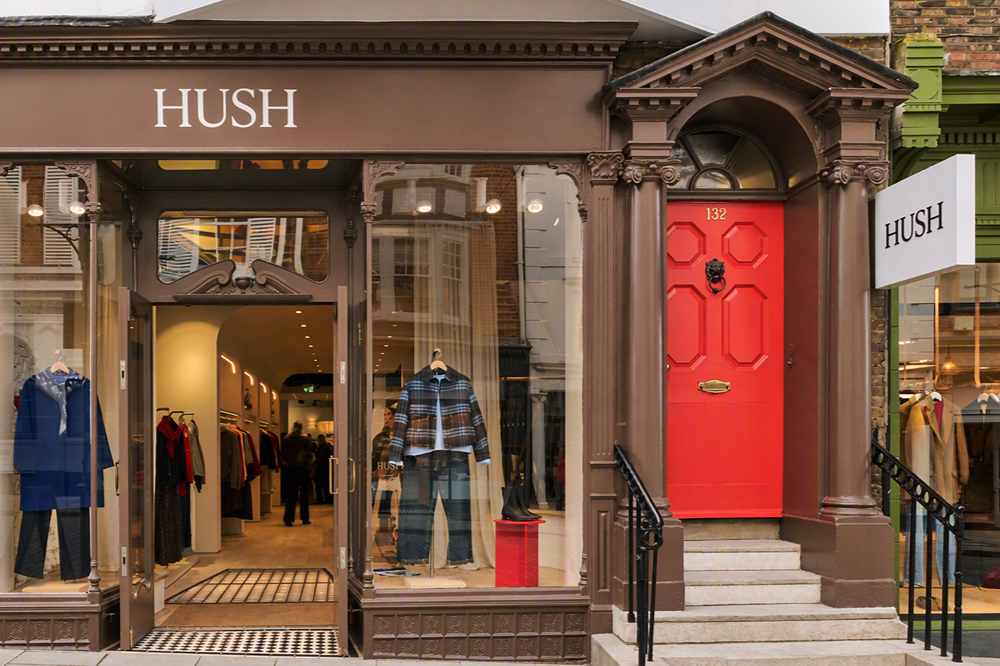
The debut of these flagship locations—situated in Kent’s Bluewater shopping centre, Guildford’s High Street in Surrey, and Marlow’s High Street in Buckinghamshire—serves as a testing ground for the brand’s omnichannel future. By integrating physical storefronts into its operational model, Hush is aiming to bridge the gap between digital convenience and the sensory experience of in-person retail, a move that reflects broader trends within the UK’s fashion sector as retailers seek to solidify brand identity in a post-pandemic market.
A Chronology of Expansion
The rollout of these stores followed a deliberate, staggered timeline designed to capture diverse consumer demographics across the South East of England. The initial phase of this physical expansion commenced on 9 October with the grand opening at the Bluewater shopping centre. As one of the UK’s premier retail destinations, Bluewater offers Hush high-volume footfall and access to a broad cross-section of shoppers.
The momentum continued into the following week when the brand opened its doors in Guildford on 16 October. The choice of Guildford High Street is indicative of the brand’s focus on affluent, established retail hubs where premium womenswear continues to perform well. Finally, the third location in the picturesque market town of Marlow opened on 5 November, completing the initial trio of pilot sites. This measured approach allowed the company’s management team to manage operational logistics, staff training, and inventory allocation in real-time, ensuring that the brand’s high standards for customer service were maintained across all three distinct environments.
The Evolution of a Digital-First Brand
Founded in 2003 by Australian entrepreneur Mandy Watkins, Hush carved out a niche as an accessible, stylish, and comfortable womenswear label. For much of its history, the brand’s business model was tethered to its website, with occasional physical presence limited to concessions within John Lewis department stores and temporary, seasonal pop-up shops. This "asset-light" approach was highly effective for years, allowing the company to scale rapidly without the significant overheads associated with long-term retail leases.
However, the retail environment has shifted. As customer acquisition costs online continue to rise and consumer behaviour gravitates toward a hybrid shopping experience, the necessity of a physical footprint has become increasingly apparent. The decision to move into full-price standalone stores is not merely about selling clothes; it is about providing a tangible brand experience. In these new stores, customers can engage directly with fabrics, experience the drape and fit of garments, and access the styling advice that has historically been limited to digital lookbooks and social media tutorials.
Strategic Site Selection and Market Positioning
The selection of these specific locations was far from arbitrary. According to company leadership, each site serves a distinct purpose in the brand’s broader growth strategy. Bluewater functions as a high-traffic regional hub, capable of introducing the brand to a wide audience that may have previously only encountered the company online. Guildford represents the "premium high street" demographic, targeting a core segment of the brand’s existing customer base who value local, convenient, and high-quality shopping experiences. Marlow, meanwhile, addresses the "affluent market town" segment, a demographic that has historically supported premium independent and mid-market fashion retailers.
By diversifying its presence across these three environments, Hush is essentially conducting a live case study. The data gathered from these locations—regarding conversion rates, average transaction values, and customer feedback—will be instrumental in determining the brand’s future store rollout strategy.
Leadership Vision and Corporate Growth
Sarah Miles, the chief executive of Hush, has framed these openings as a critical milestone for the company. In her assessment of the expansion, Miles noted that the shift is a direct response to evolving consumer preferences. "Customers are increasingly looking for opportunities to experience the brand beyond its website," she stated, highlighting the necessity of human interaction in the modern retail journey.
The move into physical retail comes during a period of positive momentum for the company. Hush has reported improvements in full-price sales and an increase in its total customer count, suggesting that the brand’s core proposition—blending comfort with contemporary style—remains highly relevant. By expanding its physical presence, the retailer is looking to solidify these gains and leverage the "halo effect" that physical stores often provide for online sales. Retail research frequently demonstrates that when a brand opens a physical store, online traffic in that specific geographic area often increases, as the shop serves as a constant, physical billboard for the brand.
The Broader Impact on the Retail Landscape
The expansion of Hush is emblematic of a larger, systemic shift in the UK retail market. For years, the narrative was dominated by the "death of the high street" as digital-native brands disrupted traditional retailers. Today, the pendulum is swinging toward a more balanced, omnichannel approach. Many brands that once operated exclusively online—such as Amazon, Allbirds, and various direct-to-consumer labels—have realised that physical stores are essential for building trust and community.
Furthermore, the move is a vote of confidence in the UK high street. Despite the well-documented pressures of business rates, utility costs, and a tightening cost-of-living crisis, premium and mid-market retailers that offer a curated, high-service experience are finding success. By focusing on quality over quantity and choosing locations with strong existing demographics, Hush is positioning itself to weather economic fluctuations while maintaining a premium market position.
Future Outlook and International Ambitions
Looking beyond the current trio of stores, Hush is clearly keeping its options open. The company has explicitly stated that it is assessing the performance of these first three shops to inform potential future locations. This indicates a disciplined, analytical approach to expansion, avoiding the over-extension that has plagued many other retailers in the past.
Moreover, the scope of Hush’s ambition extends beyond the British Isles. The company has identified international markets—specifically the United States, Ireland, and the Middle East—as potential growth frontiers. While these plans are currently in the exploratory phase, the successful implementation of a domestic standalone retail model provides a blueprint that could eventually be adapted for international expansion. Whether through partnerships, department store concessions, or standalone flagships in global cities, the infrastructure being built today in Kent, Surrey, and Buckinghamshire is the foundation for the company’s global ambitions.
Analysis of the Retail Strategy
From a retail analytics perspective, the move is a logical progression. Hush is moving to capture "omnichannel" customers, who are statistically more valuable than their single-channel counterparts. Research consistently shows that shoppers who interact with a brand across both digital and physical touchpoints have higher lifetime value, lower return rates, and greater brand loyalty.
The ability for a customer to "web-room" (research online, buy in-store) or "show-room" (try in-store, buy online for home delivery) provides a seamless experience that pure-play e-commerce brands struggle to replicate. Furthermore, the inclusion of styling advice within the stores elevates the transaction from a mere purchase to a service-oriented experience. This aligns with the "experiential retail" trend, where stores serve as community hubs rather than simple transaction centres.
Conclusion
Hush’s entry into the world of physical retail is a significant move that underscores the brand’s maturity and confidence. By taking a calculated, multi-site approach, the company is not only diversifying its revenue streams but also deepening its relationship with its customer base. As the retail sector continues to navigate a complex environment, the success of these stores will serve as a bellwether for the brand’s ability to translate its digital success into the tangible world of bricks and mortar. Whether this expansion remains a select group of flagship stores or evolves into a nationwide network remains to be seen, but for now, Hush has firmly established itself as a brand to watch in the evolving theatre of modern British retail.
Related posts: