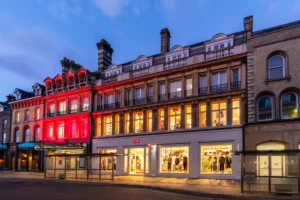
Women’s activewear and lifestyle brand Tala is continuing its ambitious physical retail expansion strategy with the announcement that it will open its first standalone store outside of the English capital this coming November, choosing Edinburgh, Scotland, as the destination for its latest milestone. Founded by entrepreneur and fitness influencer Grace Beverley, the brand has built a loyal, digital-first community since its inception in 2019, primarily driven by its commitment to sustainability, inclusivity, and technical performance wear. The upcoming Scottish launch marks a pivotal shift for the direct-to-consumer label as it transitions further into an omnichannel retail model, bringing its physical shopping experience to a new demographic of consumers in the heart of Scotland.
The Edinburgh boutique is slated to open its doors in November 2026, positioning itself within a thriving retail corridor that attracts both local shoppers and international tourists. While specific details regarding the exact square footage and interior design concept of the Edinburgh location remain closely guarded, the store is expected to reflect Tala’s signature aesthetic: clean, modern, and grounded in eco-conscious design principles. The brand’s physical retail debut follows extensive experimentation with pop-up spaces and wholesale partnerships, signaling to retail analysts that the label is ready to make permanent, bricks-and-mortar investments in key regional hubs across the United Kingdom.
The Rise of Tala: A Chronology of Growth
To understand the significance of Tala’s move into Edinburgh, it is necessary to examine the brand’s rapid evolution since its launch. Established in 2019 by Grace Beverley—who was already well-known within the fitness and business spheres—Tala entered a crowded athleisure market dominated by legacy giants and fast-fashion alternatives. However, the brand carved out a distinct niche by promising high-performance activewear crafted from recycled and low-impact materials without compromising on style, fit, or price point.
In its first year of operation, Tala generated significant industry buzz, recording impressive multi-million-pound revenues almost immediately and proving that consumer demand for sustainably manufactured activewear was surging. Unlike many digital native vertical brands (DNVBs) that prioritized rapid, wholesale-driven scaling, Tala focused heavily on community building, meticulous product development, and supply chain transparency. Throughout 2021 and 2022, the brand expanded its product lines beyond core leggings and sports bras to include loungewear, swimwear, and everyday essentials, all while refining its material compositions to increase the percentage of recycled nylon and polyester used in production.
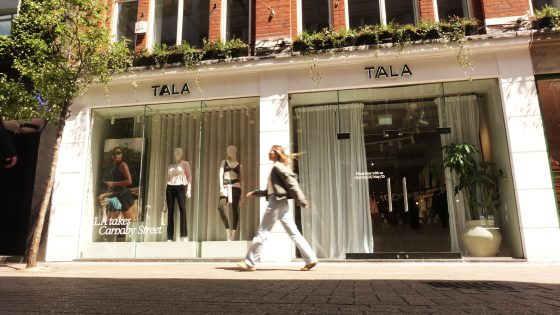
By 2024 and 2025, the brand began testing the physical retail waters through targeted pop-up installations and experiential retail events, allowing customers to touch, feel, and try on products in person. These temporary spaces yielded overwhelmingly positive results, driving both immediate sales spikes and a halo effect on digital traffic in surrounding regions. The logical culmination of this testing phase was the opening of its maiden permanent flagship store in London, which served as a blueprint for the brand’s physical retail identity. Now, heading into the final quarter of 2026, the Edinburgh store represents the next logical step in a carefully calibrated expansion timeline.
Strategic Implications of Regional Expansion
The decision to bypass other major English cities such as Manchester, Birmingham, or Leeds in favor of Edinburgh for its first store outside of London highlights a calculated geographic strategy. Scotland’s capital boasts a robust retail economy, high footfall, and a demographic profile that aligns closely with Tala’s core target audience of active, environmentally conscious, and style-driven consumers, including a large student population and young professionals.
Retail property experts note that expanding outside of London allows emerging brands to test regional markets where commercial rents may offer a more sustainable cost-to-revenue ratio compared to prime central London locations. Furthermore, establishing a physical presence in Scotland strengthens brand equity and provides a tangible touchpoint for the loyal customer base that has hitherto relied exclusively on the brand’s e-commerce platform.
The move also reflects a broader industry trend where digitally native brands recognize the necessity of omnichannel integration. Post-pandemic consumer behavior has demonstrated that physical stores do not cannibalize online sales; rather, they act as localized marketing hubs, customer service centers, and community gathering spaces that ultimately lift overall brand engagement. For Tala, the Edinburgh store will serve as a testing ground for how regional physical footprints can operate synergistically with its robust digital infrastructure.
Industry Context and Market Competitiveness
Tala enters the Scottish physical retail market at a time of intense competition within the athleisure sector. The global activewear market continues to expand, driven by ongoing consumer preference for comfortable, versatile clothing suitable for both workouts and daily wear. However, brands operating in this space face mounting pressures, including fluctuating supply chain costs, heightened consumer scrutiny regarding sustainability claims, and competition from both heritage sports brands and supermarket-backed labels.
By anchoring its brand identity firmly in sustainability—utilizing certified recycled materials, ethical manufacturing processes, and inclusive sizing ranging from UK sizes 6 to 30—Tala has successfully differentiated itself from competitors who engage in greenwashing. The physical stores are designed to reinforce this ethos, incorporating sustainable interior fixtures, energy-efficient lighting, and recycling drop-off points for worn activewear, thereby translating the brand’s digital values into a physical reality.
Retail analysts observe that consumer trust is increasingly tied to transparency. When brands like Tala transition from digital screens to high street storefronts, they open themselves up to direct, face-to-face consumer evaluation. The success of the Edinburgh store will depend heavily on whether the in-store experience matches the community-driven ethos that fans have come to expect online.
Broader Impact on High Street Retail
The arrival of Tala in Edinburgh is also a welcome development for commercial property landlords and city center regeneration efforts. High streets across the United Kingdom have undergone significant structural transformations following years of economic headwinds and the acceleration of e-commerce. The influx of digitally native, trend-forward brands injecting fresh energy into regional retail spaces helps diversify high street offerings away from traditional department stores and fading high street chains.
By choosing Edinburgh for its maiden regional storefront, Tala is participating in a wider movement of modern retail brands decentralizing their physical footprints. Rather than focusing solely on the London golden mile, growing brands are recognizing the commercial viability and enthusiastic consumer bases found in vibrant regional capitals across the UK.
As November 2026 approaches, anticipation is building among the brand’s Scottish community. Preparations for the store opening are reportedly well underway, with recruitment for local retail positions expected to boost local employment. Industry observers will be watching closely to see how the Edinburgh location performs, as its success could pave the way for further standalone stores in other major UK and potentially international cities in the years to come. Through this calculated expansion, Tala is demonstrating that the future of retail lies in a seamless blend of digital accessibility and immersive, values-driven physical spaces.
Related posts: