Uniqlo accelerates UK retail dominance as it reaches 25-store milestone with strategic Cambridge expansion

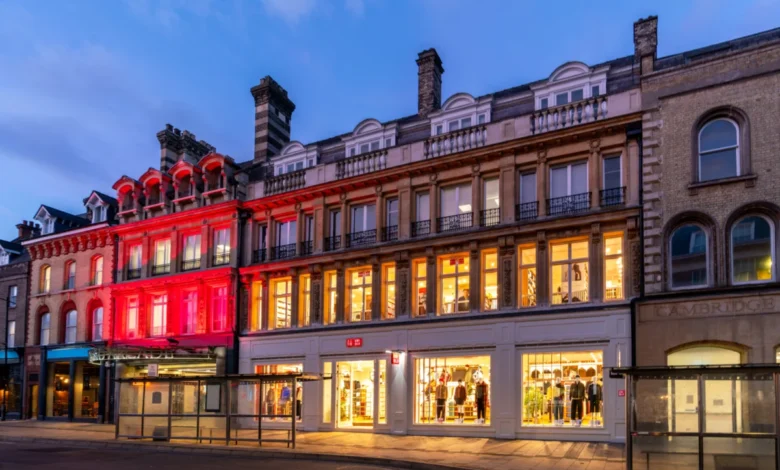
The Japanese apparel giant Uniqlo has officially solidified its footprint in the United Kingdom, marking a significant strategic milestone with the opening of its 25th British store in the historic city of Cambridge. Situated in the Grande Arcade on St Andrews Street, the new 880-square-metre facility represents more than just a retail footprint; it serves as a physical manifestation of the brand’s aggressive and highly successful “LifeWear” expansion strategy, which has seen the company outperform many of its global competitors in recent fiscal cycles.
A Period of Unprecedented Growth
The opening in Cambridge follows a period of exceptional financial performance for Fast Retailing, the parent company of Uniqlo. As of mid-2025, market research firm Kantar officially designated Uniqlo as the world’s fastest-growing fashion brand. This momentum has been sustained by a series of robust quarterly earnings reports that have defied broader trends of stagnation within the global high-street fashion sector.
In July 2026, Fast Retailing reported a 45.7 per cent surge in third-quarter operating profit, a figure that prompted the company to upwardly revise its full-year profit outlook. Currently on track to achieve its fifth consecutive year of record earnings, the business has successfully pivoted from a recovery phase following the global pandemic to a period of aggressive market penetration. The decision to invest heavily in the UK—a market historically dominated by domestic heritage brands and fast-fashion incumbents—highlights Uniqlo’s confidence in its scalable model of minimalist, high-quality, and functional apparel.
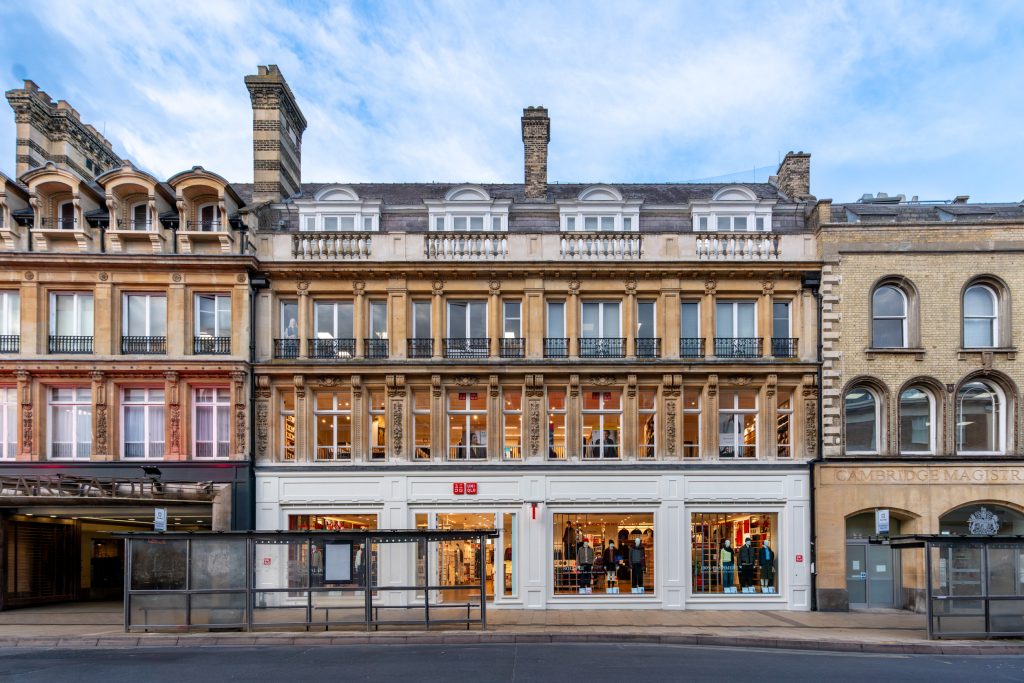
The Cambridge Strategy: A Blueprint for Localization
The choice of Cambridge for the 25th store is emblematic of the company’s current approach to regional expansion. Rather than focusing exclusively on the London metropolitan area, Uniqlo is increasingly targeting regional hubs that boast a high density of students, academics, and affluent professionals—demographics that traditionally align with the brand’s value proposition of “thoughtful design.”
Alessandro Dudech, COO of Uniqlo UK, underscored the necessity of this localized strategy during the launch. “Cambridge was a natural choice for us because it brings together a diverse population of residents, students, and visitors who value quality, functionality, and, above all, thoughtful design,” Dudech noted.
To bridge the gap between a multinational corporation and a local community, Uniqlo has departed from its standard store-design template in Cambridge. The store features an exclusive range of merchandise developed in partnership with the University of Cambridge, alongside bespoke “UTme!” custom-printing services and an expansive mural by local illustrator Lele Saa. These elements are designed to foster brand loyalty by integrating the store into the cultural fabric of the city rather than treating it as a sterile, transactional space.
Chronology of UK Expansion
The journey to 25 stores has been a decade-long endeavor, but the pace has accelerated significantly over the last 24 months.

- 2022–2023: Initial post-pandemic consolidation, focusing on flagship locations in London and key regional cities.
- August 2026: Formal announcement of a major acceleration in UK expansion, signaling a departure from conservative growth targets.
- September 24, 2026: Opening of the 25th store in Cambridge, serving as the anchor for the brand’s regional strategy.
- Late 2026/Early 2027: Scheduled opening of a second Manchester location at the Trafford Centre, intended to capture the retail spend of the North West.
- 2027 Outlook: Confirmed pipeline for new sites in Bath, Brighton, Canary Wharf, and Leeds.
This timeline reflects a deliberate shift in the company’s real estate strategy. By securing prime real estate in high-footfall shopping centres and historic town centers, Uniqlo is betting that the demand for “LifeWear”—everyday clothing designed for longevity and comfort—will continue to outweigh the volatility of the fast-fashion cycle.
Economic Implications and Market Impact
Industry analysts observe that Uniqlo’s expansion is occurring at a time when many traditional high-street retailers are downsizing or shifting exclusively to e-commerce. Uniqlo’s approach is a counter-intuitive but successful bet on the “phygital” retail experience, where physical stores serve as both points of sale and community hubs.
The data suggests that this strategy is effective. By keeping inventory lean and focusing on core staples, Uniqlo maintains higher price integrity than competitors who rely on deep, frequent discounting. Furthermore, the company’s ability to secure large-scale units in competitive markets like Canary Wharf and Leeds indicates a strong balance sheet and an advantageous position in commercial lease negotiations.
Economists monitoring the retail sector suggest that Uniqlo’s expansion provides a much-needed stimulus to regional retail economies. As the company invests in store fit-outs, local staffing, and regional marketing collaborations, it creates a ripple effect that supports local supply chains and increases footfall for neighboring businesses in the shopping centres it occupies.

Official Stance on Future Growth
Looking beyond the 25-store milestone, Uniqlo’s leadership remains firm in its commitment to the UK market. Alessandro Dudech emphasized that while reaching 25 stores is a significant landmark, it is considered a baseline for future operations rather than a peak.
“We see this as another step in our long-term growth journey rather than a destination,” Dudech stated. “The UK remains a very important market for Uniqlo, and we continue to see significant opportunities to grow our presence across the country. Our strategy is focused on long-term expansion, investing in locations where we can serve customers for the long term while building meaningful connections with local communities.”
This commitment is bolstered by the company’s internal metrics, which suggest that the brand’s minimalist aesthetic and functional durability have successfully crossed over from a niche preference to a mainstream staple for the British consumer.
Broader Retail Context
The retail landscape in the UK remains fraught with challenges, including rising operational costs, energy price volatility, and a shift in consumer spending habits toward more sustainable and long-lasting garments. Uniqlo’s success in this climate is largely attributed to its vertical integration. By owning the supply chain from design to manufacturing and retail, the company maintains better control over its costs and quality than retailers who rely on third-party wholesalers.

Furthermore, the integration of “LifeWear” into the British wardrobe—which has historically been influenced by varying weather patterns—has been aided by Uniqlo’s proprietary technology, such as its Heattech and Airism lines. These product innovations have allowed the brand to remain relevant across all four seasons, ensuring a steady stream of revenue that does not depend on a single fashion trend or seasonal spike.
Conclusion
As Uniqlo turns its sights toward 2027 with ambitious plans for expansion in Bath, Brighton, and beyond, the brand is clearly positioning itself to become a ubiquitous presence in the UK retail landscape. The Cambridge store opening is not an isolated event but a tactical execution of a broader, well-capitalized strategy.
By prioritizing local relevance, investing in premium physical locations, and maintaining a product philosophy centered on utility, Uniqlo has successfully navigated the complexities of the modern retail market. As the company continues to scale, the industry will be watching to see if this model of community-centric expansion can sustain the same level of growth in smaller, regional cities as it has in the major hubs of London and Manchester. For now, the 25th store stands as a testament to the fact that, in a world of rapid digital transformation, there is still significant value to be found in a well-placed, thoughtful, and community-engaged physical store.
Related posts: