Digital Edition: The highlights from London Fashion Week SS27 so far

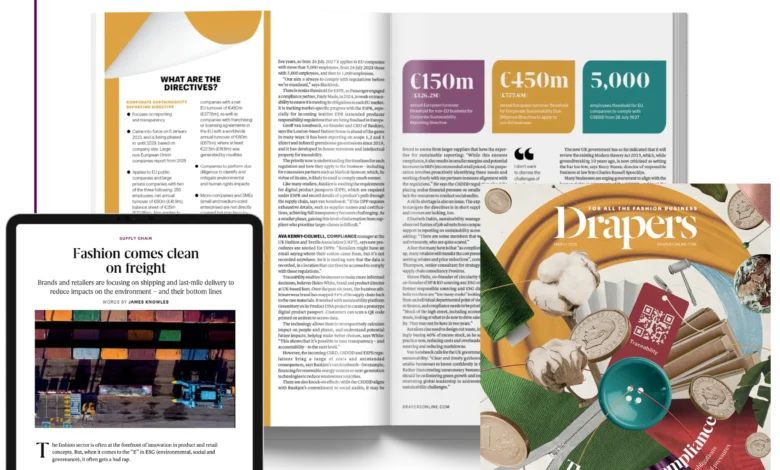
London Fashion Week has officially returned for its highly anticipated Spring/Summer 2027 (SS27) edition, running from 17 to 21 September 2026. As one of the critical pillars of the global fashion month calendar—nestled directly between New York and preceding Milan and Paris—the biannual showcase in the British capital continues to serve as a vital incubator for emerging creative talent, sustainable innovation, and avant-garde retail trends. Reporting live from the capital’s most coveted catwalk presentations, industry analysts and fashion journalists are closely tracking how designers are navigating a shifting economic landscape while pushing the boundaries of textile technology and conceptual design.
This season’s event arrives at a pivotal juncture for the British fashion industry. Against the backdrop of fluctuating global consumer confidence, tightened discretionary spending, and persistent calls for accelerated supply chain transparency, London Fashion Week SS27 demonstrates an industry pivoting toward pragmatic luxury, emotional resonance, and material ingenuity. Prominent independent labels and heritage houses alike have converged on the city to unveil collections that balance wearable commerciality with the theatrical flair that has long defined British style.
Chronology and Schedule of the SS27 Showcase
The five-day fashion marathon kicked off on Thursday, 17 September 2026, setting a brisk pace for the days ahead. The opening morning immediately drew crowds with a blend of established British staples and innovative digital-first presentations. Over the subsequent days, the official British Fashion Council (BFC) schedule has mapped out a rigorous sequence of runway shows, designer showcases, immersive installations, and digital activations spanning various cultural and architectural landmarks across London.
Day one established a tone of contemplative elegance, with designers leaning into lightweight layering, translucent textiles, and muted palettes offset by sudden bursts of vibrant primary colors. As the days progressed into the weekend, the tempo accelerated. Saturday and Sunday showcased some of the capital’s most daring creative forces, featuring high-profile presentations from experimental visionaries such as Susan Fang, whose ethereal and mathematically inspired textiles continue to captivate buyers and critics alike.
Monday and Tuesday are slated to conclude the showcase, focusing heavily on burgeoning talent nurtured through BFC initiatives like NEWGEN, alongside established stalwarts who anchor the commercial viability of London’s design ecosystem. Throughout this tight timeline, industry buyers, international press, and celebrity ambassadors have populated front rows, offering immediate market feedback to participating brands.
Key Collections and Aesthetic Trends
While the full scope of London Fashion Week SS27 is still unfolding as shows continue through 21 September, several distinct aesthetic narratives have emerged from the catwalks thus far. Designers are overwhelmingly responding to the collective desire for tactile comfort paired with structural sophistication.
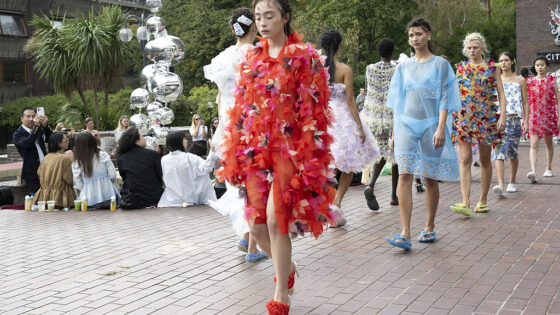
One prominent theme is the evolution of sustainable craftsmanship. Rather than treating sustainability as a secondary marketing buzzword, SS27 collections exhibit a deep integration of eco-conscious material science. Brands are increasingly utilizing upcycled deadstock, lab-grown textiles, and biodegradable synthetics without compromising on the luxurious hand-feel expected in the luxury sector. Innovative manipulation of fabrics—such as intricate laser-cutting, 3D printing, and hand-pleating—has dominated the runway, signaling a strong consumer appetite for garments that showcase visible human or technological artistry.
Silhouettes for the upcoming spring and summer seasons lean toward a fluid dichotomy. On one hand, sharply tailored outerwear and oversized trench coats offer a nod to London’s heritage of Savile Row tailoring. On the other, diaphanous dresses, fluid silk separates, and whimsical accessories provide an effortless counterpoint. Color palettes have similarly bifurcated: earthy terracotta, sage green, and pristine ivory anchor the collections, while electric cobalt, marigold yellow, and metallic silver provide high-impact visual punctuation suitable for both daytime utility and evening wear.
Economic Context and Industry Implications
The broader implications of London Fashion Week SS27 extend far beyond the immediate visual spectacle of the runway. As a vital engine of the UK economy, the fashion sector contributes billions of pounds annually and supports hundreds of thousands of jobs across design, manufacturing, retail, and hospitality.
However, participating labels face unique macroeconomic pressures. Inflationary costs impacting raw materials, rising energy expenses for studio spaces, and complex post-Brexit trade logistics continue to challenge emerging and mid-sized designers. Consequently, the commercial strategies underpinning SS27 collections are notably pragmatic. Designers are heavily focused on producing tightly edited, highly covetable capsule collections that translate seamlessly from the physical runway to digital e-commerce platforms and wholesale order books.
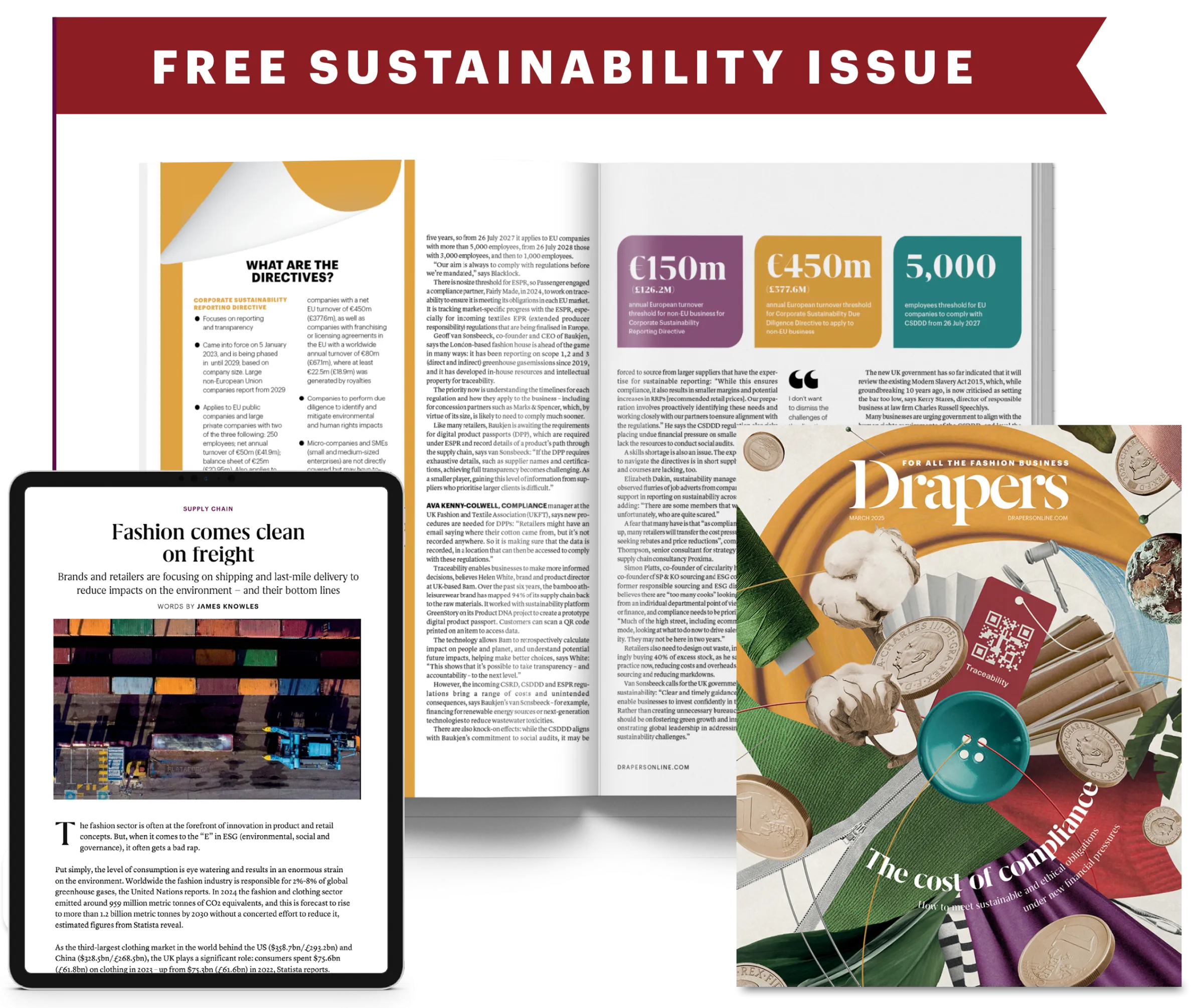
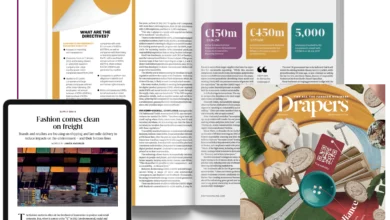
Furthermore, the rise of "see-now, buy-now" elements and immediate digital accessibility has transformed how collections are consumed. With platforms like Drapers providing real-time digital editions, highlights, and trade analysis, the audience for London Fashion Week is no longer confined to the physical venue. Global consumers can interact with collections instantly, placing immense pressure on brands to ensure their supply chains can agilely respond to digital demand surges.
Official Responses and Stakeholder Perspectives
Representatives from the British Fashion Council, alongside leading retail buyers and brand directors, have emphasized resilience and adaptability as the defining ethos of the SS27 season. Organizers have continually championed London’s reputation as a global capital of unconstrained creativity, noting that financial pressures have paradoxically catalyzed a wave of resourceful design solutions.
Industry leaders have also pointed out the growing importance of cross-industry collaborations. Technology firms, automotive brands, and beauty giants have increasingly partnered with London designers to sponsor runway shows, enabling independent labels to stage ambitious presentations that might otherwise be financially prohibitive. These partnerships underscore a collaborative survival strategy within the modern fashion economy.
Looking Ahead to the Conclusion of SS27
As London Fashion Week SS27 enters its final stretch toward 21 September, attention turns to the closing shows and the immediate aftermath of wholesale buying appointments. The success of this season will ultimately be measured not only by the critical acclaim garnered on the runway, but by the commercial orders secured, the media impact value (MIV) generated, and the long-term consumer demand translated in the coming months.
The resilience displayed by designers, artisans, and retail analysts during this five-day showcase reinforces London’s enduring status as a powerhouse of global style. By successfully marrying heritage craftsmanship with future-facing technological and sustainable innovations, the SS27 collections have set a high benchmark for the remainder of the international fashion month circuit, offering a compelling glimpse into the future of luxury retail.
Related posts: