El Caficultor revolutionizes retail coffee sales through interactive connected packaging technology at London Packaging Week

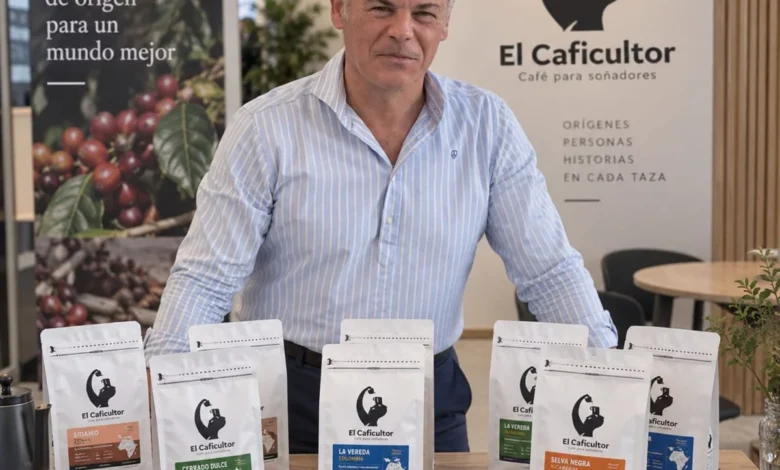
Speciality coffee brand El Caficultor is set to unveil a pioneering connected packaging initiative at London Packaging Week, held on 16–17 September, aimed at bridging the long-standing disconnect between retail shelf sales and direct-to-consumer subscription models. By leveraging advanced digital experience technology, the brand is transforming static coffee bags into dynamic, interactive touchpoints that provide consumers with detailed origin stories while simultaneously capturing first-party data to facilitate recurring subscription revenue.
The initiative represents a strategic pivot for El Caficultor, which operates under the Indian EcoTrade umbrella. Historically, like many specialty coffee roasters, the company has faced the "retail black hole"—a phenomenon where a brand loses all contact with its customers the moment a product is purchased from a third-party shelf. This new deployment aims to reclaim that relationship, effectively turning every individual pack of coffee into a personalized sales channel.
The Technological Backbone: AuraVeo and Digital Interactivity
The infrastructure powering this transition is AuraVeo, a digital experience platform engineered by the industrial printing powerhouse Koenig & Bauer. Unlike traditional static QR codes that often lead to stagnant landing pages, AuraVeo provides a cloud-based, dynamic framework. This allows brands to update the content served to consumers in real-time, modify marketing messaging, or adjust subscription offers without the significant costs and logistical burdens associated with physical packaging reprints.
For El Caficultor, this technology is being applied to its premium 100% Arábica range. This includes high-profile, single-origin offerings such as Cerrado Dulce from Brazil, Sidamo from Ethiopia, La Vereda from Colombia, and Selva Negra from Nicaragua. By scanning the unique, trackable QR code, a consumer is instantly transported to a mobile-optimized portal. This portal serves a dual purpose: it educates the consumer on the specific farm, altitude, and processing method of the coffee they are currently holding, and it provides a frictionless path to sign up for a discounted subscription service.
London Packaging Week: A Hub for Industry Innovation
London Packaging Week, taking place at the ExCeL London, serves as the ideal backdrop for this unveiling. As an industry-defining event, the exhibition focuses on the convergence of sustainability, smart design, and supply chain technology. The decision to launch this initiative at such a high-profile forum underscores the shifting priorities within the packaging sector. Brands are increasingly moving away from "passive" containers that merely protect goods, favoring "smart" packaging that acts as a conduit for digital engagement and consumer intelligence.
The event features a variety of networking opportunities, masterclasses, and keynote addresses that highlight how the "Phygital" (physical plus digital) shift is no longer a futuristic concept but a commercial imperative. El Caficultor’s presence here signals that even traditional, craft-oriented industries like coffee are adopting high-tech solutions to survive in an increasingly competitive retail landscape.
The Strategic Shift to First-Party Data
In an era where third-party cookies are being phased out and digital advertising costs are rising, the ability to collect first-party data is the "holy grail" for retail brands. Through the AuraVeo platform, El Caficultor can now gather granular insights into consumer behavior—subject, of course, to regional data protection and privacy regulations.
By analyzing which origins generate the most scans and which subscription offers lead to the highest conversion rates, the brand can optimize its inventory and marketing strategy in real-time. This level of data-driven agility was previously the exclusive domain of digital-native brands. Now, physical retailers are gaining access to the same analytical power, allowing them to segment their customer base and deliver hyper-personalized experiences.
Bridging the Gap: Insights from Industry Leaders
The collaborative effort behind this launch involved several key players, including the creative agency Appetite Creative. Their contribution focused on the psychology of consumer engagement, specifically the placement and call-to-action (CTA) design of the QR code.
Jenny Stanley, managing director at Appetite Creative, noted that the success of such initiatives relies on seamless integration. "We moved the QR code to the front, sat it inside the country map so it reads as part of the design rather than a compliance mark, and put a reason directly underneath it, ‘Escanea y Ahorra’ (Scan and Save)," Stanley explained. "That’s what drives scan rate, not the technology behind it."
This design philosophy emphasizes that the technology must be invisible to the user experience; if a consumer feels like they are being "sold to" too aggressively, the engagement rate drops. By embedding the code into the aesthetic map of the coffee’s origin, the brand presents the QR code as a gateway to storytelling rather than a mere advertisement.
Julián A. Lozano Sánchez, general manager at Indian EcoTrade and El Caficultor, highlighted the frustration that led to this innovation. "Someone buys our coffee, enjoys it, and then we lose them; that has always been the frustration of selling through retail. Now, the moment they scan the bag, they can read the story of that specific origin and subscribe at a better price, in the same thirty seconds."
Market Implications and the Future of Retail
The implications of El Caficultor’s move extend far beyond the specialty coffee industry. This initiative serves as a case study for the broader CPG (Consumer Packaged Goods) sector.
1. The Subscription Economy Integration:
Many brands struggle to move retail buyers into recurring revenue models. By offering a discount during the initial purchase experience, companies can effectively "convert" one-time retail shoppers into lifetime subscribers. This increases Customer Lifetime Value (CLV) significantly, shielding the company from the volatility of retail shelf space fluctuations.
2. Supply Chain Transparency:
Consumers are increasingly demanding provenance for their products. By using packaging to provide verified information about farming practices, altitude, and processing, brands can build trust and justify premium pricing. This "transparency as a service" model is becoming a requirement for modern specialty brands.
3. Operational Agility:
The ability to update content remotely is a major operational advantage. If a specific batch of coffee runs out, or if the marketing team wants to run a seasonal promotion, they can change the landing page content for all existing inventory in the supply chain within minutes. This removes the "dead time" between marketing planning and product delivery.
Analytical Perspective: The Challenge of Adoption
While the technology is sound, the long-term success of this initiative hinges on two factors: sustained scan rates and the perceived value of the post-scan experience. Historically, consumer adoption of QR codes has been inconsistent. However, the post-pandemic landscape has seen a surge in QR code usage, making them a standard part of the consumer toolkit.
To maintain momentum, El Caficultor must ensure that the "value exchange"—the information or discount provided after the scan—is consistently high-quality. If the digital content feels thin or purely promotional, consumers will be less likely to scan subsequent purchases. Conversely, if the brand provides exclusive recipes, brewing tips, or direct connections to the farmers, they can cultivate a loyal community that transcends the physical bag.
Conclusion
The El Caficultor initiative represents a significant maturation of the "connected packaging" space. By focusing on the intersection of storytelling, data capture, and subscription incentives, the brand is successfully navigating the shift from a product-based business model to an experience-based one.
As the retail landscape continues to evolve, the integration of digital layers onto physical goods will likely become a baseline expectation for consumers. Companies that can successfully synthesize their physical packaging with digital intelligence, as El Caficultor has done with the help of AuraVeo and Appetite Creative, will be best positioned to thrive in an environment where the "shelf" is no longer the final destination of the product, but the starting point of the customer relationship.
The demonstration at London Packaging Week will be closely watched by industry analysts as a benchmark for how heritage and craft-based brands can utilize the "Internet of Packaging" to secure their future in a digital-first world.
Related posts: