Tractor Supply Faces Unprecedented Headwinds as Pet Business Falters, Fuel Costs Soar, and Amazon Encroaches on Rural Market

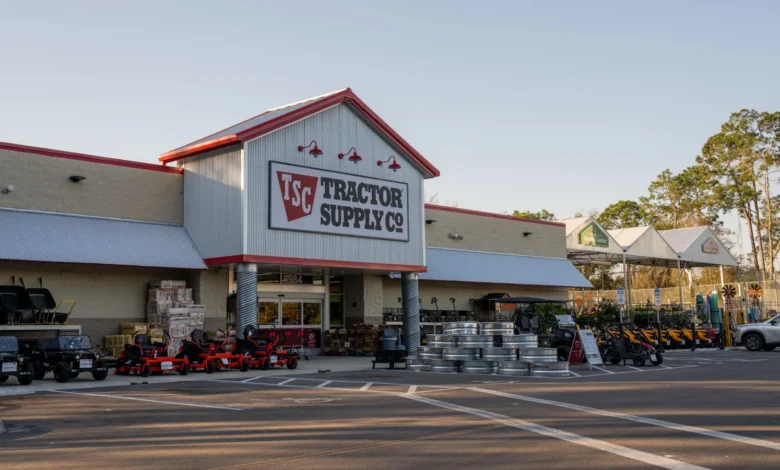
Tractor Supply Company, the prominent retailer catering to recreational farmers, ranchers, and rural lifestyle enthusiasts, is navigating a challenging year marked by a confluence of economic pressures, shifting consumer behaviors, and intensified competition. The company’s performance in the second quarter of 2026 revealed a significant downturn, with comparable store sales growth being effectively nullified by adverse weather conditions in May, a faltering pet business segment, and the pervasive impact of soaring fuel prices on its core customer base. Compounding these internal and external challenges is the strategic encroachment of e-commerce giants like Amazon into previously underserved rural territories, signaling a fundamental shift in the competitive landscape for Tractor Supply.
A Challenging Q2 2026 and Downgraded Outlook
The second quarter of 2026 proved to be a pivotal period for Tractor Supply, culminating in a notable downgrade to its financial outlook. While the retailer observed comparable store sales growth in April and June, these gains were entirely offset by a significant dip in May. Speaking to analysts on Thursday, July 23, 2026, CEO Hal Lawton detailed the primary culprits for this volatility. Lawton specifically cited "persistent drought conditions across several key Southeastern markets" as a major factor. These prolonged dry spells severely limited normal seasonal activity, directly reducing demand for essential lawn care products, gardening supplies, and other outdoor-related purchases that typically drive sales during the spring and early summer months.
This current outlook downgrade is not an isolated event but rather a continuation of a more cautious approach that began earlier in the year. The company had already reined in its expectations in January, suggesting that the initial projections for 2026 were overly optimistic or that underlying market conditions were deteriorating faster than anticipated. The revised forecast reflects a more sober assessment of the economic environment and competitive pressures. In a tangible sign of this adjustment, Tractor Supply announced a reduction in its store expansion plans for the upcoming year. For 2027, the company now intends to open between 85 and 90 new locations, a notable decrease from its previous target of 100 new stores. This strategic slowdown in physical footprint expansion indicates a shift towards optimizing existing operations and potentially re-evaluating the pace of market saturation, rather than aggressive growth.
The Pet Business: A Growth Driver Underperforming
For many years, the pet business segment has been a robust and expanding category for Tractor Supply, aligning perfectly with its "Life Out Here" brand ethos that encompasses animal care, farming, and homesteading. However, current reports indicate that this previously reliable growth driver is now "falling short" of expectations. While customers continue to demonstrate a willingness to spend on their pets – a trend generally observed across the retail sector even during economic downturns – the rate or profitability of this growth within Tractor Supply appears to be under pressure.
The broader pet supply market is highly competitive and dynamic. Dedicated pet retailers such as PetSmart and Petco, along with specialized online platforms like Chewy, have robust offerings and strong customer loyalty. Additionally, general merchandise retailers like Walmart and Target, and even grocery chains, have significantly expanded their pet food and supply aisles, intensifying the competition for every dollar spent. For Tractor Supply, this means that even though its customers are still purchasing pet-related items, they might be diversifying their purchasing channels, seeking better value elsewhere, or opting for different brands. The company’s challenge now is to re-evaluate its pet product assortment, pricing strategies, and overall value proposition within this fiercely contested market to ensure its pet business can once again contribute meaningfully to its overall growth trajectory.
Economic Headwinds: Fuel Prices and Shifting Consumer Spending
A significant and persistent challenge for Tractor Supply stems from the broader economic landscape, particularly the sustained high prices of gasoline and diesel. This factor disproportionately impacts Tractor Supply’s core demographic: farmers, ranchers, and rural residents. These customers often live in sparsely populated areas, necessitating longer commutes for essential errands, work, or social activities. Consequently, they bear a heavier financial burden from elevated fuel costs compared to their urban or suburban counterparts. Beyond personal transportation, many of these customers rely on diesel and gasoline to operate critical farm machinery, utility vehicles, and other equipment essential for their livelihoods. The increased operational costs directly cut into their disposable income, forcing them to make difficult choices about their spending.
CEO Hal Lawton acknowledged this shift in consumer behavior, noting that while customers are continuing to spend on non-discretionary items like pet food, animal feed, and farm essentials, they are "pulling back on discretionary items" and "consolidating their trips." This means fewer impulse purchases, a heightened focus on necessities, and a more deliberate approach to shopping to conserve fuel and time. In response, Tractor Supply is actively "reinforcing its value proposition." This strategy likely involves highlighting competitive pricing, offering promotions on essential goods, expanding private-label offerings that provide good value, and strengthening its loyalty programs to ensure customers feel they are getting the most for their money when they do choose to shop at Tractor Supply.
Adding another layer of uncertainty to the financial picture is the ambiguity surrounding "tariff refunds." While not explicitly detailed, these typically refer to duties paid on imported goods that may be subject to refund if trade policies change or specific conditions are met. Such uncertainty can complicate financial forecasting and impact profit margins, especially for a retailer with a broad product assortment, some of which may be sourced internationally.

The Encroachment of E-commerce Giants: Amazon and Walmart
Historically, Tractor Supply has carved out a unique and defensible niche by focusing on rural America, a demographic often underserved by mainstream retailers. However, this competitive advantage is increasingly being challenged by the strategic expansion of e-commerce behemoths and large general merchandise retailers. GlobalData Managing Director Neil Saunders highlighted this burgeoning threat, noting that both Amazon and Walmart are "encroaching on that territory."
Amazon, in particular, has made aggressive moves into rural areas. In the preceding year, Amazon announced a substantial investment of over $4 billion aimed at expanding its logistics network into "sparsely populated areas," with a target completion date of 2025. This initiative is explicitly designed to speed up delivery times to thousands of rural communities, directly taking aim at Tractor Supply’s traditional market stronghold. While Saunders conceded that Amazon’s immediate focus might be on "commodity products rather than specialist farm and ranch supplies – where Tractor Supply still has an advantage," he underscored that this trend is "still an unhelpful trend that takes the edge off growth." By capturing a larger share of general household and commodity product spending, Amazon effectively siphons off potential customer traffic and discretionary dollars that might otherwise be spent at Tractor Supply.
Walmart, with its vast physical footprint already deeply embedded in many rural communities, also poses a significant competitive threat. Through its ongoing investments in e-commerce, curbside pickup, and local delivery services, Walmart continues to enhance its convenience and accessibility, appealing to the same cost-conscious and time-constrained rural consumers. The combined pressure from these retail giants necessitates that Tractor Supply sharpen its competitive edge. Saunders suggested that "sharper execution – particularly on range and pricing is needed" to defend its market share against these formidable competitors. This implies a need for Tractor Supply to not only offer a unique product selection but also ensure its pricing remains attractive and competitive, while continually improving its overall customer experience.
Expert Analysis and Broader Implications
The financial performance of Tractor Supply in Q2 2026 has drawn critical commentary from industry analysts. Neil Saunders of GlobalData characterized the quarter as "one of the weakest sales performances Tractor Supply has produced in a while." He further observed, "At headline level, it suggests that the business is running out of steam." This assessment underscores the seriousness of the current challenges, indicating that the issues are more than just temporary blips caused by weather, but potentially indicative of deeper systemic pressures.

The broader implications extend beyond Tractor Supply itself, reflecting several key trends impacting the retail sector:
- Persistent Inflationary Pressures: Consumers are grappling with elevated prices across various categories, forcing them to prioritize essential spending and cut back on non-discretionary purchases. This impacts retailers selling a mix of necessities and lifestyle products.
- Supply Chain Resilience: While not explicitly detailed as a current problem for Tractor Supply in the original brief, maintaining efficient and cost-effective supply chains remains a constant challenge for all retailers, especially in a volatile economic climate. Any disruptions or increased costs here could further squeeze margins.
- Digital Transformation Imperative: The aggressive expansion of e-commerce into rural areas highlights the ongoing need for brick-and-mortar retailers to invest in robust omnichannel strategies. This includes seamless online shopping experiences, efficient fulfillment options, and leveraging physical stores as strategic hubs for services, community engagement, and returns.
- Demographic Shifts and Loyalty: While Tractor Supply has traditionally enjoyed strong loyalty from its niche demographic, the increasing accessibility and convenience offered by large retailers can erode this over time. Retailers must continuously innovate to maintain relevance and loyalty.
Tractor Supply’s Strategic Response and Future Outlook
Despite the formidable challenges, CEO Hal Lawton maintains an optimistic outlook regarding Tractor Supply’s long-term growth prospects. "We continue to believe we are a growth company," he affirmed, suggesting that the current headwinds are temporary and that the company possesses the strategic capabilities to overcome them. This conviction is likely rooted in several key aspects of Tractor Supply’s strategy and market position.
The company’s core focus on the "Life Out Here" demographic remains a powerful differentiator. This segment values specialized products, knowledgeable staff, and a community-oriented shopping experience that larger general retailers often struggle to replicate. Tractor Supply’s strategy likely involves:
- Enhancing Customer Experience: Investing in store improvements, personalized services, and community engagement initiatives to strengthen customer loyalty. This could include expanding services like pet grooming, tool rental, or workshops.
- Optimizing Product Assortment: Carefully balancing essential farm and ranch supplies with discretionary lifestyle products, potentially expanding private-label offerings to provide better value, and refining the selection in its pet business to better compete.
- Supply Chain Efficiencies: Continuously seeking ways to streamline its supply chain, reduce operational costs, and improve inventory management to enhance profitability.
- Leveraging Loyalty Programs: Strengthening its "Neighbor’s Club" loyalty program to offer more personalized rewards and incentives, encouraging repeat business and deeper engagement.
- Strategic Real Estate Adjustments: The decision to curb store expansion for 2027 could indicate a focus on optimizing the performance of existing stores, potentially through renovations, expanded services, or a more targeted approach to new location scouting, perhaps exploring smaller format stores or complementary concepts like Petsense by Tractor Supply.
The current period presents a critical test for Tractor Supply. While the immediate challenges are significant and multifaceted, the company’s long-standing connection with its niche market, coupled with strategic adjustments to its operations and competitive responses, will be crucial in determining its ability to regain momentum and sustain its growth trajectory in an increasingly complex retail environment. The coming quarters will reveal how effectively Tractor Supply can navigate these headwinds and reinforce its position as the go-to retailer for rural America.