Empowering Threads: How Saheli Women and Ethical Volunteering Are Reshaping the Future of Fashion

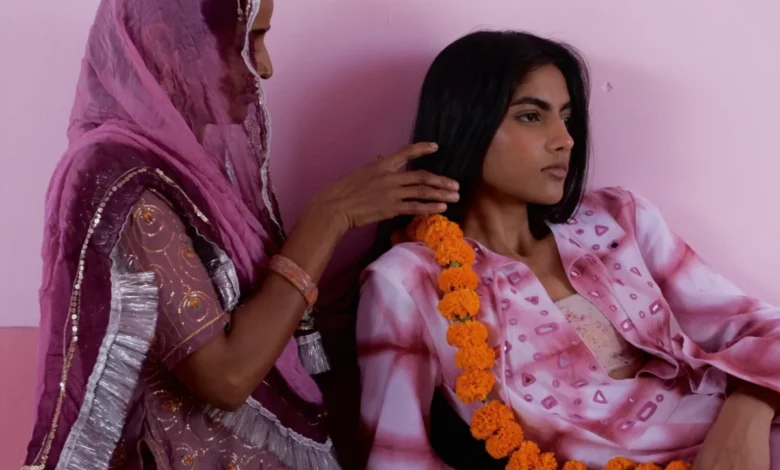
In an industry often marred by exploitation and environmental degradation, Saheli Women stands as a powerful testament to the transformative potential of ethical fashion, economically empowering women in Rajasthan, India, through a model built on fairness, respect, and community. This social enterprise, which champions traditional craft practices and co-creates slow fashion garments with international partners, offers a compelling blueprint for a more equitable and sustainable future. The profound impact of their work is vividly illustrated through the experiences of individuals like Alexandra Simpson, a New Zealand-based fashion professional whose three-month volunteering stint offered an intimate glimpse into the heart of this revolutionary movement.
The Human Cost of Fast Fashion: A Call for Revolution
The global fashion industry, valued at over $2.5 trillion, is notorious for its complex and often opaque supply chains. At its core lies a stark imbalance: while consumers enjoy affordable trends, the majority of garment workers, predominantly women in developing countries, endure abysmal wages, grueling hours, and hazardous working conditions. This reality was tragically underscored by the Rana Plaza factory collapse in Bangladesh on April 24, 2013, which killed 1,134 garment workers and injured thousands more. This catastrophic event served as a brutal awakening, exposing the hidden human cost of fast fashion and galvanizing a global movement for change, epitomized by Fashion Revolution.
Fashion Revolution, born out of this tragedy, advocates for greater transparency, accountability, and ethics across the fashion supply chain. Its central question, "Who Made My Clothes?", challenges consumers and brands alike to confront the realities behind their garments. In this context, initiatives like Saheli Women are not merely alternatives; they are essential pillars in rebuilding an industry founded on dignity and sustainability. The stark contrast between the typical 12-14 hour workdays and poverty wages often seen in South Asian garment factories and Saheli Women’s model highlights the urgent need for systemic change. Data from organizations like the Clean Clothes Campaign consistently reveal that the majority of garment workers struggle to earn a living wage, often earning less than half of what is considered necessary for a decent standard of living in their respective countries.
Saheli Women: Crafting Empowerment and Dignity in Rajasthan
Located in the culturally rich, yet economically challenging, landscape of rural Rajasthan, Saheli Women was established with a clear vision: to uplift women by providing sustainable livelihoods through ethical fashion production. Their approach is holistic, extending far beyond mere employment to encompass comprehensive social and economic empowerment. By collaborating with international fashion brands, Saheli Women transforms traditional artisan skills into contemporary, high-quality garments, offering a range of services including sample making, handloom weaving, full production, quality assurance, packaging, export, block printing, textile solutions, eco-printing, artisanal textiles, embroidery, and natural dyeing. This extensive repertoire not only preserves invaluable cultural heritage but also provides diverse income streams for the artisans.
A cornerstone of Saheli Women’s philosophy is its unwavering commitment to fair labor practices. Their artisans receive a fair wage that is at least 50% higher than the national average income for similar work in India. This significant difference translates directly into improved living standards, better nutrition, access to education for their children, and greater financial independence for the women and their families. Furthermore, Saheli Women challenges the industry norm of excessively long workdays. While many garment workers in India and Bangladesh routinely face shifts exceeding 12 hours, Saheli Women’s artisans typically work 6 to 7 hours a day. This allows for a healthier work-life balance, enabling women to attend to family responsibilities, pursue personal interests, and engage more deeply with their community. This focus on reasonable working hours is a crucial component of their ethical framework, recognizing that true empowerment extends beyond financial compensation to include time and personal well-being.
Beyond equitable pay and working hours, Saheli Women invests deeply in the overall development of its artisans. They provide extensive skills development training, ensuring the women can hone their craft and adapt to evolving market demands. Recognizing practical barriers to employment, the enterprise offers transportation assistance, health insurance, and crucial on-site childcare support. Flexible working options further accommodate the unique needs of women, many of whom are primary caregivers. These provisions collectively create a supportive ecosystem that addresses many of the systemic challenges women in rural India face, enabling them to pursue professional growth without compromising their family or health.
The commitment to ethical conduct is deeply ingrained in Saheli Women’s operational ethos. They consciously cultivate a safe and welcoming work environment, strictly prohibiting gender, religious, and caste discrimination – issues that are unfortunately prevalent in many parts of India. Their adherence to an extensive list of fair trade principles, derived from the Ethical Fashion Initiative’s Code of Conduct, ensures rigorous standards of social and environmental responsibility. Moreover, Saheli Women actively adopts and works towards achieving 9 of the United Nations Sustainable Development Goals (SDGs). These include SDG 1 (No Poverty) through fair wages, SDG 5 (Gender Equality) by empowering women, SDG 8 (Decent Work and Economic Growth) through ethical employment, and SDG 12 (Responsible Consumption and Production) through sustainable fashion practices. Their dedication to these global goals underscores a comprehensive vision for sustainable development that extends far beyond profit margins.
The Bhikamkor Centre: A Home Away From Home
The physical spaces where Saheli Women operate, particularly the Bhikamkor Centre, are more than just workshops; they are vibrant community hubs designed to feel like home. These centers foster a sense of belonging and joy, where women socialize, share meals, brew chai, and celebrate life and traditional Indian festivals. The open-door policy extends to the wider community, transforming the centers into focal points for cultural exchange and celebration.
Crucially, these spaces also serve as platforms for vital educational workshops. Saheli Women organizes sessions on a broad range of topics, including human rights, feminism, menstrual hygiene, health, and financial literacy. These workshops equip the women with knowledge and tools to advocate for themselves, manage their finances, and make informed decisions about their health, thereby fostering true autonomy and resilience. This holistic approach to empowerment, addressing both economic and social dimensions, is what distinguishes Saheli Women as a truly transformative social enterprise.
Alexandra Simpson’s Life-Altering Immersion
Alexandra Simpson, affectionately known as Ali, a sewing teacher for the renowned New Zealand brand Ruby and a fashion student from Whitecliffe, embarked on a three-month volunteering journey with Saheli Women. Her motivation stemmed from a deep-seated commitment to environmental consciousness and social justice, significantly influenced by the Rana Plaza tragedy and the impactful documentary "The True Cost" (2015), which exposed the dark underbelly of the global garment industry. Ali had been a long-time admirer of Saheli Women’s mission, drawn to their dedication to ethical practices and women’s empowerment, recognizing India as an unparalleled hub for in-depth learning about fashion and textiles.
Ali articulated her desire to "give my support, learn and get a hands-on experience of what it would be like alongside the women who make ethical and sustainably made garments from start to finish and how they are doing processes within fashion differently and changing the industry." Her experience proved to be profoundly transformative. "I learned a lot about sustainable fashion practices and it was a very expansive experience," she recounted. "I don’t think you can go to India and come back the same!"
She vividly recalled the sensory overload of India – its bright colors, vibrant sounds, and stimulating atmosphere – a stark contrast to New Zealand’s comparatively quieter environment. This immersion provided a unique context for personal growth, a highlight of which was her ability to forge genuine connections with the artisans despite minimal shared language. "I will cherish the moments of just drinking chai outside with the natural dye ladies and yapping away about life," Ali shared, underscoring the universal language of human connection and shared experience.
Redefining Collective Action and Unforgettable Devotion
Ali’s time at Saheli Women profoundly reshaped her understanding of collective action. She now defines it as "people coming together to support a vision, even if that vision is beyond your imagination." She witnessed firsthand how diverse individuals, from different cultures and speaking different languages, seamlessly collaborated to achieve shared goals. "At Saheli Women, we were working with international brands, which is pretty amazing to see how two cultures can come together and work together," she observed. "Working with people not only close geographically, but all parts of the world, has allowed Saheli’s story to be shared worldwide."
She felt this collective spirit constantly throughout the production process. Whether it was a pattern master patiently demonstrating a new sewing technique or the entire team chipping in when a colleague was ill, the inherent interdependence and mutual support were palpable. "They all function together, which is beautiful. Collective action is constant," Ali emphasized. This collaborative spirit not only ensured efficient production but also fostered a deep sense of community and shared purpose.

Beyond the daily work, Ali was deeply moved by the integration of spirituality into the community’s rhythm. She described a poignant daily ritual at the Bhikamkor Centre: "After a long day… the sun would set, a local village lady would play on a large drum, as Madhu and others would be doing puja at the temple and singing mother goddess songs. Everyone would be packing up whilst kids laughed and played." This experience was deeply impactful. "The first time I experienced this, it moved me, it was so powerful. It is one thing to create something that is empowering this community, but I find it so special to be interwoven with religion and spirituality. It’s such a sense of devotion." This profound observation highlights how Saheli Women’s model transcends mere economic activity, touching the spiritual and cultural fabric of the community.
Altering Perceptions and Intangible Learnings
Ali’s direct engagement with ethical fashion, from the ground up, instilled in her a "newfound level of respect and genuine understanding of the hard work that goes into manufacturing: something totally unfathomable to most of us." This experience solidified her personal and professional values, reinforcing her commitment to garment repair, eco-dyeing, and the broader principles of sustainability and circularity. She acknowledged the immense effort required to implement ethical practices effectively: "What you see on Instagram with any brand is the beautiful process and reaping of their hard work. I respect the hustle a lot. It’s nowhere near as easy as it seems to put the sustainable practices to work."
The intangible learnings from her volunteering experience were equally profound. Ali found herself placing a greater emphasis on community and empowerment in her own work and personal life. She was particularly inspired by the "strength, willingness to learn and perseverance during hardships" she witnessed among the Saheli Women artisans. In a world where values of community, depth, and vulnerability are often eroded, Saheli Women stands as a beacon, demonstrating their enduring power. "I find I’m already taking these in and applying them in my work and personal life," Ali reflected. "Yes, there can be differences within any culture, but this allows you to be more open, connect more deeply and appreciate what they have to offer."
Supporting Saheli Women and Fostering Widespread Collective Action
Saheli Women continues to innovate and expand its impact. They recently launched their first menswear collection, "Jazam," a tribute to the traditional Jazam Mattress and the spirit of community gathering. The collection beautifully incorporates traditional Pattu weave, natural dyeing techniques, and intricate Shisha embroidery. Ali was present for the collection’s photoshoot, which took place at both centers and amidst the sand dunes near the village. "Everyone was involved and it was a magical day," she recalled. The "Jazam" collection, photographed by Mayuri Kataria, is now available on their website, saheliwomenshop.com, and promoted via their Instagram, @saheliwomen, offering a tangible way for global consumers to support their mission.
Alexandra Simpson’s experience at Saheli Women also offers valuable lessons on how individuals can contribute to collective action, even in seemingly small ways. She advocates for starting where you are, identifying passions that align with the greater good, and taking incremental steps. "Research that and look into it, you’ll always be surprised by what other people have done to support the cause," she advises.
In the workplace, collective action doesn’t require a dedicated "sustainability" role. Simple initiatives like digitizing marketing materials to reduce printing, promoting carpooling or bike-to-work schemes, ensuring correct recycling procedures, or organizing team volunteering days can make a significant difference. Within personal circles, Ali suggests reimagining what constitutes "fun" and "cool" to encourage more sustainable choices. This could involve volunteering together, supporting local upcycling and circular economy events, opting for thrift stores over fast-fashion malls, choosing independent cinemas and restaurants, swapping clothes with friends, or frequenting local produce markets.
At home, curating one’s social media feed to include activists, circular economy advocates, sustainability news, eco-conscious creatives, and second-hand fashion influencers can provide a constant source of inspiration and education. Crucially, Ali emphasizes the importance of reading, watching, and researching causes one is passionate about, and particularly "listening to, and amplifying, BIPOC and indigenous voices" to gain a deeper understanding of systemic injustices and cultivate true respect for both people and the planet.
The journey towards a more ethical and sustainable fashion industry, and indeed a more just world, is not dependent on perfection or the actions of a single individual. As Saheli Women and Alexandra Simpson’s story powerfully illustrates, it is the cumulative effect of collective action, born from shared vision, dedication, and a deep sense of community, that ultimately drives meaningful and lasting change.