Navigating Sustainable Style: A Comprehensive Guide to Affordable and Size-Inclusive Ethical Fashion

Conscious consumerism in the fashion industry often presents a complex dilemma, particularly for individuals seeking to align their purchasing power with ethical and environmental values while also addressing specific sizing and budgetary requirements. This challenge, frequently voiced by shoppers, highlights a significant gap in the burgeoning sustainable fashion market. In response to this demand, our editorial team has leveraged Good On You’s rigorous ratings system to identify and spotlight brands that are not only committed to ethical and environmental responsibility but also offer accessible price points and a broad spectrum of sizes. This initiative aims to empower a wider range of consumers to make informed choices that reflect their values without compromising on fit or financial feasibility. It is important for readers to note that our editors curate highly rated brands and that purchases made through our links may earn us a commission, which supports our independent research and content.
The Dual Challenge: Bridging the Gap in Sustainable Fashion
The global sustainable fashion movement has gained considerable momentum in recent years, driven by increasing awareness of the industry’s significant environmental footprint and pervasive social injustices. Consumers are actively seeking alternatives to fast fashion’s exploitative models, demanding transparency, ethical labor practices, and environmentally sound production processes. However, this growing market, while diverse in style and ethos, frequently falls short in two critical areas: size inclusivity and affordability. Many ethical brands, often operating on smaller scales with higher production costs, struggle to offer the extended sizing ranges prevalent in conventional fashion or to compete with the aggressively low prices of mass-produced garments. This creates a tangible barrier, particularly for plus-size individuals and those with limited disposable income, leaving them feeling excluded from a movement they are eager to support. The imperative is clear: for sustainable fashion to truly become mainstream, it must be accessible to everyone, irrespective of their body type or economic standing.
Size Inclusivity: A Critical Imperative for an Evolving Industry
The issue of size inclusivity in fashion is a long-standing concern, predating the recent rise of sustainable movements. For decades, mainstream fashion has largely catered to a narrow range of body types, perpetuating unrealistic beauty standards and marginalizing a vast segment of the global population. The body positivity movement, which has gained significant traction alongside ethical fashion, has powerfully advocated for the celebration of all body shapes and sizes. Yet, as some industry observers have noted, these two vital movements have often struggled to converge effectively, leaving plus-size shoppers with a frustratingly limited selection of sustainable options.
Data from organizations like the Council of Fashion Designers of America (CFDA) consistently indicate that only a fraction of fashion brands offer sizes beyond US 12, with even fewer extending beyond 2XL. This restrictive approach overlooks a substantial and economically powerful demographic; the plus-size apparel market alone represents a multi-billion dollar industry, according to reports from entities like the NPD Group. For sustainable brands, the challenge of offering extended sizing is multifaceted. It involves significant investment in developing accurate patterns for diverse body types, managing the increased fabric consumption for larger garments, and navigating higher minimum order quantities from manufacturers for less standardized sizes. These factors can elevate production costs and operational complexity. However, the moral imperative for inclusion, coupled with the clear economic opportunity, makes a compelling case for brands to prioritize and integrate broader size ranges into their sustainable offerings. Brands that genuinely commit to extended sizing demonstrate a deeper understanding of true accessibility and a more comprehensive commitment to serving all consumers equitably.
Deconstructing Affordability: The True Cost of Ethical Fashion
The perception that sustainable fashion is inherently expensive is a common deterrent for many consumers. While it is true that ethical garments often carry a higher upfront price tag than their fast fashion counterparts, understanding the underlying economics is crucial for a complete picture. Fast fashion’s "ridiculously low prices" are frequently subsidized by deeply problematic practices: exploitative labor, where workers are denied living wages and safe working conditions; environmentally damaging production processes, including excessive water usage, chemical pollution, and high carbon emissions; and the use of poor-quality materials designed for rapid obsolescence. These hidden costs are externalized, meaning society and the environment bear the true burden.
In stark contrast, the cost of a sustainable garment reflects a commitment to a more equitable and environmentally responsible supply chain. This includes paying living wages to garment workers, investing in certified organic, recycled, or innovative lower-impact materials, employing responsible manufacturing practices with audited and certified suppliers, and ensuring transparency throughout the supply chain. These factors inherently raise production costs but contribute to a more just and sustainable ecosystem.
A key concept for navigating affordability in sustainable fashion is "cost per wear." By dividing the initial price of an item by the number of times it is worn, consumers can gain a more accurate understanding of its long-term value. For example, a $100 ethically produced dress worn 50 times costs $2 per wear. Conversely, a $20 fast fashion dress that deteriorates after just 5 washes costs $4 per wear. In this scenario, the more expensive ethical item proves to be a better investment over time, both financially and environmentally. Online calculators can further illustrate this long-term value, helping consumers shift their mindset from immediate price to lasting utility. Moreover, embracing a "less is more" philosophy, focusing on versatile capsule wardrobes, and actively engaging with the burgeoning second-hand market offer powerful strategies to make sustainable fashion accessible across various budget ranges, without compromising on ethical principles.
Good On You’s Methodology and Transparency
Good On You stands at the forefront of driving transparency and accountability in the fashion industry. Our proprietary rating system meticulously evaluates brands across three key areas: Planet, People, and Animals. This comprehensive assessment considers over 100 data points, including factors such as carbon emissions, water usage, waste reduction, use of eco-friendly materials, labor rights, living wages, supply chain auditing, and animal welfare policies. Each brand receives an easy-to-understand rating, from "We Avoid" to "Great," enabling consumers to quickly gauge a brand’s overall ethical performance. Our editorial team then curates lists like this one, specifically highlighting brands that excel in particular aspects, such as affordability and size inclusivity, ensuring that our recommendations are not only sustainable but also practical for a wider audience. This rigorous process is designed to empower consumers with the knowledge needed to make impactful purchasing decisions.
Curated Solutions: Brands Championing Inclusivity and Affordability
Recognizing the critical need for inclusive and affordable ethical options, the Good On You team has undertaken extensive research to identify brands that meet these demanding criteria. The following brands represent a diverse range of styles and product categories, all committed to making sustainable fashion more accessible. Price tiers are indicated as follows: $ (Very Affordable), $$ (Mid-Range), $$$ (Premium).
-
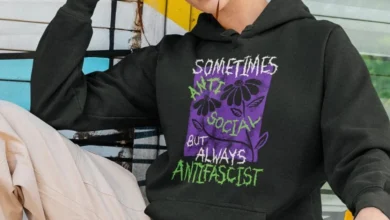
Yes Friends (Price: $; Sizing: 2XS – 4XL): This UK-based brand exemplifies radical affordability without sacrificing ethics. Their t-shirts, costing under £4 to produce, retail at just £7.99, a price point achieved through large-scale, direct-to-consumer production. Specializing in foundational pieces made with certified organic cotton, Yes Friends demonstrates that fair fashion can indeed be budget-friendly and inclusive, offering a wide array of sizes.
-
Q for Quinn (Price: $; Sizing: XS – 3XL): Q for Quinn specializes in sustainable, non-toxic, and eczema-friendly essentials for all ages. Their commitment to organic, responsibly sourced materials ensures comfort and safety, particularly for sensitive skin. With sizing from XS to 3XL, they make ethical choices accessible for everyday wear, focusing on high-quality, durable basics.
-
Joyya (Price: $; Sizing: XS – 4XL): More than just an apparel brand, Joyya, based in New Zealand and operating in Kolkata, India, is a social enterprise. They craft organic apparel while creating vital employment opportunities in communities affected by extreme poverty and human trafficking. Their model directly links consumer purchases to significant social impact, funding education and stable livelihoods, proving that fashion can be a force for good.
-
SeamsFriendly (Price: $$; Sizing: 4XS – 16XL and beyond through custom sizing): Setting a remarkably high bar for inclusivity, SeamsFriendly offers an astonishing size range from 4XS to 16XL, with complimentary custom sizing and height options. Their focus on tailored, functional designs, utilizing lower-impact materials like organic cotton and linen, allows customers to personalize every aspect of their garment, from neck style to fabric. This bespoke approach challenges the mass-production model by prioritizing individual needs and a perfect fit for every body.
-
Purusha People (Price: $$; Sizing: XS – 4XL): For activewear enthusiasts, Purusha People offers organic, plant-based pieces designed for yoga and movement. Available in sizes XS-4XL, their garments feature delicate details and sweat-wicking properties, emphasizing comfort and sustainability in athletic apparel. Their commitment to ethical production extends to their choice of eco-friendly dyes.
-
Miakoda (Price: $$; Sizing: XS – 4XL): Another standout in ethical active and loungewear, NYC-based Miakoda caters to an organic, plant-based lifestyle with sizes XS-4XL. Their stripped-back colors and designs prioritize comfort using organic materials, embodying a minimalist yet conscious aesthetic that appeals to those seeking serene and sustainable everyday wear.
-
Happy Earth (Price: $$; Sizing: XS – 3XL): A B Corp certified US brand dedicated to environmental preservation. Inspired by nature, Happy Earth Apparel utilizes lower-impact materials and low-waste cutting techniques, tracing most of its supply chain to ensure ethical production of its vegan apparel. Their range of basics and casual wear allows consumers to support both people and planet.
-
Kotn (Price: $$; Sizing: XS – 2XL): This Canadian B Corp certified brand goes beyond just organic cotton basics. They actively fund school infrastructure, materials, and teacher salaries in the Nile Delta farming communities, directly linking purchases to improving literacy rates. Their commitment to community development alongside ethical production makes them a powerful choice for socially conscious consumers.
-
PACT (Price: $$; Sizing: XS – 2XL): PACT is a brand passionately dedicated to transforming the way apparel is made. All of their clothing is sweatshop-free and child-labor-free. Their extensive activewear range is almost entirely made from certified organic cotton, with more than 50% also certified as Fair Trade, providing accessible ethical basics for a broad audience.
-
Subset (Knickey) (Price: $$; Sizing: 2XS – 4XL): Formerly known as Knickey, Subset offers organic cotton underwear made in Fairtrade certified factories. The brand also champions circularity by partnering with an NYC non-profit to recycle old undergarments, turning the fibers into insulation and rug pads, thus addressing textile waste head-on and promoting a closed-loop system.
-
Amble Outdoors (Price: $$; Sizing: XS – 4XL): Hailing from Australia, Amble Outdoors (formerly Team Timbuktu) produces high-performance outdoor wear, including waterproof raincoats and sweat-wicking garments, crafted from recycled plastic bottles. Their commitment to sustainability in active lifestyle gear extends to sizes XS-4XL, demonstrating innovation in material reuse.
-
Smartwool (Price: $$; Sizing: XS – 4X): A Colorado-based brand renowned for its merino wool base layers and performance socks. Certified by ZQ Merino, Smartwool demonstrates that animal-derived materials can be sourced ethically and sustainably. They offer durable and high-quality outdoor apparel, ensuring animal welfare standards are met throughout their supply chain.
-
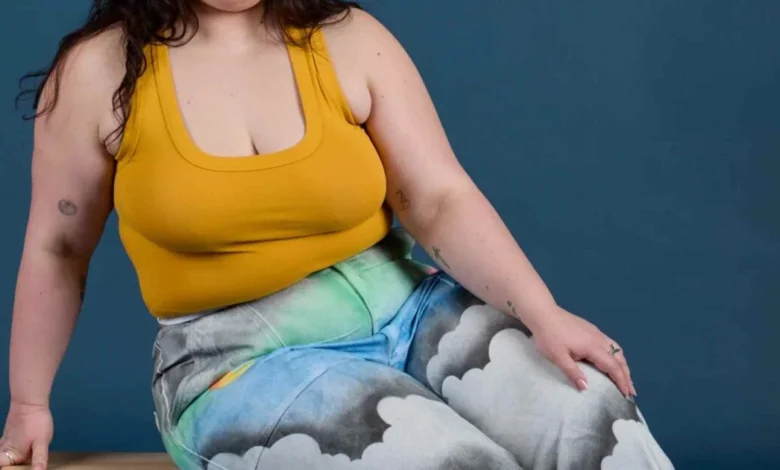
Big Bud Press (Price: $$; Sizing: 2XS – 6XL): This LA-based brand offers vibrant, colorful, and size-inclusive unisex clothing, forming the basis of a conscious wardrobe. While not explicitly vegan, they primarily use plant-based materials and trace most of their supply chain, embodying a commitment to ethical production with a bold and expressive aesthetic.
-
Known Supply (Price: $$; Sizing: XS – 4XL): Known Supply is a US-based, B Corp certified sustainable fashion brand that humanizes the apparel industry by celebrating the makers behind the clothes. They emphasize transparency and connection, allowing consumers to learn about the individuals who crafted their garments, fostering a deeper appreciation for ethical production.
-
Etiko (Price: $$; Sizing: 2XS – 3XL): An Australian pioneer in organic and Fair Trade clothing and shoes. Etiko consistently sets industry standards for upholding human rights in typically exploitative supply chains, making them a leader in ethical footwear and apparel. Their commitment extends to environmental protection through their material choices.
-
Seek Collective (Price: $$$; Sizing: XS – 4XL): This US brand offers thoughtfully made items with a deep dedication to transparency, authenticity, craft, and sustainability. Their partnerships with like-minded communities in India ensure ethical production, establishing strong connections between art, product, consumers, process, and makers. Seek Collective exemplifies artisanal quality with an ethical backbone.
The Enduring Value of Second-Hand and Circularity
While the focus of this guide is on new ethical purchases, it is imperative to reiterate that buying second-hand clothing remains arguably the most sustainable option available. Extending the life cycle of existing garments significantly reduces demand for new production, conserving precious resources, minimizing textile waste, and cutting down on carbon emissions associated with manufacturing and transport. The environmental benefits are substantial: each garment purchased second-hand avoids the energy, water, and chemical inputs required for new production.
The rise of robust online platforms such as Vestiaire Collective, eBay, thredUP, Thrift+, Depop, and Vinted has democratized access to pre-loved fashion. These platforms offer vast and diverse inventories, making second-hand fashion accessible to virtually everyone, regardless of size or budget. Specialized boutiques, such as The Plus Bus Boutique, further cater to specific needs within the second-hand market. This approach not only aligns perfectly with sustainable values but also presents a cost-effective and unique way to refresh one’s wardrobe, promoting a truly circular economy where resources are valued and reused rather than discarded.
Implications and Future Outlook
The growing demand for affordable and size-inclusive sustainable fashion signals a crucial shift in consumer expectations and industry responsibility. Brands that actively address these dimensions are not merely responding to a niche market but are shaping the future of fashion—one that is inherently more equitable, accessible, and environmentally responsible. The continued evolution of production technologies, coupled with increasing consumer pressure for transparency and ethics, will likely drive further innovation in sustainable materials, ethical manufacturing processes, and inclusive design. The goal for the fashion industry must be to move beyond sustainable fashion as a luxury or a niche compromise, establishing it as the mainstream standard where every individual, regardless of their body shape or economic standing, can participate in building a more conscious wardrobe and supporting a healthier planet. This collective effort from brands, consumers, and industry advocates is essential for fostering a truly equitable and sustainable fashion ecosystem.
Editor’s Note: Feature Image via Big Bud Press, all other images via brands mentioned. Good On You publishes the world’s most comprehensive ratings of fashion brands’ impact on people, the planet, and animals. Use our directory to search thousands of rated brands. This article was last updated on July 9, 2026, with our editors refreshing the selection of products to ensure top picks from brands with recent ratings.