Eternal Tides Unveils a Coastal-Inspired Design Philosophy for Modern Luxury Weddings

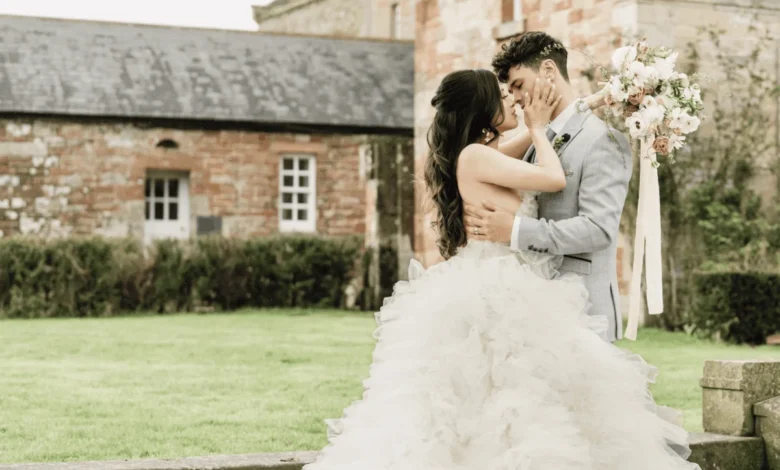
The intersection of contemporary event design and natural motifs has yielded a distinct aesthetic movement, highlighted by the official unveiling
of the "Eternal Tides" concept by leading industry creatives. Conceived as a holistic thematic framework for high-end matrimonial celebrations, the design draws its foundational inspiration from the rhythmic mechanics and visual serenity of ocean currents. Rather than relying on traditional botanical arrangements or conventional ballroom opulence, the concept utilizes a curated palette of seafoam green, rich ivory, and reflective gold accents to establish an atmosphere of tranquil sophistication. This design paradigm reflects a broader shift within the multi-billion-dollar wedding industry toward experiential, nature-integrated environments that prioritize emotional resonance alongside visual grandeur.
The genesis of the Eternal Tides project traces back to an intensive eighteen-month research and development phase conducted by elite event architects, floral designers, and spatial planners. Recognizing a growing consumer demand for personalized, symbolic narratives over standardized luxury packages, the creative team sought to codify the metaphorical parallels between maritime persistence and long-term marital commitment. The conceptualization process involved exhaustive material sourcing, color theory testing, and spatial acoustic studies to ensure that venues transformed using this motif could successfully emulate the calming, immersive presence of a coastal environment without feeling overly theatrical or themed.
Following the initial research phase, the developmental timeline advanced into prototype staging and palette standardization during the third quarter of the preceding year. Designers experimented with organic textures, incorporating sustainably sourced driftwood, polished mother-of-pearl inlay, and undulating linens designed to mimic the natural fall of sea foam. By the final quarter, the framework was finalized into a comprehensive blueprint encompassing lighting directives, bespoke tablescapes, and architectural installations. The official public release of the design philosophy marks the transition from conceptual R&D to commercial implementation across high-profile domestic and international venues.
Central to the Eternal Tides framework is a meticulously engineered sensory ecosystem. The design philosophy rejects harsh, direct lighting in favor of multi-tiered illumination strategies utilizing soft candlelight, diffused perimeter uplighting, and metallic gold elements that catch and refract light in a manner reminiscent of sunlight dancing on water. Table landscapes feature subtle integrations of natural marine elements, including ethically gathered seashells and sculptural coral-like floral installations, anchored by heavy, tactile ceramics and fine bone china in shades of seafoam and ivory. These physical components are supported by acoustic mapping, ensuring that ambient soundscapes—such as low-frequency harmonic ocean white noise or acoustic string interpretations of maritime melodies—complement the visual field.
Industry data underscores the commercial viability and timeliness of nature-infused luxury concepts like Eternal Tides. According to recent market analysis reports from the global event and hospitality sector, the worldwide wedding industry has experienced a compound annual growth rate (CAGR) of approximately 5.8 percent, driven largely by an increasing preference for bespoke, destination-style, and experiential celebrations. Couples are allocating a significantly higher percentage of their overall budgets to custom design elements that tell a cohesive personal story. Within this economic landscape, themes that draw on biophilic design principles—the practice of connecting people and spaces with nature—have demonstrated superior performance metrics in client satisfaction and vendor adoption rates.
The economic implications of the Eternal Tides launch extend beyond immediate aesthetic trends, signaling shifts in supply chain practices within the luxury event sector. Event planners utilizing the concept are increasingly reliant on sustainable, locally sourced materials, moving away from single-use plastics and non-biodegradable decor toward reclaimed timber, reusable metallic fixtures, and responsibly harvested organic matter. This pivot aligns with broader corporate sustainability mandates sweeping through the hospitality industry, as high-net-worth consumers demand ethical accountability alongside high-end execution.
Reactions from prominent figures within the international event planning community have been overwhelmingly positive, pointing to the concept’s versatility and emotional depth as key differentiators in a crowded market. Lead designers associated with the project emphasize that the theme transcends a mere visual trend, functioning instead as a structural metaphor for the endurance of partnership. In official statements released alongside the design debut, representatives noted that the ebb and flow of ocean tides serve as a universally understood allegory for the resilience required in long-term relationships. This philosophical grounding allows planners to customize the environment for diverse clientele while maintaining a rigorous standard of understated elegance.
From an operational standpoint, the implementation of Eternal Tides requires specialized coordination between venue operators, AV technicians, and floral artists. The emphasis on organic, flowing lines necessitates custom-built staging and drapery rigging that can withstand varying environmental conditions, particularly for coastal or open-air venues. Industry analysts note that while the upfront logistical investment for such bespoke installations is substantial, the long-term return on investment for event production houses is high, given the strong media appeal and photographability of the finished spaces. High-end matrimonial publications and digital lifestyle platforms have already slated several upcoming celebrity and high-society weddings featuring variations of the Eternal Tides aesthetic for extensive editorial coverage.
Looking forward, the broader impact of the Eternal Tides framework is expected to influence not only wedding design but also corporate gala planning and luxury hospitality interiors. The successful fusion of biophilic design with classical romance demonstrates that consumers are actively seeking environments that offer psychological respite alongside aesthetic luxury. As urban centers become denser and more fast-paced, the desire for spaces that evoke natural tranquility—such as the soothing expanse of the open sea—will likely remain a dominant driver in interior and event architecture.
Ultimately, Eternal Tides represents a sophisticated synthesis of material science, artistic direction, and emotional storytelling. By translating the timeless mechanics of the ocean into a structured design vocabulary, its creators have established a new benchmark for luxury event architecture. As the concept rolls out across premier global markets throughout the coming year, its influence on sustainable sourcing, sensory immersion, and narrative-driven design will continue to shape the evolution of high-end celebrations worldwide.