Gem Gossip Summer 2026 Recap: A Seasonal Reflection on Trends, Personal Style, and Artisanal Curations

As Nashville transitions into the academic year, the local creative community is pausing to assess the developments of the summer 2026 season. For many entrepreneurs and boutique owners, the shift from a high-activity summer to the structured environment of autumn serves as a natural inflection point for business strategy and personal branding. This season has been defined by a marked pivot toward vibrant color palettes, a resurgence of artisanal glasswork, and a strategic emphasis on accessible luxury goods that complement high-end jewelry collections.
The Influence of Seasonal Color Analysis on Consumer Trends
The summer of 2026 saw a notable shift in the fashion and jewelry landscape, driven by an increased consumer interest in personal color analysis. Industry data indicates that searches for "seasonal color analysis" have trended upward throughout the year, as consumers seek to refine their wardrobes and accessory collections to align with specific color palettes.
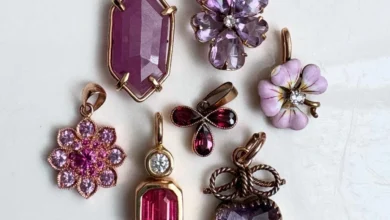
For many, this process—which categorizes individuals into seasonal palettes such as "Bright Spring"—has moved beyond a mere aesthetic trend to become a functional guide for purchasing. The Bright Spring palette, characterized by high-saturation, warm, and clear tones, has directly influenced the demand for specific gemstones. Market trends show a decline in the popularity of muted, grey-toned, or pastel stones in favor of vibrant options such as turquoise, red coral, and angel skin coral. This shift represents a broader consumer desire for "crayola-box" saturation, where jewelry acts as a focal point of high-contrast expression rather than a subtle background element.

Artisanal Collaborations and Market Diversification
A significant development within the boutique jewelry sector this summer has been the intentional diversification of product price points. By engaging with specialized artisans, business owners have successfully bridged the gap between high-end, investment-grade pieces and accessible, everyday accessories.
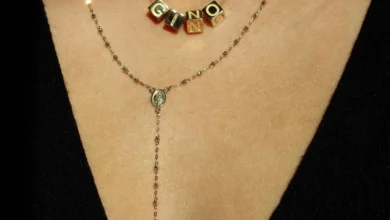
The introduction of handcrafted glass beads serves as a case study for this trend. By collaborating with glass artists to produce beads with specific dimensions—designed specifically to fit standard gold chain widths—retailers have solved a common consumer frustration while expanding their product inventory. From a business perspective, the introduction of items priced at the $25 tier represents a strategic move to lower the barrier to entry for new customers, effectively converting interest in luxury aesthetics into tangible, affordable sales.

The Resurgence of Glass Art and Collectible Curiosities
The summer of 2026 also saw a measurable revival in the market for artisanal glass animals. These items, which have historically occupied a niche space in the collectibles market, have seen a resurgence in popularity, supported by global supply chains that connect small-scale workshops in regions such as Pennsylvania and Ukraine with a broader digital marketplace.
Industry analysts suggest that this trend is rooted in a post-pandemic shift toward "curated nostalgia." Consumers are increasingly seeking out objects that provide a tactile, artistic experience, often documenting their collections on social media platforms to foster community engagement. The success of these glass trinkets reflects a broader movement toward valuing the "perfectly imperfect"—hand-finished goods that possess an organic character, standing in contrast to the uniformity of mass-produced jewelry components.

Strategic Inventory Management and Historical Preservation
While retail trends occupied much of the summer, internal operational projects also played a significant role in the seasonal narrative. The process of auditing and reorganizing long-term archives—often stored in climate-sensitive environments like attics—has become a recurring theme for small business owners and collectors alike.
In the Tennessee region, where summer temperatures frequently reach extreme highs, the preservation of historical inventory and personal archives has necessitated significant infrastructure improvements. The transition from legacy storage to modernized, climate-controlled systems, such as custom-built playroom cabinetry, highlights the logistical challenges faced by those managing multi-generational collections. This process often yields secondary benefits, as rediscovered items—such as vintage dolls or forgotten jewelry components—can be integrated into contemporary design narratives, effectively blending the past with modern stylistic sensibilities.

Evolution of the Jewelry Market: From Navettes to Ombre Diamonds
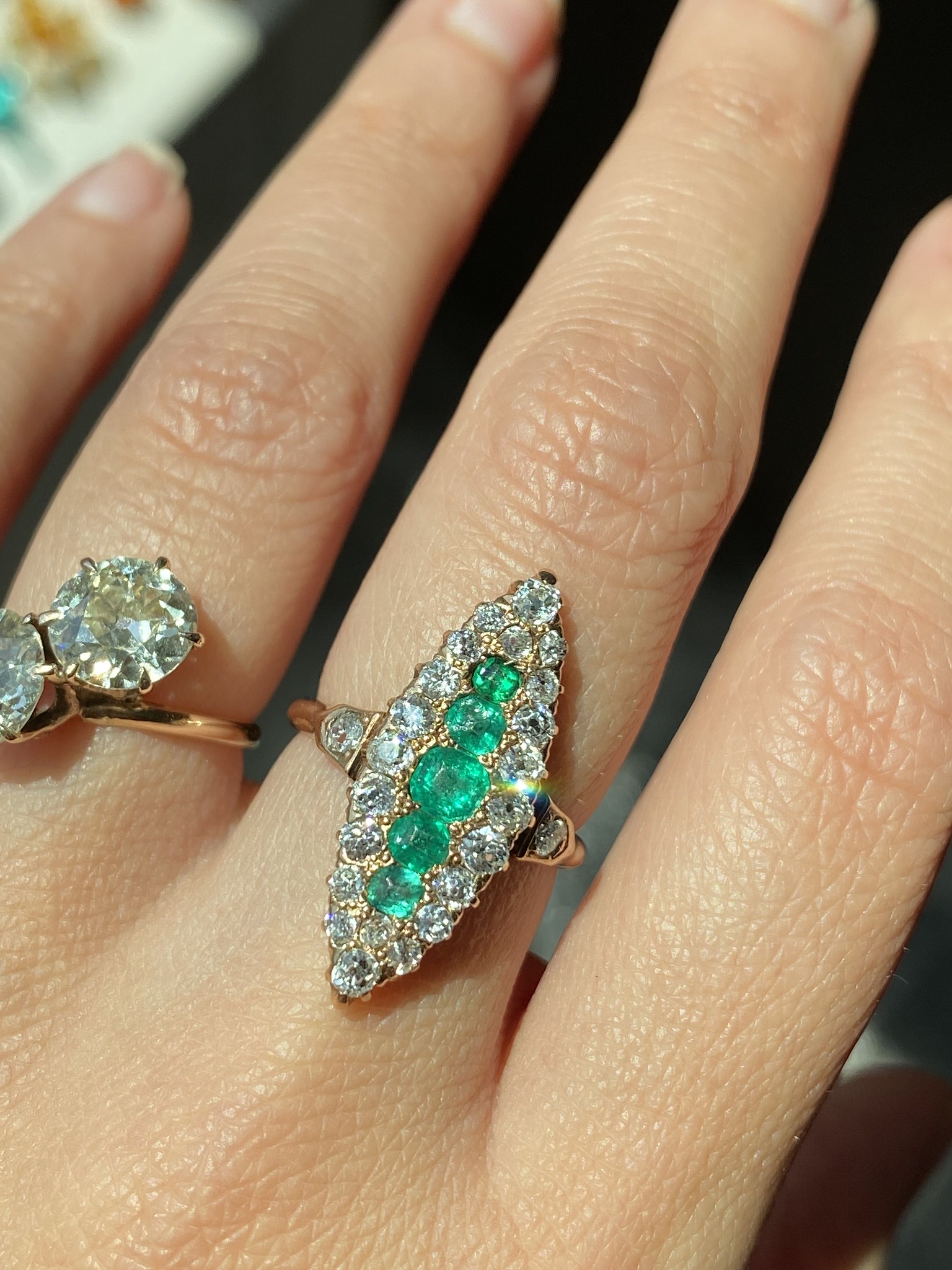
The jewelry market in late 2026 continues to demonstrate a preference for pieces that balance historical motifs with contemporary design choices. The "navette" ring—an elongated, marquise-shaped design—has remained a persistent favorite among collectors, particularly when set with high-contrast gemstones like emeralds and diamonds.
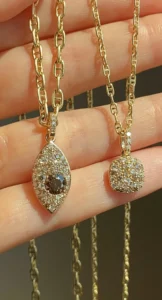
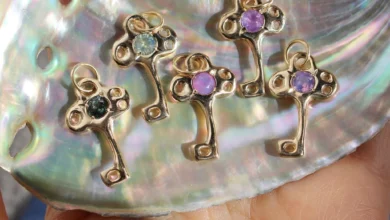
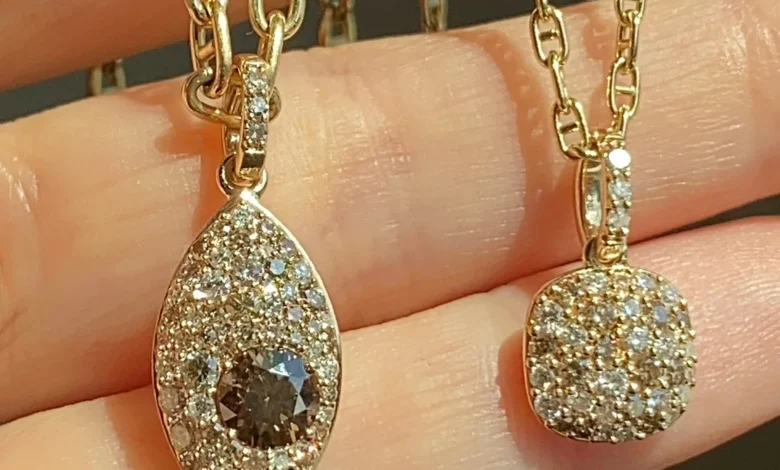
Furthermore, the introduction of ombre-colored brown diamonds marks a subtle departure from the traditional dominance of colorless, high-clarity stones. These diamonds, which feature variations in saturation and off-center settings, cater to a sophisticated consumer base that prioritizes unique craftsmanship over standardized grading criteria. The "In the Light of Day" key collection, which utilizes the same gemstone species in varying saturations, further illustrates the industry’s focus on technical nuance and the play of light within a single piece of jewelry.

Economic and Demographic Shifts in Retail
Looking at the broader economic context, the challenges of balancing professional growth with family obligations remain a central narrative for small business owners. The decision to prioritize flexible, travel-light schedules during the summer months is a common trend among working parents, who often seek to optimize the "back-to-school" transition period for strategic business planning.
The retail sector’s reliance on collaborative collections—such as the "Danielle Seashell Key," a joint venture between jewelry designers—underscores the importance of strategic partnerships. By leveraging the existing audiences of multiple designers, these collaborations create a sense of urgency and exclusivity that drives sales. The re-introduction of such items, now featuring gemstone enhancements, serves as a mechanism to revitalize established products and keep them relevant to a shifting consumer demographic.

Summary of Future Market Implications
As the industry moves toward the final quarter of 2026, the following trends are expected to maintain momentum:
- Chromatic Specificity: The reliance on color analysis tools will continue to dictate purchasing behaviors, favoring high-saturation gemstones and vibrant metals.
- Modular Luxury: Consumers will continue to seek out modular, affordable accessories—like custom-fit glass beads and organic gold wafers—that allow for high-frequency updates to existing jewelry stacks.
- Artisanal Transparency: The provenance of goods, including the location of artisan workshops and the handmade nature of the product, will remain a critical component of the value proposition.
- Archival Reintegration: The trend of "re-discovering" and modernizing vintage inventory will likely expand, as collectors prioritize the storytelling aspect of their possessions.
The summer of 2026 has ultimately been a season of refinement. Whether through the professionalization of internal inventory management or the strategic expansion of collaborative jewelry lines, the common thread remains a commitment to aesthetic integrity and a responsive approach to the evolving preferences of the modern collector. By balancing the demands of a high-growth retail environment with the practical realities of long-term preservation and family life, the creative sector continues to demonstrate resilience and adaptability in an ever-changing economic landscape.