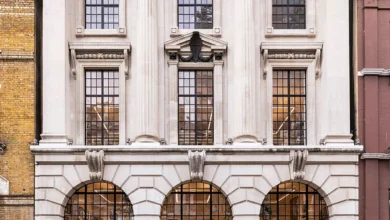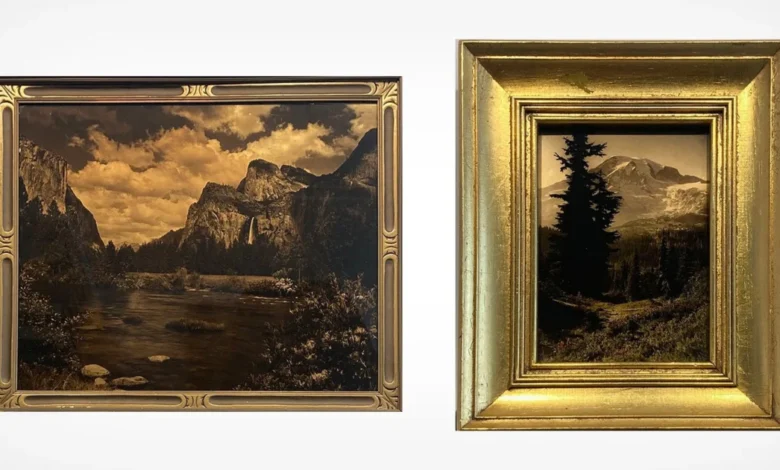
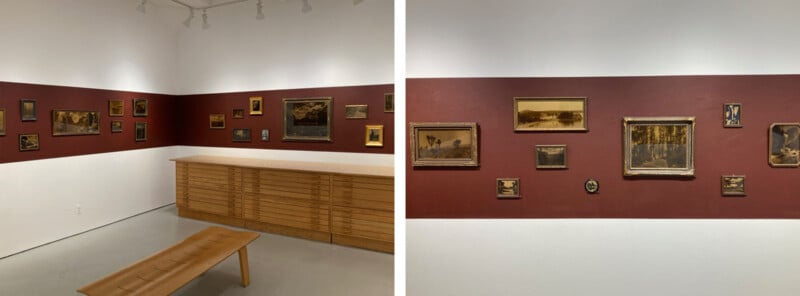
The Robert Mann Gallery in New York City is currently hosting a captivating exhibition titled "Gold Standards: The Art of the Orotone," which shines a spotlight on the distinctive and luminous orotone photographic printing process. Running until May 16th, the exhibition showcases a collection of prints renowned for their warm, golden hues and their intrinsic beauty as handcrafted objects. This display offers a rare opportunity to appreciate a photographic technique that, while historically significant, enjoyed a relatively brief period of widespread popularity.
A Glimpse into a Golden Era of Photography
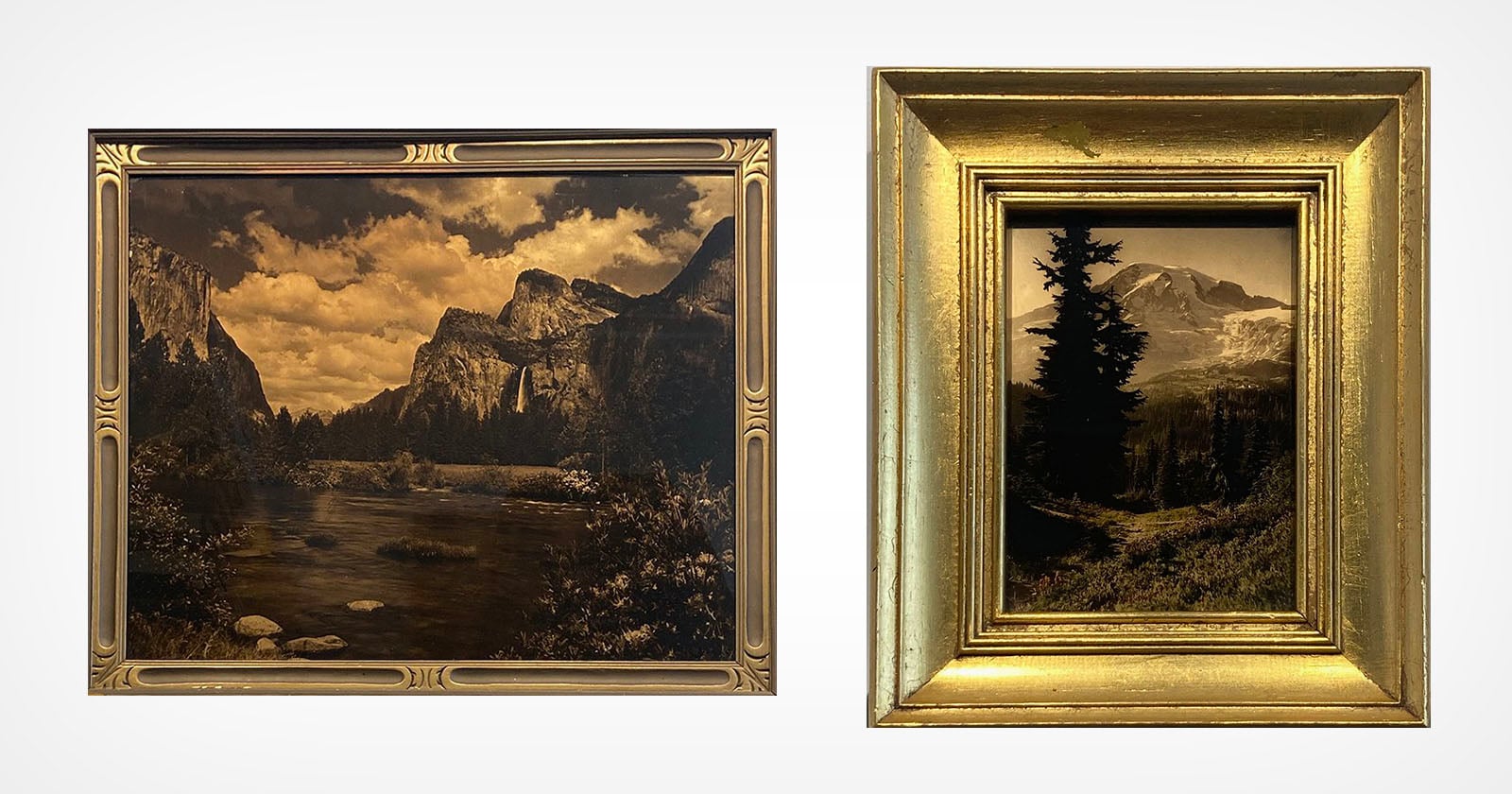
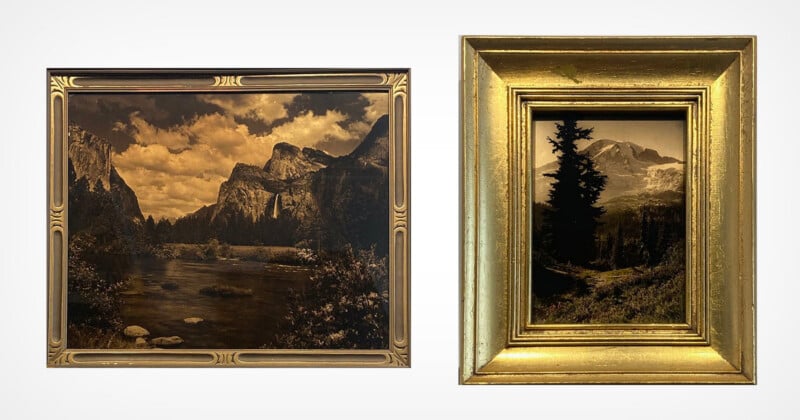
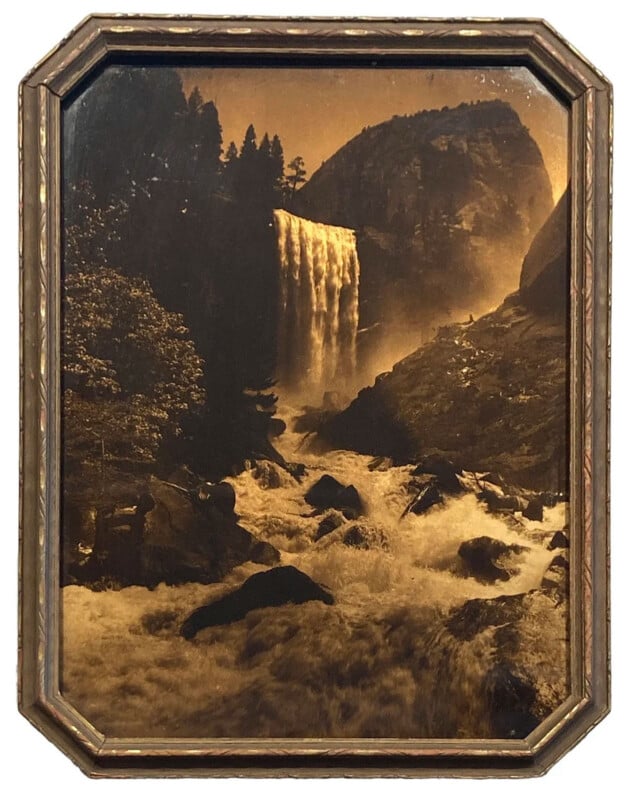
The orotone process, also known as the "Curt-Tone" due to its popular association with photographer Edward S. Curtis, emerged at the turn of the twentieth century. This method involved applying a pigment directly to a glass plate that had been coated with a photographic emulsion. The hallmark of the orotone print is its rich, warm-toned finish, often described as glistening or radiant, achieved through the use of gold or platinum pigments. These prints were typically presented in elaborately decorative frames, further enhancing their status as artistic objects intended for appreciation and display.
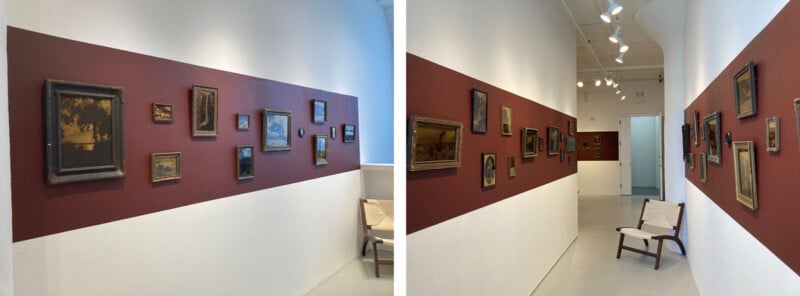
The Robert Mann Gallery’s exhibition delves into this fascinating aspect of photographic history, presenting nearly 100 orotone prints drawn from what is described as the largest known private collection of these works. The gallery’s statement highlights the historical context: "At the turn of the twentieth century, when photographs were crafted as material objects to hold and cherish, gold was used in the production of a short-lived process called orotone, resulting in overtly warm-toned images that glistened in the light." The gallery further notes that orotones "were admired by those in the American Arts and Crafts movement for their involved handiwork and singularity." This appreciation for artisanal craftsmanship aligns perfectly with the aesthetic values of the Arts and Crafts movement, which emphasized handmade objects and a rejection of mass production.
The Legacy of Arthur Clarence Pillsbury and Western Landscapes
Among the featured works are pieces by Arthur Clarence "A.C." Pillsbury, a photographer and inventor whose contributions to documenting the American West are significant. Pillsbury’s career gained a new direction following the devastating 1906 San Francisco earthquake. After this cataclysmic event, he relocated and established a permanent photography studio in the newly formed Yosemite National Park, which had been designated in 1890. Working in the period preceding the more widely known Ansel Adams, Pillsbury utilized the orotone process to capture the majestic beauty of Yosemite and other parts of the American West. His prints served to introduce and immortalize the natural grandeur of these regions for a broader audience.
The exhibition includes several of Pillsbury’s iconic landscape prints, such as "The Gates of Yosemite," which exemplifies his skill in rendering the park’s dramatic vistas with the characteristic golden warmth of the orotone. While many prints in the exhibition are by unknown artists, the inclusion of Pillsbury’s work provides a crucial historical anchor, connecting the process to a specific era of landscape photography and its artistic development.
Exploring the Diversity of Orotone Imagery
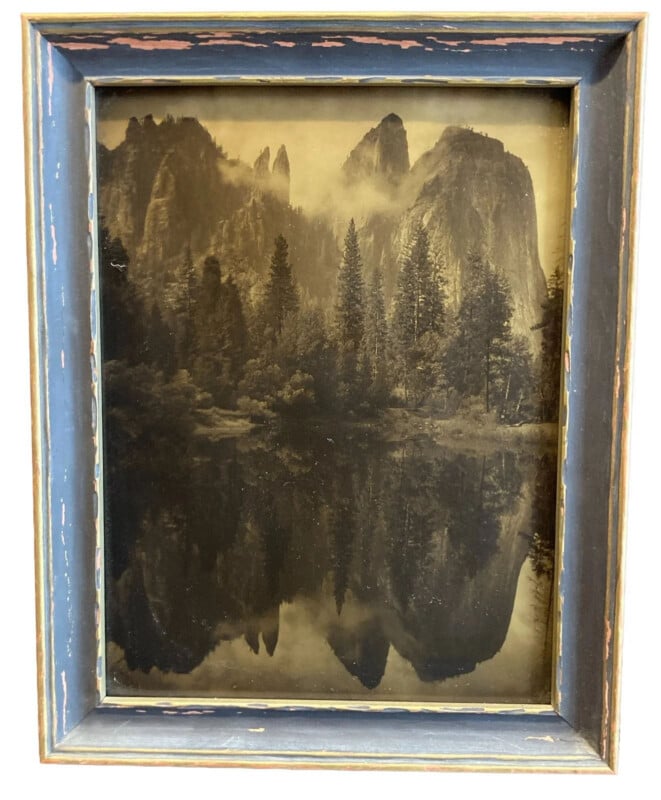
Beyond the well-known works of Pillsbury, the collection showcases a diverse range of subjects captured through the orotone process. The exhibited images include striking depictions of natural landscapes, from cascading waterfalls like "Vernal Falls" by A.C. Pillsbury, to serene mountain lakes reflecting their surroundings, such as "Mirror Lake, Mt. Rainier" by James Bert Barton and "Sun’s Last Glow, Mt. Rainier" by Norman Edson. Other pieces feature coastal scenes, rivers, and even sand dunes, demonstrating the versatility of the orotone technique in capturing different environmental aesthetics.
The accompanying frames are an integral part of the viewing experience, often ornate and decorative, reflecting the period’s appreciation for the photograph as a finely crafted object. These frames, some with distressed gold finishes and others with rich detailing, enhance the inherent warmth and luminescence of the prints themselves. While many of the artists remain anonymous, their works collectively paint a vivid picture of the aesthetic sensibilities and subject matter favored during the orotone era.
The Rise and Fall of a Unique Photographic Process
The orotone process, while producing visually stunning results, was relatively short-lived as a dominant photographic printing method. Its complexity and the cost associated with the gold or platinum pigments likely contributed to its decline. The advent of more accessible and easily reproducible printing techniques, such as gelatin silver prints, eventually supplanted the orotone. However, its unique aesthetic and handcrafted nature ensured its enduring appeal among collectors and enthusiasts of historical photography.
The Arts and Crafts movement, which flourished in the late 19th and early 20th centuries, played a significant role in the orotone’s popularity. This movement championed traditional craftsmanship, high-quality materials, and functional design, all of which are embodied in the orotone print. The emphasis on the "involved handiwork and singularity" mentioned by the Robert Mann Gallery resonates deeply with the movement’s philosophy, positioning orotones not merely as reproductions of an image, but as unique works of art.
The Enduring Allure and Modern Revival
Despite its historical trajectory, the orotone process is not entirely relegated to the past. As PetaPixel has previously reported, contemporary photographers can still engage with and create orotone prints today. The resurgence of interest in historical photographic processes, driven by a desire for unique aesthetics and a deeper connection to photographic history, has led to a renewed appreciation for techniques like the orotone.
The "Gold Standards: The Art of the Orotone" exhibition at the Robert Mann Gallery serves as a powerful testament to the enduring appeal of this luminous printing method. By bringing together a significant collection of these rare prints, the gallery provides an invaluable educational and aesthetic experience. While the tactile quality and the way light interacts with the gold pigments are best appreciated in person, the gallery has also made images of the prints available online, offering a digital glimpse into this golden world of photography.
Broader Implications and Future Inspiration
The exhibition’s success in drawing attention to the orotone process carries broader implications for the appreciation of photographic history and technique. It highlights the often-overlooked artistic and material dimensions of early photography, moving beyond the purely documentary or informational aspects. For contemporary photographers, the exhibition offers a source of inspiration, demonstrating the creative possibilities inherent in exploring and reviving historical printing methods. The ability to recreate such unique visual effects, even with modern adaptations, can lead to innovative artistic expressions.
The fact that the exhibition is drawn from a private collection underscores the dedication of individuals in preserving and showcasing these historical photographic artifacts. The Robert Mann Gallery’s commitment to this exhibition further solidifies its reputation as a venue that champions both historical and contemporary photographic art. The continuation of such exhibits is crucial for ensuring that these significant, yet often obscure, chapters in photographic history are not forgotten.

The "Gold Standards: The Art of the Orotone" exhibition runs until May 16th at the Robert Mann Gallery, located in New York City. Information regarding gallery hours and location is available on the gallery’s official website. The exhibit offers a unique opportunity to witness the radiant beauty of a photographic process that continues to captivate with its golden glow and artisanal charm.