Gubi Revives Carlo Nasons Iconic 1969 Lotus Table Lamp for Modern Design Enthusiasts

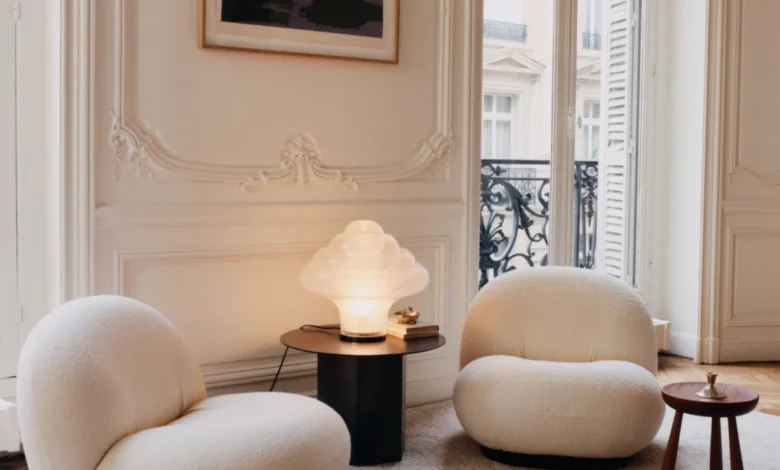
The legendary Italian design brand Gubi has officially breathed new life into one of the most coveted lighting fixtures of the mid-20th century. More than five decades after its initial launch, Carlo Nasons sculptural LT305 lamp—universally adored and nicknamed the Lotus lamp by design purists—is back in production. Developed in close collaboration with the designers family, the reissue bridges the gap between avant-garde 1960s Space Age design and contemporary interiors, offering a masterclass in Murano glass craftsmanship that honors an enduring legacy.
Main Facts of the Revival
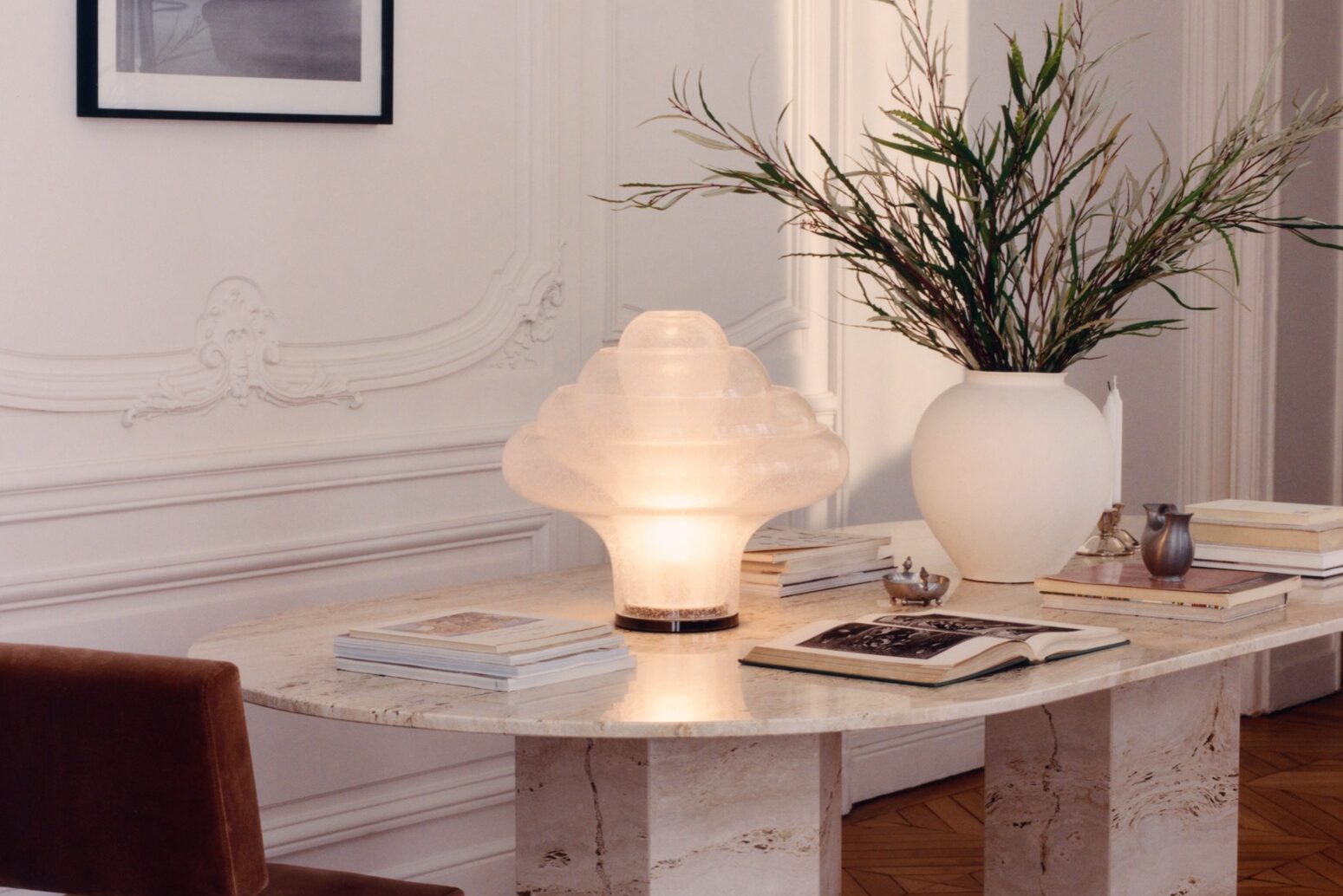
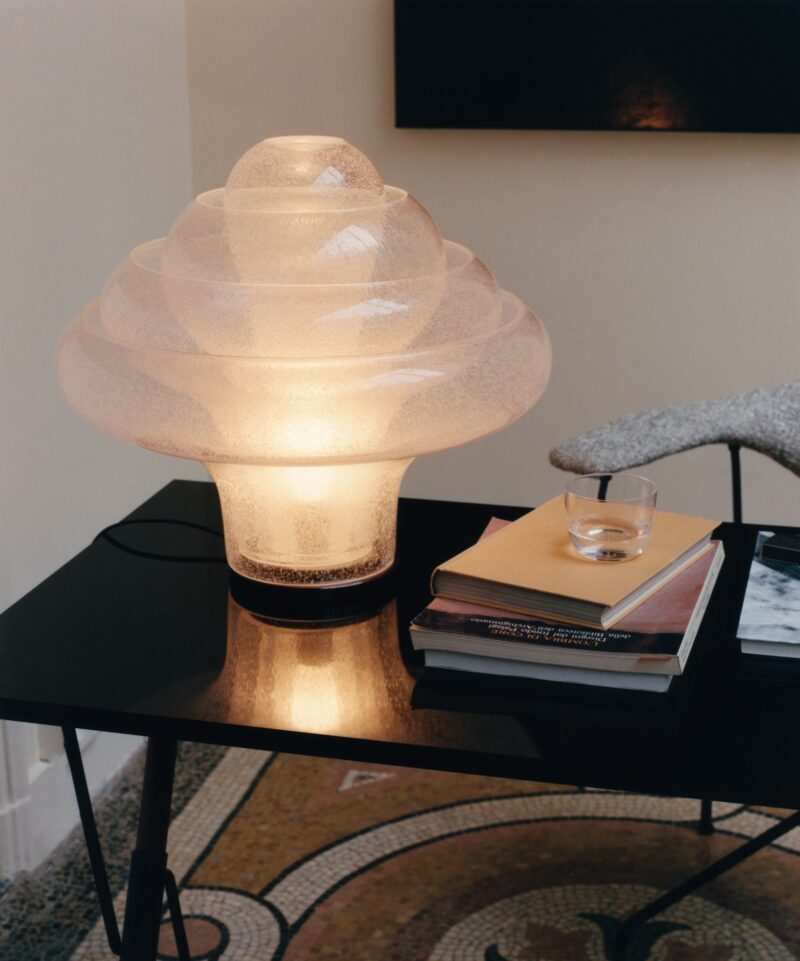
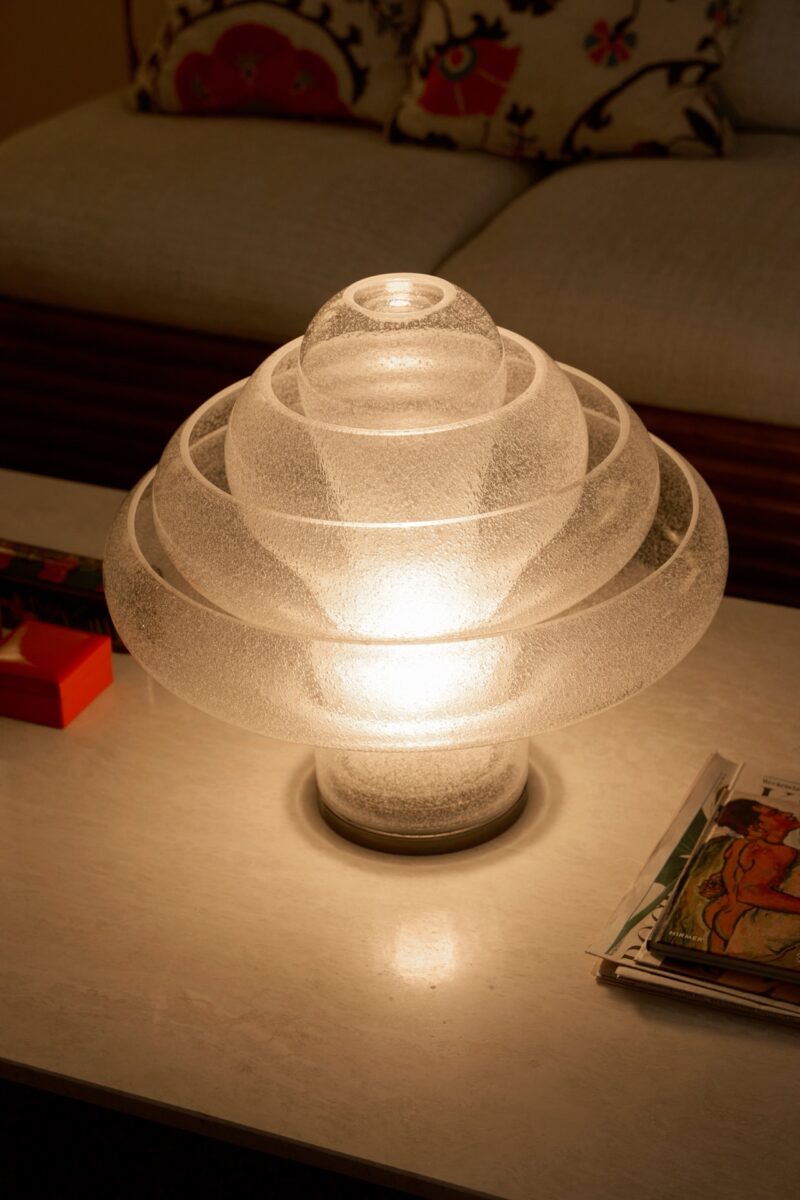
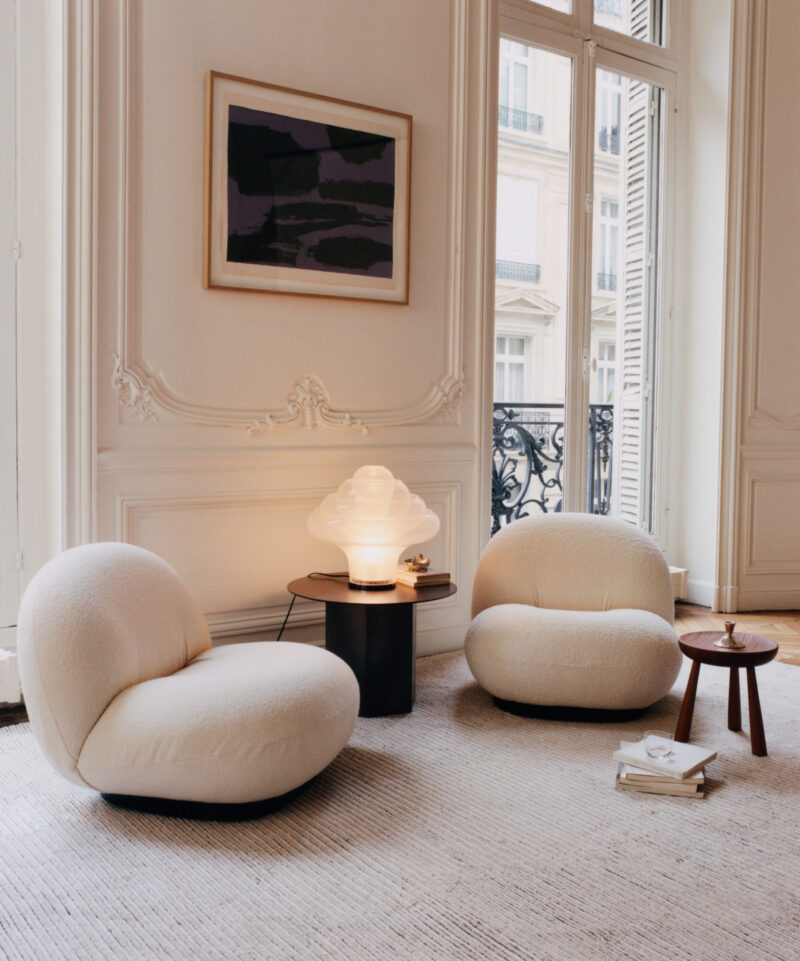
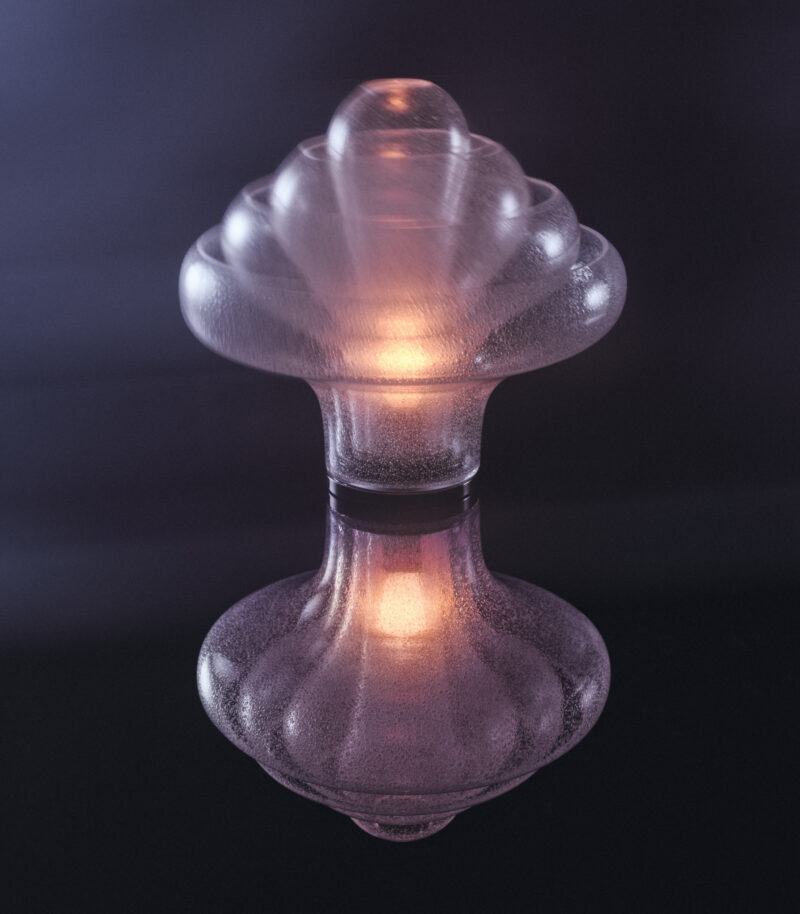
The newly reintroduced Lotus table lamp retains the exact silhouette, materiality, and architectural presence that made the original 1969 release a collector’s item. Standing as a monument to innovative glassblowing, the fixture comprises four distinct mouth-blown shades nested meticulously within one another. This layered construction mimics a lotus flower in full bloom while serving a functional purpose: diffusing light to eliminate harsh glare and sharp shadows.
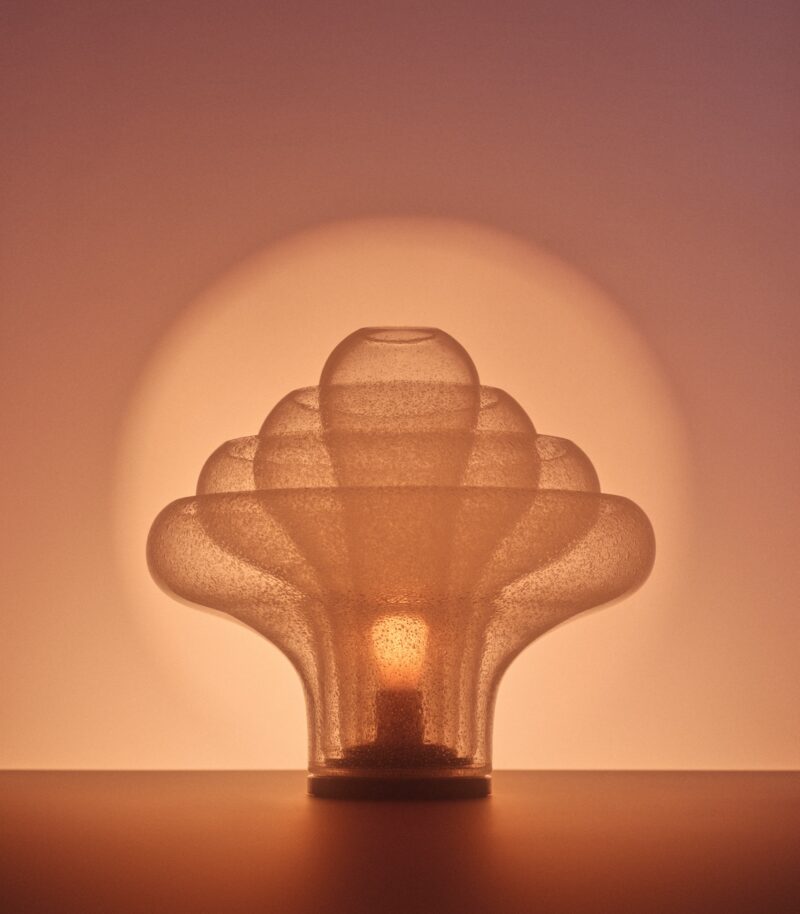
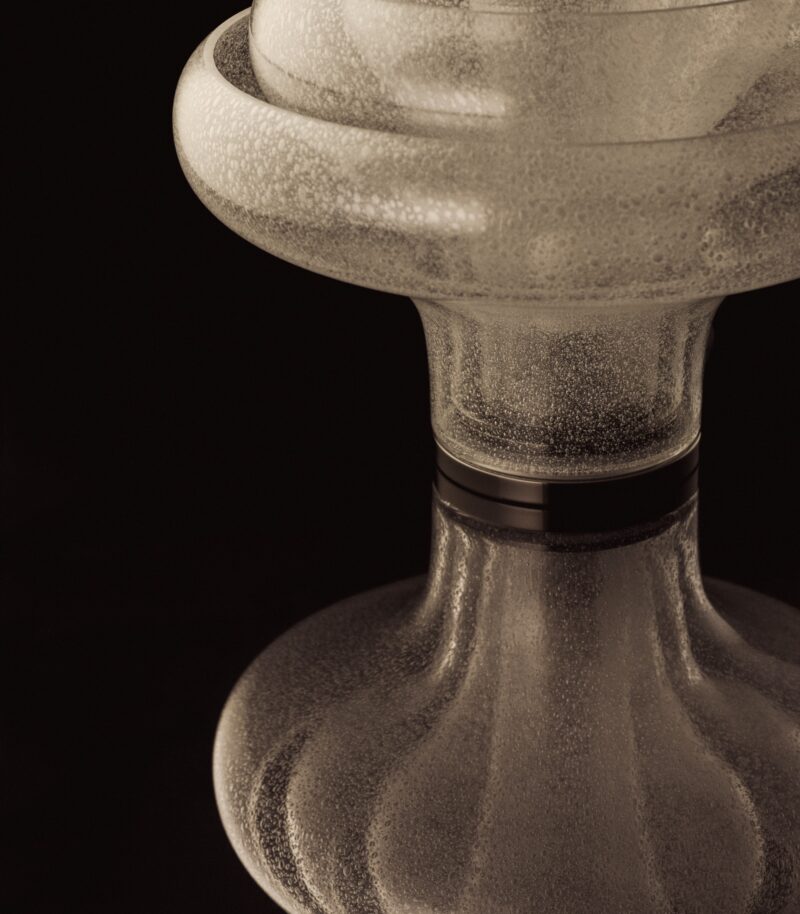
The central core of the lamp, where the four shades overlap, completely obscures the interior bulb behind an opaque visual barrier. Meanwhile, the outer curves feature a single layer of delicate, transparent glass. To achieve its signature textured and semi-opaque appearance, the glass is manufactured using the traditional Murano pulegoso technique, developed in the 1920s. This method traps tiny air bubbles within the molten material, ensuring that natural variations occur during production and rendering every single lamp entirely unique.
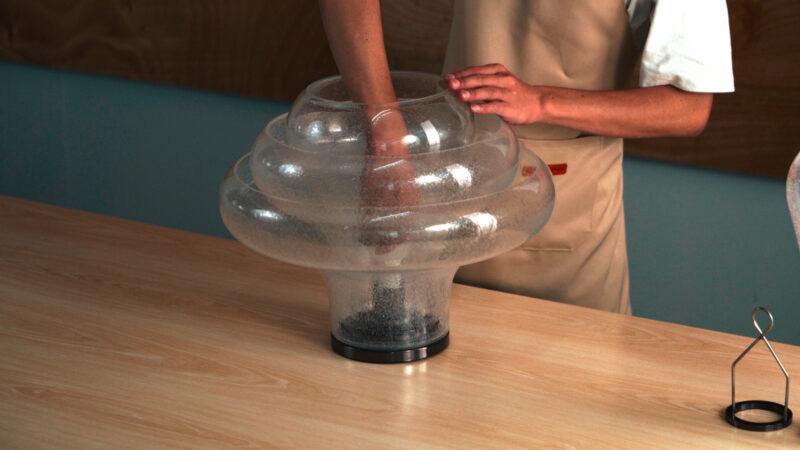
While preserving Nasons aesthetic intent, Gubi introduced one vital engineering update: a re-engineered steel base. This updated structural foundation houses the bulb socket securely, improves overall stability, and simplifies the process of disassembling the lamp for cleaning and bulb maintenance. These discreet enhancements seamlessly adapt the vintage masterpiece for modern daily use without altering its exterior expression.
Chronology and Design Evolution
To fully appreciate the significance of Gubis reissue, one must look back at the timeline of the designers career and the specific era that birthed the object.
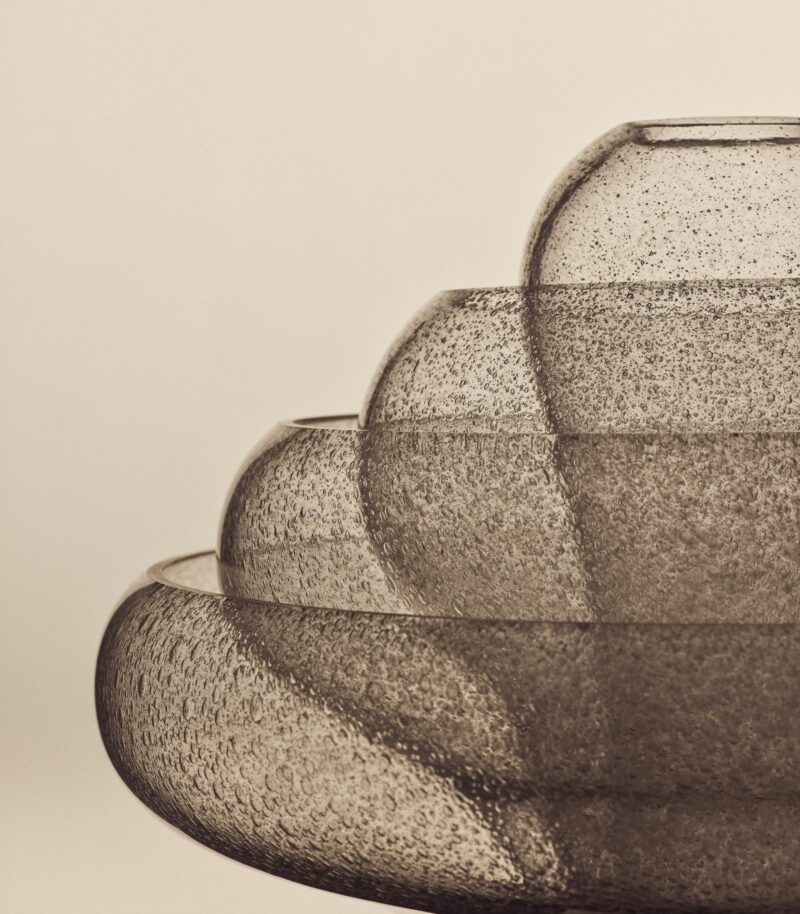
- 1920s: The pulegoso glassmaking technique is pioneered on the island of Murano, laying the technical foundation for future experimental glassware.
- 1969: Carlo Nason—emerging from a renowned lineage of Murano glassmakers—debuts the LT305 lamp. Influenced by the rise of industrial product design and the Space Age aesthetic of the decade, Nason rejects purely decorative conventions in favor of a streamlined, sculptural profile.
- Early 1970s: Despite critical acclaim and avant-garde appeal, the original production run of the LT305 is short-lived, keeping the piece on the market for only a few years and inadvertently transforming it into an ultra-rare collector’s grail.
- Decades Following: Design collectors and vintage connoisseurs drive up secondary market prices, universally adopting the moniker the Lotus lamp due to its botanical, tiered silhouette.
- Earlier This Year: Carlo Nason passes away, making the eventual revival a poignant tribute to his life’s work.
- Fall 2026: Gubi officially brings the Lotus lamp back into commercial production under its adopted moniker, working hand-in-hand with Nasons son, Alberto Nason.
Supporting Data and Craftsmanship Metrics
The complexity of the Lotus table lamp lies heavily in its material composition and manufacturing pedigree. Murano glassblowing is an ancient discipline requiring years of specialized apprenticeship, and Nason was uniquely positioned to push its boundaries. Having grown up surrounded by master artisans, he possessed an intimate understanding of thermal dynamics and glass viscosity.
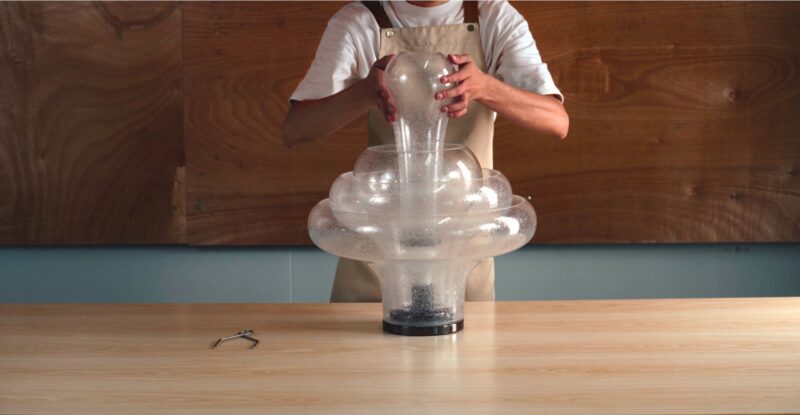
The lamp relies on four nested shades, each demanding precise manual execution by skilled glassblowers. The incorporation of the pulegoso effect requires introducing specific chemical agents into the molten glass to generate controlled pockets of air, creating a rich, tactile depth. Because these bubbles distribute differently during every single cooling cycle, no two lamps share an identical internal pattern. This organic variation serves as a hallmark of authentic, high-end artisanal production in an era increasingly dominated by automated, mass-produced homewares.
Official Responses and Stakeholder Perspectives
The decision to resurrect the Lotus lamp was driven by a shared philosophy between Gubi and the Nason family regarding historical preservation and design integrity. Marie Kristine Schmidt, CEO of Gubi, emphasized that adopting the collectors’ nickname was an intuitive choice.
"Collectors had already given the lamp a name that captures the design beautifully," Schmidt noted. "The name had become part of the design’s identity and history, and we wanted to respect that. A design has to earn its place in the Gubi Collection. We look for pieces with a strong identity, a distinct point of view, and qualities that make them as relevant today as when they were first created. Lotus has all of those qualities."
Schmidt also highlighted the careful balance between honoring the past and ensuring contemporary functionality. "These are discreet improvements that do not change the expression of the design, but ensure that it works beautifully in everyday use. Whenever we bring a design back into production, our starting point is to understand the original intention and preserve what makes it special. We worked closely with Nasons son, Alberto, throughout the development process."
Alberto Nason expressed profound gratitude for the collaboration, noting that the reissue provides a fitting continuation of his father’s artistic legacy. He emphasized the emotional and sensory impact of the physical object.
"The more you observe it, the more it unfolds, layer by layer, allowing you to discover its beauty over time," Alberto stated. "There is a quiet magic to it: a softness, a depth, a tactile presence that makes the light feel almost like a material in itself." He added that he is especially thrilled that a much larger global audience will now have the opportunity to experience his father’s visionary work firsthand.
Broader Impact and Market Implications
The re-release of the Lotus lamp arrives at a time of heightened consumer and architectural interest in mid-century modern lighting, organic forms, and handcrafted statement pieces. As interior design trends increasingly shift away from minimalist starkness toward textural richness and sculptural warmth, vintage revivals hold a powerful position in the luxury furniture market.
By partnering with the Nason estate and applying modern engineering refinements to a mid-century icon, Gubi successfully mitigates common pain points associated with vintage lighting—such as fragile wiring, obsolete bulb fittings, and a lack of replacement parts. This strategy not only protects historical artifacts from being overly dismantled or damaged in private collections, but it also democratizes access to museum-quality design for a new generation of architects, interior designers, and homeowners.
Ultimately, the return of the Lotus table lamp proves that truly visionary design transcends its era. Like the resilient flower from which it draws its name, Carlo Nasons masterwork has surfaced anew, shedding a warm, multi-layered glow on the future of contemporary interiors.
Related posts: