Hôtel de Crillon Transforms Its Terrasse Concorde Into a Cashmere-Clad Winter Sanctuary in Partnership With Kujten

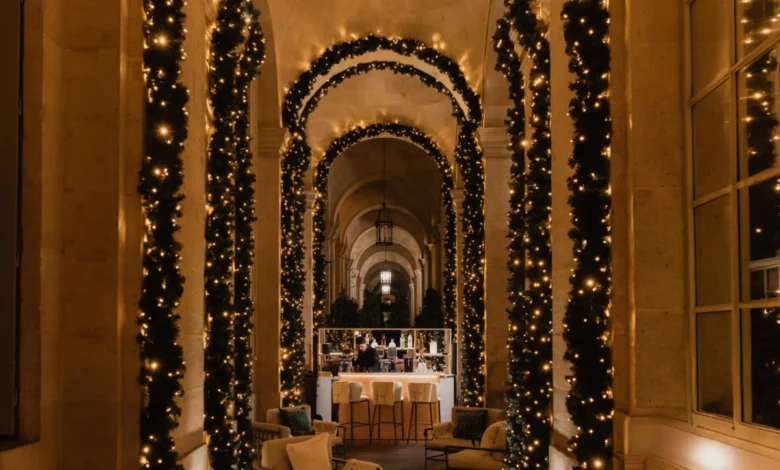
As winter temperatures plummet across the French capital, historic Parisian luxury palace Hôtel de Crillon has unveiled a refined strategy to combat the seasonal chill through an exclusive collaboration with contemporary French cashmere label Kujten. Transforming its prominent Terrasse Concorde into a plush, weather-resistant retreat, the Rosewood-managed property has anchored its festive-season programming in textile luxury and literary imagination. Drawing thematic inspiration from the fantastical journeys of French author Jules Verne, specifically his renowned Voyages Extraordinaires series, the newly designed outdoor space bridges historic Parisian heritage with modern craftsmanship. The installation, which officially opened to the public in November, is scheduled to welcome visitors through January 15, offering an immersive sensory escape overlooking the iconic Place de la Concorde.
The aesthetic execution of the winter terrace centers on an elaborate color palette and tactile storytelling. The space is swathed in Hôtel de Crillon’s signature deep Discovery Green, contrasted with understated beige tones and Kujten’s distinctive graphic bandana motif. Illuminated greenery frames the perimeter, establishing a warm, secluded enclave amidst the urban landscape. To maximize guest comfort during the coldest months of the year, the terrace features custom-designed cushions and plush cashmere blankets commissioned specifically for the collaboration. These bespoke items seamlessly integrate the tactile qualities of high-end knitwear with the sophisticated interior design standards expected of a palace-grade hotel.
The Chronology and Evolution of Seasonal Activations at Hôtel de Crillon
The launch of the Kujten-partnered terrace marks the latest chapter in Hôtel de Crillon’s ongoing tradition of experiential winter programming. Over the past decade, luxury hospitality properties across Europe and North America have increasingly leveraged seasonal pop-ups and exterior transformations to maintain high foot traffic during traditionally slower tourism quarters. For the Place de la Concorde landmark, exterior activations have transitioned from simple holiday light displays to deeply conceptual, brand-collaborative environments that engage both international travelers and affluent local residents.
Planning for the current winter season began in early spring, as hotel management and creative directors sought a partner capable of embodying both French art de vivre and contemporary design sensibilities. Negotiations with Kujten commenced in June, leading to a multi-month product development phase focused on engineering weather-resistant cashmere blends and custom accessories suitable for high-traffic outdoor hospitality environments. By late October, structural installations on the terrace were underway, culminating in the mid-November unveiling that synchronized with Paris’s broader city-wide festive illuminations. This structured timeline underscores the rigorous logistical coordination required to execute high-end brand partnerships within historically protected architectural sites.
Architectural Context and the Legacy of Place de la Concorde
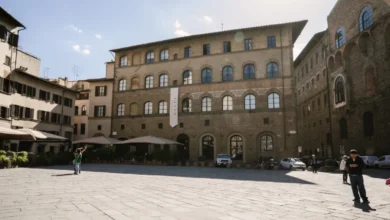
Situated at the foot of the Champs-Élysées, Hôtel de Crillon occupies one of Paris’s most historically significant architectural masterpieces. Commissioned by King Louis XV and designed by royal architect Ange-Jacques Gabriel, the twin stone buildings bordering the Place de la Concorde were completed in the 18th century. Originally constructed as private mansions, the structures eventually transformed into luxury lodging, hosting figures ranging from Marie Antoinette to international heads of state.
Integrating a modern lifestyle brand like Kujten into such a historically weighted environment demands a delicate balance between preservation and innovation. The Terrasse Concorde, framed by the hotel’s majestic historic arches, provides a dramatic architectural backdrop that contrasts sharply with the soft, tactile warmth of modern cashmere textiles. This juxtaposition is central to the property’s modern marketing strategy: honoring historical pedigree while continuously refreshing the guest experience through contemporary collaborations. By utilizing the arches as a natural windbreak and integrating specialized heating elements beneath the custom cashmere throws, the hotel ensures that outdoor hospitality remains viable even during peak winter conditions.
Official Perspectives and Strategic Alignment from Hospitality and Fashion Leadership
The partnership between Hôtel de Crillon and Kujten represents a strategic convergence of luxury hospitality and high-end apparel retail, two sectors increasingly reliant on cross-industry collaborations to drive consumer engagement. Cédric Waterkeyn, general manager of Hôtel de Crillon, emphasized the property’s dual identity as both a guardian of French heritage and an active participant in contemporary cultural dialogues.
"Hôtel de Crillon is deeply rooted in French heritage while continually inspired by the creativity of contemporary Paris," Waterkeyn stated. "What drew us to Kujten was its ability to reinterpret a timeless material with a distinctly modern sensibility, an approach that resonates with our own expression of French art de vivre. The bespoke pieces bring a sense of warmth and comfort to the grandeur of the historic setting."
Founded in 2012 by Carole Benaroya and Sandra Leydet, Kujten has rapidly expanded its footprint within the European luxury knitwear market, known for democratizing access to high-grade Mongolian cashmere while maintaining rigorous ethical sourcing standards. For Benaroya, the collaboration with Hôtel de Crillon represents an organic expansion of the brand’s core narrative.
"Kujten has been an invitation to travel since its inception," Benaroya explained in an interview with Women’s Wear Daily. "Hospitality is an integral part of our DNA and a natural extension of our brand universe. Dressing the terrace, an iconic landmark of Parisian heritage that welcomes travelers from around the world, therefore felt like a natural fit for our maison."
Complementary Offerings: The Espresso Martini Pop-Up Bar
Beyond the tactile comfort of cashmere blankets and custom cushions, the winter terrace addresses sensory engagement through a dedicated culinary activation. Positioned under the historic stone arches, a specialized pop-up bar operates in direct partnership with multinational beverage corporation Diageo and Cafés 1895 by Lavazza. The beverage menu centers on an elevated interpretation of the classic Espresso Martini, a cocktail that has experienced a significant resurgence in global popularity over recent years.
The pop-up offers a customizable cocktail menu, allowing guests to tailor their beverage profiles through a selection of premium spirits, bespoke coffee blends, and artisanal syrups. This interactive beverage program is designed to complement the warmth provided by the physical environment, creating a multi-sensory experience that encourages longer dwell times on the terrace. According to hotel management, the combination of high-end mixology and luxury textiles is intended to foster a communal atmosphere during the winter months, appealing to both hotel residents and local Parisians seeking refuge from the cold.
Retail Integration and Exclusive Merchandise Strategy
To capitalize on the consumer desire for experiential retail, Hôtel de Crillon and Kujten have introduced a limited-edition capsule collection available exclusively through the hotel’s physical and digital boutiques. The merchandise line features a specially designed bandana motif—incorporating Kujten’s signature branding with thematic elements of the hotel—offered in two distinct colorways, alongside a matching oversized cashmere throw.
This retail strategy aligns with broader luxury market trends, where consumers increasingly seek tangible mementos connected to specific physical experiences rather than mass-produced souvenirs. By limiting distribution exclusively to the hotel boutique, the partners generate scarcity value, driving both foot traffic into the retail space and boosting average transaction values per visitor. Industry analysts note that such localized retail activations serve as low-risk, high-margin revenue streams while simultaneously functioning as mobile marketing tools when consumers utilize the branded items outside the hotel environment.
Broader Economic and Cultural Implications for Paris Luxury Tourism
The collaboration between Hôtel de Crillon and Kujten arrives at a critical juncture for the Parisian hospitality and luxury retail sectors. Following years of post-pandemic recovery and shifting macroeconomic pressures, European luxury houses are increasingly turning toward hyper-localized, experiential marketing campaigns to capture affluent consumer discretionary spending.
Winter activations of this scale serve multiple economic functions. First, they mitigate the traditional seasonal slump in open-air hospitality revenue, transforming outdoor real estate into high-yield functional spaces year-round. Second, they provide mid-tier and emerging luxury brands—such as Kujten—with exposure to ultra-high-net-worth international travelers who frequent palace-grade hotels. Conversely, heritage properties benefit from the cultural currency and youthful design energy brought by contemporary fashion labels, preventing historic institutions from feeling antiquated or inaccessible to younger demographics.
Furthermore, the integration of literary themes such as Jules Verne’s Voyages Extraordinaires reflects a broader industry movement toward narrative-driven hospitality. Modern luxury consumers—particularly Millennials and Generation Z—demonstrate a clear preference for storytelling and immersive conceptual environments over purely material displays of wealth. By framing the winter terrace as a journey through literature, textile craft, and mixology, Hôtel de Crillon transcends the traditional boundaries of a five-star hotel, positioning itself as a cultural curator within the urban landscape.
Future Outlook and Closing Remarks
As the installation remains open through mid-January, its performance will likely serve as a blueprint for future seasonal transformations at the property. The success of the Kujten partnership demonstrates the commercial viability of cross-sector collaborations that merge fashion, mixology, and historical architecture.
"Our hope is to bring guests and Parisians alike together to experience cherished holiday traditions in new and unexpected ways," Waterkeyn concluded. As the cold winter months persist along the banks of the Seine, the confluence of Mongolian cashmere, bespoke cocktails, and 18th-century stone architecture offers a compelling study in how historic European luxury institutions continue to reinvent themselves for the contemporary consumer.