The Evolution of Modern Wedding Planning
The modern wedding industry has undergone a significant shift in the post-pandemic era. According to data from the Wedding Report, the average cost of a wedding in the United States remains a substantial financial undertaking, often exceeding $30,000. For couples like Georgia and Ryan, the financial burden is exacerbated by the logistical requirements of a destination wedding, which requires careful coordination of vendors across international borders.
The "Nearlywed Diaries" project serves as a case study for the "DIY-or-Die" movement, a trend where couples reclaim creative control to combat the homogenization of wedding aesthetics. The couple’s focus on a "spooky autumn" theme has led them to navigate the tension between wanting a cohesive visual identity—characterized by uniform signage and decor—and the reality of managing a complex, multi-layered project.
Ethical Considerations in the Age of AI
One of the most pressing issues addressed in the couple’s planning process is the rise of generative Artificial Intelligence in the creative arts. As digital tools become more sophisticated, many wedding planners are turning to AI for custom invitations, signage, and graphic design. However, this shift carries significant implications for the creative workforce.
Georgia, who identifies as a creative professional, has publicly rejected the use of AI-generated assets for her wedding, citing concerns over the impact on human artists and the loss of individual craftsmanship. This ethical stance adds a layer of complexity to their planning, as it forces the couple to seek alternatives that are either handmade or sourced from independent human creators. The analysis suggests that while AI offers a low-cost, high-speed solution, the cultural value of "authentic" human-made objects remains a priority for a growing demographic of consumers who view weddings as an extension of their personal values rather than a transactional event.

Chronology of the DIY Process
The couple’s approach to decor is marked by a clear timeline of trial and error, which began several months before the scheduled wedding date. The initial phase focused on sourcing materials that would align with their aesthetic goals.
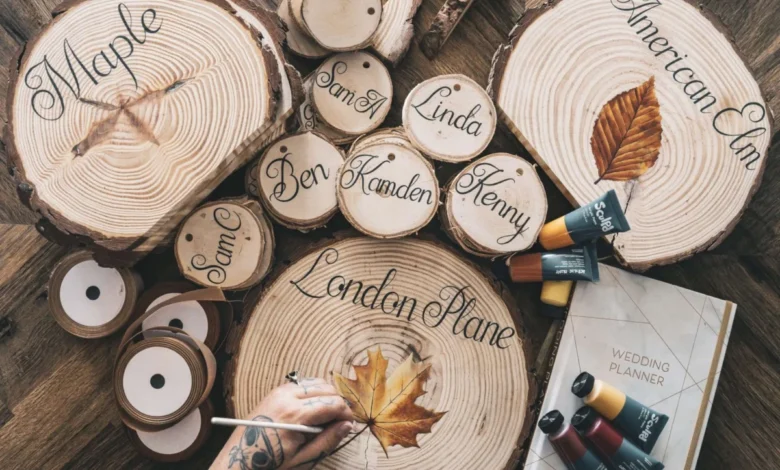
- Phase One: Procurement. The couple attempted to source raw materials, specifically wood-cut circles intended for place cards and table markers, through online retailers. This phase was marked by a significant failure in quality control, as the products received were substandard.
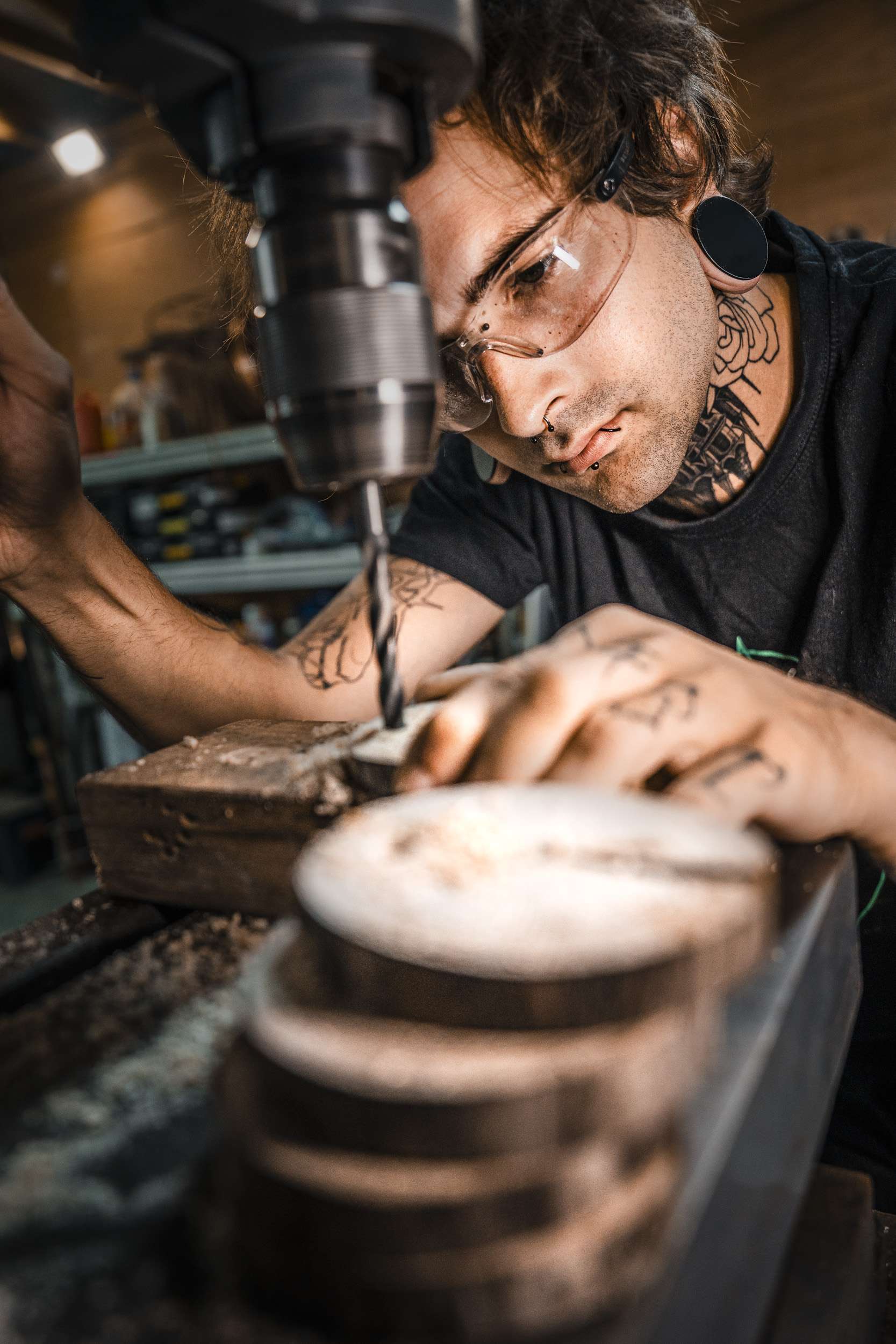
- Phase Two: Remediation. Recognizing the poor quality of the materials, the couple engaged their bridal party to repurpose the wood. This involved an intensive sanding process using industrial equipment, effectively shifting the role of the bridal party from guests to contributors.
- Phase Three: Execution. With the surface material prepared, the team began the labor-intensive process of manual calligraphy and design. This phase is currently ongoing and represents a significant time commitment, highlighting the hidden costs of DIY projects: labor and time.
Analysis of the DIY Economic Model
From an economic perspective, the DIY approach is often perceived as a cost-saving measure. However, academic studies on the "hidden costs of DIY" suggest that the time-value of labor often offsets the monetary savings. In this instance, the intervention of the bridal party—specifically a "bridesman" and a "bridesmaid"—was essential to the viability of the project.
Data suggests that for destination weddings, logistics are the primary driver of stress. By choosing to produce their own decor, the couple has introduced a "production variable" that is entirely within their control, yet prone to failure. The reliance on communal labor creates a social contract within the bridal party. While this fosters camaraderie, it also places a burden on the support network, a phenomenon common in high-pressure wedding planning.
Industry Implications and Market Trends
The wedding industry is currently observing a divergence in consumer behavior. On one hand, there is a push toward extreme personalization, often facilitated by mass-market platforms like Temu or Amazon. On the other, there is a counter-movement that prioritizes "slow weddings"—events that emphasize sustainability, local sourcing, and manual labor.
Industry experts note that this trend is likely to continue as younger generations express dissatisfaction with the "cookie-cutter" wedding model. By rejecting the ease of mass-produced, AI-generated designs, Georgia and Ryan are participating in a larger cultural shift that values the "story" behind an object over its polished finish. The imperfections inherent in their handmade signage are viewed not as flaws, but as artifacts of the planning experience.
The Role of Professional Support
Despite their commitment to a handmade aesthetic, the couple has drawn a firm boundary regarding professional services. They have opted to outsource the floral design to experts, recognizing that certain aspects of wedding planning require specialized technical skills that cannot be effectively replicated in a DIY setting. This hybrid approach—DIY for personal items, professional for high-risk technical elements—is considered by many planners to be the most sustainable model for a stress-reduced destination wedding.
Future Outlook
As the wedding date approaches, the couple’s narrative underscores the messy reality of planning an alternative, international event. Their experience serves as a reminder that the wedding industry is not merely a service-based sector, but a deeply personal endeavor. The success of their project will ultimately be measured not by the symmetry of their signage or the perfection of their decor, but by the resilience of their planning process and the communal effort required to bring their vision to life.
The broader implications of this journey suggest that the future of the wedding industry lies in a balance between accessibility and authenticity. As AI continues to permeate every facet of design, the premium on human-made, imperfect, and labor-intensive decor is expected to rise. For Georgia and Ryan, the decision to "DIY or die trying" is a conscious choice to privilege the journey of creation over the convenience of a frictionless, yet potentially soulless, wedding experience. This case highlights that for the modern, alternative couple, the process of planning is just as significant as the event itself.