Lucky in Love: How One Chicago Couple Redefined Modern Wedding Traditions at Avondale Bowl

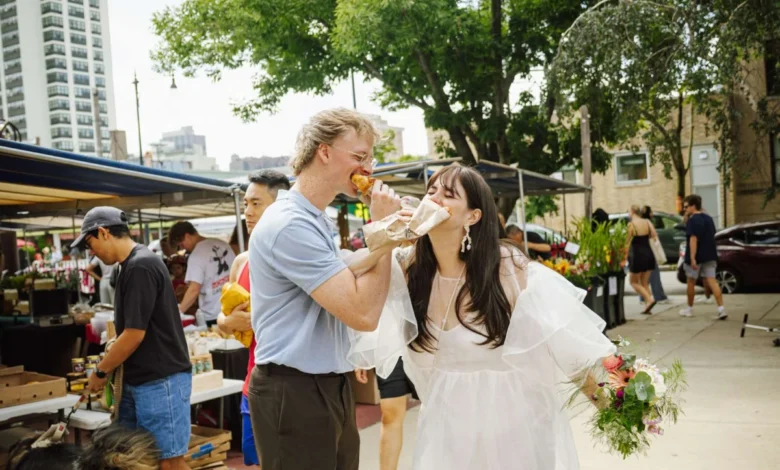
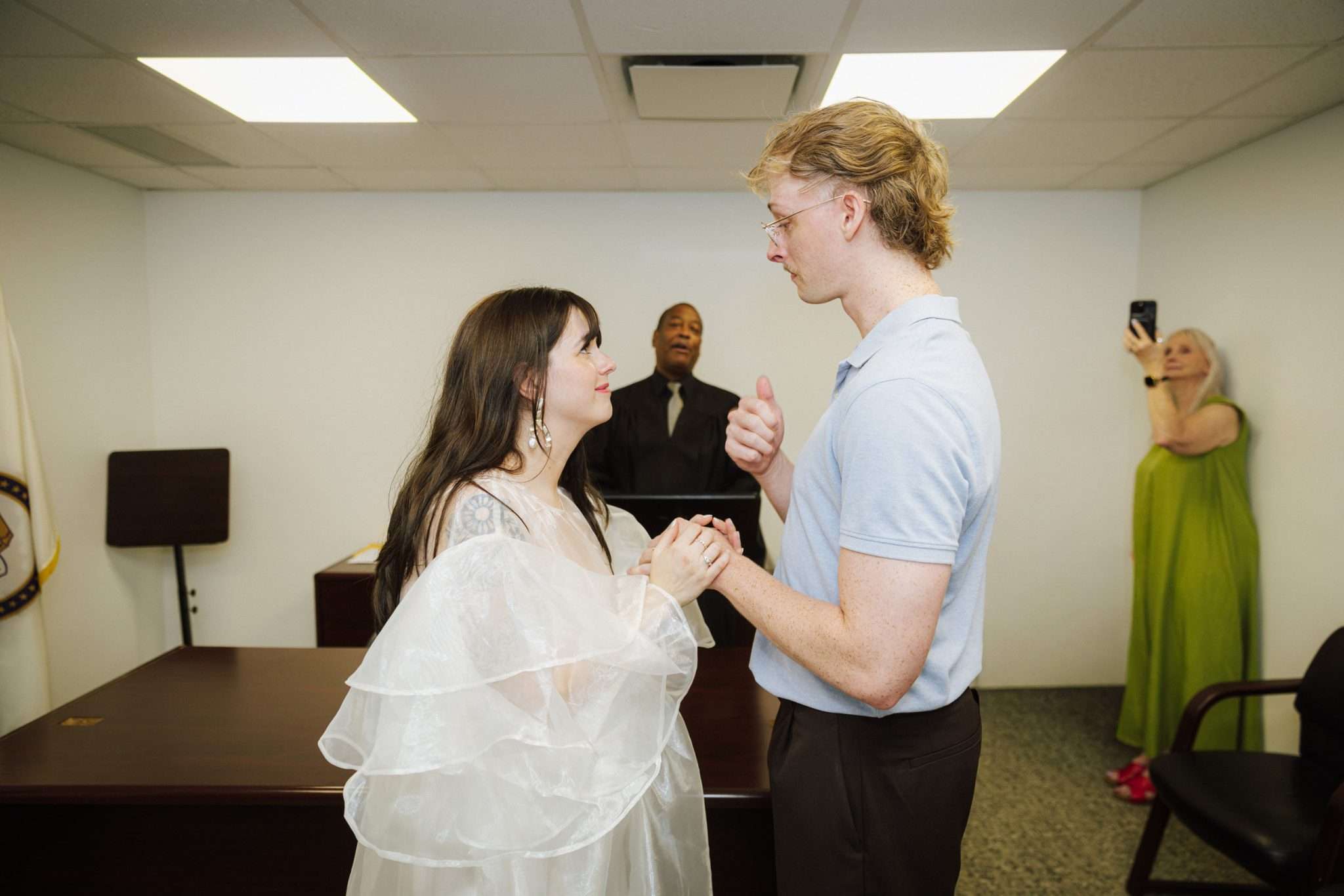
Sloane and Jacob’s wedding at Avondale Bowl serves as a striking case study in the shifting landscape of the contemporary wedding industry, where traditional banquet halls and formal ballrooms are increasingly being bypassed in favor of unconventional, experience-driven venues. The couple, who opted for a concise, family-only ceremony at Chicago’s City Hall followed by a reception for 50 guests at the iconic Avondale Bowl, successfully executed a celebration that balanced intimacy with unconventional entertainment. This shift reflects a broader trend among Gen Z and millennial couples who are prioritizing personal narratives and communal activity over the rigid, high-pressure expectations often associated with traditional wedding planning.
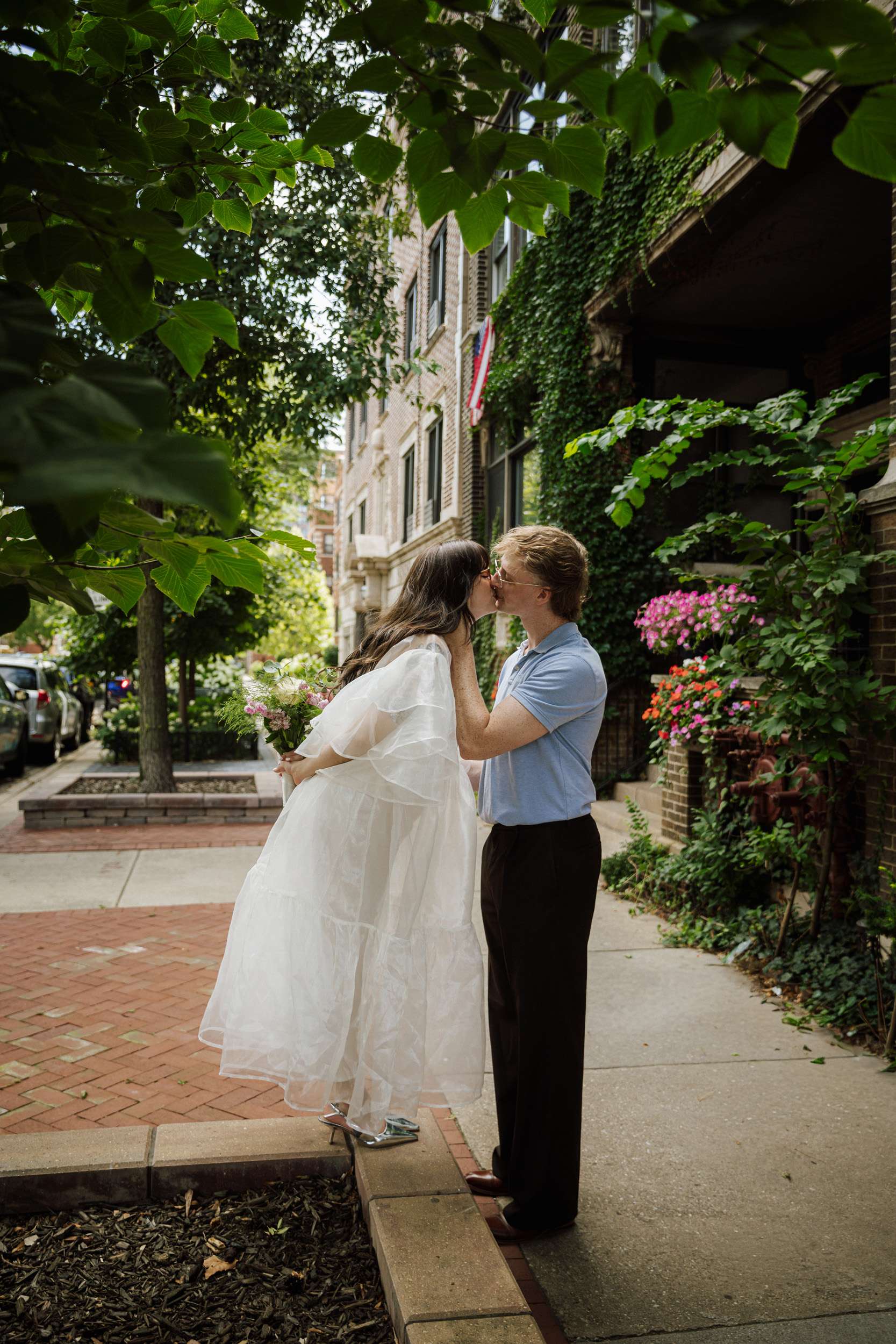
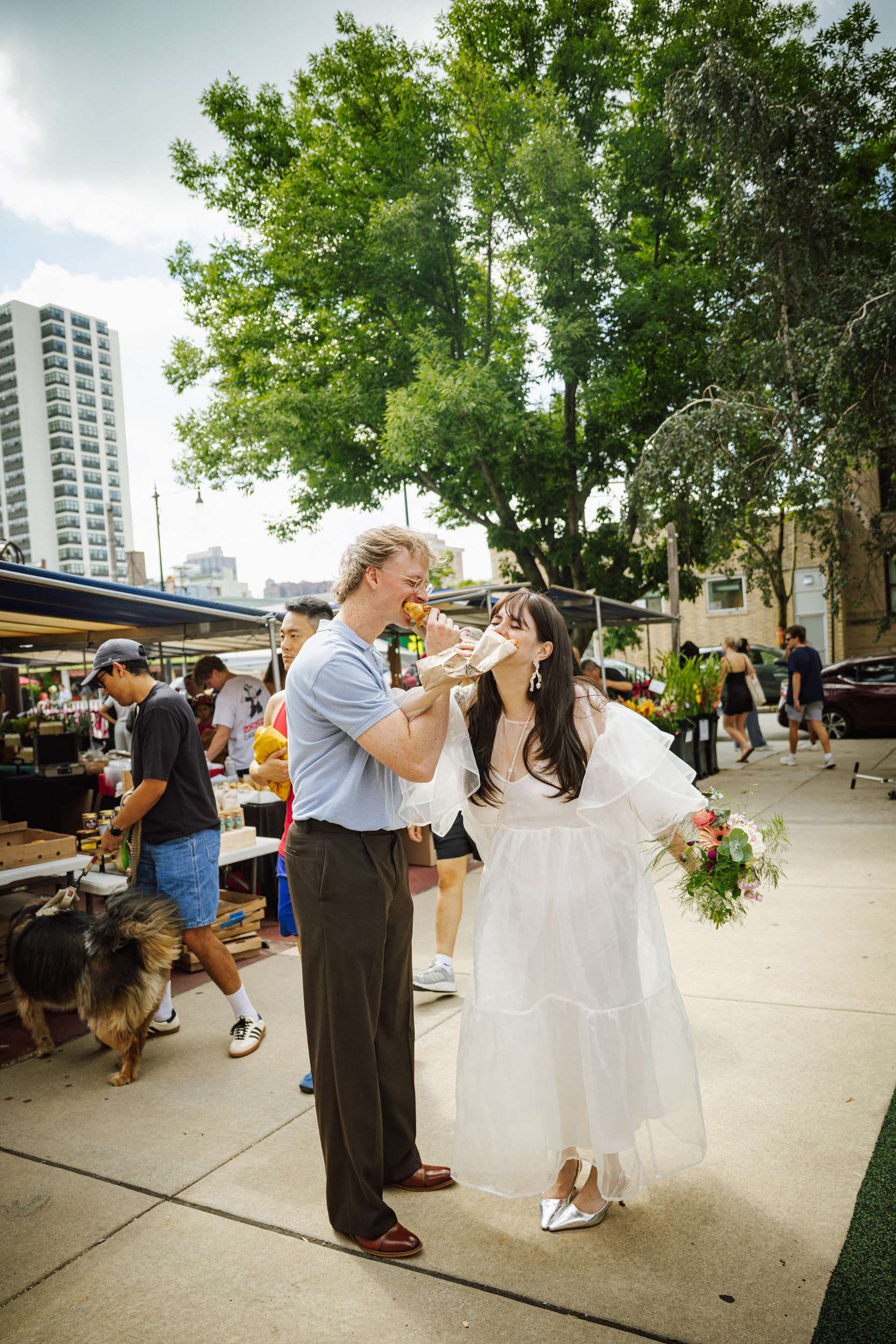
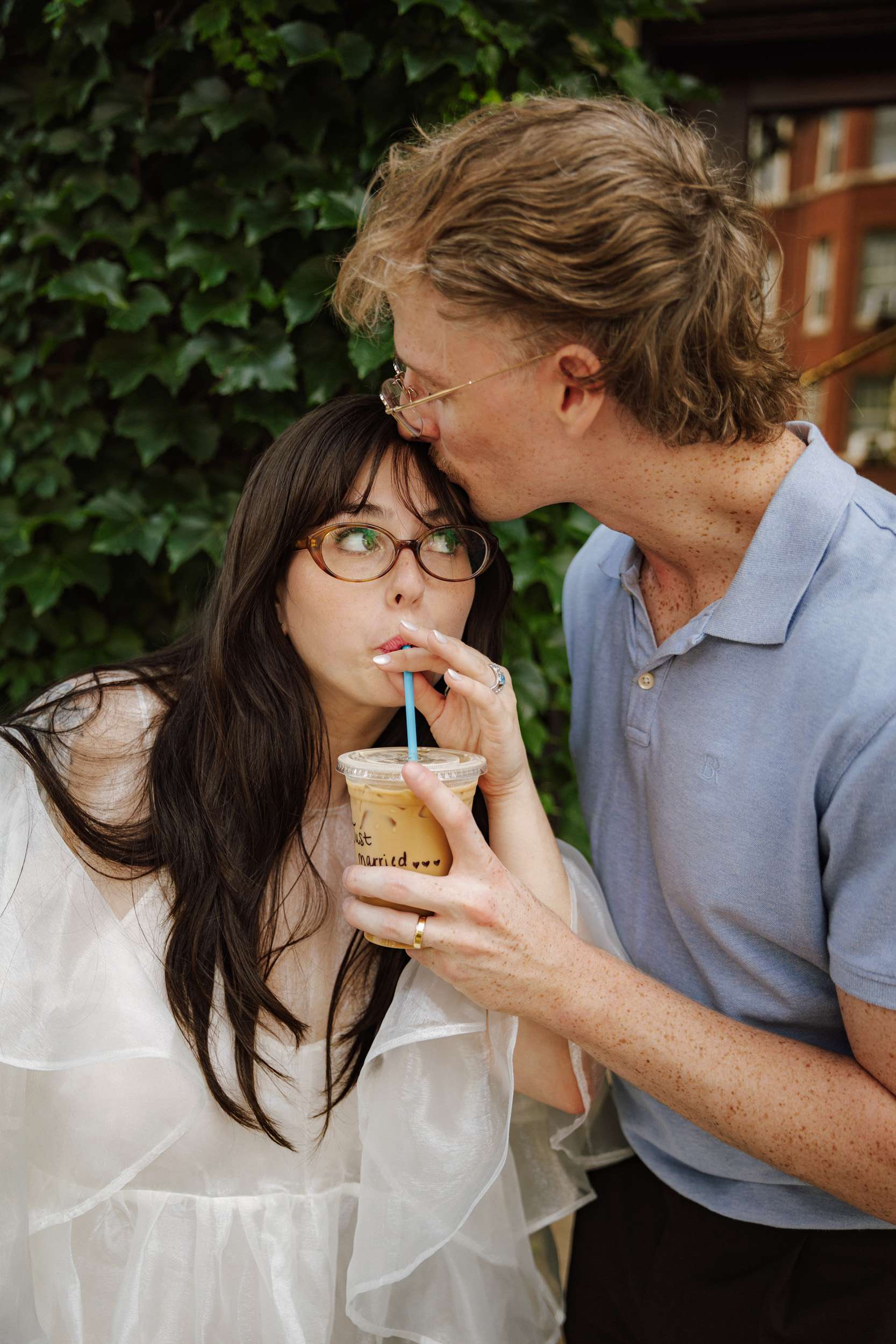
The logistics of their day were characterized by an organic, relaxed flow. Eschewing the conventional “getting ready” suites and pre-planned portrait sessions, the couple integrated their local neighborhood into the day’s narrative. They began their morning at a local farmers’ market, engaged in casual conversation over coffee, and returned home to transition into their wedding attire. This approach minimized the logistical friction often reported by couples on their wedding day, suggesting that a more integrated, local focus can lead to a more authentic experience.
The Serendipity of Symbolic Details
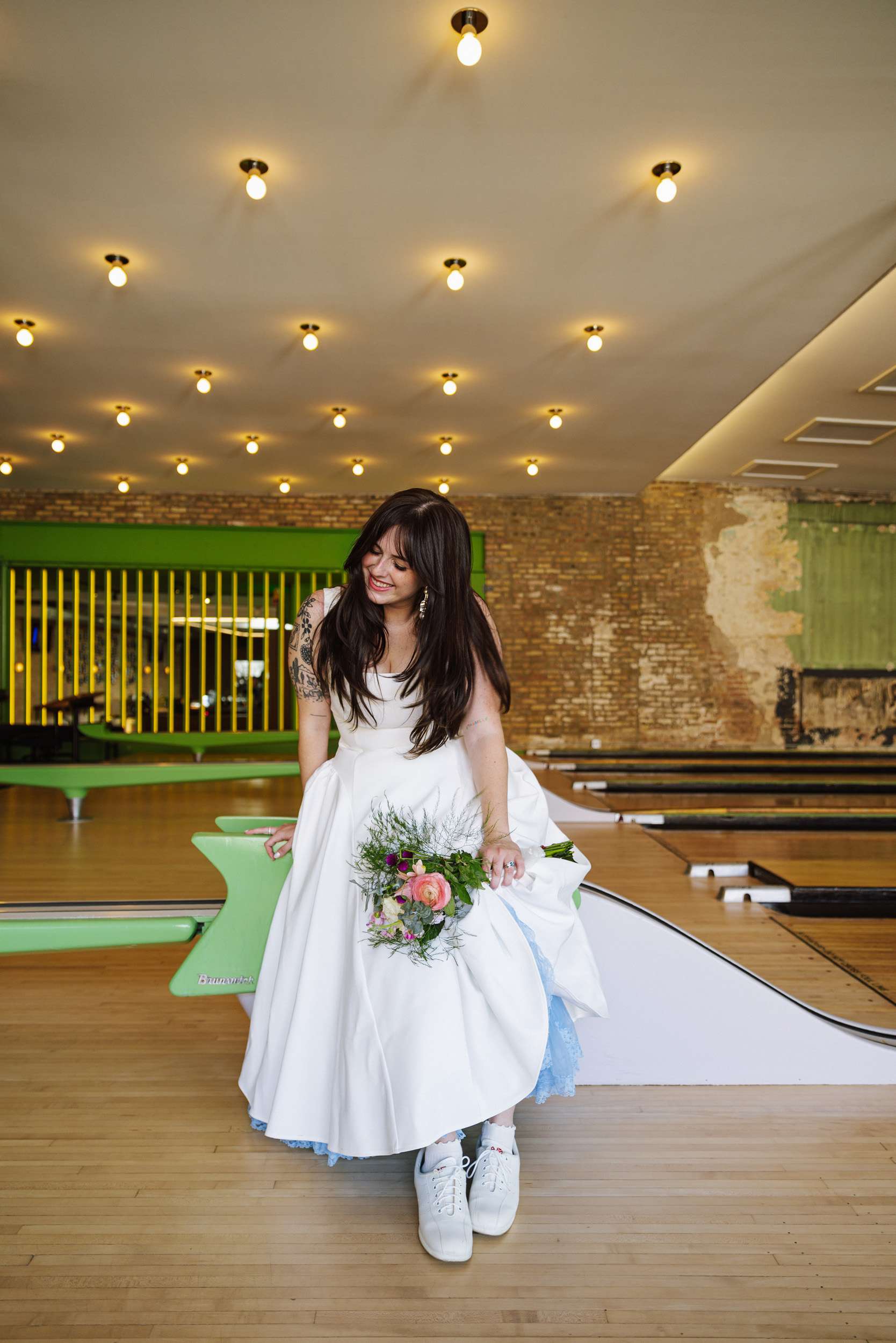
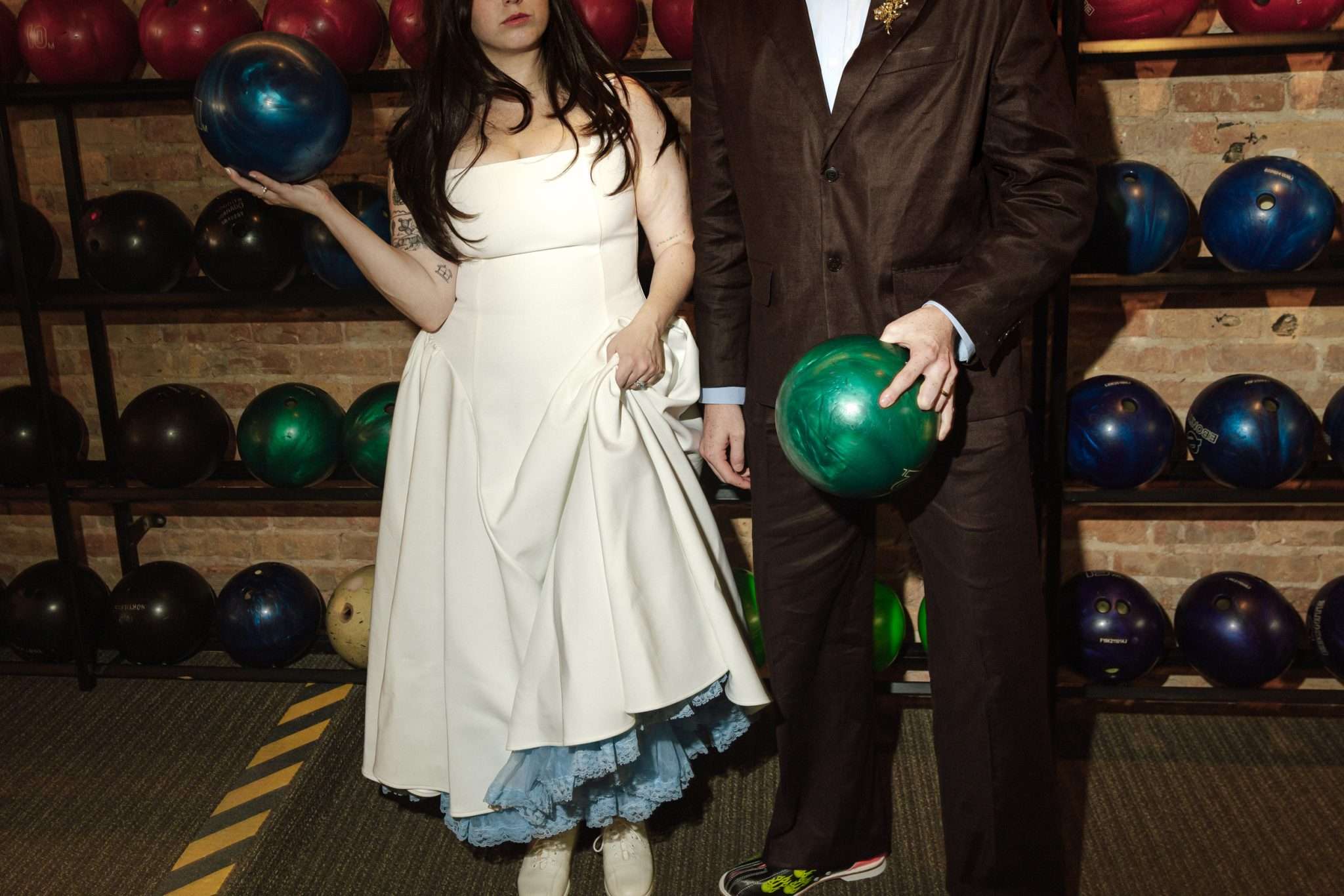
The aesthetic and thematic foundation of the event was anchored by a $4 thrift-shop bowling bag. For Sloane, the bag acted as a catalyst for the wedding’s design, containing not only a ball but a pair of white bowling shoes that fit her perfectly. The inclusion of a lucky penny inside the bag solidified the event’s theme: "Lucky in Love."
In the context of event planning, such serendipitous finds are often cited as ways to reduce the "decision fatigue" that plagues many engaged couples. By allowing a physical object to dictate the tone and visual language of the day, Sloane and Jacob bypassed the need for extensive, often expensive, professional event styling. The shoes, which were sourced after a previous pair was lost in the mail, served as a symbolic centerpiece, grounding the event in a narrative of fortune and personality rather than standardized luxury.
Navigating Venue Selection and Family Expectations
The decision to host a wedding at a bowling alley was not without its hurdles. The couple initially considered traditional venues, yet found them incongruous with their personal values and aesthetic preferences. When the couple proposed Avondale Bowl, they faced initial skepticism, including reservations from family members, specifically the bride’s grandparents.
This tension is common in the modern wedding industry, where the expectations of older generations often clash with the desire for autonomy among younger couples. However, the eventual success of the event—noted by the grandparents’ shift in perspective—demonstrates that high-quality, inclusive experiences often override the traditional venue requirements. By the time the reception was in full swing, the focus had shifted from the venue’s unconventional nature to the quality of the shared experience, proving that a well-executed event can bridge generational divides.
Chronology and Execution of the Day
The timeline of the day was designed to prioritize connection over pageantry:
- Morning: The couple visited a local farmers’ market and frequented their favorite neighborhood coffee shop, maintaining a sense of normalcy before the formal events commenced.
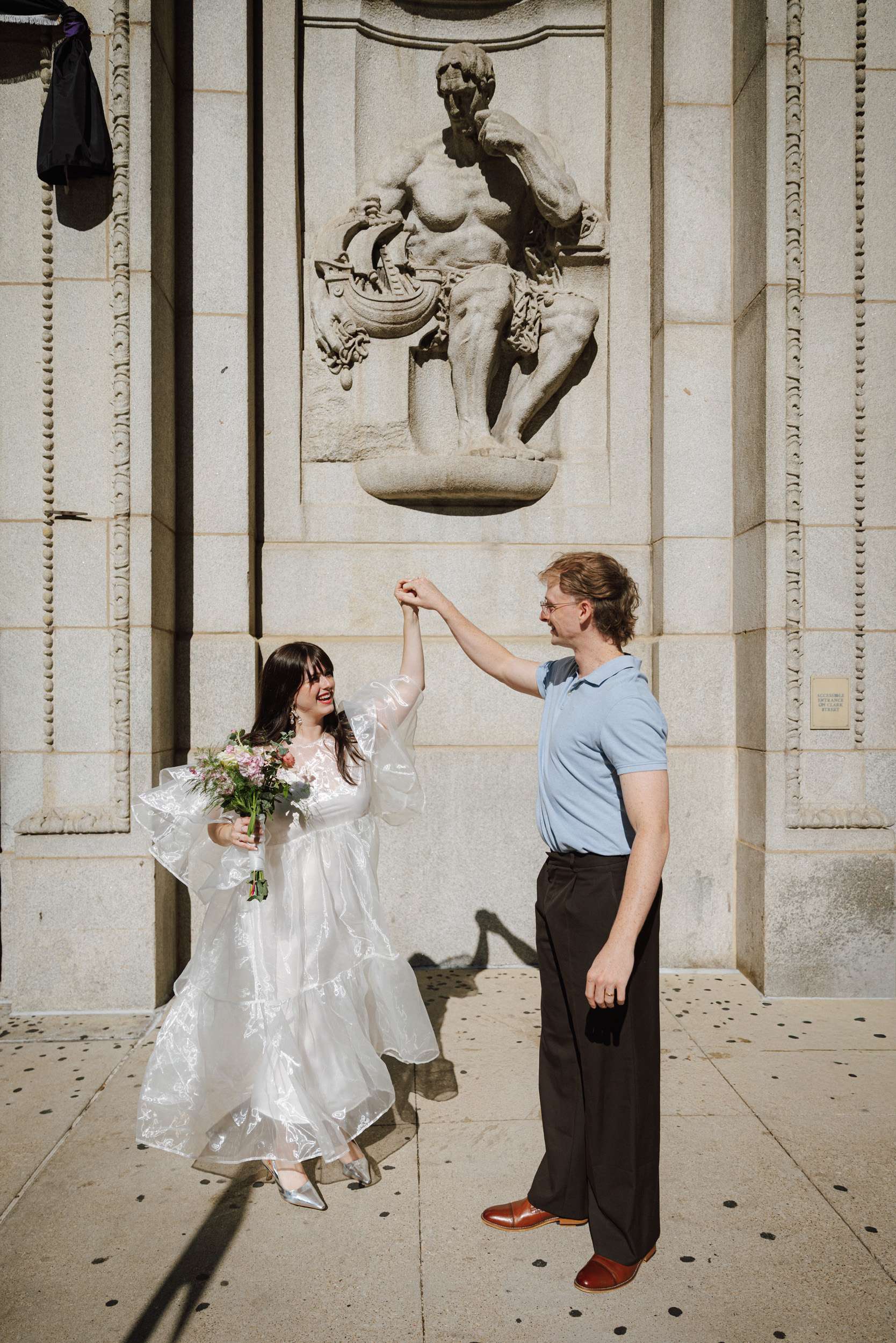
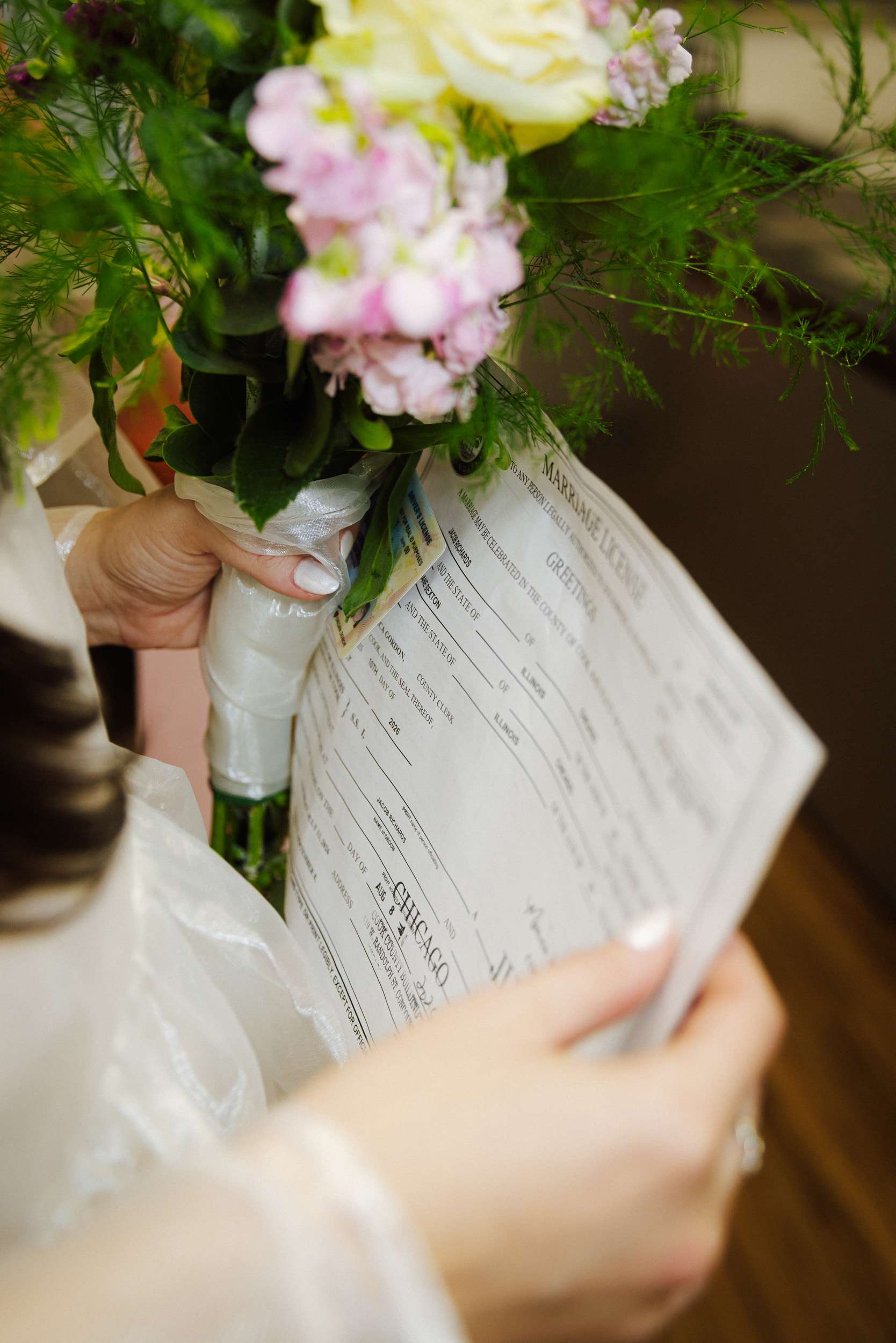
- Mid-Day: A private, family-only civil ceremony took place at Chicago City Hall.
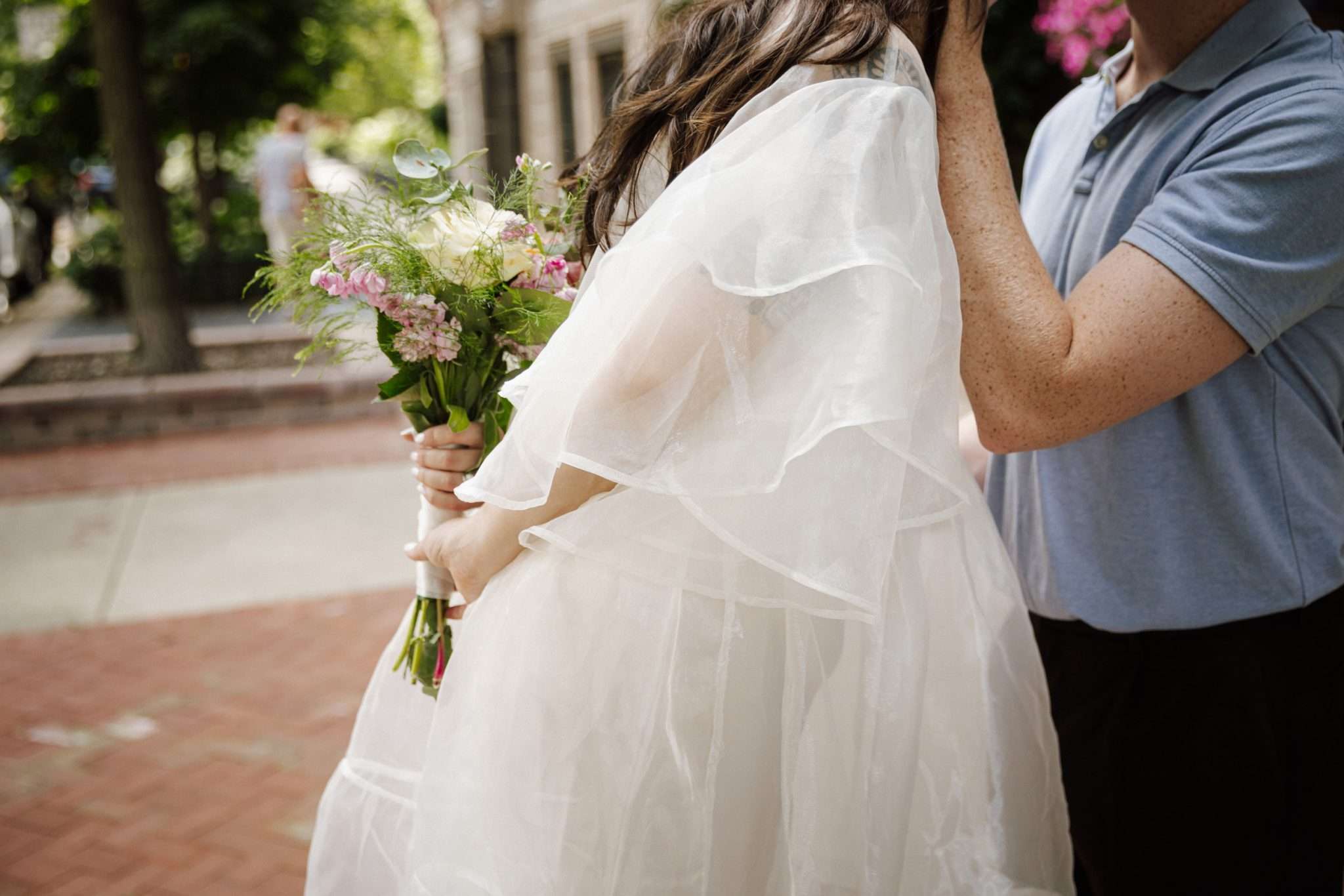
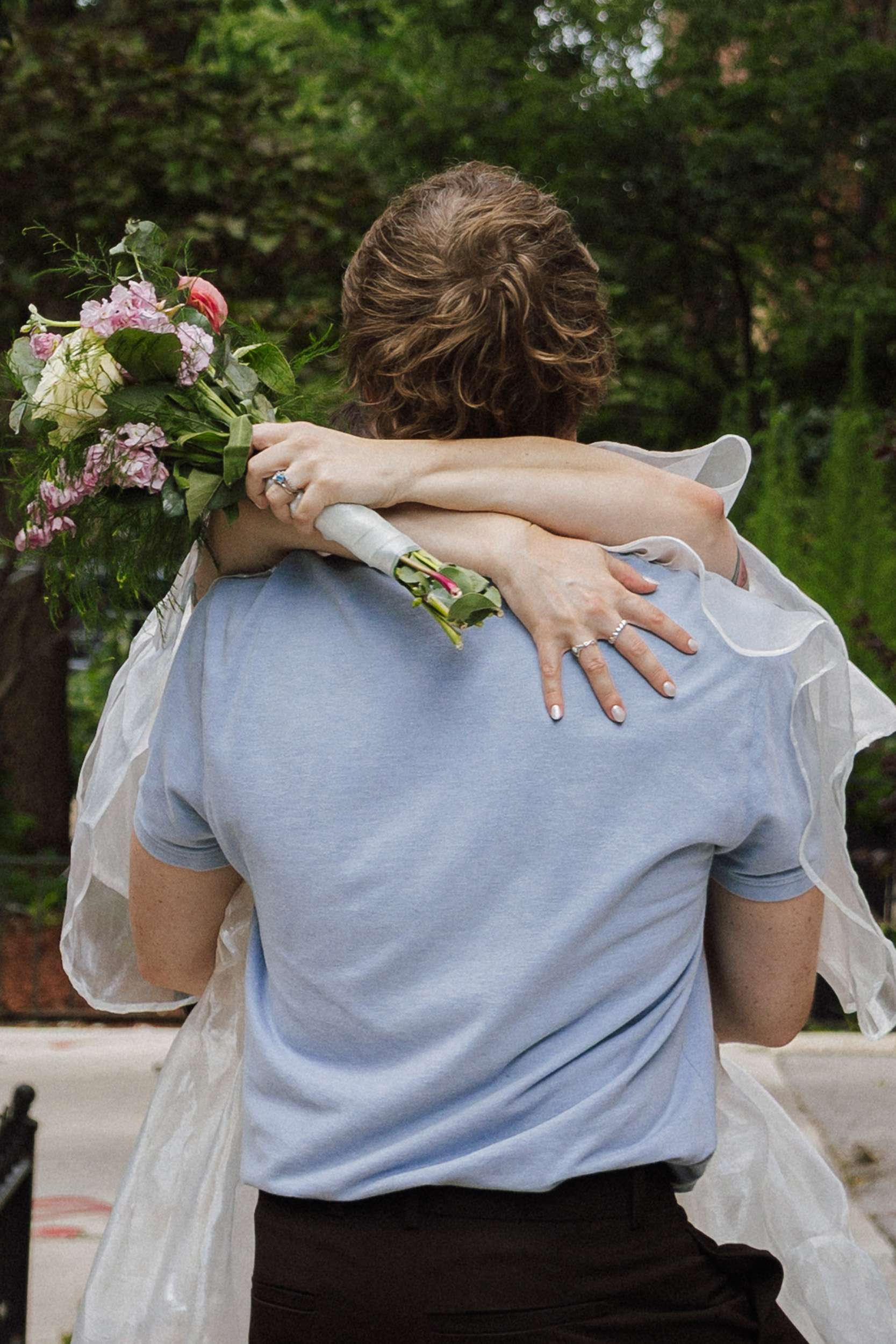
- Afternoon: The couple utilized professional services for hair and makeup before returning to their apartment for a "first look" captured by photographer Ash Lee Jpg, who documented the event using both digital and 35mm film formats.
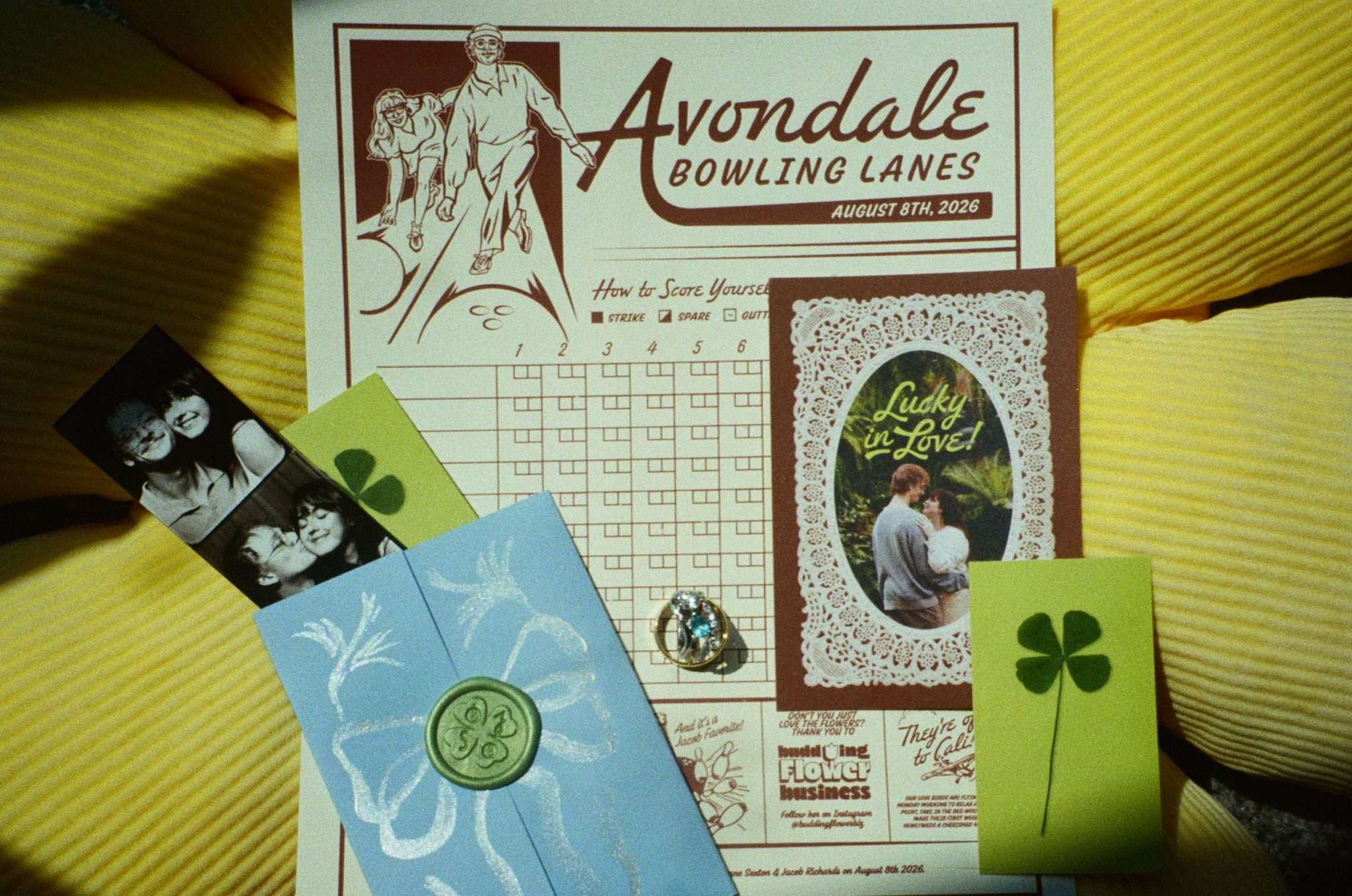
- Evening: The reception at Avondale Bowl commenced, featuring customized branding created by the bride, who is a professional graphic designer.
The use of 35mm film suggests a movement toward "candid" and "nostalgic" documentation, a growing aesthetic choice in modern photography that moves away from the highly polished, artificial look of traditional wedding photography.
The Economics of Non-Traditional Venues
From a financial perspective, the couple’s choice of a bowling alley proved to be a pragmatic investment. While the venue rental was their single largest expenditure, it provided high value, encompassing five hours of bowling access and an open bar. When compared to the average cost of a standard wedding venue in the United States—which, according to industry reports like The Knot’s 2024 Real Weddings Study, has risen steadily to over $35,000—a multi-purpose entertainment space often provides more utility for the price.
By consolidating the cost of the venue, entertainment, and catering, the couple avoided the "a la carte" pricing model that frequently leads to budget inflation in traditional weddings. However, the couple noted one strategic oversight: the lack of a professional day-of coordinator. While friends and family assisted with logistics, the couple acknowledged that this placed an unnecessary burden on their guests. This serves as a cautionary note for those planning independent, offbeat events; professional oversight is often the difference between a seamless execution and a stressful one for the wedding party.
Challenging Industry Standards and Social Pressure
The couple’s experience highlights the pervasive social pressures exerted by the multi-billion-dollar wedding industrial complex. Sloane highlighted the constant influx of digital advertising aimed at "optimizing" the body for the wedding day—specifically mentioning GLP-1 (weight loss medication) advertisements and content focused on "bridal arms."
This commentary touches on a critical sociological phenomenon: the commodification of the bride’s appearance as a primary metric of a successful wedding. By choosing to reject these pressures, the couple reclaimed the narrative of their day. This stance reflects a broader pushback against the "perfectionist" model of weddings, where the pressure to be a "most optimized version of oneself" can lead to significant psychological distress.
Broader Implications for the Wedding Sector
The success of this wedding has implications for the broader hospitality industry. As couples continue to seek authenticity, businesses that offer unique, experiential environments—such as bowling alleys, art galleries, and botanical gardens—will likely see a sustained increase in demand.
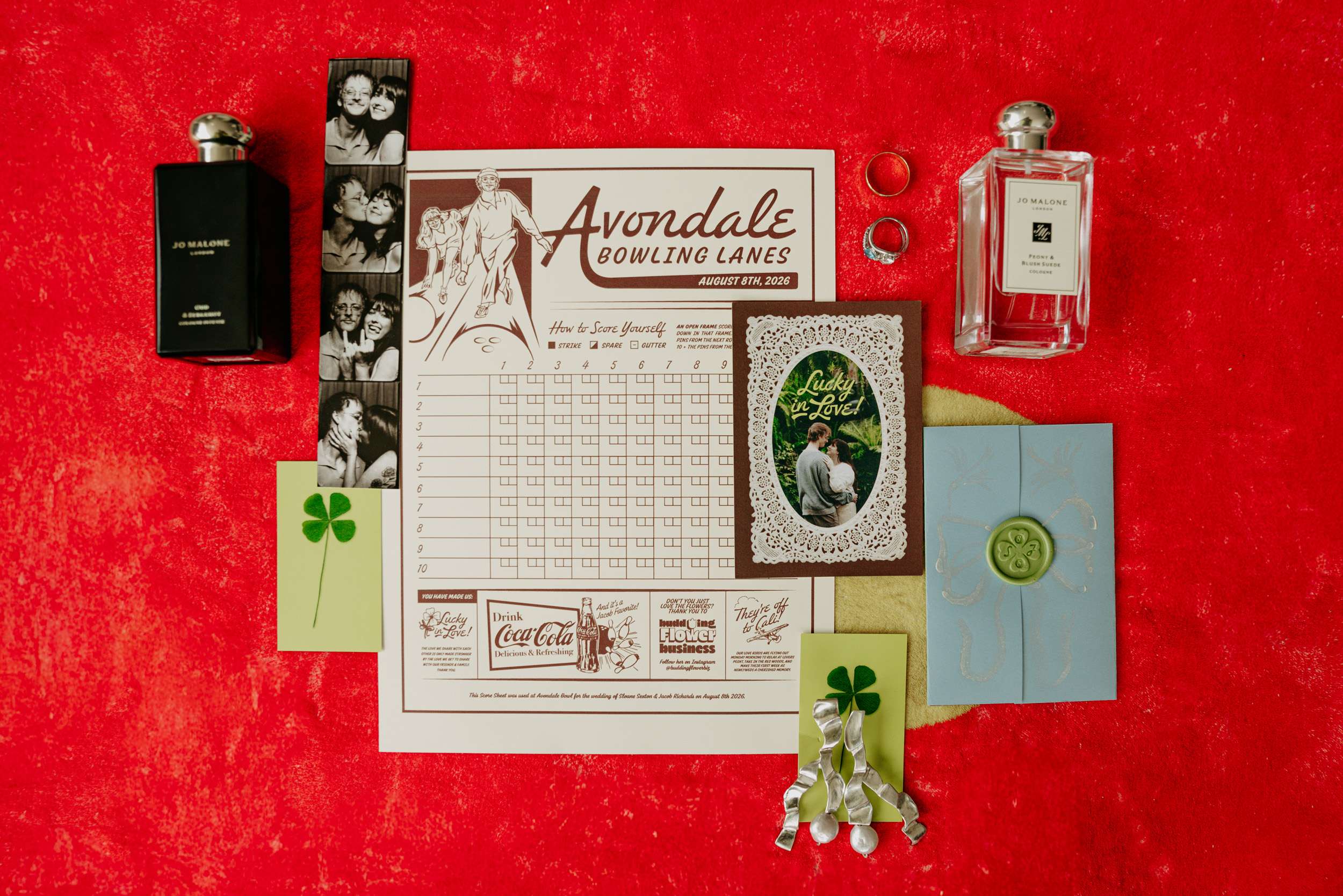
Furthermore, the "do-it-yourself" element, exemplified by the bride’s custom-designed scorecards, invitations, and upcycled decorations, indicates that personalization is becoming more valued than high-end, mass-produced decor. The use of thrifted frames, family photographs, and handmade garlands allowed the couple to weave their history and values into the physical environment of the venue. This practice, often referred to as "intentional curation," allows for a deeper emotional resonance between the hosts and their guests.
The Role of Community and Legacy
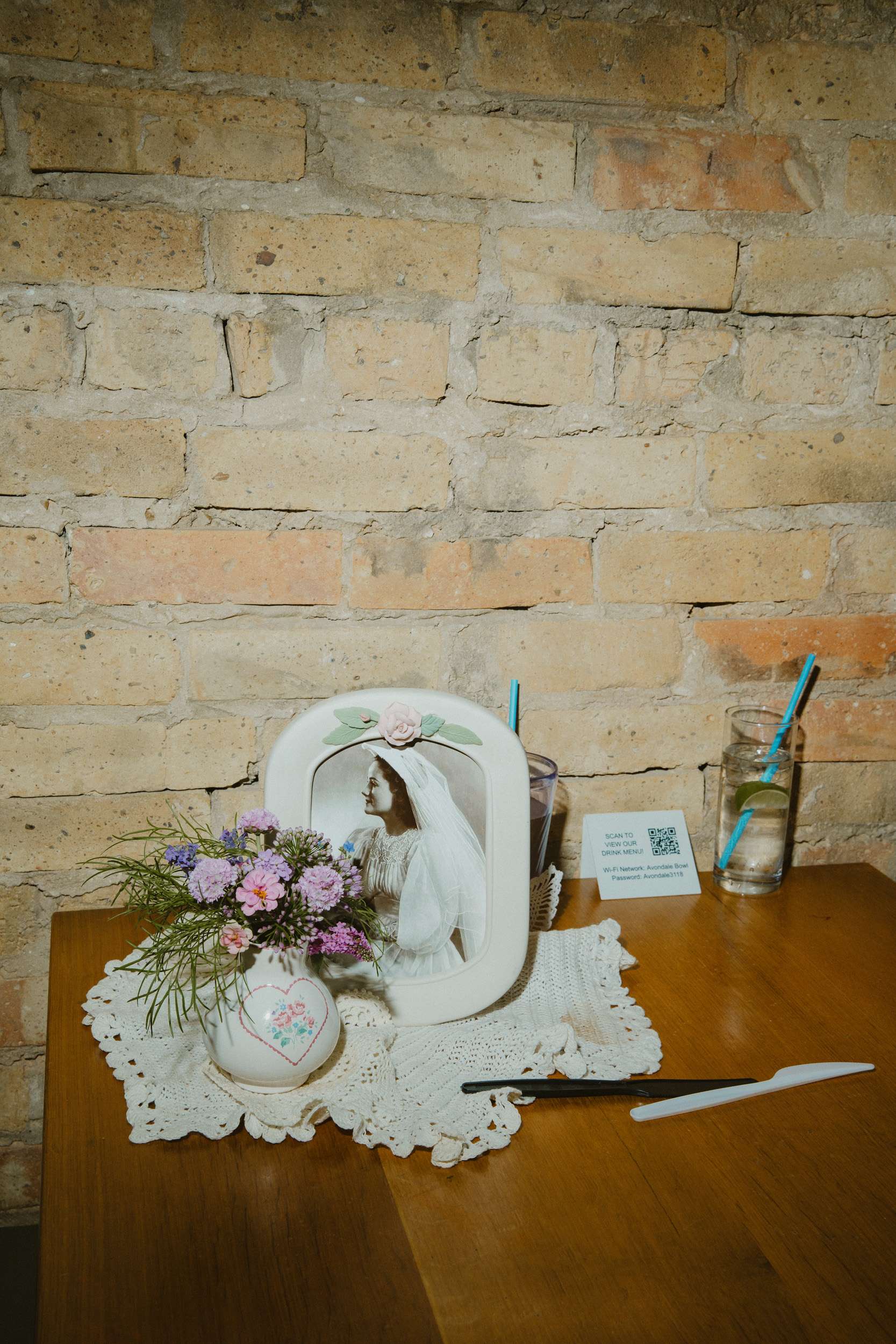
A particularly poignant aspect of the event was the incorporation of family history. By placing vintage photographs of relatives’ weddings on the tables, the couple bridged the gap between their modern, unconventional venue and the traditional foundations of their families. This nod to the past served to legitimize their choices in the eyes of their guests, framing their unconventional wedding not as a rejection of tradition, but as an evolution of it.
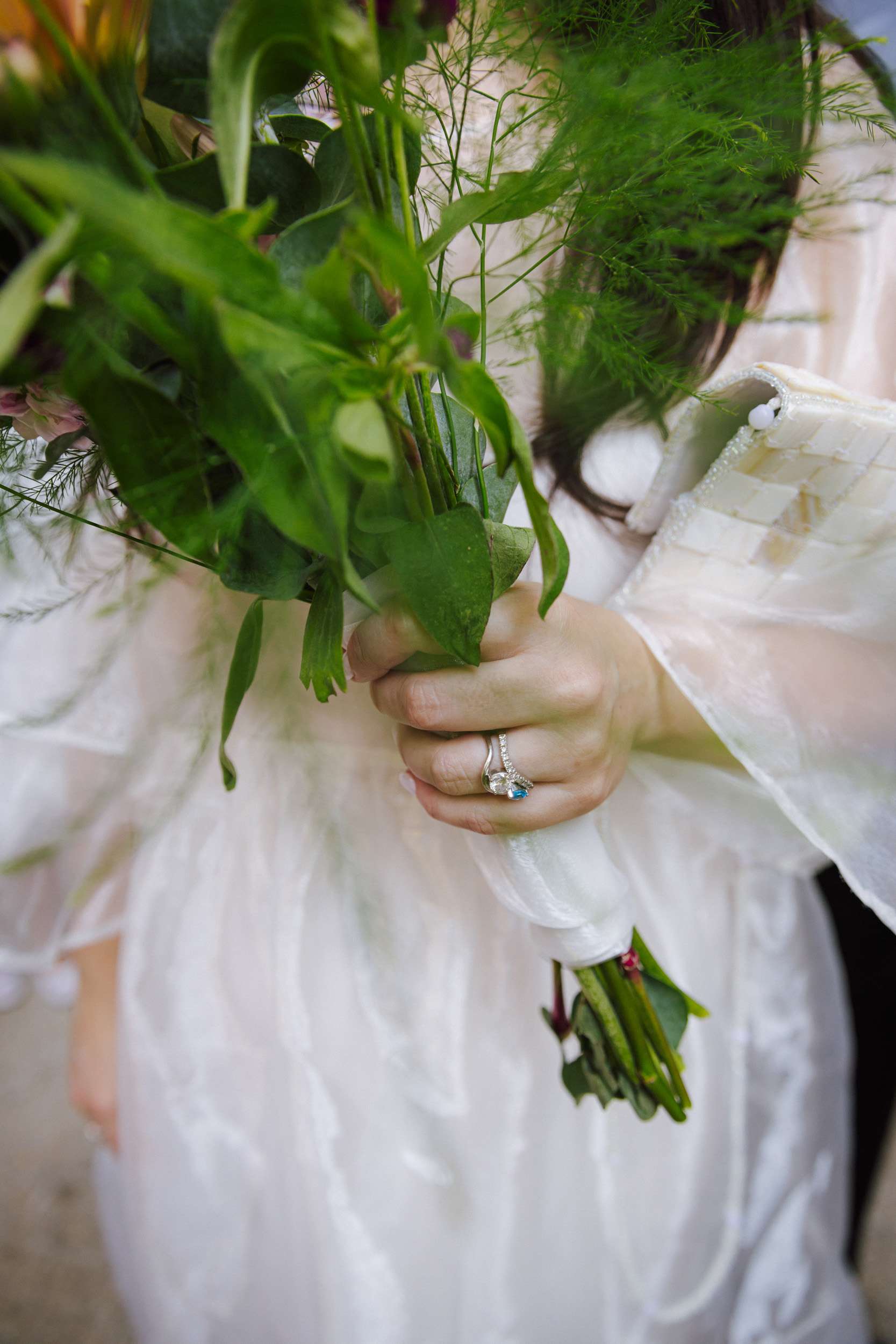
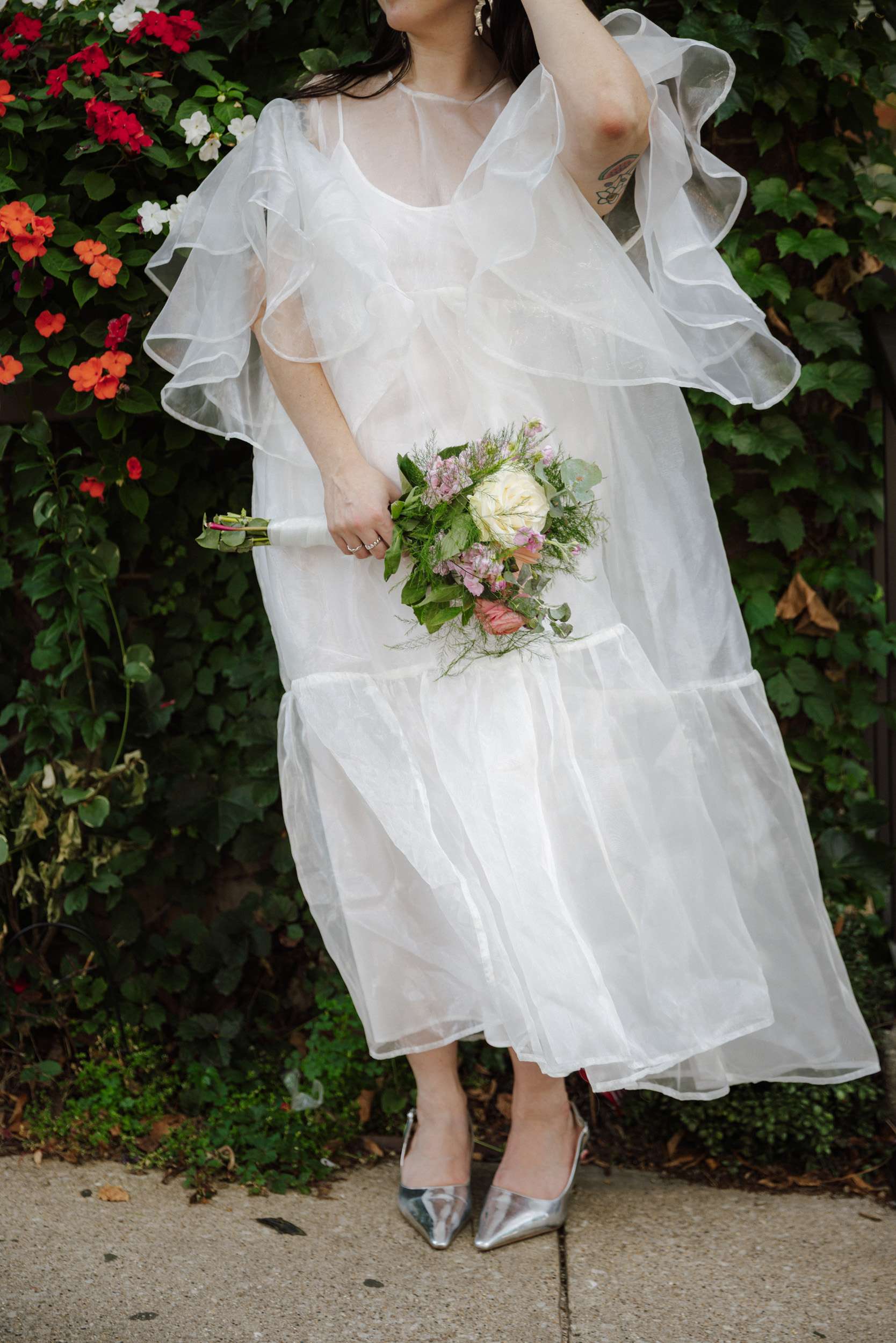
The involvement of personal networks, such as the mother of the bride’s college friend (Sheila) who crafted the wedding dress, underscores the shift toward a "village" model of event creation. In an era where professional vendors are increasingly expensive and impersonal, relying on the skills and talents of one’s inner circle creates a deeper sense of community and shared purpose.
Final Reflections on the "Groundhog Day" Ideal
The couple’s desire to "relive" the day as if it were a film highlights the fleeting nature of these celebrations. In an age of digital saturation, where weddings are often documented for social media consumption, the emphasis here was on the lived experience—the physical act of bowling, the conversation, and the shared intimacy.
The couple’s advice to others—to avoid the "soul-staring" pressure of the traditional aisle walk if it does not fit one’s personality—is a growing sentiment among younger demographics. As the wedding industry continues to adapt, it is likely that we will see more events like this one: smaller in scale, higher in personal meaning, and focused on the simple, radical act of having fun. Sloane and Jacob have proven that with a bit of creativity, a lucky penny, and a clear vision, a bowling alley can be the perfect setting for a profound life milestone, proving that "enough" is not a standard set by the industry, but by the couple themselves.