The Evolution of the Vegas Destination Wedding
The wedding industry in Las Vegas has seen a significant resurgence in the post-pandemic era. According to data from the Clark County Marriage License Bureau, the city continues to issue over 70,000 marriage licenses annually, maintaining its status as the "Wedding Capital of the World." However, recent trends indicate a pivot in the type of services being sought. Couples are increasingly opting for "micro-weddings"—events with fewer than 20 guests—that prioritize authentic experiences over elaborate, high-cost receptions.
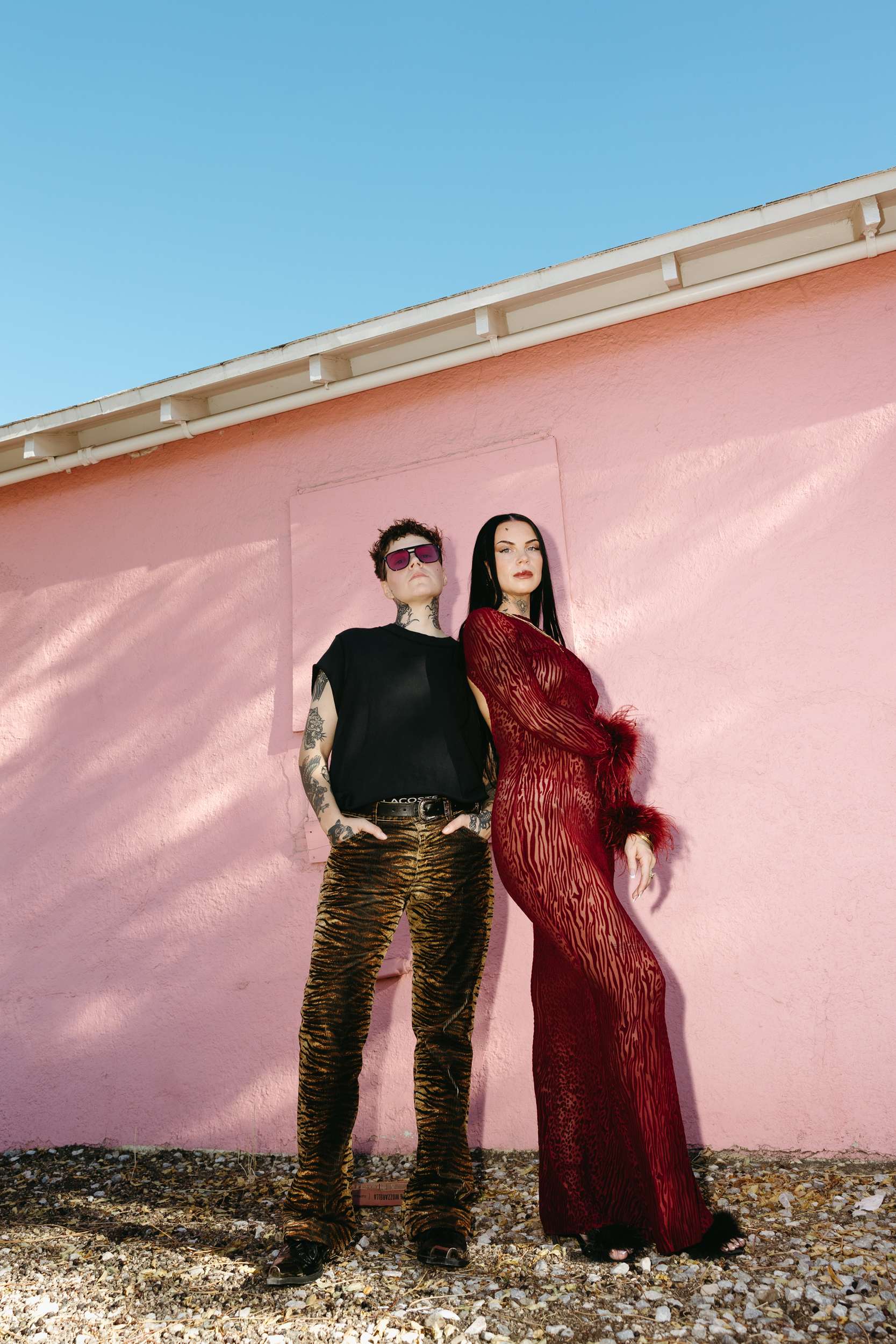
Jay and Kate’s decision to frame their wedding as a joint bachelorette trip reflects this broader trend toward subverting expectations. By concealing the true nature of the event from their social circle until they were physically standing outside the venue, the couple exercised a high degree of control over the narrative of their marriage, stripping away the performative pressure often associated with traditional wedding planning.
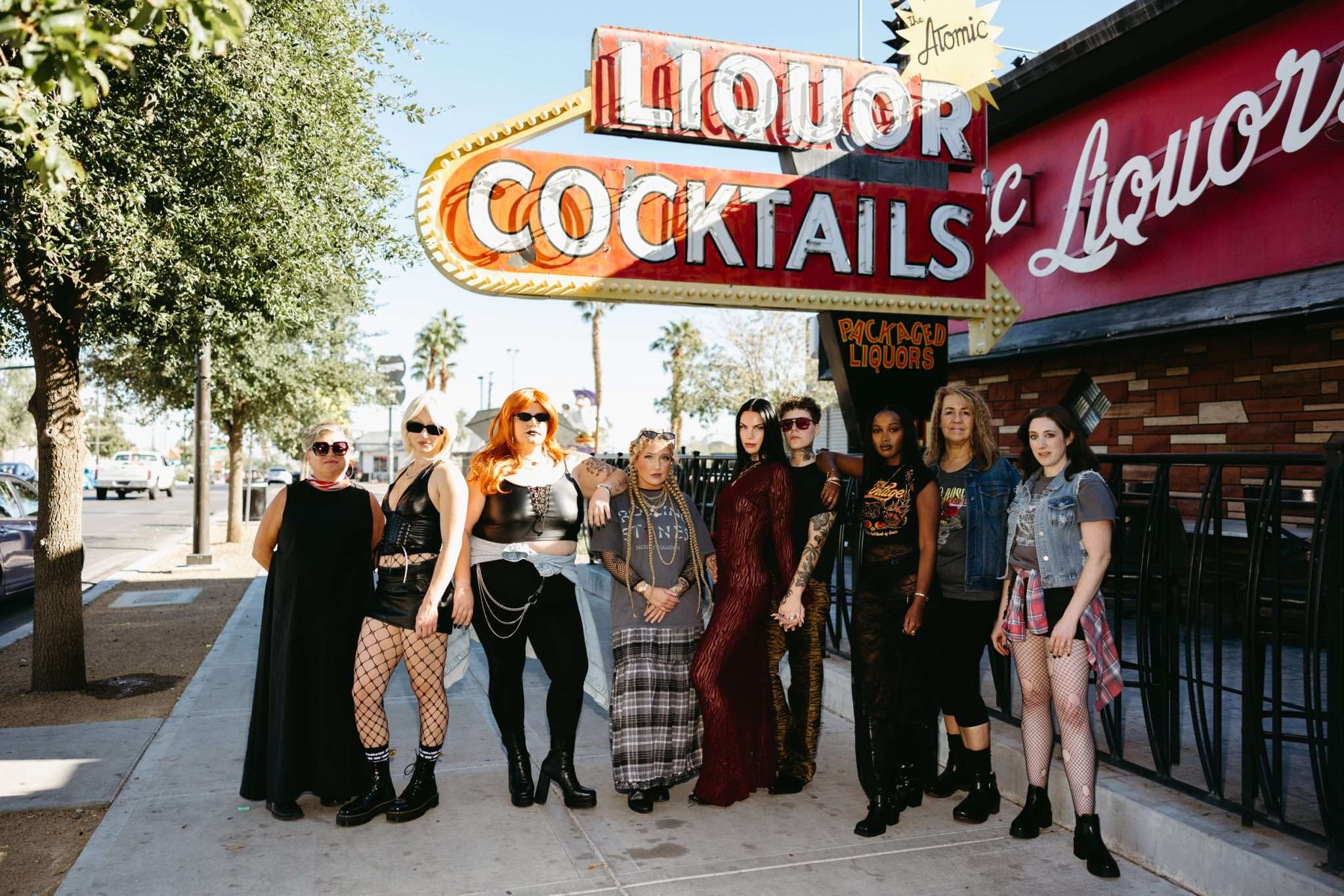
Chronology of the Event
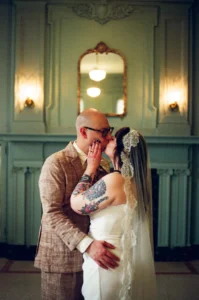
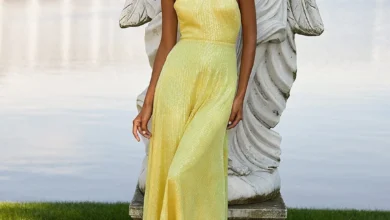
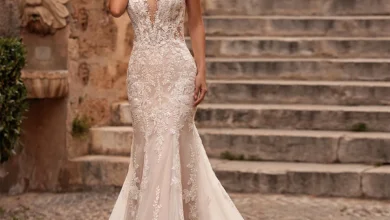
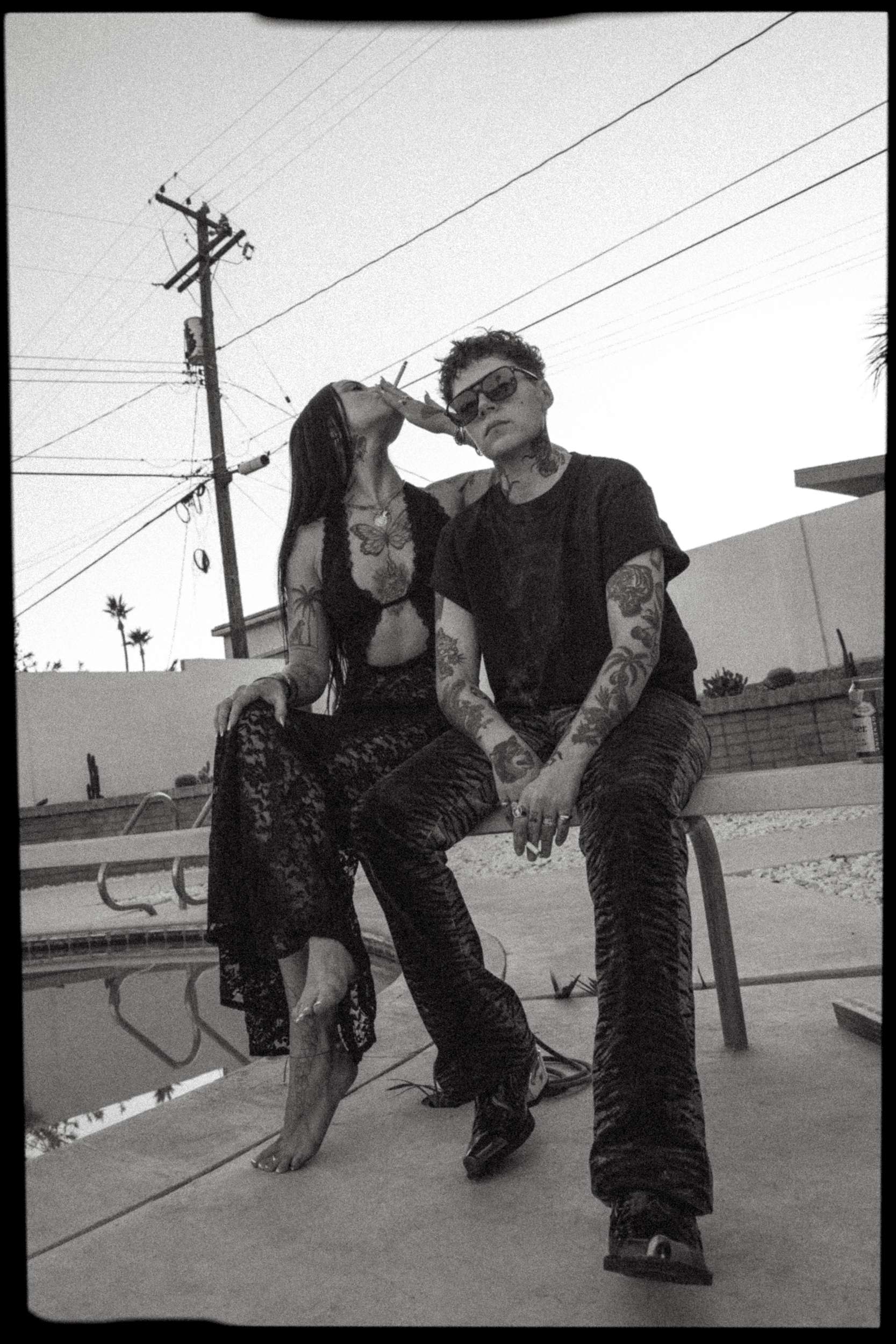
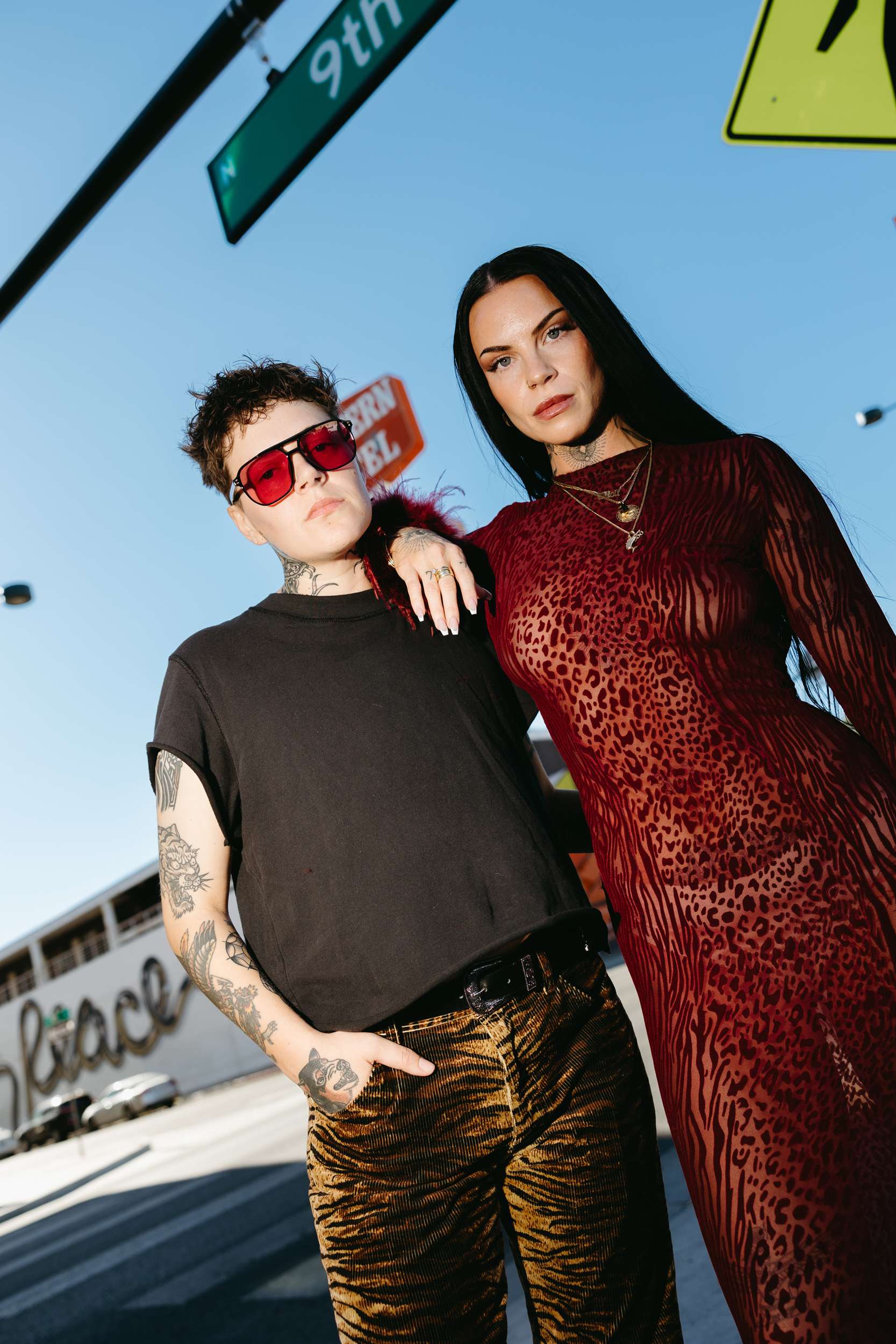
The day was meticulously organized to maintain the element of surprise. The timeline began at approximately 2:30 p.m. on October 31, 2026, with an hour-long photography session throughout the city. This segment of the day focused on documenting the couple’s stylistic choices, which drew heavy inspiration from the public personas of Pamela Anderson and Tommy Lee, as well as the grit and glamour of 1980s rock music videos.
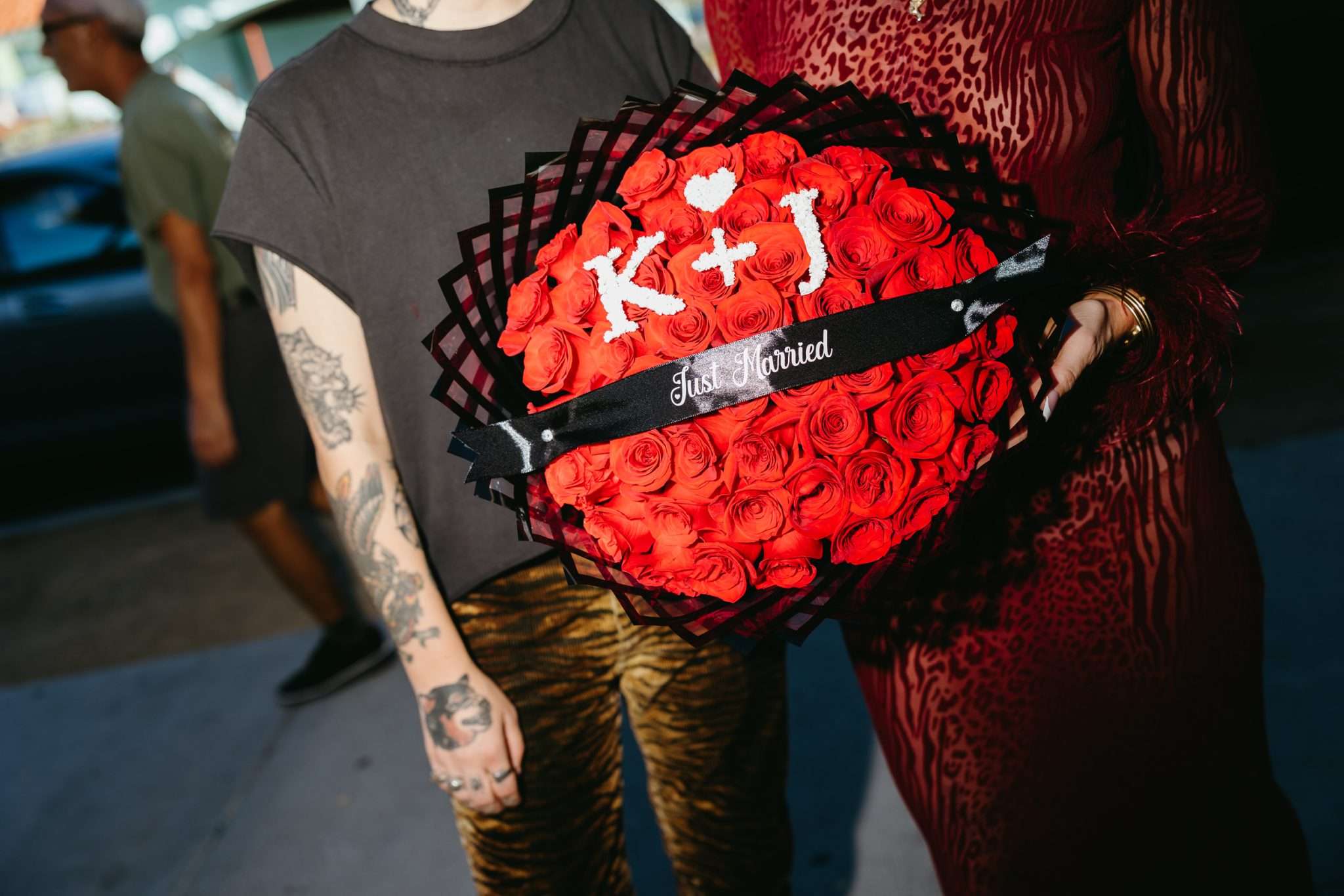
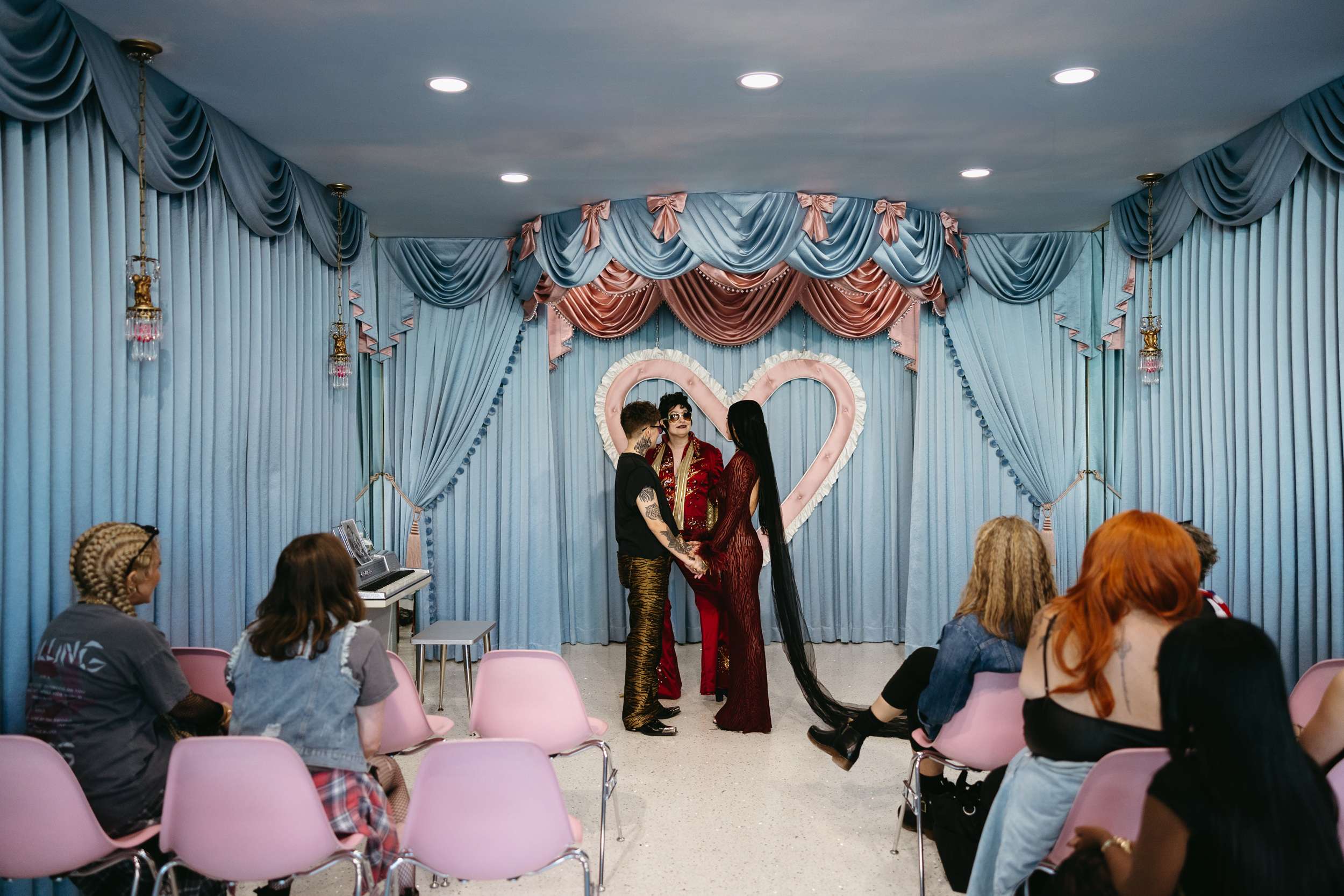
At 3:30 p.m., the party arrived at the Sure Thing Chapel. The transition from a casual group outing to a formal wedding ceremony occurred seamlessly, facilitated by an officiant dressed as an alternative iteration of Elvis Presley—a nod to the classic Vegas trope, albeit with a modern, subversive twist. The couple entered the chapel to the track "99 Problems" by Jay-Z, a choice that served as both a musical signature and a personal manifesto regarding their relationship’s resilience against external pressures.
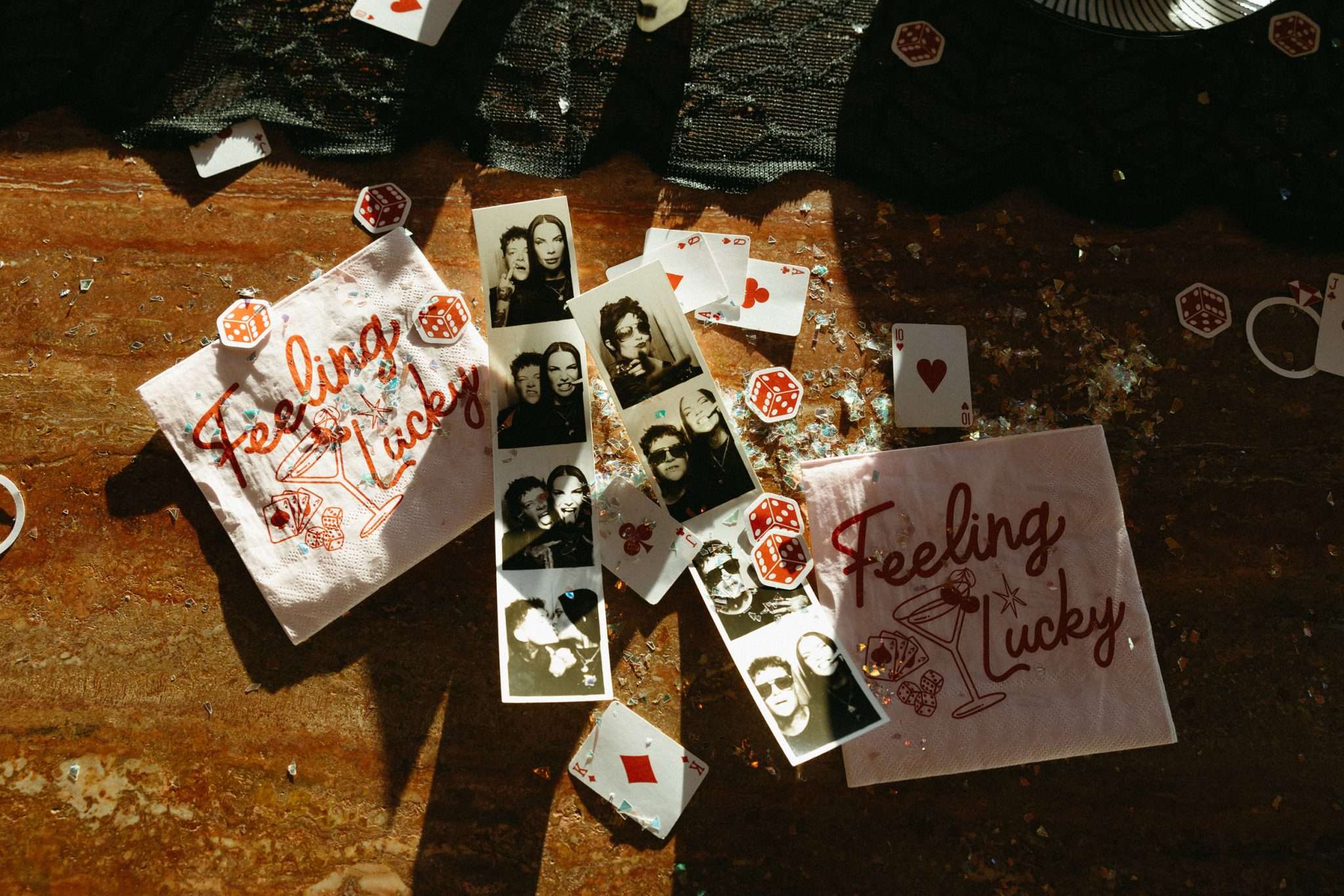
Breaking with Tradition: Symbolic Replacements
One of the most notable aspects of the ceremony was the explicit rejection of conventional wedding symbols. The couple bypassed the traditional exchange of rings, opting instead to wear custom-made gold grills engraved with the number 13.
The symbolic significance of the "13" is twofold: it marks both their engagement date (Friday the 13th) and their wedding date (October 31st). The design allows the digits to be read in either direction, representing a cyclical commitment to their shared history. Furthermore, the couple opted out of the traditional "walking down the aisle" protocol, which often involves the father of the bride. Instead, they were accompanied by their mothers and a close friend, signaling a departure from patriarchal wedding structures in favor of a matrilineal and peer-supported model.
Socio-Political Context and LGBTQ+ Inclusion
The couple’s reflection on their experience highlights the ongoing importance of inclusive spaces in the wedding industry. As members of the LGBTQ+ community, Jay and Kate noted that their wedding was not merely a personal celebration but an assertion of their right to exist in a public, celebratory space.
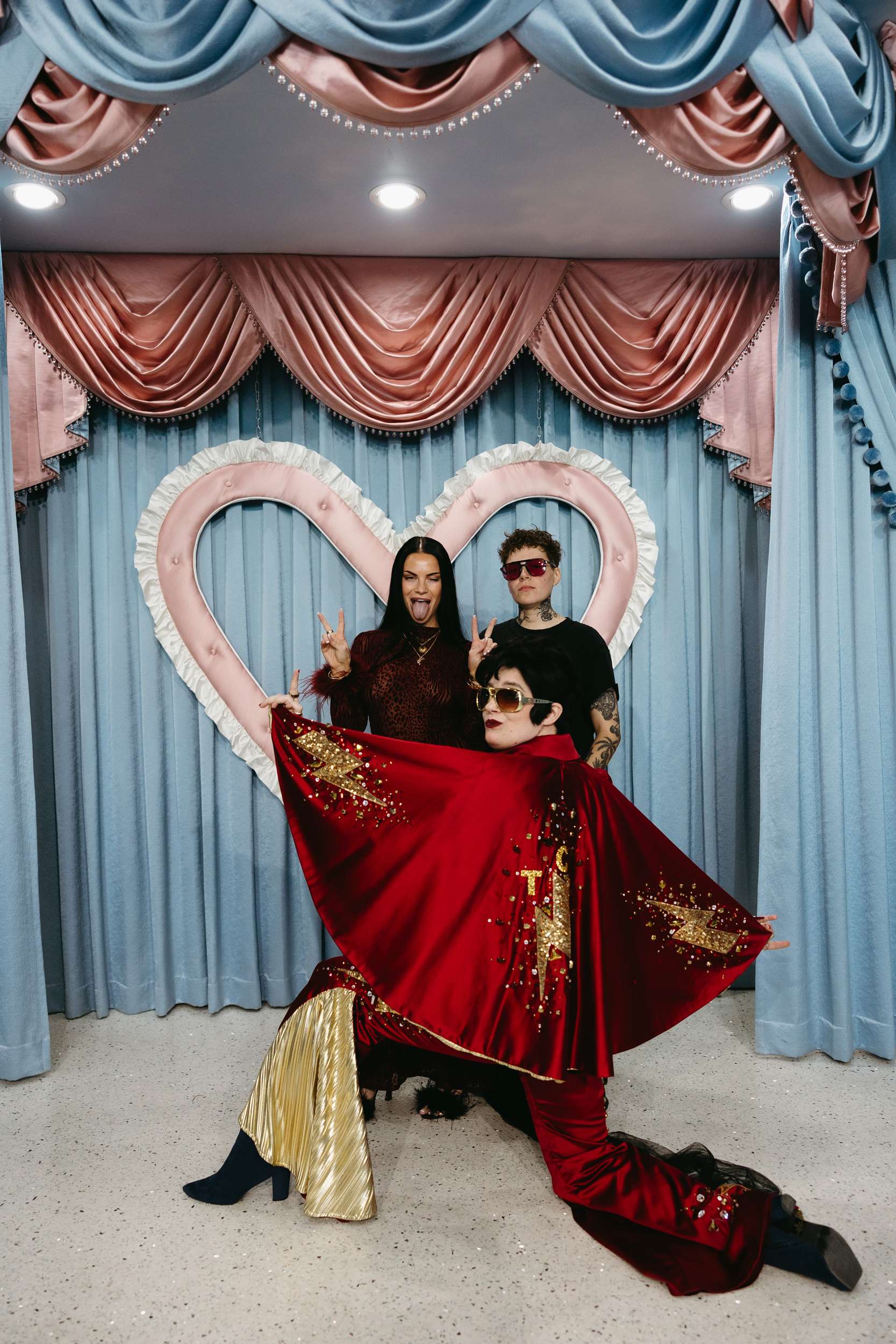
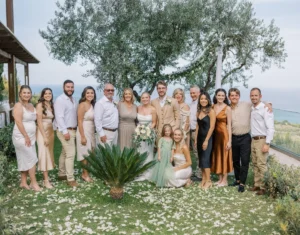
"Being LGBTQ+, we don’t always feel widely accepted, but there we were, surrounded by our friends and mums, people with very different backgrounds, celebrating together," the couple stated. Their guest list was intentionally diverse, encompassing a wide range of religious backgrounds, dietary habits, and age demographics. This intentional curation of their guest list reflects a broader movement within the wedding industry where couples are using their events to foster environments of radical acceptance.
The Impact of the "Non-Traditional" Market
The rise of such events has tangible economic implications for the Las Vegas tourism and hospitality sectors. While traditional large-scale weddings generate significant revenue through venue rentals and catering, the "guerrilla-style" or micro-wedding market is growing. By utilizing short-term rentals like Airbnb for post-ceremony gatherings, couples are keeping their spending localized and focused on intimate experiences.

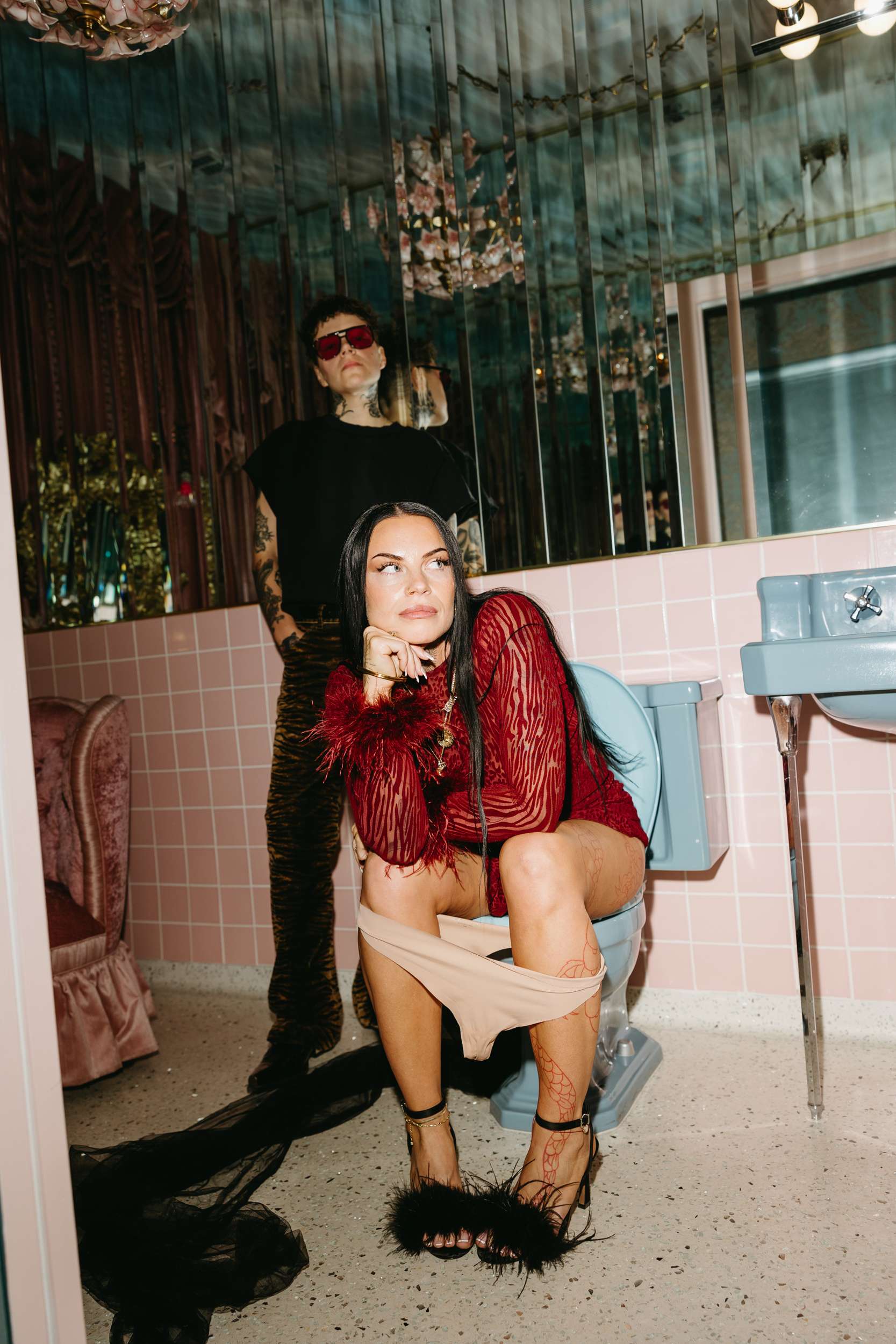
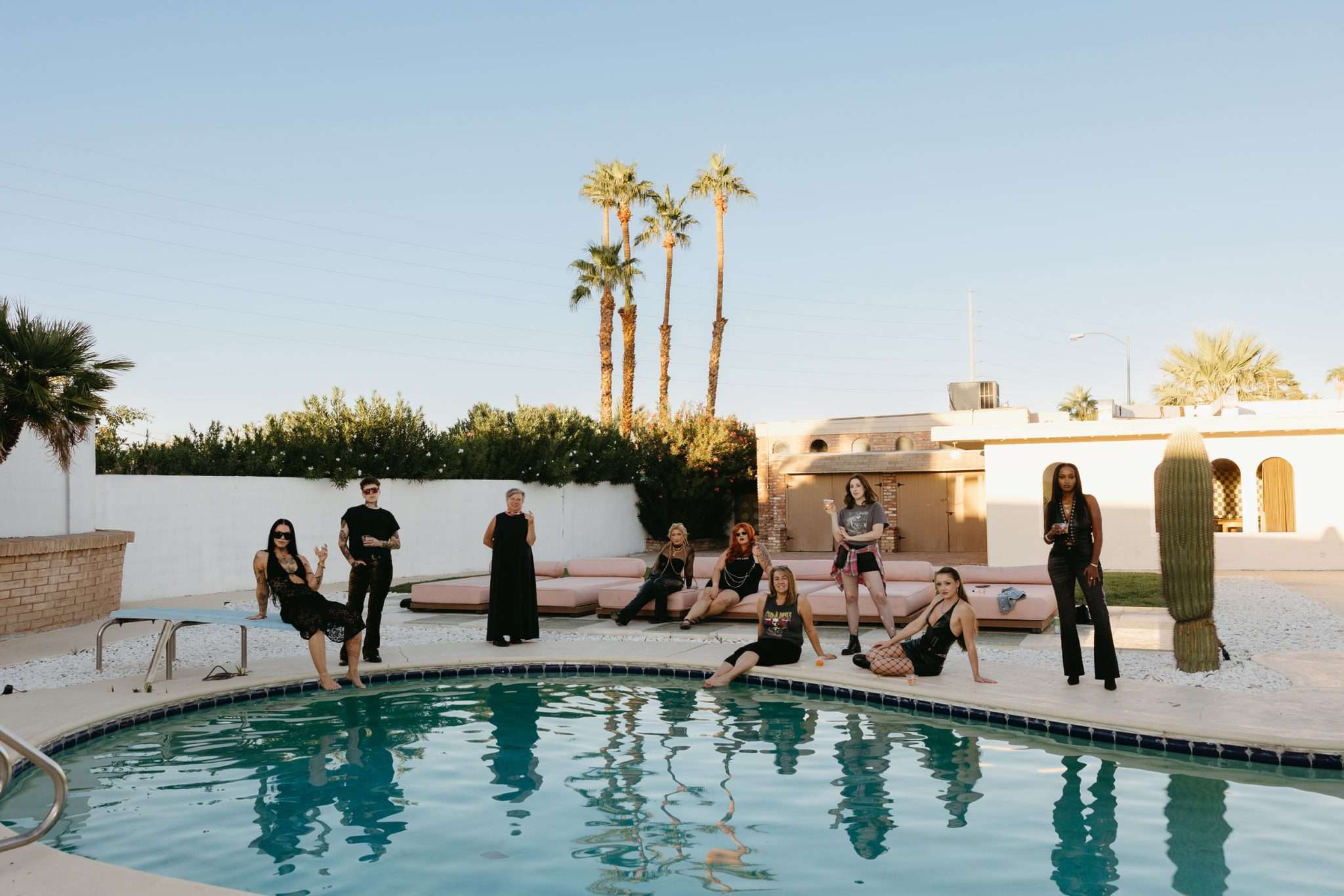
The mid-century modern Airbnb used by the couple served as the hub for the remainder of their weekend. This approach suggests that the "wedding venue" is no longer just the chapel or the banquet hall; it is a holistic experience that includes travel, private accommodation, and casual social interaction. The emphasis on being "present" and rejecting "people-pleasing" suggests that the next generation of couples is prioritizing mental health and personal comfort over the demands of extended social networks.
Analysis of Modern Wedding Trends
Sociologists and event planners have noted that the "rules" of marriage ceremonies are becoming increasingly fluid. Data from wedding planning platforms such as The Knot and Zola suggest that since 2023, there has been a steady increase in "unconventional" ceremonies, including those held at non-traditional locations, ceremonies without formal bridal parties, and those that eschew religious or secular scripts in favor of entirely custom vows.
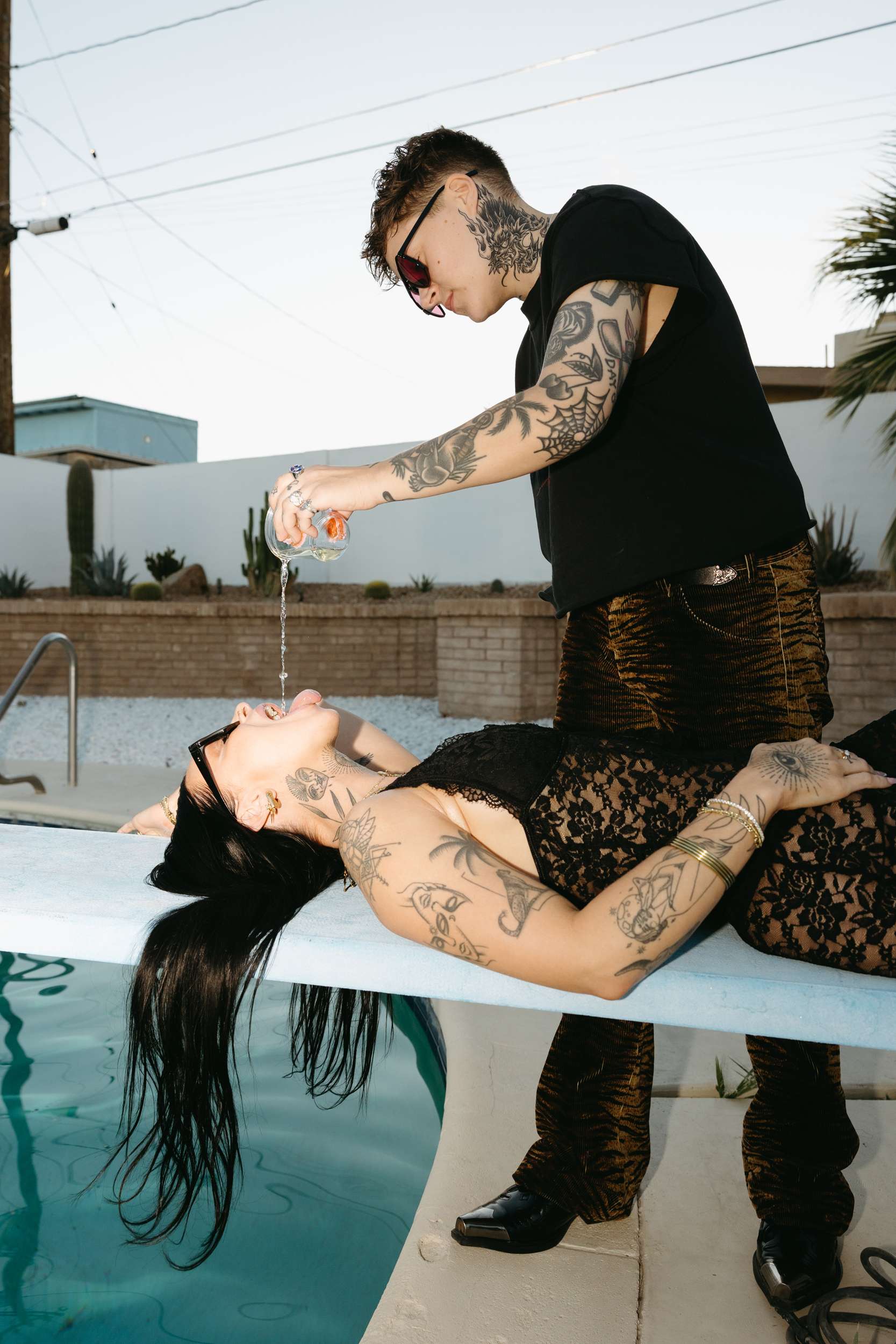
The significance of the 99 Problems theme is more than a pop-culture reference; it functions as a boundary-setting mechanism. By framing their marriage in terms of "problems" that they have successfully navigated or disregarded, the couple is communicating a modern philosophy: the marriage is a private contract, not a public performance.
Future Implications for the Industry
The success of weddings like those of Jay and Kate suggests that vendors in Las Vegas and beyond must adapt to a clientele that values authenticity over tradition. The "Sure Thing" model of chapel-based, low-friction, high-impact ceremonies is likely to see continued growth. For vendors, this means providing services that are highly customizable and capable of accommodating niche aesthetic requests—whether that be a specific 90s-inspired wardrobe or a requirement for unique physical accessories like custom dental work.
Furthermore, the emphasis on inclusive, safe, and diverse celebrations serves as a template for other couples who may feel marginalized by the traditional wedding-industrial complex. As the industry continues to evolve, the ability to facilitate these "wild and free" expressions of commitment will become a key competitive advantage for venues.
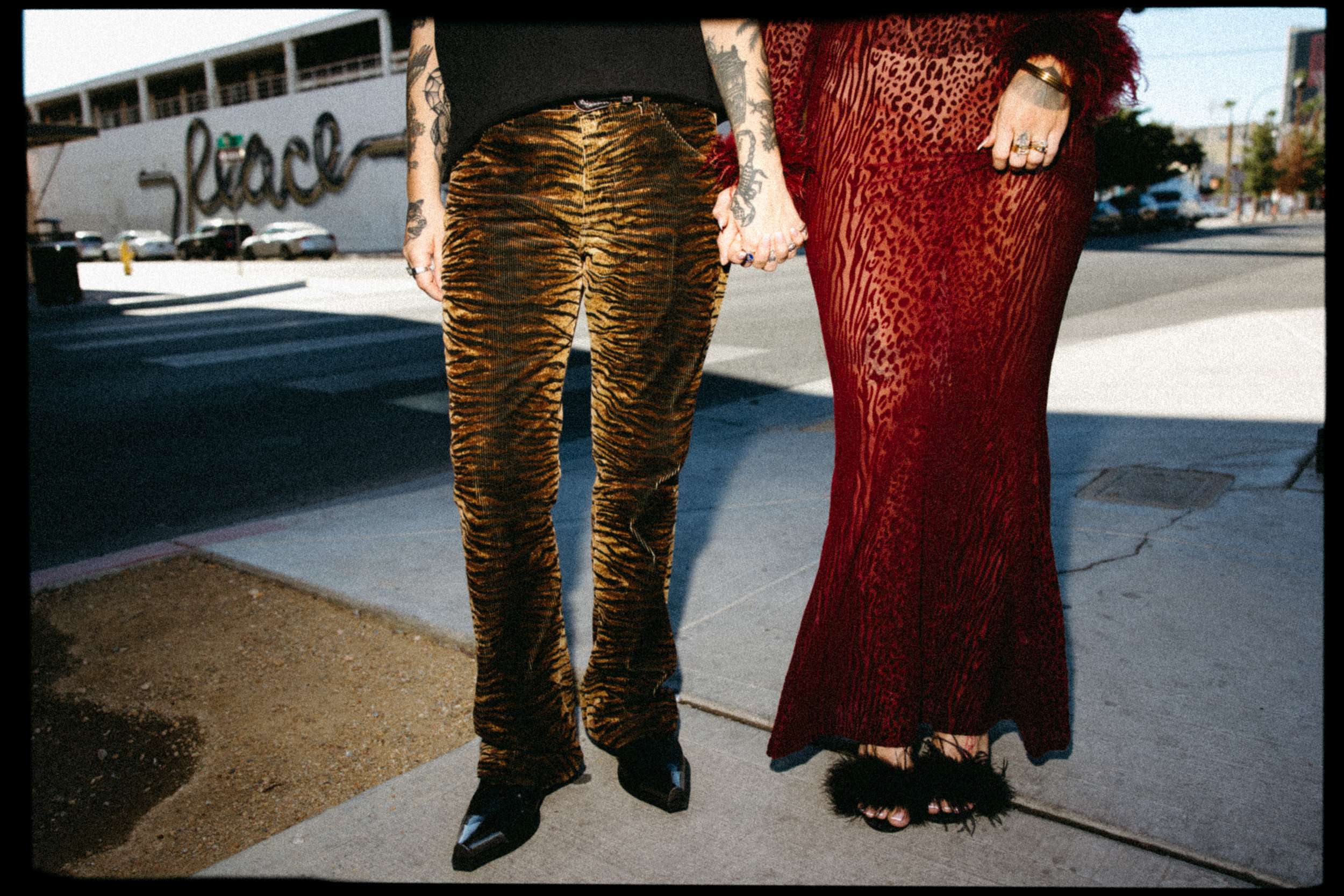
In conclusion, the wedding of Jay and Kate was not merely a singular event but a reflection of a changing social landscape. By synthesizing elements of nostalgia, personal defiance, and radical inclusivity, they created a blueprint for future couples looking to define their own milestones. As the wedding industry continues to grapple with shifting societal norms, the move toward such authentic, individualized celebrations appears to be a permanent, rather than temporary, shift. The, "no rules" approach championed by the couple, while potentially polarizing to traditionalists, resonates strongly with a demographic that views the wedding day as an extension of their personal identity rather than a performance for the benefit of others.