Kelli Donovan: Pioneering Ethical Fashion Through the Lens of Heritage and Environmental Stewardship

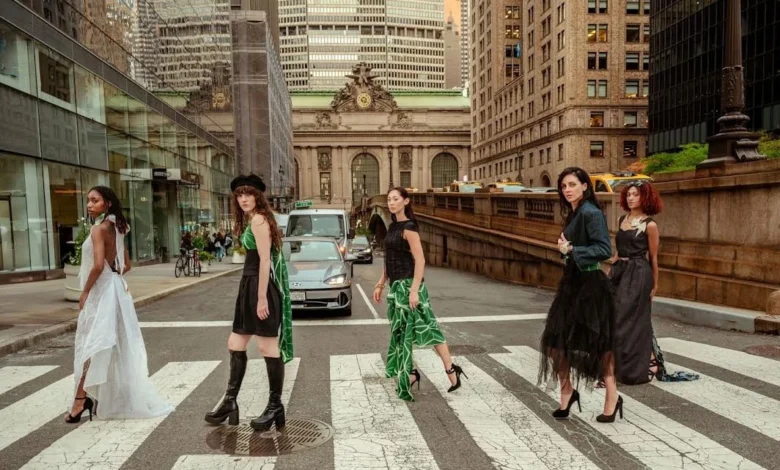
The global fashion industry is currently facing a reckoning, as the proliferation of ultra-fast fashion models has accelerated environmental degradation, waste accumulation, and resource depletion. Amidst this climate, Australian designer Kelli Donovan has emerged as a significant voice for reform, blending three decades of industry experience with a philosophy rooted in ancestral craftsmanship and ecological preservation. Her work, which spans collections inspired by oceanic conservation to those critiquing the systemic oversupply of garments, offers a blueprint for a more sustainable future.
The Origins of an Ethical Aesthetic
Kelli Donovan’s design trajectory is inextricably linked to her upbringing in Canberra, Australia’s bush capital. Surrounded by the rugged landscapes of the Brindabella Ranges and a culture deeply intertwined with the outdoors, Donovan developed an early appreciation for the natural world. This geographical context provided more than just visual inspiration; it fostered an acute awareness of the finite nature of resources.
In the early stages of her career, Donovan became increasingly disillusioned with the industry’s trajectory toward mass production. The standard industrial practices—characterized by high-volume output, the use of non-biodegradable synthetic fibers, and opaque supply chains—stood in stark contrast to the values instilled in her during her formative years.
A Lineage of Craft: The Influence of Annie Muir
A defining element of Donovan’s professional identity is the influence of her grandmother, Annie Muir, a skilled tailor from Glasgow. Though Muir passed away when Donovan was just 11 years old, her legacy remains a cornerstone of the designer’s methodology. Muir’s approach was governed by a strict ethos: "There is no point wasting time and skills on a piece of cheap cloth."
This philosophy of "quality over quantity" serves as a direct rebuttal to the modern fast-fashion cycle. By prioritizing superior textiles and precise, purposeful construction, Donovan seeks to honor the traditional craftsmanship that predates the era of planned obsolescence. Her practice reflects a commitment to longevity, ensuring that each garment is designed to endure rather than to be discarded after a single season.
Chronology of Innovation and Advocacy
Donovan’s career trajectory has evolved from traditional design to a model of radical transparency.
- Early Career (1995–2005): Donovan began her immersion in the fashion industry, navigating the conventional manufacturing landscape and witnessing the onset of the ultra-fast fashion boom.
- The Shift toward Sustainability (2006–2015): Recognizing the ecological impact of polyester and synthetic dyes, Donovan began pivoting her design house toward natural fibers and ethical sourcing.
- The Manta Ray Collection (2018–2020): This period marked a pivot toward using design as an educational tool, focusing on ocean conservation and the reduction of textile waste in marine ecosystems.
- The Sleeping Beauties Collection (2024–Present): A contemporary project that addresses the issue of deadstock and oversupply, coinciding thematically with broader cultural conversations regarding waste in the museum and luxury sectors.
Data and Environmental Implications
The urgency of Donovan’s work is supported by global industry data. According to the United Nations Environment Programme (UNEP), the fashion industry is responsible for approximately 2% to 8% of global carbon emissions. Furthermore, synthetic textiles, such as polyester, are estimated to be responsible for 35% of all primary microplastics released into the ocean.
Donovan’s "Manta Ray" collection was not merely a stylistic choice; it was a response to these statistics. By focusing on the Giant Manta Ray—a creature that thrives without disrupting its environment—Donovan created a metaphorical contrast to the extractive nature of industrial garment production. Her designs emphasize the use of regenerative materials, seeking to mitigate the flow of landfill waste into global waterways.
Analysis of the "Sleeping Beauties" Concept
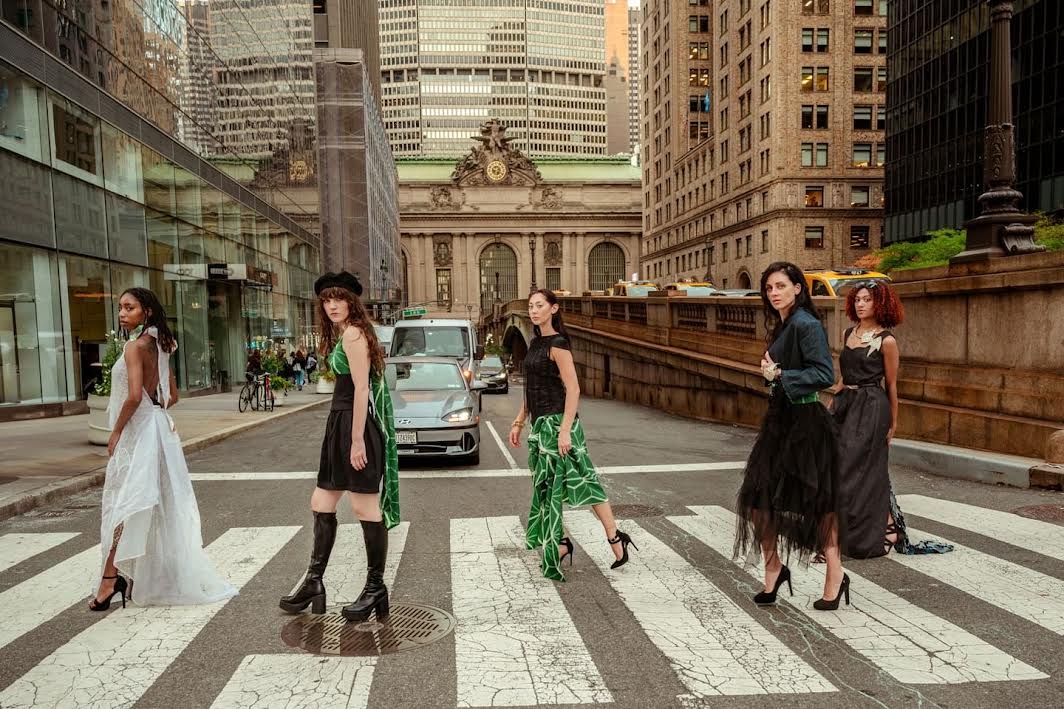
The 2024 debut of the "Sleeping Beauties" collection serves as a case study in modern sustainable branding. While the title shares nomenclature with the 2024 Metropolitan Museum of Art’s Costume Institute exhibition, the conceptual foundations differ significantly. While the Met focused on the fragility of historical garments, Donovan’s work focuses on the "sleeping" potential of discarded fabrics.
From a production standpoint, the collection addresses the crisis of oversupply. In the current market, it is estimated that billions of garments are produced annually that never reach a consumer, eventually ending up in incinerators or landfills. By working with limited runs and deadstock materials, Donovan’s label forces a reduction in the "take-make-waste" pipeline.
Strategic Advice for the Next Generation
As a veteran with 30 years in the field, Donovan frequently advocates for a radical shift in how emerging designers enter the market. Her primary recommendation is to prioritize experimentation with textiles and waste-reduction techniques over the adherence to seasonal trends.
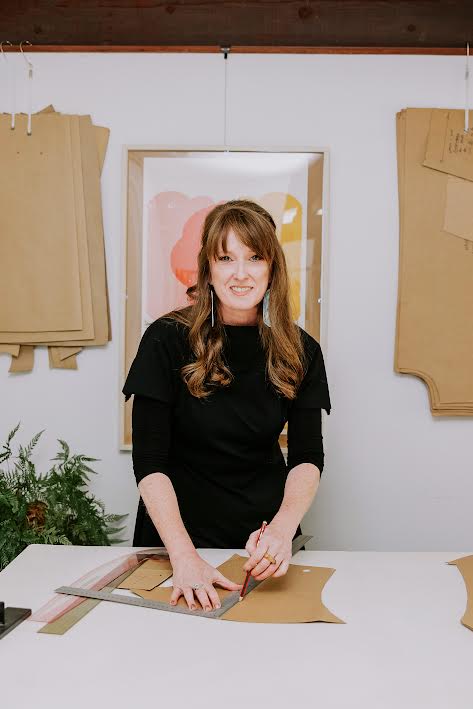
In the eyes of industry analysts, this advice represents a shift in the definition of "success." For decades, the metric for a successful fashion brand was rapid scaling and mass-market reach. Today, however, the rise of conscious consumerism—particularly among Gen Z and Millennial demographics—suggests that market share is increasingly being captured by brands that offer narrative-driven, ethical alternatives.
The Broader Impact on the Fashion Ecosystem
The implications of Donovan’s approach extend beyond her own label. By advocating for zero-waste design and the integration of circular economy principles, she contributes to a growing movement of "Slow Fashion." This movement demands:
- Transparency: Full disclosure of the supply chain, from the raw material origin to the garment factory floor.
- Longevity: Designing pieces that are durable, repairable, and timeless, thereby decoupling profit from the frequency of new purchases.
- Accountability: Accepting responsibility for the end-of-life of a garment, often through take-back programs or the use of fully compostable materials.
Conclusion
Kelli Donovan’s work demonstrates that the fashion industry can reconcile its creative output with the urgent requirements of environmental stewardship. By grounding her business in the values of her heritage and the realities of modern ecological data, she has created a model that is both commercially viable and ethically sound.
For the industry at large, her career serves as a roadmap. The transition to a sustainable future will not be achieved through minor adjustments to current practices but through a fundamental redesign of the relationship between producers, consumers, and the natural environment. As consumers continue to scrutinize the origin and impact of their purchases, designers like Donovan, who lead with integrity and purpose, are likely to define the next era of global fashion.
While the challenges of pollution and waste remain systemic, the emergence of localized, ethical, and high-quality design houses provides a necessary counter-balance to the industry’s excesses. Kelli Donovan’s legacy, much like the tailoring of her grandmother, Annie Muir, suggests that when fashion is stripped of its waste, what remains is an enduring form of art that respects both the creator and the planet.