Kornit Digital unveils on-demand production strategies to transform the licensed merchandise sector at Brand Licensing Europe 2026

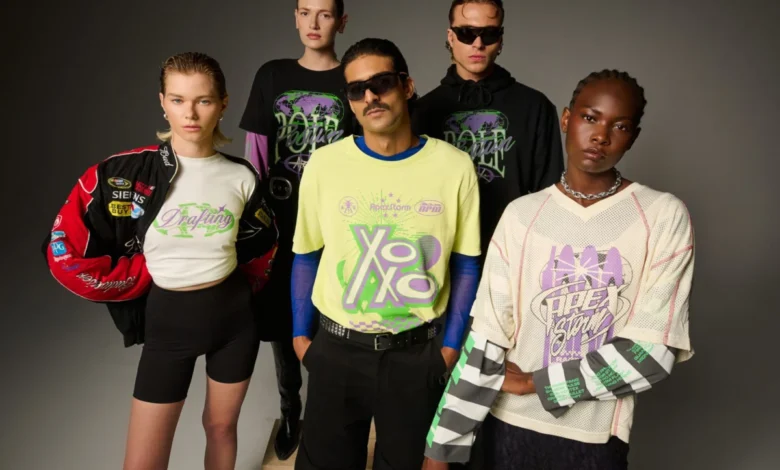
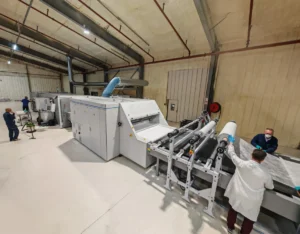
The licensed merchandise industry, long defined by the risks of overproduction and the rigid constraints of traditional supply chains, faces a paradigm shift as Kornit Digital prepares to showcase its on-demand manufacturing solutions at Brand Licensing Europe (BLE). Scheduled to take place in London from October 6-8, 2026, the exhibition serves as the premier stage for the company to demonstrate how digital textile printing can decouple product availability from long-term forecasting. By shifting from a model of speculative mass production to one of reactive, order-driven manufacturing, Kornit aims to mitigate the inventory risks that have historically plagued rights holders in film, music, and sports.
The Evolution of Merchandise Logistics
For decades, the standard operating procedure for licensed merchandise involved a "guess-and-check" cycle. Rights holders would collaborate with manufacturers months in advance of a major film release or a concert tour, attempting to predict consumer demand for specific designs and quantities. This model, while capable of producing high volumes, leaves retailers and licensors vulnerable to significant financial loss when products fail to resonate with the target audience or when trends shift unexpectedly.
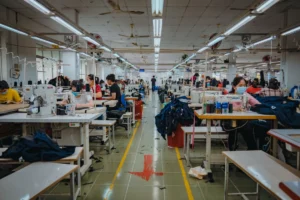
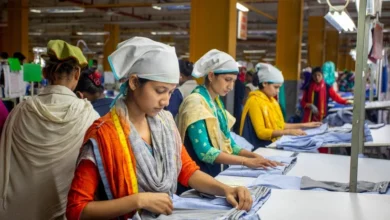
In the current market, consumer sentiment is driven by real-time digital engagement. A viral moment on social media can create instant, massive demand for a specific piece of apparel or memorabilia. Conventional supply chains, which often rely on overseas manufacturing hubs with lead times spanning weeks or months, are inherently incapable of capitalizing on these transient windows of opportunity. Kornit Digital’s proposal is a move toward a "just-in-time" model where the digital file is sent to the printer only after the customer has initiated a purchase, effectively eliminating the need for warehouses filled with unsold stock.
Chronology of Industry Transformation
The transition toward digital, on-demand apparel printing has accelerated over the past decade. The industry trajectory can be summarized as follows:

- 2015–2018: The emergence of direct-to-garment (DTG) printing technologies began to gain traction, though it was largely confined to small-batch custom gifting and promotional items.
- 2019–2021: Global supply chain disruptions caused by the pandemic highlighted the fragility of traditional, long-lead-time models. During this period, brands began exploring regionalized, digital production to ensure continuity.
- 2022–2024: Kornit and other innovators began scaling industrial-grade digital solutions capable of matching the quality and speed of traditional screen printing, enabling them to handle mid-to-large scale commercial orders.
- 2025–2026: The focus shifted toward sustainability and "inventory-less" retail. Major entertainment franchises began integrating on-demand portals into their digital storefronts to allow for real-time merchandise replenishment.
Data-Driven Advantages
The financial implications of this shift are significant. Industry data suggests that traditional retail clothing models often result in 20% to 30% of inventory going unsold, eventually being relegated to discount bins or landfills. By implementing on-demand production, businesses can theoretically reduce this waste to near zero.
Furthermore, the "long tail" of merchandise—niche designs targeting smaller fan bases—becomes commercially viable. Under traditional models, a design featuring a secondary character from a movie or a niche artist might not be produced because the required minimum order quantities (MOQs) are too high to justify the risk. Digital production removes MOQs, allowing rights holders to offer a comprehensive range of merchandise without the burden of storage costs. This increases the variety of available products, which in turn deepens the brand’s connection with its community.
Insights from Industry Leadership
Guy Yaniv, president of Kornit Digital Europe, emphasizes that the primary value proposition is not just efficiency, but cultural relevance. "Licensed merchandise is all about capturing the connection between fans and the culture they love—and those moments can happen incredibly fast," Yaniv stated. "On-demand production gives the industry the agility to respond when those moments happen, while reducing the inventory risk that has traditionally come with expanding merchandise portfolios."
The practicality of this model is evidenced by existing industry players who have integrated Kornit’s systems. Sweden’s Hybris Production has utilized the technology to streamline its licensed movie merchandise, while firms such as Basic Thinking and Fifth Column have successfully transitioned their music merchandise operations to a more agile, digital-first footing. These companies serve as case studies for a broader industry trend toward localized fulfillment.
Broader Implications for Retail and Sustainability
The environmental impact of this shift is as critical as the economic one. The apparel industry is frequently cited as one of the world’s largest contributors to carbon emissions and water waste, largely due to the "over-production" cycle that defines modern fashion. By producing only what is sold, the industry can drastically reduce its environmental footprint, aligning with the growing consumer demand for sustainable practices.

Furthermore, the concept of "localized production" is gaining momentum. Rather than shipping finished goods from low-cost manufacturing centers across the globe, brands can utilize regional hubs equipped with digital printing technology. This reduces transportation emissions and allows for rapid replenishment of stock in markets where demand is currently trending.
The Strategic Value of BLE 2026
Brand Licensing Europe is the ideal venue for introducing these concepts to the broader licensing community. The event attracts the world’s most prominent intellectual property holders, who are constantly seeking ways to monetize their assets without exposing themselves to the volatility of physical inventory.
During the event at stand D214, Kornit Digital plans to emphasize three key pillars of its strategy:
- Personalization: The ability to offer customizable products to fans, which has been shown to increase conversion rates and average order values.
- Consistency: Maintaining brand integrity across different global markets. Digital files ensure that a logo or design color remains identical, whether the product is printed in London, New York, or Tokyo.
- Fulfillment Integration: Connecting digital storefronts directly to manufacturing hubs, creating a seamless transaction that begins with a click and ends with a finished, high-quality garment.
Conclusion: The Future of Licensed Apparel
As the retail landscape continues to evolve toward an omnichannel, digitally-integrated experience, the reliance on traditional manufacturing methods appears increasingly outdated. The ability to print on-demand is no longer a niche capability but a strategic necessity for companies operating in high-velocity entertainment and sports markets.
By minimizing the time between the emergence of a cultural trend and the availability of associated merchandise, rights holders can maximize their revenue potential while simultaneously achieving their environmental, social, and governance (ESG) goals. As Kornit Digital prepares for its presence at Brand Licensing Europe 2026, the industry will be watching closely to see how these technologies reshape the future of licensed retail. For those in the sector, the message is clear: the risk of inventory is being replaced by the power of agility, and the companies that adapt to this reality will likely be the ones to dominate the next era of fan-driven commerce.