Eurojersey broadens performance fabric range with strategic pivot toward movement-based textile engineering


The Italian textile manufacturer Eurojersey has officially unveiled a significant expansion of its performance fabric portfolio, marking a departure from its traditional reliance on synthetic stretch materials. By introducing a diverse array of textiles—ranging from innovative knitted cotton blends to high-durability membrane constructions—the company is positioning itself to capture a broader segment of the global athletic and outdoor apparel market. This shift is encapsulated in the company’s new "Out of Frame" conceptual framework, which prioritizes the biomechanical requirements of human movement over the static, industry-standard categories of specific sporting disciplines.
Evolution of the Eurojersey Strategy
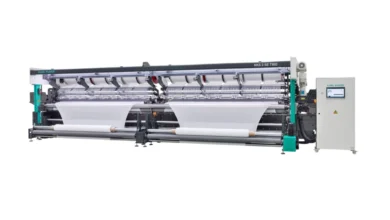
Eurojersey, long recognized for its proprietary Sensitive Fabrics line, has historically dominated the market for premium warp-knit fabrics characterized by high elasticity and superior moisture management. However, the textile landscape has evolved rapidly over the past decade. As consumer demand for "athleisure" and hybrid-use garments grows, the lines between professional sportswear, casual wear, and outdoor survival gear have blurred.
In response, Eurojersey’s leadership has moved toward a model of functional engineering. By analyzing the physical demands placed on fabrics during specific actions—such as explosive lateral lunges in tennis versus the sustained, static tension of yoga poses—the company is tailoring its textile output to match the physiological reality of the wearer. This strategic pivot, formalized in September 2026, signals an intent to move beyond the commoditization of synthetic stretch and into a more specialized, high-performance niche.
The "Out of Frame" Concept: A Chronology of Innovation
The genesis of the "Out of Frame" initiative can be traced back to the company’s internal R&D roadmap initiated in early 2024. Following a series of consultations with major global sportswear brands, Eurojersey identified a growing gap in the market: developers were struggling to find materials that offered the "second-skin" feel of high-stretch synthetics while incorporating the tactile benefits of natural fibers or the extreme ruggedness required for outdoor exploration.
- Q1 2024: Initiation of market analysis regarding the shift toward "movement-first" garment construction.
- Q3 2024: R&D phase begins for integrating natural fibers, specifically cotton, into the high-precision knitting architecture.
- Q1 2025: Beta testing of solution-dyed, abrasion-resistant materials for the outdoor professional market.
- Q3 2026: Official unveiling of the "Out of Frame" collection, encompassing four distinct pillars of performance fabric development.
Four Pillars of Material Development
The newly announced development strategy categorizes materials into four functional pillars, each designed to address specific performance bottlenecks.

1. Yoga and Wellness: The Second-Skin Paradigm
For low-intensity, high-flexibility activities, Eurojersey has focused on maximizing tactile comfort and elasticity. The goal here is to minimize the "weight" of the fabric on the skin. By utilizing ultra-fine gauge knitting, these fabrics provide consistent compression without restricting blood flow or hindering deep, dynamic movement. The development emphasizes a soft hand-feel, essential for garments designed for prolonged wear in wellness environments.
2. Fast-Motion Sports: Moisture Management and Breathability
In sports like tennis, padel, or rapid-movement fitness, the primary challenge is the management of heat and perspiration during volatile changes in intensity. Eurojersey’s new fabrics for this category prioritize rapid moisture wicking and high-speed evaporation. By creating a lightweight, aerated structure, these materials ensure that the garment does not become saturated or heavy during play, which is critical for maintaining an athlete’s agility throughout a match.
3. The Cotton Breakthrough: Natural Meets Synthetic
Perhaps the most notable development is the introduction of knitted cotton into Eurojersey’s previously synthetic-centric ecosystem. For years, the industry standard for high-performance activewear has been the reliance on petroleum-based polymers. By successfully integrating natural cotton fibers into its advanced knitting processes, Eurojersey is addressing the demand for more sustainable, skin-friendly, and naturally breathable apparel. While the project remains in its early stages, it represents a fundamental change in the company’s material DNA, potentially offering a sustainable alternative for brands looking to pivot away from 100% synthetic compositions.
4. Technical Outdoor: Abrasion Resistance and Protection
At the high-performance end of the spectrum, Eurojersey is targeting the outdoor and expedition market. This includes the introduction of solution-dyed fabrics—a process that embeds color directly into the fiber, significantly increasing colorfastness and reducing water consumption during the manufacturing process—alongside new membrane constructions. These membranes are designed to offer a barrier against the elements while maintaining the breathability required for high-exertion hiking or climbing.
Implications for the Global Apparel Market
The market for high-performance textiles is currently valued at several billion dollars, with a projected compound annual growth rate (CAGR) of over 6% through 2030. Eurojersey’s move is a direct play to secure a larger share of this market by offering "bespoke" functional characteristics.
Industry analysts suggest that this strategy benefits product developers significantly. By focusing on functional properties—such as the specific coefficient of friction or the rate of moisture transfer—rather than just fiber content, brands can create more specialized garments. For example, a tennis brand could collaborate with Eurojersey to select a specific weave that maximizes abrasion resistance in high-wear areas while maintaining superior breathability in areas of high heat output. This modular approach to textile selection is expected to reduce time-to-market for new garment lines.

Furthermore, the introduction of cotton-based performance fabrics aligns with broader ESG (Environmental, Social, and Governance) goals within the apparel industry. Brands are under increasing pressure from consumers and regulators to reduce their reliance on microplastic-shedding synthetics. By proving that natural fibers can be engineered to meet high-performance standards, Eurojersey is positioning itself as a vital partner for companies attempting to meet sustainability targets without sacrificing functional efficacy.
Expert Perspectives and Official Stance
While Eurojersey has not released specific financial projections related to the "Out of Frame" line, the company’s documentation emphasizes that the primary goal is "precision." By moving away from conventional categories, the company is effectively inviting designers to co-create, treating the textile as an active component of the athlete’s performance rather than just a protective layer.
"The objective is to allow combinations of properties to be tailored more closely to the requirements of brands and product developers," a representative for the firm noted in recent technical disclosures. This indicates that the company expects a higher degree of technical collaboration with its clients moving forward. The focus is no longer on selling a product from a catalog, but on providing a material solution that is engineered to the specific performance profile of the final garment.
Broader Impact on Textile Manufacturing
The Italian textile sector, specifically the district surrounding Eurojersey, has long been a hub for innovation. However, the rise of low-cost manufacturing in other regions has forced Italian producers to move toward high-value, high-complexity manufacturing. This latest expansion is a testament to that trajectory. By investing heavily in R&D for membrane technology and the integration of natural fibers, Eurojersey is doubling down on the "Made in Italy" promise of quality and technical sophistication.
As the industry looks toward the next decade, the ability to iterate quickly—as evidenced by the rapid development of the new knitted cotton line—will likely be the defining factor for success. Eurojersey’s shift suggests that the future of textiles is not just in the development of new polymers, but in the intelligent, scientific application of existing materials in ways that directly serve the athlete’s biomechanical needs.
For product developers, the message is clear: the traditional boundaries of performance fabrics are being dismantled. Whether for the elite outdoor athlete or the daily yoga practitioner, the new materials aim to remove the friction between the wearer and their environment. As Eurojersey continues to refine these technologies, the impact on the retail landscape will likely manifest in garments that are more durable, more sustainable, and increasingly optimized for specific human movements.