The presentation, titled Christopher Street Columbus, functioned as a complex semiotic exercise, interrogating the weight of names, legacies, and the inherited structures of power that continue to shape modern identity.
The Dual Architecture of Identity: Christopher Street vs. Christopher Columbus
At the heart of the collection lies a conceptual bridge between two figures—or, more accurately, two historical and geographic markers—bearing the same name. The first is Christopher Street, the legendary Greenwich Village thoroughfare that served as the crucible for Raul Lopez’s development. For the designer, this street is more than a location; it is a repository of queer lineage, a theater of street survival, and a site where early 2000s masculine codes were simultaneously performed, challenged, and reinvented. In this context, fashion was never merely aesthetic—it was a form of protective armor and a loud, defiant announcement of existence.
The second marker is Christopher Columbus, representing the historical fracture of colonial expansion. Lopez, whose personal history is deeply intertwined with the Dominican Republic and the broader Caribbean, frames the explorer not as a static historical figure, but as a symbol of the global act of "naming and claiming." By juxtaposing these two Christophers, the collection highlights the tension between the self-authored identity of the street and the externally imposed identity of colonial history. This collision is not intended to be resolved; rather, it is presented as a permanent, active friction that defines the contemporary migrant and queer experience.
Chronology and Venue Significance: A Departure from Manhattan
The choice of the Unisphere—a stainless-steel representation of Earth commissioned for the 1964 World’s Fair—is deeply symbolic. Historically, the Unisphere stands as a monument to international unity and the "world converging in New York." By choosing this site, LUAR intentionally moved away from the sanitized, luxury-focused environments of Midtown or Tribeca.
The timeline of the show aligns with the peak of the New York Fashion Week (NYFW) SS27 calendar, yet it operated on a different frequency. While other labels focused on seasonal trends, the LUAR presentation demanded that the audience travel to the periphery of the city. This geographic shift mirrors the collection’s narrative: moving away from the "constructed" images of the city center toward the lived, authentic realities of the outer boroughs.
Design Philosophy and Technical Execution
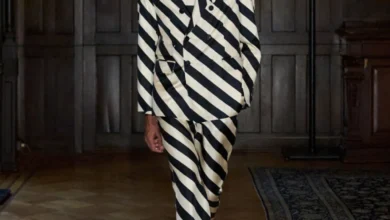
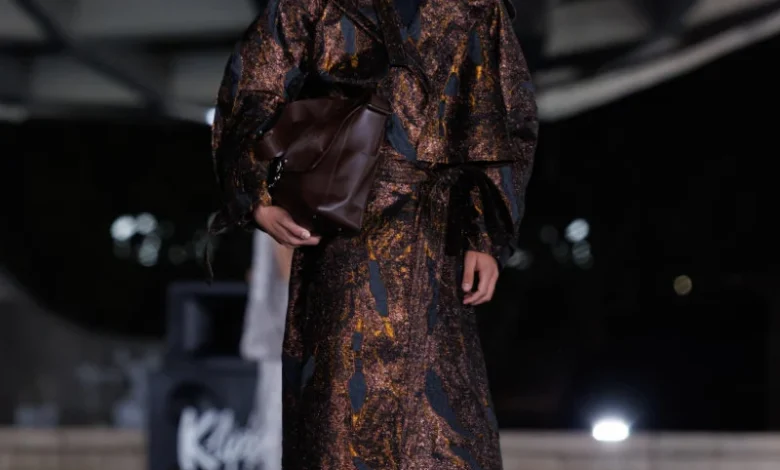
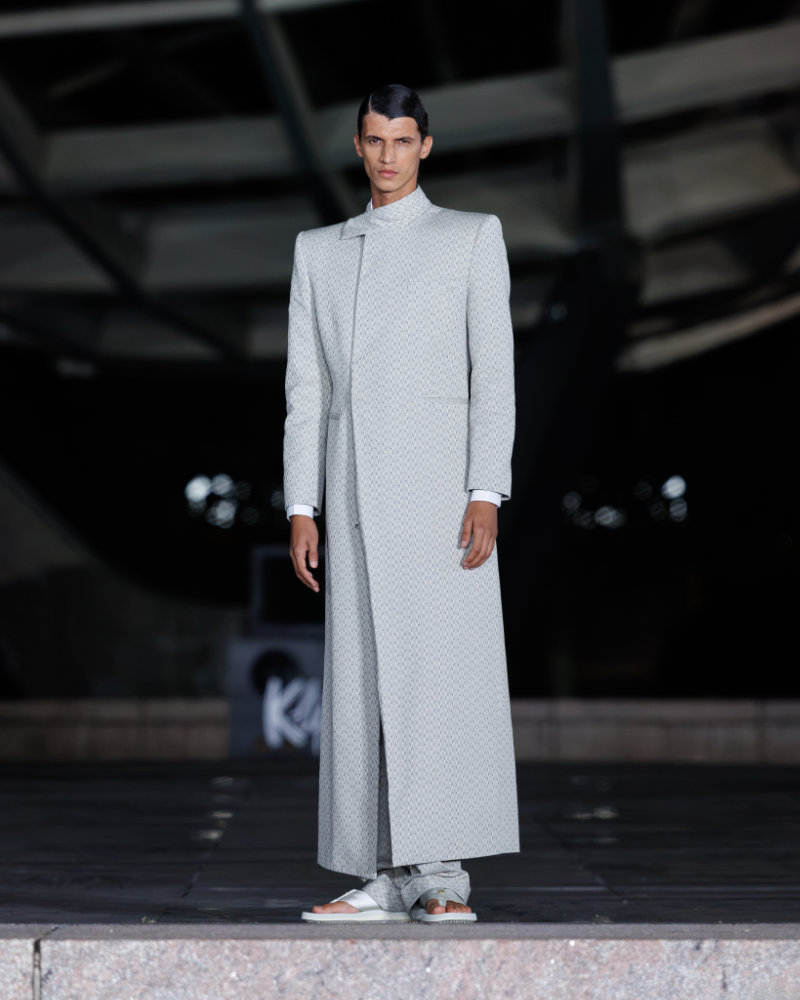
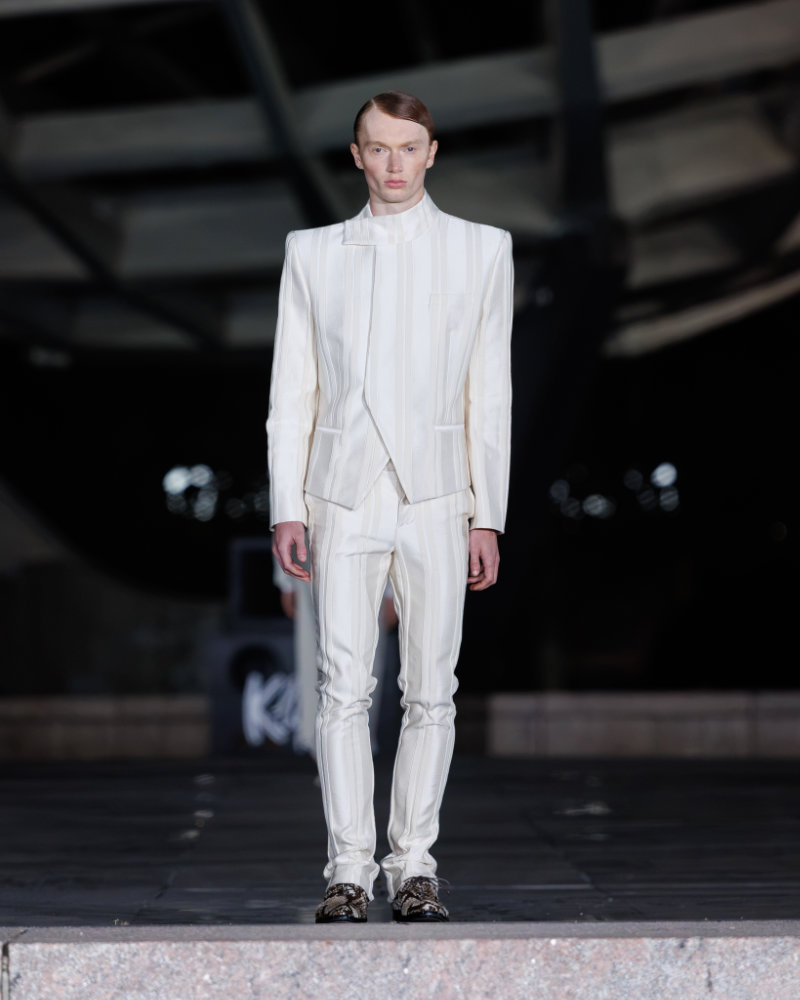
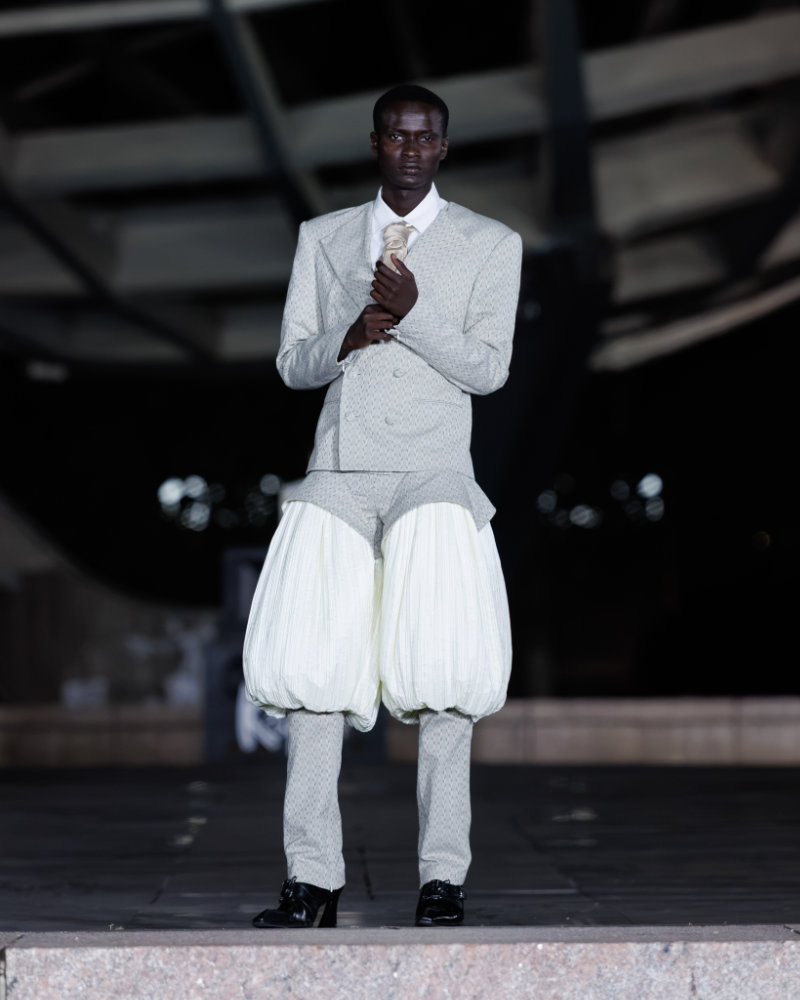
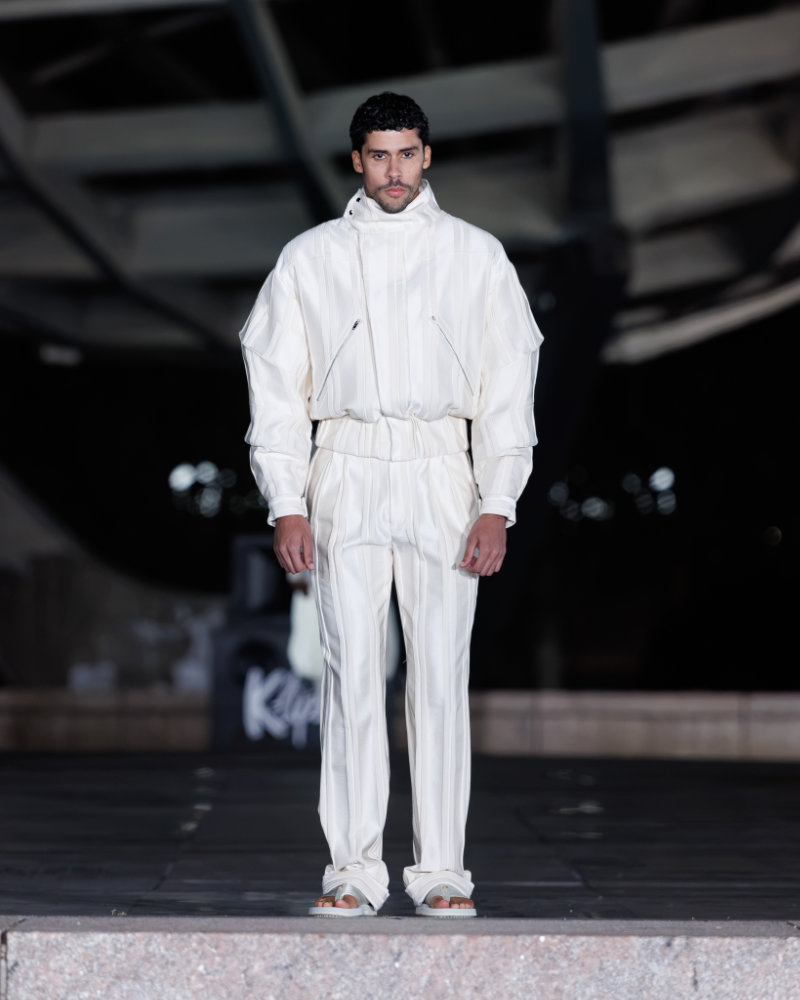
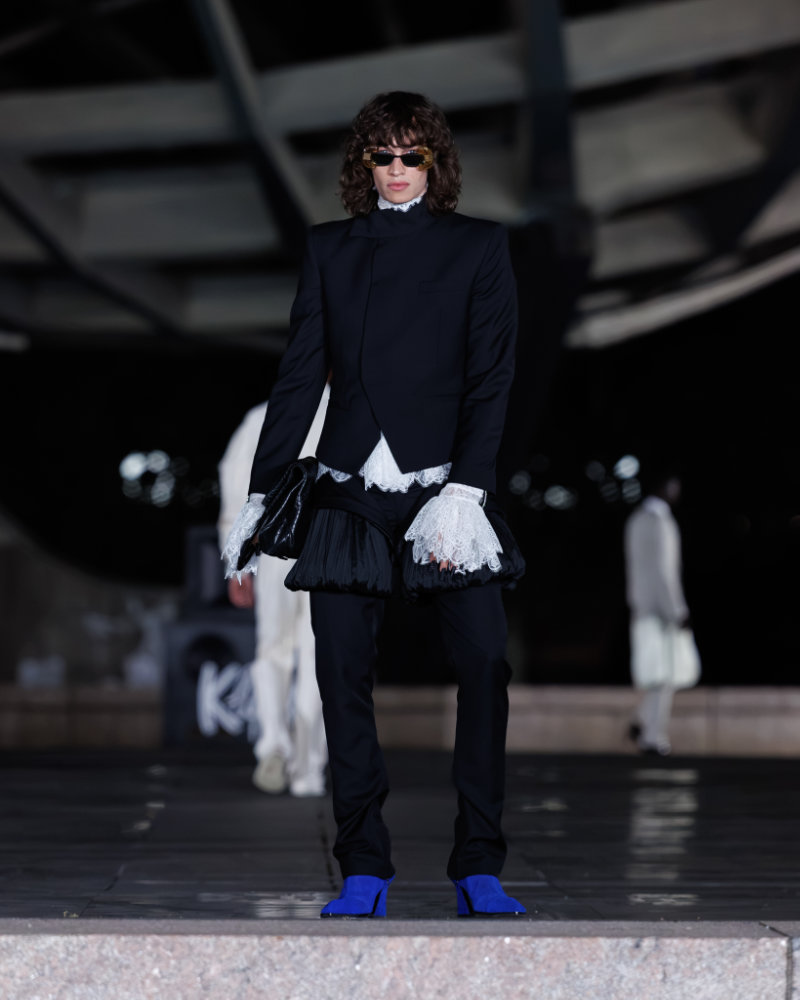
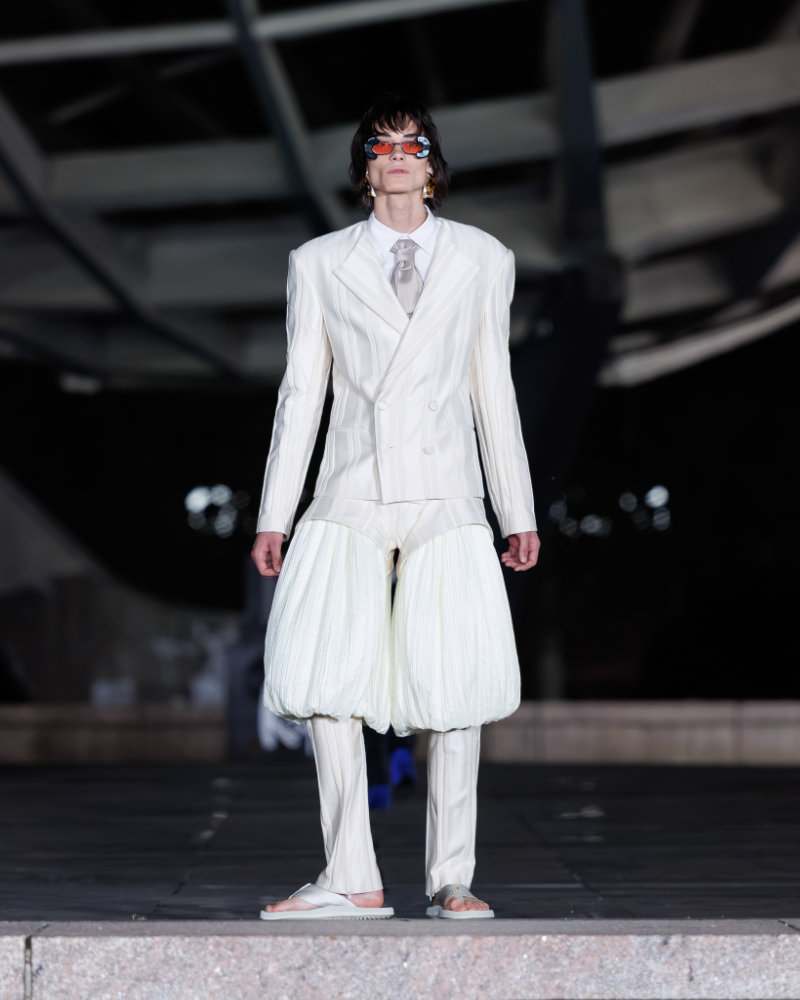
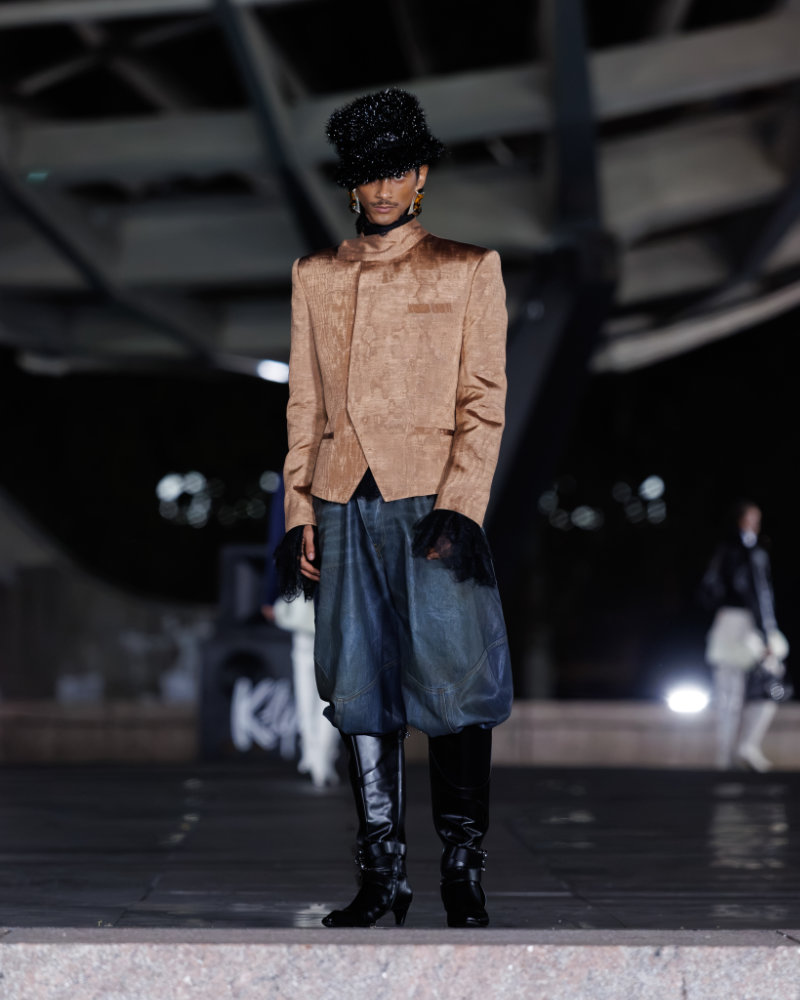
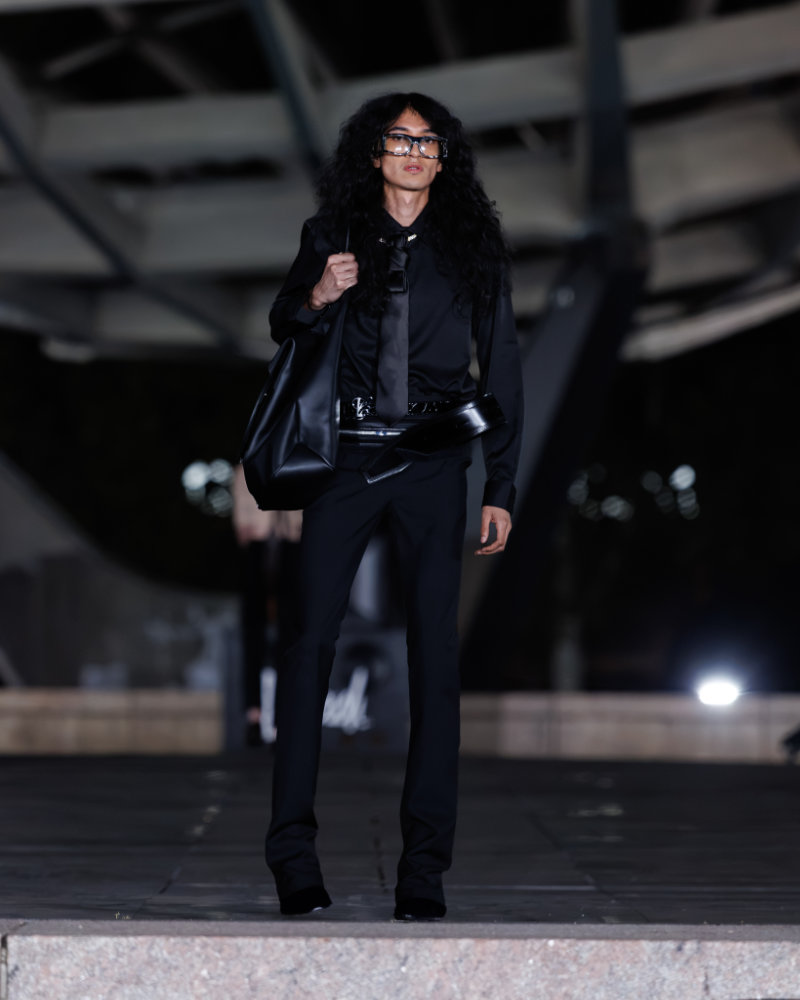
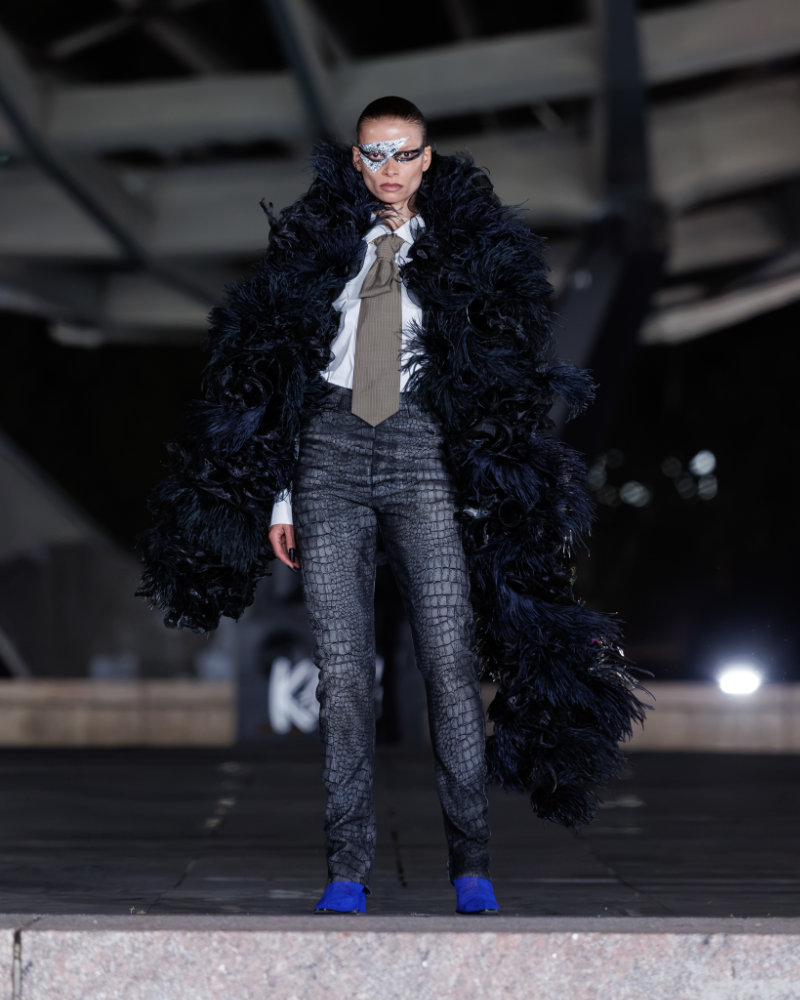
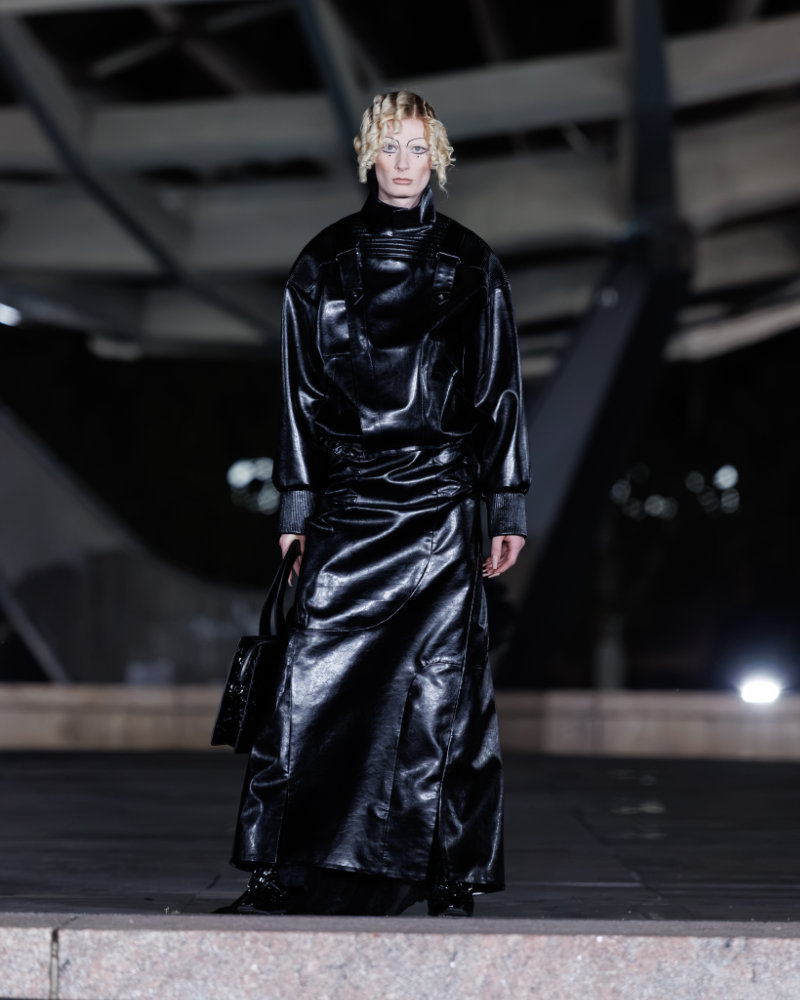
The garments presented in the SS27 collection act as a visual manifestation of this intellectual inquiry. Lopez masterfully recontextualized 15th and 16th-century European sartorial codes—the era of the colonial voyage—through the lens of early 2000s New York streetwear. This synthesis resulted in a collection that felt both archaeological and hyper-contemporary.
Key elements of the collection included:
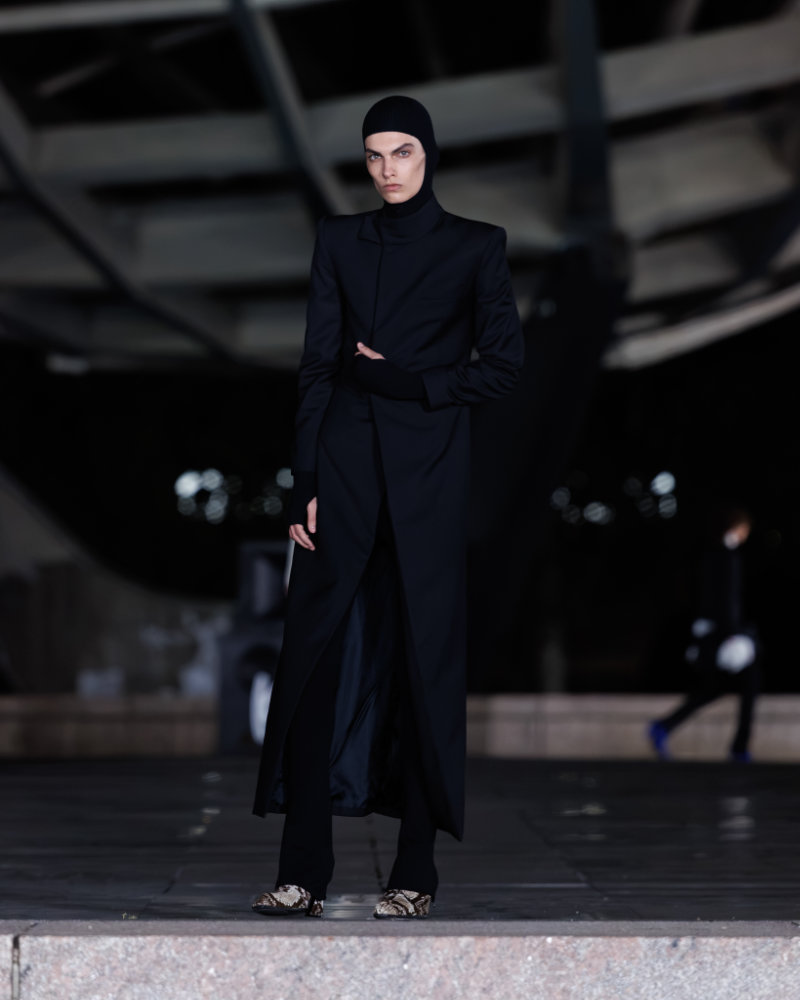
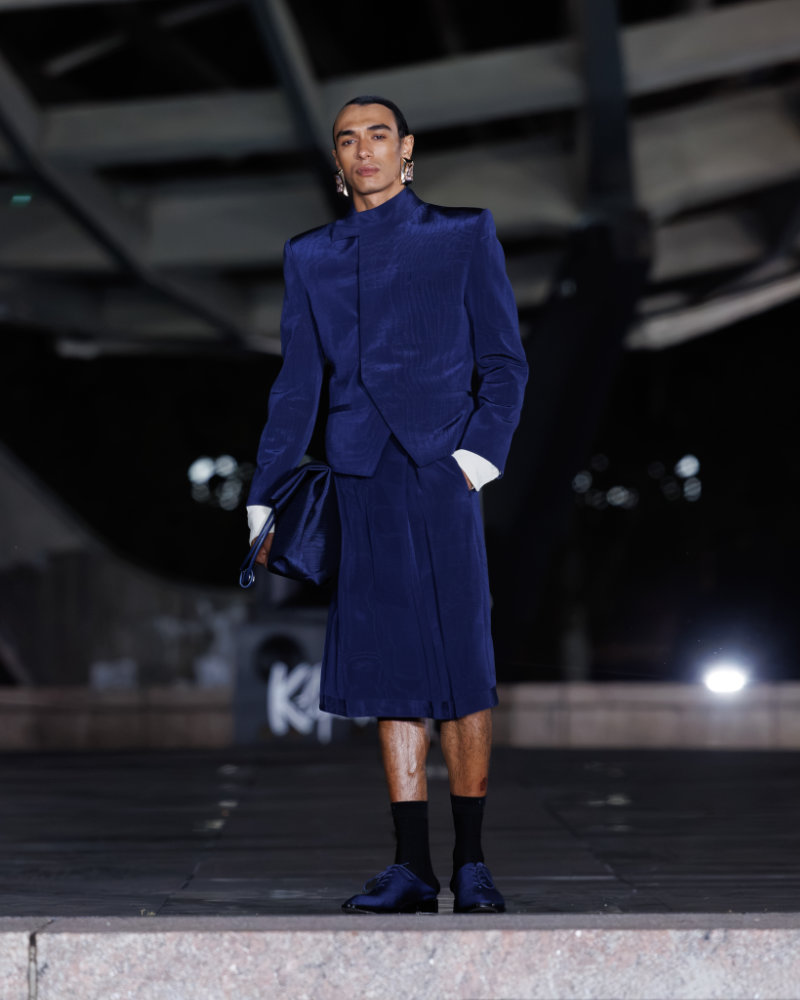
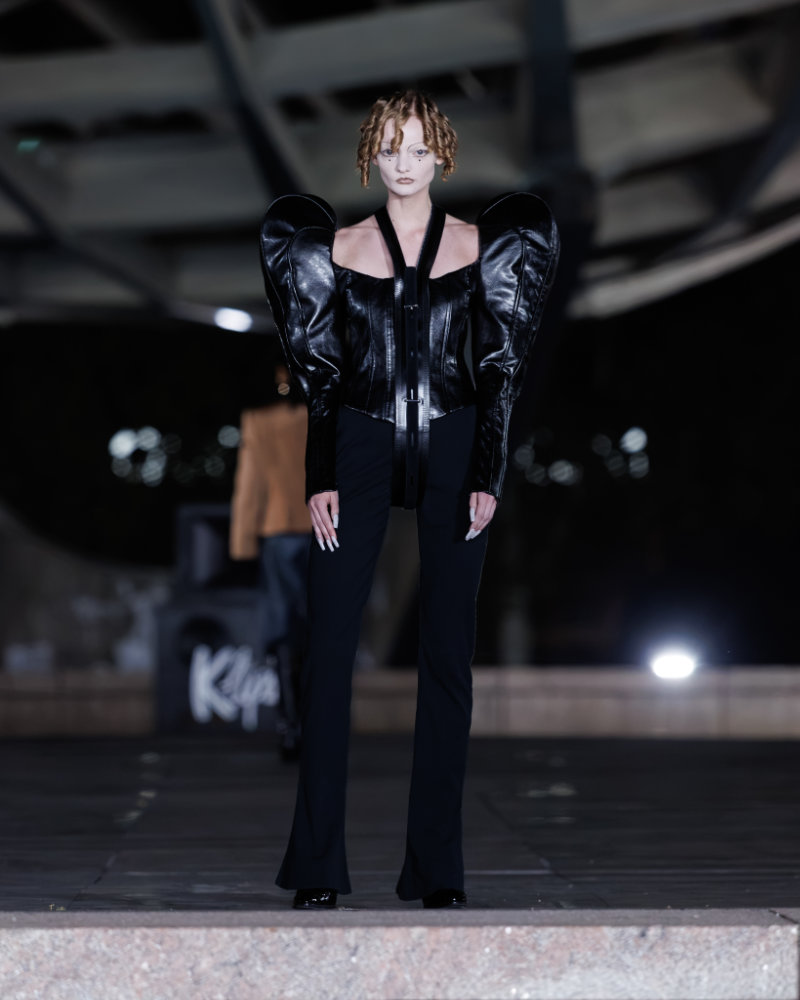
- Disrupted Tailoring: The traditional suit, a staple of the LUAR brand, was deconstructed and reassembled. Blazers featured exaggerated, architectural shoulders reminiscent of period doublets, yet were rendered in fabrics and cuts that spoke to the urgency of urban survival.
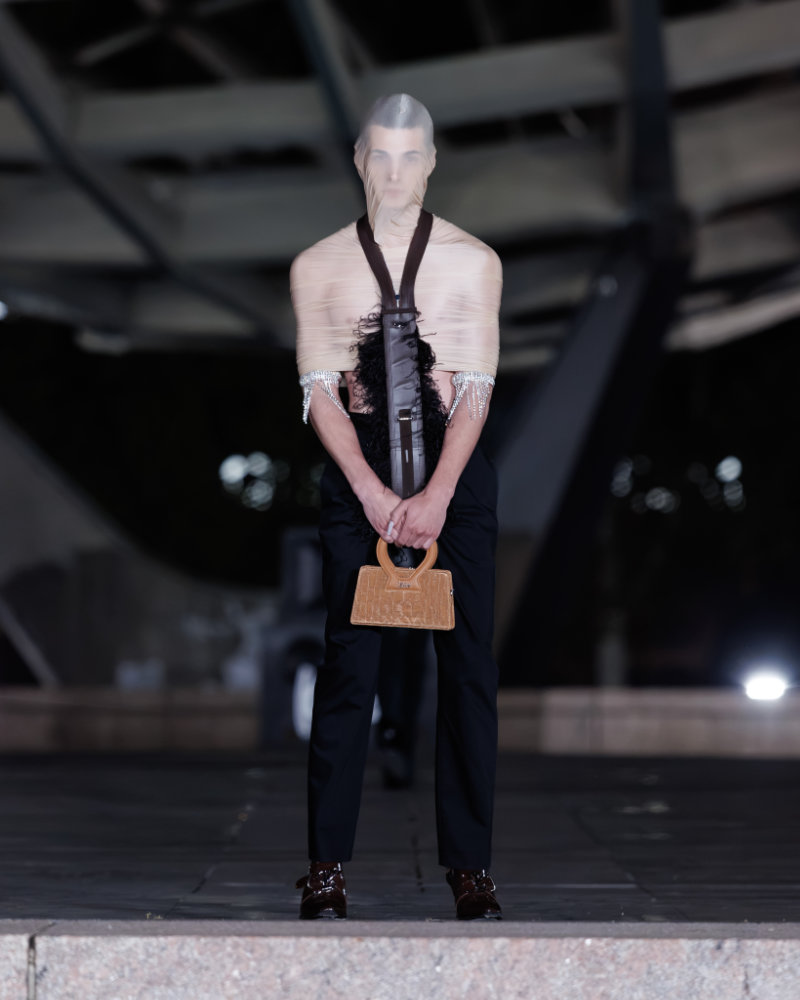
- Silhouettes of Resistance: The movement between "construction and release" was a recurring motif. Garments shifted between rigid, ceremony-oriented forms and fluid, utility-driven silhouettes, effectively destabilizing the traditional Western codes of status and masculinity.
- Textural Narrative: The choice of materials suggested a sense of being "unearthed." Distressed leathers, heavy weaves, and layered drapery suggested that these clothes had survived a journey—much like the communities Lopez draws inspiration from.
Analytical Perspective: The Socio-Political Stakes of Luxury
The fashion industry has long been criticized for its reliance on colonial aesthetics without engaging with the colonial history behind those aesthetics. LUAR’s SS27 collection stands as a significant counter-narrative to this trend. By explicitly naming the conflict—the "street" versus the "empire"—the label invites a more rigorous analysis of how luxury houses source, interpret, and commodify history.
From a market perspective, this approach solidifies LUAR’s position as a brand that prioritizes cultural capital alongside commercial success. In an era where consumers are increasingly conscious of brand ethics and provenance, Lopez’s refusal to sanitize the origins of his inspiration provides a refreshing, albeit challenging, alternative to the standard industry boilerplate.
Industry Reception and Broader Implications
While the official response from industry critics has been largely focused on the structural brilliance of the designs, there is an underlying acknowledgment that the show represents a turning point for NYFW. By decentralizing the event, LUAR has effectively broadened the scope of what is considered "high fashion" in New York.
"The collection wasn’t just about clothing," noted one industry insider on the condition of anonymity. "It was about the geography of power. By forcing the industry to look at the Unisphere, Lopez made us look at the history of the city that isn’t found in the guidebooks."
The implications for the industry are twofold. First, it challenges designers to look at their own heritage—not as a marketing tool, but as a site of critical inquiry. Second, it shifts the focus of the "New York look" away from the glossy veneer of the city’s elite and toward the complex, often messy, reality of its diverse population.
Future Outlook: Legacy and Influence
As the industry looks toward the coming seasons, the Christopher Street Columbus collection will likely be remembered for its intellectual ambition. Raul Lopez has succeeded in creating a dialogue that transcends the runway. The collection serves as a reminder that fashion is a powerful tool for historical reflection.
Whether this shift toward more thematic, location-specific, and politically engaged shows will become a broader trend remains to be seen. However, for LUAR, the path forward is clear: continue to challenge the status quo, question the origins of our cultural inheritance, and document the survival of those who remain on the margins of the empire.
In summary, the Spring/Summer 2027 collection was not merely a display of garments; it was an act of storytelling. It demanded that the viewer confront the dualities of their own identities and the history that shapes their present. By grounding this complex narrative in the physical reality of Queens, LUAR has once again proven that it is not merely participating in the fashion industry, but actively rewriting the rules of engagement. As the global fashion community continues to navigate the complexities of identity and representation, the work of Raul Lopez remains a necessary, vital, and uncompromising point of reference.