Mattel Expands Omnichannel Strategy with Official TikTok Shop Launch Ahead of Holiday Shopping Season

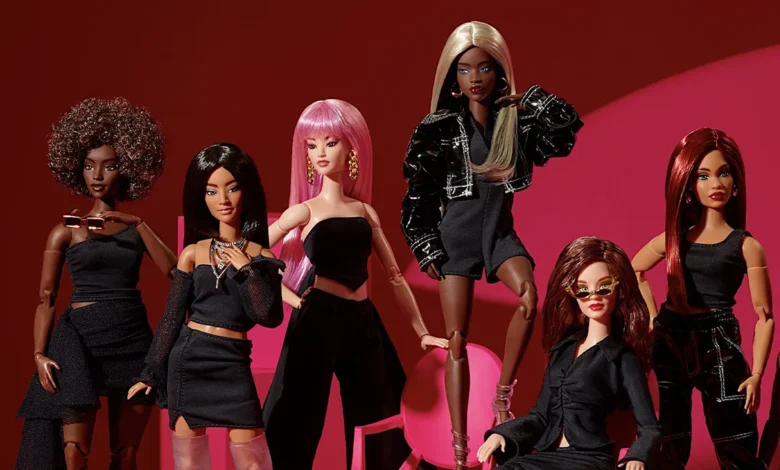
Toy manufacturing giant Mattel is officially bringing its expansive toy box to TikTok Shop, establishing a branded storefront on the fast-growing social commerce platform as part of a broader strategy to capture live commerce revenue and meet modern consumers where they browse. The initial rollout features approximately 20 core products spanning iconic brands such as Barbie, Hot Wheels, Fisher-Price, and Monster High, with plans to rapidly expand the assortment to more than 40 items.
The move marks a significant milestone for the 81-year-old company as it leans into digital-first retail discovery. While Mattel has long maintained a robust social media presence—including a main TikTok channel boasting 124,000 followers, alongside dedicated pages for Barbie (2.5 million followers) and Hot Wheels (1.2 million followers)—the company has historically relied on third-party channels and its own e-commerce site for direct-to-consumer transactions. By launching a centralized storefront on TikTok Shop, Mattel aims to unify its diverse portfolio under a single umbrella, mirroring successful multi-property storefront strategies deployed by competitors like The Disney Store earlier this year.
Targeting the Adult Purchaser and the Rise of Kidulting
Because TikTok’s terms of service require account holders to be at least 13 years old, Mattel’s platform strategy is deliberately structured around adult purchasers rather than young children. Mina Zandbar, Mattel’s Vice President of Global E-Commerce, emphasized that the TikTok Shop initiative is designed for product discovery, parent education, and community engagement.
"Little kids are not going to purchase products for themselves," Zandbar noted, explaining that the primary focus is providing helpful curation and education for parents. Consequently, the initial inventory features items frequently highlighted in organic TikTok content, such as the popular Fisher-Price Soothe ’n Snuggle Otter.
Beyond parents seeking gifts for children, Mattel is targeting a massive, highly engaged demographic of adult collectors. Amid the ongoing consumer trend known as the "kidulting craze"—which has driven surging adult sales across categories like board games, collectible vehicles, and fashion dolls—Mattel’s TikTok Shop will actively cater to adult enthusiasts collecting premium Hot Wheels lines and Monster High dolls.
Bridging TikTok Discovery with Long-Term Brand Loyalty
Mattel views TikTok Shop not as an isolated sales channel, but as a crucial top-of-funnel entry point for consumer acquisition. The company intends to use the platform to answer common buyer queries—such as identifying the best toys for newborns—through dedicated video production, strategic investments in livestreaming, and partnerships with content creators deeply embedded in online toy communities.
The overarching commercial funnel is designed to guide initial buyers from TikTok over to Mattel’s direct-to-consumer website or major retail partners like Amazon, Walmart, and Target as their purchasing needs evolve. Once integrated into the broader ecosystem, customers gain access to Mattel’s full product catalog and can enroll in the company’s recently launched loyalty program, Mattel Rewards.
Introduced to foster deeper consumer relationships, Mattel Rewards allows members to earn and redeem points across tiers based on annual spending. Currently, more than 25% of Mattel’s customer base participates in the program. Zandbar explained that while TikTok Shop excels at top-of-funnel discovery and immediate engagement, the loyalty program and traditional e-commerce channels capture vital first-party data—such as location and average order values—enabling the company to build lasting, multifaceted relationships with its most dedicated consumers.
A Crowded Holiday Landscape on Social Commerce
Mattel’s entry into TikTok Shop coincides with a massive industry-wide rush. Major legacy retailers and consumer brands, including Best Buy, Ulta Beauty, and Sephora, are all debuting their official storefronts on the platform ahead of the critical Black Friday and winter holiday shopping season. According to internal TikTok data, nearly a third of U.S. TikTok users plan to purchase holiday gifts directly through the platform this year.
While launching a complex new sales channel amid the frantic holiday shopping period presents operational challenges, Mattel leadership views the timing as a calculated strategic advantage. Zandbar expressed confidence that the high-volume traffic of the fourth quarter will yield invaluable, high-velocity data regarding consumer behavior and inventory performance.
Financial Health and Leadership Continuity
The digital expansion comes at a time of steady financial performance for the toy giant. In its third-quarter financial results for the period ending September, Mattel reported net sales of $1.807 billion, representing a 4% increase year-over-year on a reported basis. Operating income reached $476 million, up $96 million compared to the prior year. While segments such as action figures, building sets, games, and Hot Wheels posted notable gains, legacy staples like Barbie and Fisher-Price experienced slight volume declines, reinforcing the need for innovative distribution channels like live commerce to reignite growth.
The strategic shift also follows the appointment of a new chief executive officer. Roger Lynch assumed the role of Chairman and Chief Executive Officer in early November, succeeding Ynon Kreiz. Stepping into leadership at the 81-year-old enterprise, Lynch outlined a clear roadmap focused on brand fortification, product innovation, and disciplined capital allocation.
"My first few weeks leading Mattel have reinforced my belief in the company’s potential," Lynch stated in an earnings release. "I also see clearly where we must improve… Our priorities are clear: strengthen our brands and win in toys, drive innovation and creativity, and invest with discipline to drive profitable growth."
Implications for the Retail and Toy Industries
Mattel’s integration into TikTok Shop underscores a broader structural transformation within the traditional toy and entertainment industries. As digital-native generations mature and media consumption habits permanently shift away from linear television toward short-form video platforms, heritage brands must adapt their go-to-market strategies.
By marrying algorithmic discovery with seamless in-app checkout capabilities, Mattel is effectively reducing friction for modern consumers who increasingly discover products via viral video content rather than traditional catalog browsing or brick-and-mortar retail aisles. Furthermore, by dual-tracking its efforts toward both parents of young children and the lucrative adult collector market, Mattel is maximizing the utility of social commerce.
As live commerce continues to mature in Western markets, the success of Mattel’s TikTok Shop deployment—and its ability to seamlessly transition casual social media scrollers into long-term loyalty program members—will likely serve as a blueprint for other legacy consumer goods manufacturers navigating the future of digital retail.