A Symphony of Style and Tradition Inside the Chicago Wedding of Cristina and Jordan at Holy Name Cathedral


In a significant display of modern matrimonial luxury and historical reverence, Cristina and Jordan recently celebrated their nuptials in Chicago, Illinois, centering their ceremony at the iconic Holy Name Cathedral. The event, which drew approximately 300 guests from across the United States, served as a showcase for high-end bridal couture, meticulous event design, and the enduring appeal of traditional religious venues within the contemporary wedding landscape. Managed by the professional planning firm Michigan Avenue Events, the celebration combined the architectural grandeur of one of Chicago’s most famous landmarks with a highly personalized reception that featured bespoke floral installations and live musical performances.
The Foundations of the Union: A Six-Year Chronology
The relationship between Cristina and Jordan began six years prior to their wedding day in their shared hometown. According to the couple, their initial meeting occurred at a local restaurant during a "Thursday Martini Night," a detail that would later influence the timing of their engagement. The encounter was facilitated by family presence; while Cristina was attending the social event with friends, Jordan was dining with his parents and grandparents. In a move that highlights the role of family in their narrative, it was Jordan’s father who encouraged him to approach Cristina. This initial introduction led to a six-year courtship characterized by a blend of local roots and shared social circles.

The engagement occurred just days before Valentine’s Day, maintaining the "Thursday" theme established during their first meeting. To ensure the element of surprise, Jordan coordinated a private event space, transforming it with a curated arrangement of candles, rose petals, and a balloon arch. The atmosphere was further personalized with a fireplace setting and the couple’s favorite music. The proposal was witnessed by both families, reinforcing the communal nature of their relationship. By choosing a Thursday night after a standard workday, Jordan successfully bypassed the expectations of a weekend or holiday proposal, a strategy often recommended by event planners to maintain the authenticity of the surprise.
Architectural and Religious Significance: Holy Name Cathedral
The choice of Holy Name Cathedral for the ceremony provided a backdrop of immense historical and cultural weight. Located in the Near North Side of Chicago, the cathedral is the seat of the Roman Catholic Archdiocese of Chicago and stands as one of the largest Catholic dioceses in the United States. The current Gothic Revival structure, which replaced the original cathedral destroyed in the Great Chicago Fire of 1871, is renowned for its soaring ceilings, intricate wood carvings, and the "Resurrection Crucifix" that hangs above the altar.
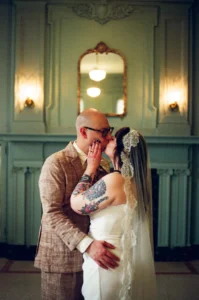
For Cristina, the walk down the aisle accompanied by her father was the emotional centerpiece of the day. The scale of the cathedral, combined with the presence of 300 guests, underscored the magnitude of the occasion. Observers noted the visible emotion from the groom, Jordan, whose reaction upon seeing the bride underscored the personal weight of the traditional ceremony. The use of such a venue reflects a broader trend among luxury weddings where couples seek to balance modern aesthetics with the "gravitas" provided by historic, institutional settings.

High-Fashion Integration: The Galia Lahav "Jules" Gown
A focal point of the wedding’s aesthetic was the bride’s choice of attire. Cristina selected the "Jules" gown from the Galia Lahav Couture "Do Not Disturb" collection. Galia Lahav, an Israeli design house, is recognized globally for its intricate needlework and body-conscious silhouettes, often catering to a high-end clientele seeking "extravagant" bridal looks.
The "Jules" dress is characterized by its blend of classic elegance and modern sensuality. Key features of the garment included:
- The Silhouette: A mermaid-style fit that emphasizes the form while maintaining a sophisticated profile.
- The Train: An elongated, dramatic train that served to complement the vast aisle of Holy Name Cathedral.
- The Back: An open-back design, providing a contemporary edge to the traditional lace fabric.
- Customization: To achieve a "second look" without a full outfit change, the bride worked with designers to create removable custom sleeves. This allowed for a transition from a more modest, sleeved look for the cathedral ceremony to a sleeveless, high-fashion aesthetic for the reception.
Cristina reported trying on approximately 15 dresses before selecting the Galia Lahav piece, a figure that falls well below the industry average for luxury brides, who often visit multiple boutiques over several months. The decision was driven by the gown’s unique combination of floral textures and structural drama.

Event Design and Floral Architecture
The transition from the religious ceremony to the reception was marked by a shift toward contemporary "showstopping" design. Michigan Avenue Events coordinated with Northern Greenhouses to execute a floral concept that emphasized height and texture.
A primary feature of the reception decor was a custom-designed floral and candle installation situated atop a grand piano. This arrangement served as the initial visual touchpoint for guests entering the venue. The design utilized a "cascade" effect, where blooms and greenery appeared to spill over the instrument, integrated with varying heights of candlelight to create depth. This type of "floral architecture" has become increasingly popular in the luxury wedding sector, moving away from traditional centerpieces toward immersive, site-specific installations.
The logistics of the event were significant, as the 300-person guest list included individuals flying in from three major U.S. cities. Managing the hospitality and transportation for a group of this size—including the provision of a classic white Rolls Royce for the couple’s transit—requires a high degree of professional oversight. Michigan Avenue Events acted as the central hub for these logistics, ensuring that the transition between the historic cathedral and the modern reception remained seamless.

The Performance Element: A Modern Reception Trend
The wedding concluded with a high-energy reception that deviated from standard protocols through a live performance by the bride. Cristina joined the professional band on stage, a moment she described as becoming a "rockstar" for the evening.
This inclusion of "performance" by the couple is a growing trend in the 2024-2025 wedding seasons. Industry analysts suggest that as weddings become more focused on "guest experience," couples are looking for ways to provide unique entertainment that goes beyond the traditional first dance. By participating in the musical entertainment, the bride effectively shifted the role of the couple from passive subjects of the celebration to active participants in the evening’s energy.
Economic and Industry Implications
The scale of the Cristina-Jordan wedding offers a snapshot of the current state of the U.S. wedding industry, particularly in major metropolitan markets like Chicago. With a guest count of 300, the event sits well above the national average of 115 to 150 guests. Such "large-scale" weddings contribute significantly to the local economy, benefiting sectors such as:

- Hospitality: Hotel room blocks for guests from three different cities.
- Transportation: Luxury vehicle rentals and guest shuttle services.
- Artisan Labor: High-end floral design, custom tailoring, and professional photography.
The involvement of Kaylea Moreno Photography was crucial in documenting the event. In the modern wedding market, the "visual output" (photos and videos) is often considered as important as the event itself, as these assets serve as the primary mode of sharing the experience with a wider social network and preserving the legacy of the investment.
Retrospective Analysis
Reflecting on the proceedings, the couple indicated a high level of satisfaction with the execution of the day. The only logistical challenge noted was the timing of the honeymoon; the couple departed the day after the wedding, a move they later suggested was "rough" due to the exhaustion following a large-scale celebration. This feedback aligns with a shift in the travel industry where many couples are now opting for "mini-moons" immediately following the wedding, delaying their primary international travel by several weeks or months to allow for recovery.
Ultimately, the wedding of Cristina and Jordan stands as a testament to the viability of the "grand" wedding in the post-pandemic era. By successfully merging the historical requirements of a cathedral ceremony with the high-fashion demands of a modern social event, the couple established a template for luxury celebrations that prioritize both tradition and individual personality. The meticulous planning by Michigan Avenue Events and the artistic contributions of Northern Greenhouses and Galia Lahav ensured that the event met the high standards expected of a premier Chicago wedding.