Navigating the Complex Landscape of Sustainable Leather Alternatives: Unpacking Greenwashing and Highlighting Bio-Based Innovations

The global fashion and accessories industry is undergoing a transformative shift, driven by increasing consumer awareness of environmental and ethical concerns. At the forefront of this evolution is the burgeoning market for leather alternatives, a sector projected to reach a valuation of over $89.6 billion by 2029, according to industry reports from analysts such as Grand View Research. While the demand for non-animal-based materials is clear, the journey towards truly sustainable options is fraught with complexities, particularly concerning widespread "greenwashing" practices. This article aims to demystify the world of vegan and plant-based leathers, differentiating between synthetic, fossil-fuel-derived alternatives and the groundbreaking, often plastic-free, bio-innovations emerging as genuinely sustainable choices in the market.
The Environmental Imperative: Why Move Beyond Traditional Leather?
Conventional leather production has long been scrutinized for its profound environmental and ethical footprint. The livestock industry, a primary source for leather, is a significant contributor to global greenhouse gas emissions, particularly methane, and is a leading driver of deforestation, especially in sensitive ecosystems like the Amazon rainforest, to clear land for cattle grazing. The Food and Agriculture Organization (FAO) of the United Nations estimates that livestock farming is responsible for approximately 14.5% of global anthropogenic greenhouse gas emissions. Beyond the initial impact of animal agriculture, the tanning process itself is notorious for its heavy reliance on toxic chemicals such as chromium, formaldehyde, and lead. These chemicals, if not managed properly, can contaminate water sources, harm ecosystems, and pose severe health risks to workers and surrounding communities. For instance, the World Bank has identified the tanning industry as one of the world’s worst polluters, with wastewater containing high levels of pollutants that are difficult to treat. The sheer volume of water required for both animal rearing and the tanning process further exacerbates its environmental cost, with estimates suggesting thousands of liters of water are needed to produce just one kilogram of finished leather. The ethical considerations regarding animal welfare, from industrial farming practices to slaughter, also weigh heavily on the minds of a growing segment of consumers and brands globally.
The "Greenwashing" Dilemma: Unpacking Synthetic Vegan Leathers
In response to these pervasive concerns, the market saw a rapid surge in "vegan leather" offerings over the past decade. However, the term quickly became a subject of controversy due to widespread greenwashing. Many brands rebranded their traditional "faux leather" or "pleather" – materials predominantly made from synthetic plastics – as eco-friendly and cruelty-free, often without full disclosure of their chemical composition. The primary culprits in this category are polyurethane (PU) and polyvinyl chloride (PVC).
PVC, in particular, is widely regarded by environmental organizations like Greenpeace as one of the most toxic plastics. Its production involves hazardous chemicals, including chlorine, and its lifecycle contributes to the release of dioxins, a known human carcinogen, especially during incineration. Exposure to PVC has been linked to a range of serious health issues, including developmental problems, endocrine disruption, and immune system damage. While PU is often considered a "better" alternative to PVC, requiring fewer chemicals in its production, it still presents significant environmental and health challenges. Its manufacturing can involve isocyanates, which are toxic to workers, and the material itself is primarily derived from fossil fuels, meaning it is not biodegradable and contributes to plastic pollution at its end-of-life. Despite some advancements in incorporating plant-based raw materials into PU production, a significant portion of the market still relies on entirely petroleum-derived inputs, perpetuating the reliance on finite resources and contributing to the plastic waste crisis. The proliferation of these synthetic options under the "vegan" banner has created considerable confusion for consumers genuinely seeking sustainable alternatives.
The Rise of Bio-Based Innovation: A Spectrum of Alternatives
Recognizing the environmental limitations of synthetic vegan leathers, innovators worldwide have pivoted towards developing materials derived from natural, renewable sources, often utilizing agricultural waste products. This new generation of bio-based leathers represents a significant leap forward, offering materials that are not only animal-free but also boast a reduced environmental footprint, in some cases, entirely eliminating fossil fuel-derived plastics. The market for these advanced biomaterials is expanding rapidly, with substantial investment flowing into research and development from venture capitalists and established textile companies. These materials leverage principles of the circular economy, transforming what was once waste into valuable resources, thereby reducing landfill burden and promoting resource efficiency.
Spotlight on Sustainable Alternatives: Pioneering Materials and Their Impact
Here, we explore 16 of the most promising plant-based leather alternatives, examining their composition, production, and environmental benefits. It is crucial for consumers to scrutinize product labels, as many of these innovative materials still incorporate a percentage of synthetic binders, typically polyurethane, for enhanced durability, flexibility, and longevity. However, a select few are leading the charge towards truly plastic-free solutions.

Fruit and Vegetable Waste Innovations (Often Blended with PU):
-
Agave Leather (Desserto): Developed by Adriano Di Marti in Mexico, Desserto agave leather ingeniously repurposes waste from the nation’s tequila industry. By utilizing the fibrous leaves and bagasse (pulp) left over after agave harvesting, this material not only diverts agricultural waste from landfills but also offers a viable, plant-based alternative. The process involves drying and processing the agave fibers, which are then combined with a PU base to create a durable and flexible textile. This innovative approach represents a significant step towards circularity in agricultural production, valorizing a waste stream. (Not plastic-free)
-
AppleSkin (Vegatex): Vegatex produces AppleSkin leather from the pomace – the seeds, stalks, and skins – leftover from the beverage industry’s apple juice and cider production. Traditionally discarded, this waste is dried and ground into a fine powder, then combined with polyurethane and coated onto a cotton and polyester canvas. The resulting material typically features a 50:50 apple-to-PU blend, offering a significant reduction in virgin plastic content while utilizing a readily available waste stream from the food processing sector. (Not plastic-free)
-
Banana Leather (Banofi): Banofi harnesses the often-overlooked waste from banana crops, such as stems and leaves, sourced from smallholder farmers primarily in regions like India. This provides a crucial additional income stream for these communities and prevents the burning of agricultural waste, which contributes to air pollution. Fibers are extracted from this waste, blended with natural and synthetic additives, and then coated onto a fabric backing. The innovative approach addresses both environmental and socio-economic challenges in agricultural supply chains. (Not plastic-free)
-
Cactus Leather (Desserto): Also from Adriano Di Marti, Desserto cactus leather is made from the leaves of the nopal prickly pear cactus. This hardy plant is celebrated for its minimal water requirements, thriving in arid conditions without extensive irrigation, making it a highly resource-efficient crop compared to water-intensive alternatives. Mature leaves are harvested, sun-dried, and then processed into a durable material, typically with a PU component to achieve desired performance characteristics suitable for fashion and automotive applications. (Not plastic-free)
-
Coffee Leather (Culthread): Addressing the immense global volume of coffee waste, estimated at billions of kilograms annually, Culthread has pioneered coffee leather. This innovative material incorporates 30% recycled coffee grounds, alongside 70% recycled water bottles, which are then coated with PU to provide strength and durability. This dual-waste utilization approach reduces landfill burden from both organic and plastic waste, showcasing a creative solution to industrial by-products. (Not plastic-free)
-
Corn Leather: Corn leather leverages the dextrose (a simple sugar) extracted from harvested and fermented corn. This dextrose is then used to create a bioplastic polymer, which forms the basis for the faux leather. While derived from a plant, the resulting bioplastic often requires further processing and may still be combined with traditional PU coatings for performance, thus not always being entirely plastic-free in its final form. Its sustainability profile depends heavily on the specific bioplastic formulation and the responsible sourcing of the corn to avoid competition with food crops. (Not plastic-free)
-
Grape Leather (Vegea): Vegea utilizes the significant grape pomace – including skins, stalks, and seeds – left over from the Italian winemaking industry. This waste is processed into a pulp and transformed into a leather-like material through a process that incorporates bio-based plastics, aiming to reduce reliance on purely fossil-fuel derivatives. This material offers a valuable second life for a plentiful agricultural by-product, promoting a circular economy within the wine sector and reducing organic waste. (Not plastic-free)
-
LemonSkin (Vegatex): Similar in concept to AppleSkin, LemonSkin is produced by Vegatex from the by-products of the lemon beverage industry. Lemon waste is powdered and mixed with PU, then coated onto a lyocell or recycled polyester backing. This method effectively upcycles citrus waste, diverting it from landfills and reducing the environmental impact associated with its disposal, particularly in regions with large citrus processing industries. (Not plastic-free)
-
Mango Leather (Fruitleather): Dutch company Fruitleather transforms unsellable waste mangoes, often discarded due to minor blemishes or oversupply, into a versatile leather alternative. The mangoes are pulped, natural additives are introduced for preservation, and the mixture is thinly spread, dehydrated, and bound onto organic cotton. A final PU coating ensures durability and flexibility. This addresses food waste at a significant scale, turning discarded produce into high-value material for footwear, fashion accessories, and upholstery. (Not plastic-free)
-
Pineapple Leather (Piñatex): Developed by Ananas Anam, Piñatex is derived from the long, fibrous leaves of pineapple plants, which are typically discarded as waste after fruit harvesting. By providing an additional income stream for pineapple cultivators in countries like the Philippines, Piñatex creates a durable and flexible vegan alternative. The leaves are processed to extract cellulose fibers, which are then often combined with a PLA (polylactic acid) binder and coated with a PU-based resin for performance. This innovative use of agricultural waste has gained significant traction in the fashion industry, being adopted by various brands. (Not plastic-free)
-
Teak Leaf Leather: This material is crafted from fallen or sustainably harvested teak leaves, predominantly in regions where teak wood is cultivated. These naturally large leaves – growing as much as 45 cm long and 20 cm wide – are dried, dyed, and then bonded with a fabric backing. A thin PU-based laminate is applied for enhanced durability and weather resistance, making it suitable for bags and small accessories. While utilizing natural leaf waste, the reliance on a PU laminate means it is not entirely plastic-free, but it offers a unique aesthetic and sustainable sourcing. (Not plastic-free)
Fungi and Other Bio-Polymers (Varying Plastic Content):
-
Kombucha Leather: A truly unique alternative, kombucha leather is grown from the SCOBY (symbiotic culture of bacteria and yeast) byproduct of fermented tea. As the SCOBY feeds on sugars, it thickens, and when dried, it can be molded into a leather-like material. While research and development are ongoing, and its widespread commercial adoption is still nascent, it represents a fascinating avenue for biodegradable materials. Current challenges include achieving consistent durability and water resistance without synthetic treatments, which often still involve some form of plastic-based coating for commercial applications. (Often not plastic-free in final commercial products due to coatings)
-
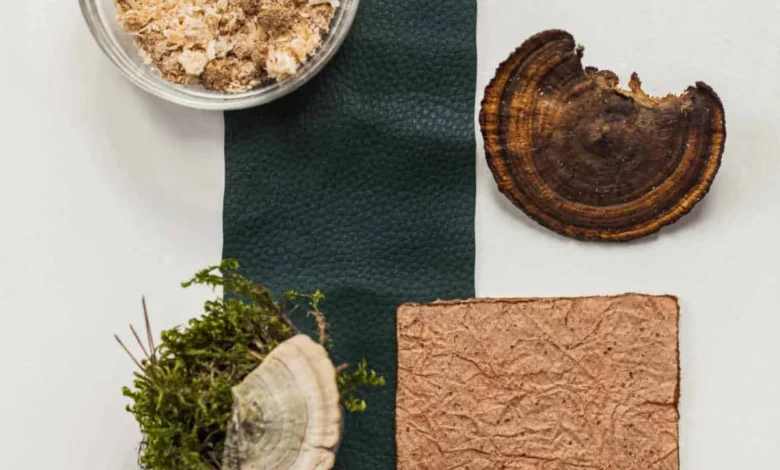
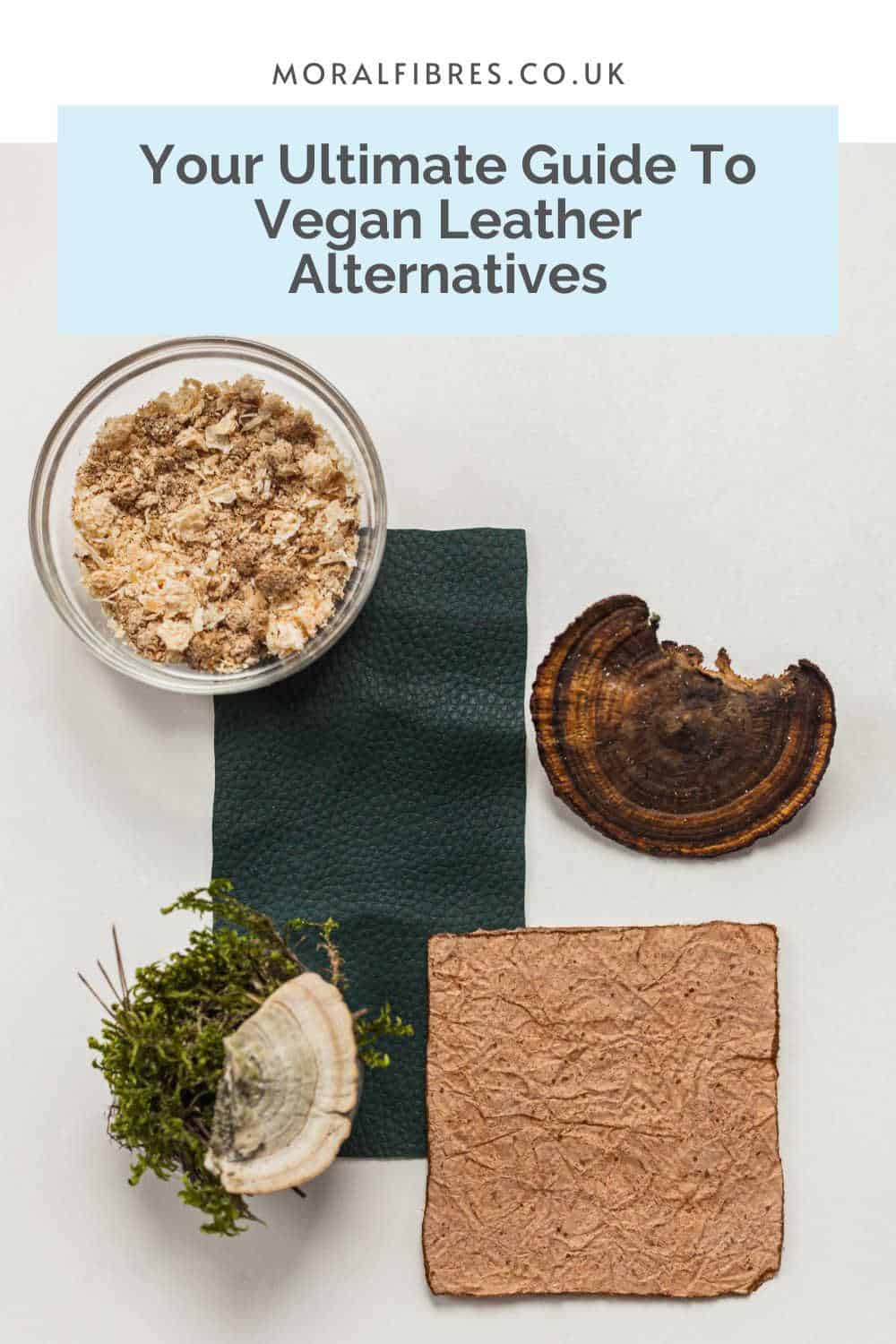
Mushroom Leather (MuSkin, Mylo, etc.): Mushroom leather, exemplified by MuSkin from Italian company Grado Zero Espace, is made from the mycelium (the root structure) of fungi, specifically Phellinus ellipsoideus. MuSkin is notable for being entirely plastic-free, treated using natural processes, and fully biodegradable. However, the term "mushroom leather" encompasses a range of products from various developers. Brands like Mylo (developed by Bolt Threads) also utilize mycelium but may incorporate bio-based PU coatings for enhanced performance and longevity. Consumers must verify the specific composition to ensure plastic-free status, as the technology continues to evolve. (Tends to be plastic-free, but check individual products)
Traditional Plant-Based & Fermented Materials (Often Plastic-Free):
-
Coconut Leather (Malai): Developed by Malai Biomaterials, coconut leather defies expectations by being made not from coconut flesh, but from fermented coconut water, a significant waste product from coconut processing plants in Southern India. This innovative process yields a flexible, durable, and water-resistant material that, crucially, often does not require plastic coatings for its performance. This makes Malai a promising contender for truly plastic-free vegan leather, leveraging a readily available and often discarded resource from the coconut industry in a closed-loop system. (Tends to be plastic-free, but check individual products)
-
Cork Leather: Cork is an exceptionally sustainable material, harvested from the bark of cork oak trees (Quercus suber) without harming the tree itself. The bark regenerates, and the trees continue to absorb CO2 for decades after harvesting, contributing to biodiversity. The bark is boiled, flattened, and pressed into flexible sheets. While the cork itself is naturally plastic-free, the sustainability of cork products depends critically on the backing material used to prevent breakage and provide structural integrity. While some manufacturers use cotton, many opt for polyester or PU for cost and efficiency. For the lowest environmental impact and guaranteed vegan status, consumers should seek cork products explicitly lined with 100% cotton, ensuring no animal products or synthetic plastics are used in the backing. (Tends to be plastic-free, but check individual products for backing material)
-
Tomato Leather (Bioleather): Indian company Bioleather has innovated a sustainable leather alternative from tomato plant waste, utilizing by-products from the food processing industry. By extracting cellulose fibers from discarded tomato plants, they create a material that, according to Bioleather, eliminates the need for a polyurethane layer due to its unique two-layer construction. This commitment to plastic-free design earned them the Best Innovation in Textile award at the PETA Vegan Fashion Awards in 2021, highlighting its significant potential as a genuinely eco-friendly option that addresses agricultural waste and plastic pollution simultaneously. (Tends to be plastic-free, but check individual products)
Plastic-Free Pioneers: Leading the Way Towards True Sustainability
The distinction between bio-based materials that still rely on synthetic polymers and those that are entirely plastic-free is critical for consumers and the industry striving for genuine sustainability. Materials like MuSkin (mushroom