A Comprehensive Review: Personally Testing 11 Natural and Organic Laundry Detergents for Efficacy, Ease of Use, and Skin Sensitivity

The growing consumer demand for healthier, environmentally conscious household products has led to a surge in natural and organic alternatives, particularly in the realm of laundry care. With conventional detergents often containing a cocktail of harsh chemicals known to irritate sensitive skin and harm the environment, a rigorous evaluation of non-toxic options has become paramount. The Good Trade, a publication dedicated to sustainable living, recently undertook an extensive, hands-on assessment of 11 leading natural and organic laundry detergents to ascertain their real-world performance in terms of cleaning power, user-friendliness, and non-irritating properties.
The Imperative for Natural Laundry Care
For many, the transition to natural laundry detergents is driven by personal health concerns. Brianna Schubert, a contributing editor at The Good Trade and the lead tester for this review, has battled sensitive skin since childhood, experiencing itchiness, dryness, and discomfort from conventional "Free & Clear" formulas. This personal experience underscores a broader public health issue: the widespread use of potentially harmful ingredients in everyday cleaning products.
Conventional laundry detergents are frequently formulated with chemicals such that consumers may not be fully aware of their potential impact. Volatile Organic Compounds (VOCs), for instance, can off-gas into the air during and after washing, contributing to indoor air pollution and potentially triggering respiratory issues or headaches. A 2011 study by the University of Washington highlighted that scented laundry products, including those labeled "green," emitted a variety of VOCs, some classified as hazardous air pollutants. Sodium Lauryl Sulfate (SLS), a common surfactant, is known for its foaming properties but can be a skin irritant, leading to dryness or allergic reactions, particularly in individuals with predisposed sensitivities. Optical brighteners, designed to make clothes appear whiter or brighter by converting UV light into visible blue light, do not actually clean clothes but merely mask dinginess, and their residues can persist on fabrics, irritating skin and potentially contaminating waterways. Furthermore, synthetic dyes, artificial fragrances, and preservatives like formaldehyde releasers are routinely found in traditional detergents, all of which are linked to skin sensitivities and allergic contact dermatitis. The Centers for Disease Control and Prevention (CDC) has noted formaldehyde as a known human carcinogen, and its presence, even as a releaser, raises significant health concerns.
The environmental footprint of conventional detergents is equally concerning. Many chemicals, such as phosphates, historically contributed to eutrophication in water bodies, leading to algal blooms that deplete oxygen and harm aquatic life, though their use has been largely restricted in many regions. However, other ingredients still pose risks. The sheer volume of plastic packaging used annually by the detergent industry adds significantly to landfill waste and ocean pollution, contributing to the global microplastics crisis. A report by the Environmental Protection Agency (EPA) emphasizes the need for sustainable product design to mitigate these impacts. In response to these pressing issues, the market for natural and organic cleaning products has seen robust growth, with market research firms like Grand View Research reporting a consistent upward trend in the green cleaning products segment, driven by increasing consumer awareness and preference for eco-friendly solutions. This shift reflects a broader societal movement towards conscious consumption, where product transparency and ingredient safety are prioritized.
Defining "Nontoxic": Certifications and Key Ingredients
Navigating the landscape of "nontoxic" products can be challenging due to marketing jargon and a lack of standardized definitions. To cut through the noise, consumers should prioritize third-party certifications that provide independent verification of a product’s safety and environmental profile. The Good Trade emphasizes looking for seals from reputable organizations, which indicate that a product has undergone rigorous evaluation for its chemical composition and environmental impact:
- EPA Safer Choice: This label identifies products with safer chemical ingredients, without sacrificing quality or performance. Products with this label must meet strict human health and environmental criteria.
- EWG Verified: Administered by the Environmental Working Group, this certification ensures products meet the organization’s strict health standards, are free from chemicals of concern (e.g., carcinogens, mutagens, reproductive toxins), and provide full ingredient transparency.
- MADE SAFE: This seal certifies products made with ingredients not known to harm human health, animals, or ecosystems. It involves a comprehensive screening process of ingredients against a list of known harmful chemicals.
- USDA Certified Biobased: This program verifies products composed wholly or significantly of biological products or renewable domestic agricultural materials, emphasizing a reduction in reliance on petroleum-based ingredients.
Beyond certifications, understanding ingredient lists is crucial for informed consumer choices. Desirable components in natural detergents typically include:
- Plant-based surfactants: Often derived from renewable resources like coconut or corn, these effectively break down dirt and grease without the harshness associated with petroleum-derived alternatives.
- Biodegradable enzymes: Naturally occurring proteins that target and break down specific types of stains (e.g., proteases for protein stains, amylases for starches, lipases for fats), offering powerful cleaning action without harsh chemicals.
- Mineral-based stain fighters: Natural minerals that aid in stain removal and brightening, often used as safe alternatives to optical brighteners or chlorine bleach.
Conversely, ingredients to actively avoid, due to their potential health and environmental risks, include phosphates, chlorine bleach, phthalates (often hidden in "fragrance" labels), formaldehyde-releasing preservatives, optical brighteners, synthetic dyes, and harsh synthetic fragrances. The good news for consumers is that advancements in green chemistry and formulation techniques mean today’s nontoxic detergents are highly capable of tackling a wide array of laundry challenges, from everyday grime to stubborn stains, without the reliance on these unnecessary and potentially harmful chemicals. This evolution reflects a maturity in the sustainable cleaning market, offering effective solutions that align with both personal well-being and ecological responsibility.
Rigorous Testing Methodology and Criteria
The Good Trade’s editors meticulously selected 11 natural laundry detergents, which were then subjected to a comprehensive testing protocol by Brianna Schubert. The methodology was designed to assess practical performance across several critical parameters relevant to the modern eco-conscious consumer:
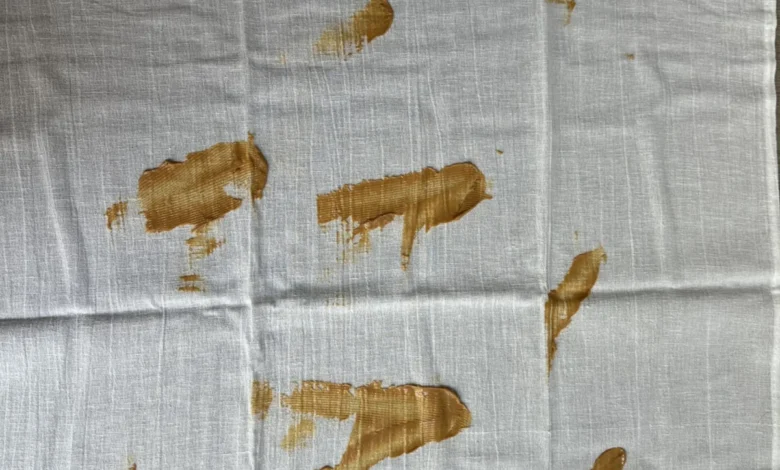
- Stain Removal Efficacy: To objectively evaluate cleaning power, a consistent "peanut butter smudge test" was applied. Peanut butter was smeared onto white tea towels, creating a standardized challenge for each detergent. These stained towels were then washed with each product. All washes were conducted on medium heat, adhering strictly to the specific detergent amount recommended by each brand for a small to medium load. The primary metric was the complete removal of the peanut butter stain, leaving no visible residue or discoloration.
- Sensory Experience: Beyond visual cleanliness, the sensory aspects were thoroughly assessed. The reviewer noted the smell of the towels immediately after washing and drying. For scented detergents, the pleasantness, authenticity, and longevity of the fragrance were evaluated. For fragrance-free options, the complete absence of any residual odor—chemical or otherwise—was a key indicator of success, affirming their suitability for individuals with fragrance sensitivities.
- Fabric Feel and Skin Irritation: A crucial aspect for individuals with sensitive skin, the reviewer personally washed her own clothes with each detergent and wore them for a full day. This allowed for a direct, personal evaluation of how the detergents affected fabric softness and, critically, whether they caused any itching, dryness, redness, or discomfort during prolonged skin contact. This real-world wear test provided invaluable insights into the hypoallergenic claims of the products.
The Good Trade regularly updates its recommendations, ensuring that only emerging favorites meeting stringent criteria for natural, nontoxic ingredients, demonstrated cleaning power, fresh scents (where applicable), and proven non-irritating properties are included. The visual evidence from the testing—captured through photographs of stained towels pre-wash and pristine towels post-wash—underscored the effectiveness of these natural alternatives, validating the claims of these eco-friendly brands.
Spotlight on Top-Performing Natural Laundry Detergents
The extensive testing revealed a diverse range of high-performing natural laundry detergents, each with unique strengths tailored to different consumer needs and preferences, from plastic-free innovations to sophisticated fragrance profiles.
1. Blueland: The Plastic-Free Innovator
- Key Features: Blueland offers plant- and mineral-based laundry tablets in plastic-free, compostable packaging. Their "Forever Tin" starter set provides a stylish, reusable container for the tablets, significantly reducing plastic waste. The tablets are dye-free, compatible with all washers (including HE), hypoallergenic, and boast Cradle to Cradle certification, indicating a commitment to circular economy principles across five categories of sustainability performance. As a Certified B Corp and Climate Neutral company, Blueland actively minimizes its environmental footprint.
- Reviewer Experience: Brianna Schubert tested the fragrance-free laundry tablets. She highlighted their exceptional ease of use and mess-free application, requiring only one tablet per load. The peanut butter stain was entirely eradicated, leaving no residue. Both the tea towel and her clothes felt remarkably clean and soft, confirming the promised neutral, fragrance-free result.
- Brand Philosophy: Co-founded by Sarah Paiji Yoo, who was inspired by the discovery of microplastics in our water supply after becoming a mother, Blueland is dedicated to creating effective cleaning products that do not contribute to plastic pollution.
2. Dedcool: The Fragrance Connoisseur’s Choice
- Key Features: Dedcool distinguishes itself as a "functional fragrance brand," extending its signature scents into nontoxic, biodegradable laundry detergents. Packaged in elegant, recyclable aluminum bottles with minimalist designs, these detergents are available in genderless scents such as Milk (amber, bergamot, white musk), Taunt (bergamot, vanilla, amber), and Spring (incense, moss, bergamot). They are suitable for both machine and hand-washing. Dedcool is carbon neutral through offsets with Terrapass and contributes a portion of its proceeds to 1% for the Planet.
- Reviewer Experience: Schubert used the Milk scent, pouring approximately 1 oz. for a small load. While noting the lack of a built-in measuring cap as a minor inconvenience, she found the cleaning power excellent, with the towel emerging spotless. The fragrance was a significant highlight, described as "absolutely divine" and long-lasting on the washed shirt, akin to a high-end perfume.
- Brand Philosophy: Dedcool aims to integrate sophisticated, ethically sourced fragrances into daily life, offering a luxurious and environmentally conscious approach to personal and home care.
3. Dropps: Convenience Meets Eco-Friendliness
- Key Features: Dropps provides easy-to-use laundry pods that are USDA Certified Biobased, dye-free, phthalates-free, and packaged in recyclable FSC-certified materials. Their concentrated formulas are designed to remove odors, fight stains, and work effectively in all water temperatures and HE washers. Dropps is a Certified B Corp and offers carbon-neutral shipping, underscoring its commitment to sustainability and minimal water usage.
- Reviewer Experience: The Crisp Breeze scent pods were tested. Schubert praised their straightforward application—one pod per small load—and their successful removal of the peanut butter stain. The laundry felt "clean and crisp" to the touch, and the scent was fresh but not overpowering, proving comfortable for sensitive skin.
- Brand Philosophy: Dropps focuses on simplifying eco-friendly laundry routines through pre-portioned pods, emphasizing convenience without compromising on environmental responsibility or cleaning efficacy.
4. Puracy: Tailored for Sensitive Skin
- Key Features: Puracy’s natural laundry detergent is formulated with over 99% natural ingredients, including natural fragrances for its scented options. Its highly concentrated formula comes in a space-saving pump bottle, with refill pouches available to minimize single-use plastic. Developed by doctors for individuals with sensitive skin and allergies, it is hypoallergenic and free from common irritants like sulfates, phosphates, dyes, and optical brighteners. Options include Free & Clear and Fresh Linen.
- Reviewer Experience: The Free & Clear laundry detergent was used for the test. One pump effectively removed the peanut butter stain, leaving the towel feeling thoroughly clean. True to its claim, the formula left no discernible scent on either the towel or the reviewer’s clothes, which was ideal for sensitive users. The compact pump bottle was noted as a practical feature for small spaces.
- Brand Philosophy: Puracy prioritizes health-conscious formulations, creating products specifically designed to minimize allergic reactions and skin irritation, reflecting a commitment to family well-being and environmental stewardship.
5. Branch Basics: The Multi-Purpose Solution
- Key Features: Branch Basics stands out with its versatile "The Concentrate"—a multi-purpose cleaning solution that can be mixed in various dilutions to create everything from laundry detergent to carpet cleaner. This plant- and mineral-based formula is MADE SAFE certified, fragrance-free, biodegradable, and includes organic chamomile and natural water softeners. It is compatible with all washers, including HE. The brand offers a reusable glass bottle option for mixing.
- Reviewer Experience: Schubert mixed the concentrate in the provided glass laundry bottle, appreciating the easy-to-follow measurement lines. Half a capful effectively removed the peanut butter stains. Although a faint peanut butter smell was initially