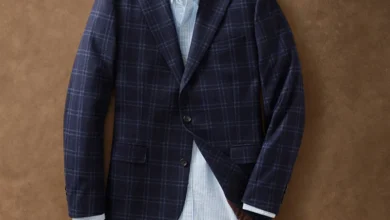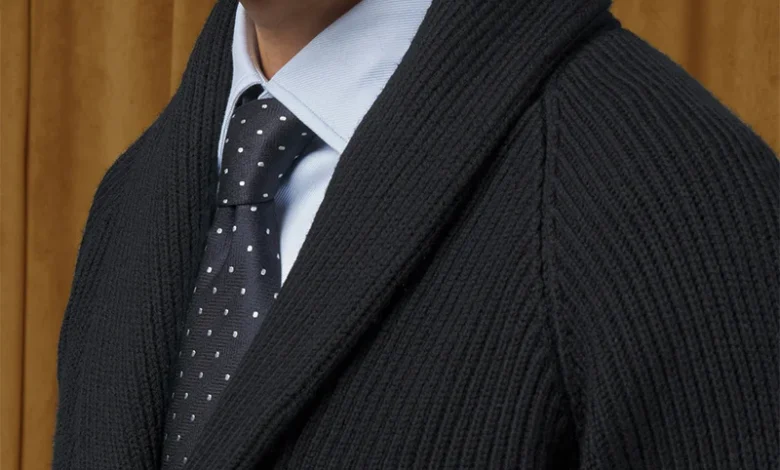
As the temperatures begin their seasonal descent, the perennial debate regarding functional, high-quality knitwear has returned to the forefront of the menswear industry. Spier & Mackay, the Canadian-based clothier known for its direct-to-consumer value proposition, has officially restocked its signature Chunky Merino Shawl Collar Cardigan for the fall and winter seasons. This release represents a significant moment for enthusiasts of heritage-inspired garments, as the item has historically functioned as a benchmark for accessible luxury within the heavy-gauge knitwear segment.
The current iteration of the garment arrives at a time of notable volatility in the global wool market. While the retail price point for this year’s release has seen a upward adjustment compared to previous seasons, the garment retains its core construction specifications: 100% Australian Merino wool rendered in a heavy-gauge, dense knit. This structural integrity—often described by enthusiasts as "built like a brick outhouse"—is a result of a specific double-knit collar construction designed to provide both thermal insulation and a structured drape around the neck and shoulders.
Chronology of the Chunky Cardigan
The history of the shawl collar cardigan traces its lineage to early 20th-century athletic wear, specifically the "letterman" or "varsity" sweaters popularized by collegiate sports teams in the United States. Over the decades, the silhouette evolved from a functional piece of athletic gear into a cornerstone of mid-century civilian wardrobe, favored for its versatility as both outerwear and layering pieces.
Spier & Mackay entered the market with its own interpretation of this classic piece several years ago, aiming to bridge the gap between mass-market affordability and the high-cost luxury alternatives produced by heritage mills in Scotland or Italy. Since its introduction, the item has followed a predictable lifecycle: a seasonal launch in late autumn, high consumer demand during the peak winter months, and subsequent depletion of core sizes and popular colorways by mid-January. The 2026 restock continues this tradition, with the company opting to maintain its established design language rather than pivoting toward contemporary trends.
Material Science and Manufacturing Specifications
The primary draw of the Spier & Mackay cardigan remains its composition. Merino wool, sourced from Australia, is widely regarded as the gold standard for luxury knitwear due to its fiber fineness, typically measured in microns. Finer fibers—those with a smaller diameter—result in a softer hand-feel and superior thermal regulation.
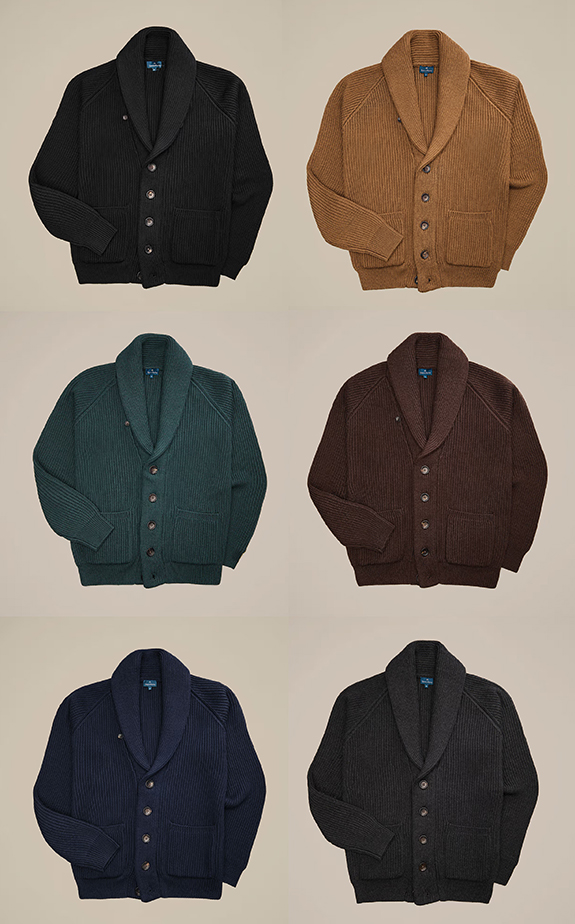
In the case of this specific chunky knit, the manufacturer utilizes a heavier gauge yarn than standard sweaters. This increased density contributes to the garment’s weight, which provides a physical "heft" that many consumers associate with durability. The double-knit collar is a specialized design feature that requires more material and more complex assembly than a single-knit version. By doubling the fabric in the collar area, the designers ensure that the piece maintains its shape over time, preventing the "sagging" or "stretching" that is common in cheaper knitwear.
From a manufacturing perspective, the decision to continue producing this item reflects a commitment to a "slow fashion" model. By focusing on a staple piece that does not rely on ephemeral fashion cycles, the brand can optimize its supply chain and maintain consistent production standards. However, this model is also susceptible to the rising costs of raw wool and shipping logistics, which accounts for the price adjustments noted by long-term customers.
Market Context and Consumer Trends
The current retail landscape for knitwear has been significantly influenced by shifting consumer priorities. Over the past five years, there has been a measurable pivot toward "investment dressing"—the practice of purchasing higher-quality garments that are intended to last for a decade or more, rather than participating in the fast-fashion cycle.
Data from apparel industry analysts suggests that demand for natural fibers, particularly wool and cashmere, has remained resilient despite inflationary pressures. Consumers appear increasingly willing to pay a premium for transparency in sourcing and construction methods. The longevity of the Spier & Mackay cardigan, which has been reported to hold its shape and fiber integrity over years of regular use, positions it as a practical, albeit high-entry-cost, purchase.
Market analysts point to several factors that currently impact the pricing of such items:
- Raw Material Costs: Fluctuations in the Australian wool auction prices have direct implications for the final price of luxury knitwear.
- Manufacturing Labor: The increased complexity of knitting a heavy-gauge cardigan requires skilled labor and more machine time compared to standard knitwear, driving up labor costs in manufacturing hubs.
- Logistics: While shipping costs have stabilized since the pandemic-era peaks, international freight remains a significant component of the final retail price for direct-to-consumer brands that operate out of overseas factories.
Professional Analysis of Impact and Implications
The reintroduction of the chunky shawl collar cardigan serves as a bellwether for the "smart casual" trend that continues to dominate office and social environments. As workplace dress codes have trended toward the informal, the shawl collar cardigan has emerged as a preferred alternative to the traditional sport coat. It offers a similar level of visual weight and "presence" while providing significantly more comfort and ease of movement.
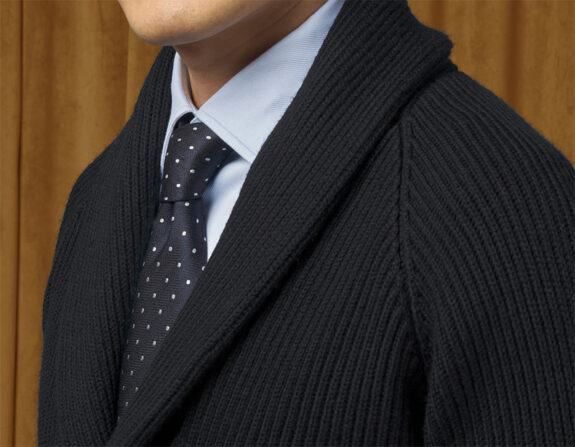
From a sustainability standpoint, the durability of this garment is its most vital attribute. In a market often criticized for its environmental footprint, the shift toward garments that do not require frequent replacement is a positive development. A well-maintained Merino wool sweater, if stored and cleaned correctly, can remain a staple in a wardrobe for upwards of a decade. The fact that this specific product line remains a perennial favorite suggests that consumers are increasingly prioritizing long-term value over short-term savings.
Future Outlook for the Category
As the winter season progresses, the availability of these garments will be the primary metric for their ongoing success. Common sizing (typically Medium and Large) and popular colorways (such as navy, charcoal, and forest green) are historically the first to sell out.
Looking forward, the success of such staples poses a question for the broader industry: will brands continue to lean into these heritage designs, or will they attempt to modernize the silhouette? For now, the consumer appetite appears to be firmly rooted in the classics. The return of the Spier & Mackay chunky cardigan confirms that in an era of rapid digital change and aesthetic instability, there remains a substantial market for items that are defined by their substance, material quality, and adherence to established design principles.
For the consumer, the implication is clear: the market for high-quality knitwear remains competitive, and the window for securing such pieces remains limited by seasonal production cycles. As inventory levels for this season reach their peak, the focus shifts from the product launch to the broader, ongoing narrative of quality, sustainability, and the enduring value of well-constructed clothing.
Related posts: