Paris Gears Up for Dynamic Spring 2027 Menswear Week with 74 Brands and Key Debuts

Paris is poised to become the epicenter of global menswear from June 23 to June 28, as the Fédération de la Haute Couture et de la Mode (FHCM) unveils a robust provisional calendar featuring 74 brands set to showcase their Spring 2027 collections. This highly anticipated week promises a blend of established fashion titans, exciting returns, and significant debuts, reaffirming Paris’s unyielding dominance as the world’s foremost fashion capital. With 36 meticulously curated runway shows and 38 intimate presentations, the upcoming Men’s Fashion Week is expected to draw an international confluence of designers, buyers, media, and enthusiasts, all eager to witness the trends that will define the seasons ahead.
The Enduring Allure of Paris Menswear: A Historical and Economic Context
Paris has long been synonymous with haute couture and high fashion, but its stature in menswear has grown exponentially over the past few decades, evolving into a distinct and powerful segment of the global luxury market. Historically, menswear shows often played a secondary role to women’s ready-to-wear and couture. However, this dynamic has profoundly shifted, driven by a burgeoning male consumer base increasingly invested in personal style, the rise of streetwear influences, and the strategic expansion efforts of luxury conglomerates.
The global menswear market, valued at approximately $490 billion in 2023, is projected to continue its robust growth trajectory, fueled by demographic shifts, increasing disposable incomes, and the pervasive influence of social media and celebrity culture. Paris Men’s Fashion Week is not merely a showcase of garments; it is a critical economic engine, generating significant revenue for the city through tourism, hospitality, and retail. Industry reports often highlight the millions of euros injected into the Parisian economy during these events, with hotels, restaurants, and transportation services experiencing peak demand. Beyond the financial impact, the week solidifies Paris’s cultural soft power, positioning it as a crucible for artistic innovation and a global trendsetter.
The FHCM, the governing body responsible for organizing Paris Fashion Weeks, plays a pivotal role in maintaining the city’s prestigious status. By meticulously crafting a calendar that balances tradition with avant-garde, it ensures that Paris remains a vibrant, diverse, and relevant platform for designers from across the globe. The federation’s rigorous standards for participation and its commitment to nurturing both established houses and emerging talent contribute significantly to the high caliber and global appeal of the event.
A Packed Provisional Calendar: Structure and Significance
The Spring 2027 menswear calendar, while broadly adhering to its traditional configuration, showcases a dynamic interplay of continuity and change. The week is slated to commence on Tuesday, June 23, with the Bachelor of Arts showcase of the Institut Français de la Mode (IFM) at 2:30 p.m. This opening slot is strategically significant, highlighting the FHCM’s commitment to fostering new talent and providing a prestigious platform for the next generation of designers emerging from one of France’s most esteemed fashion institutions. The IFM show often provides a glimpse into the raw creativity and directional thinking that will permeate the rest of the week, setting an innovative tone from the outset.
The 74 brands participating reflect a broad spectrum of design philosophies and market segments, from luxury giants to independent labels. The division into 36 runway shows and 38 presentations underscores the evolving preferences for showcasing collections. While runway shows offer grand spectacles and theatrical experiences, presentations allow for more intimate interactions, detailed garment examination, and often a deeper dive into the designer’s narrative and craftsmanship. This dual format caters to diverse brand strategies and audience engagement preferences, ensuring a comprehensive and engaging experience for all attendees.
Titans and Trailblazers: Marquee Brands and Their Strategic Moves
The consistent presence of cornerstone brands like Louis Vuitton, Dior, Junya Watanabe, Comme des Garçons, and Yohji Yamamoto in their usual slots is a testament to their enduring influence and market power. These houses not only command significant media attention but also often dictate macro trends that ripple through the entire industry. Louis Vuitton and Dior, as flagships of their respective luxury conglomerates, frequently set the bar for production value, celebrity attendance, and global impact, making their shows among the most anticipated events of the week. Their commitment to Paris underscores the city’s irreplaceable role in the luxury fashion ecosystem.
One notable shift on the calendar involves Hermès, which will swap its traditional runway format for a presentation. This decision comes ahead of Grace Wales Bonner’s highly anticipated debut as creative director of Hermès menswear in January 2027. This strategic move could be interpreted as a deliberate pause, allowing the brand to consolidate its vision and build anticipation for Bonner’s inaugural collection. It also reflects a broader industry trend where even established luxury houses are experimenting with presentation formats to convey their brand narrative more precisely and intimately, sometimes opting for a more curated experience over the grand spectacle of a runway. Such decisions are often indicative of a transitional phase within a brand, signaling a thoughtful recalibration of its creative direction and market positioning.
High-Profile Returns and Anticipated Debuts
The Spring 2027 calendar is particularly enriched by several high-profile returns and significant debuts, promising to infuse the week with fresh energy and renewed excitement. Saint Laurent’s return to the Paris calendar on the first day at 5 p.m. is a major highlight. The brand, under its current creative direction, has cultivated a distinctive aesthetic that resonates deeply with contemporary luxury consumers. Its re-entry is expected to be a significant draw, underscoring its commitment to the Paris schedule and offering a powerful statement piece early in the week. Saint Laurent’s shows are typically known for their impactful settings and sharp tailoring, and its presence will undoubtedly be a magnet for attention.
Another keenly awaited event is the first Celine men’s show under the tenure of Michael Rider, scheduled for 12 p.m. on the last day. Following Hedi Slimane’s impactful but often polarizing era, Rider’s appointment signals a new chapter for Celine menswear. The industry will be watching closely to see how Rider interprets the brand’s codes and shapes its future direction, especially given Celine’s strong association with a distinct, minimalist-rock aesthetic under its previous leadership. This debut is not just a collection unveiling; it is a critical moment for the brand’s repositioning and market reception.
Furthermore, Sarah Burton, in her new role, will present her first Givenchy menswear designs, albeit as a presentation on June 25. Having spent decades as Alexander McQueen’s right hand and then leading the brand to critical and commercial success, Burton’s move to Givenchy has been one of the most talked-about appointments in recent memory. Her menswear presentation will offer the first tangible glimpse into her vision for the historic French house, known for its blend of elegance and edgy sophistication. Given her proven ability to craft powerful narratives and stunning garments, her interpretation of Givenchy menswear is expected to be a significant talking point. The choice of a presentation format might allow for a more focused introduction to her aesthetic, enabling a closer examination of the details and craftsmanship that define her work.
Shifts and Strategic Absences
In a notable departure from recent seasons, Kidsuper, the vibrant and unconventional label, will close the week with its 5 p.m. show on Sunday. This shift is primarily due to the absence of Jacquemus from the schedule this season. Jacquemus, known for its spectacular, often viral shows in picturesque locations outside the traditional calendar, has not yet shared its plans for Spring 2027. This decision, while perhaps disappointing to some, is emblematic of a growing trend where some brands opt for off-calendar events or unique activations to maintain creative control and maximize their impact, rather than adhering strictly to the conventional fashion week format. For Kidsuper, this elevated closing slot is a significant recognition of its growing influence and unique voice within the menswear landscape.
Similarly, Loewe will not be showing its menswear during the week, with the house confirming its intention to maintain a co-ed format, as it did in March. This decision aligns with a broader industry conversation about the sustainability and relevance of separate men’s and women’s fashion weeks. For Loewe, a brand celebrated for its innovative and often gender-fluid designs under Jonathan Anderson, a co-ed show allows for a more holistic presentation of its creative vision, blurring traditional boundaries and reflecting contemporary attitudes towards fashion and identity.
Other notable absences include Walter van Beirendonck, who will stage a special show in Antwerp to mark his 40th anniversary during the city’s inaugural fashion festival, and the Japanese label White Mountaineering. These absences highlight the increasing decentralization of fashion events and the strategic choices designers make to celebrate milestones or explore alternative platforms that best suit their brand narratives.
Vetements’ Bold Move: A Statement on Industry Evolution
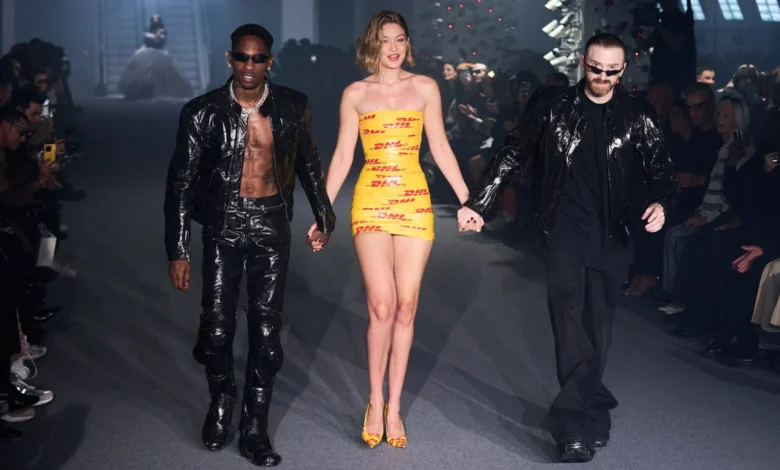
One of the most anticipated debuts on the men’s lineup is Vetements, scheduled for 8:30 p.m. on June 26. The Zurich-based fashion house has typically presented during women’s ready-to-wear or couture week, making this move a significant statement. Guram Gvasalia, cofounder and creative director, articulated his rationale to WWD, stating, "March and September have become aggressively commercial – it often feels like a battle between conglomerates for attention: who gets exclusivity over which model, who signs the most ambassadors, who spends the most money. Men’s Fashion Week, on the other hand, still feels cooler, more underground, and more connected to culture."
Gvasalia’s comments offer a critical insight into the evolving landscape of fashion weeks. His perception of men’s fashion week as a more authentic and culturally resonant platform, less dominated by overt commercialism, resonates with a growing sentiment among designers and industry observers. This shift by Vetements could signal a broader trend, encouraging other brands to reconsider their placement on the global fashion calendar. Furthermore, Gvasalia pointed to the practical advantages of a June show, noting, "a lot of people are already in Europe for the summer, there are major music festivals happening every week, and many come to Paris during Fashion Week simply to hang out and enjoy the atmosphere." He also emphasized the brand’s foundational connection to menswear: "Showing during men’s felt like the right decision for us, especially because menswear has always been the primary inspiration behind our womenswear from the very beginning."
Regarding the brand’s creative direction, Gvasalia indicated a focus on practicality: "My goal this season was to focus on clothes people actually want to wear, still with a twist to keep it fashion, but more genuine and grounded." This statement suggests a maturation of the Vetements aesthetic, moving towards a more wearable yet still distinctive approach, potentially appealing to a wider audience while retaining its avant-garde edge. This strategic repositioning reflects a broader industry trend towards clothing that combines high fashion concepts with real-world applicability, responding to consumer demand for authenticity and utility.
Emerging Talents and International Flair
The calendar also proudly introduces new talents to the Parisian stage. Soshiotsuki, the acclaimed winner of the 2025 LVMH Prize for Young Designers, will make its Paris debut on June 27 at 7:30 p.m. This is a significant moment for the Japanese brand, which previously staged a runway at Pitti Uomo in January. Since its launch in 2015, designer Soshi Otsuki has cultivated a distinctive fusion of Japanese and Western menswear codes, earning a cult following for his signature oversized suits, notably inspired by the sleek power dressing of 1980s-era Giorgio Armani. The LVMH Prize is a powerful accelerator for young designers, providing not only financial support but also invaluable mentorship and a global platform. Otsuki’s Paris debut is a direct result of this recognition, offering him an unprecedented opportunity to showcase his refined aesthetic to a broader international audience and cement his position as a rising star in menswear.
On the presentation side, the season welcomes several intriguing newcomers. Meryll Rogge, known for previously showing her co-ed collections during Paris women’s shows, will now present her menswear. Her distinctive vision, blending a refined sensibility with unexpected details, is expected to add a fresh perspective to the men’s schedule. Song for the Mute, the 16-year-old Australian label founded by Lyna Ty and Melvin Tanaya, will also make its debut. The brand has garnered a loyal following for its melancholic yet sophisticated aesthetic, often characterized by intricate textures, experimental fabrications, and a focus on craftsmanship. Finally, LAD/, launched in 2025 by Ladislas Mandes, a designer who navigates creative spaces between Paris, Congo, and the U.S., promises a unique cross-cultural perspective, bringing a fresh, globalized voice to the Parisian fashion scene. These new additions underscore Paris’s role as a global hub for discovering and nurturing diverse design talent.
The Economic and Cultural Ripple Effect
Beyond the glitz and glamour of the runways, Paris Men’s Fashion Week exerts a profound economic and cultural ripple effect. The influx of thousands of international visitors – including buyers, journalists, celebrities, and fashion enthusiasts – translates into a significant boost for Paris’s tourism and hospitality sectors. Hotels experience high occupancy rates, restaurants are fully booked, and luxury boutiques report increased sales. Local businesses, from taxi services to event production companies, all benefit from the week-long spectacle.
Culturally, the event reinforces Paris’s identity as a global trendsetter and a vibrant center for artistic expression. It provides a platform for dialogue, collaboration, and the cross-pollination of ideas, influencing not only fashion trends but also broader cultural aesthetics in art, music, and design. The street style observed during Fashion Week often becomes a barometer for emerging trends, further solidifying the event’s influence beyond the confines of the shows themselves.
Looking Ahead: The Dynamic Future of Fashion Calendars
The Spring 2027 Paris Men’s Fashion Week calendar is a compelling snapshot of an industry in constant flux. It highlights the delicate balance between preserving the heritage of established houses and embracing the dynamism of emerging talents. The strategic decisions made by brands like Hermès and Loewe, along with the bold move by Vetements, signal a continued evolution in how fashion is presented and consumed. The increasing integration of digital components, the growing emphasis on sustainability, and the ongoing debate surrounding co-ed versus gender-specific shows will undoubtedly continue to shape future calendars. As the global fashion landscape continues to adapt to new consumer behaviors and technological advancements, Paris remains steadfast in its role as a beacon of innovation and creative excellence, promising an exciting and ever-evolving future for menswear. The forthcoming couture Fall 2026 schedule, expected by early June, will further underscore the city’s comprehensive dominance across all facets of high fashion.