Pinterest and Barbie Transform Interior Design With AI-Powered Restyle Collaboration Bringing Iconic DreamHouse Aesthetics Into Real Homes

Since Mattel first introduced the iconic Barbie DreamHouse to the global market in 1962, the miniature residential architectural marvel has served as much more than a simple children’s toy. For over six decades, it has functioned as a foundational canvas for young designers, aspiring architects, and imaginative children to experiment with spatial layouts, color palettes, and interior decoration. Generations of homeowners trace their early fascination with interior design back to rearranging miniature plastic furniture inside a brightly colored, open-faced dollhouse. Today, that enduring legacy of domestic exploration is making a monumental leap from the playroom floor into actual, full-scale residential properties.
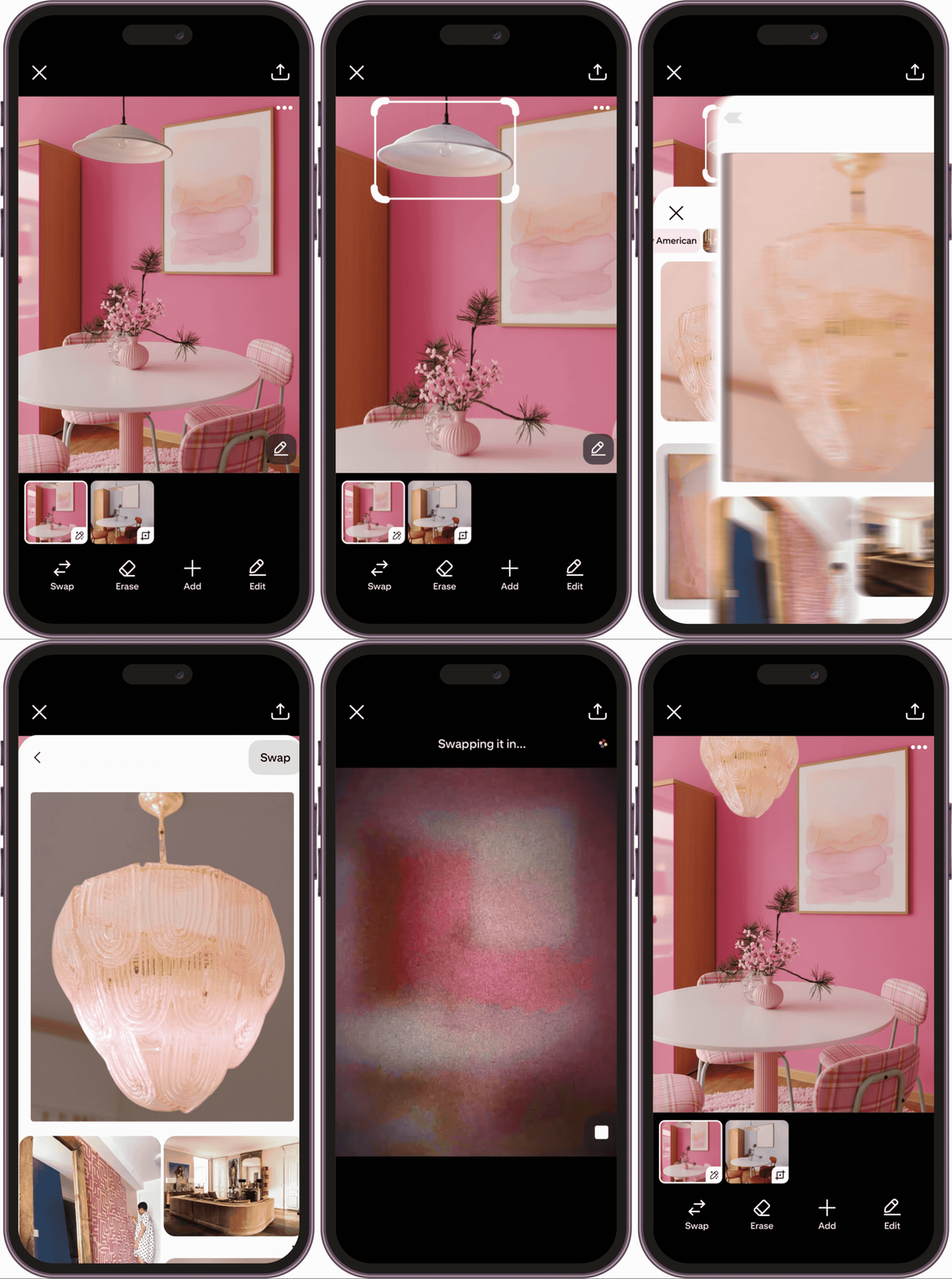
In a groundbreaking collaborative effort between Mattel and visual discovery platform Pinterest, users are now empowered to infuse the whimsical, trendsetting spirit of the Barbie DreamHouse into their real-world living spaces. Leveraging Pinterest’s cutting-edge Restyle tool—an advanced, AI-powered visual technology suite launched in beta phase last month—design enthusiasts, renters, and homeowners of all generations can virtually transform their personal environments. By simply uploading a digital photograph of an existing room, users unlock the ability to completely reimagine their actual interiors through five distinct, meticulously curated Barbie DreamHouse-inspired aesthetics.
This high-profile partnership arrives at a fascinating intersection of nostalgic pop culture, technological innovation, and shifting consumer behavior within the home improvement sector. As augmented reality and artificial intelligence continue to reshape how consumers interact with retail and design concepts, the collaboration offers a seamless bridge between digital inspiration and physical execution. Rather than remaining passive observers scrolling through static mood boards, everyday users can now actively project high-concept interior design philosophies directly onto the walls, floors, and furniture of their own apartments, dormitories, and houses.
The Evolution of the Barbie DreamHouse: From Toybox to Architectural Icon
To fully understand the cultural weight of the current Pinterest collaboration, one must examine the rich history of the Barbie DreamHouse itself. When Handler and the team at Mattel unveiled the very first DreamHouse in 1962—constructed largely of heavy cardboard, folding panels, and mid-century modern-inspired furnishings—it predated even Barbie’s own DreamCar and offered an unprecedented level of domestic independence for a fashion doll. At a time when women were heavily restricted in the housing market, Barbie was a homeowner, establishing a subconscious cultural association between female independence, spatial autonomy, and interior styling.
Over the decades, the DreamHouse evolved in tandem with architectural and interior design trends. The 1970s brought cheerful, sunny yellow and orange modular plastic structures; the 1980s introduced glamorous, neon-tinged Victorian townhouses; and the 1990s and 2000s cemented the sprawling, multi-story pink mansions that dominate the cultural consciousness today. Following the staggering global success of Greta Gerwig’s live-action Barbie film, public fascination with the "Barbiecore" movement reached an unprecedented zenith. Consumers worldwide sought to inject the joyful, unabashedly vibrant design language of Barbie’s universe into their everyday surroundings, turning a temporary cinematic trend into a lasting lifestyle movement.
Democratizing Interior Design Through Artificial Intelligence
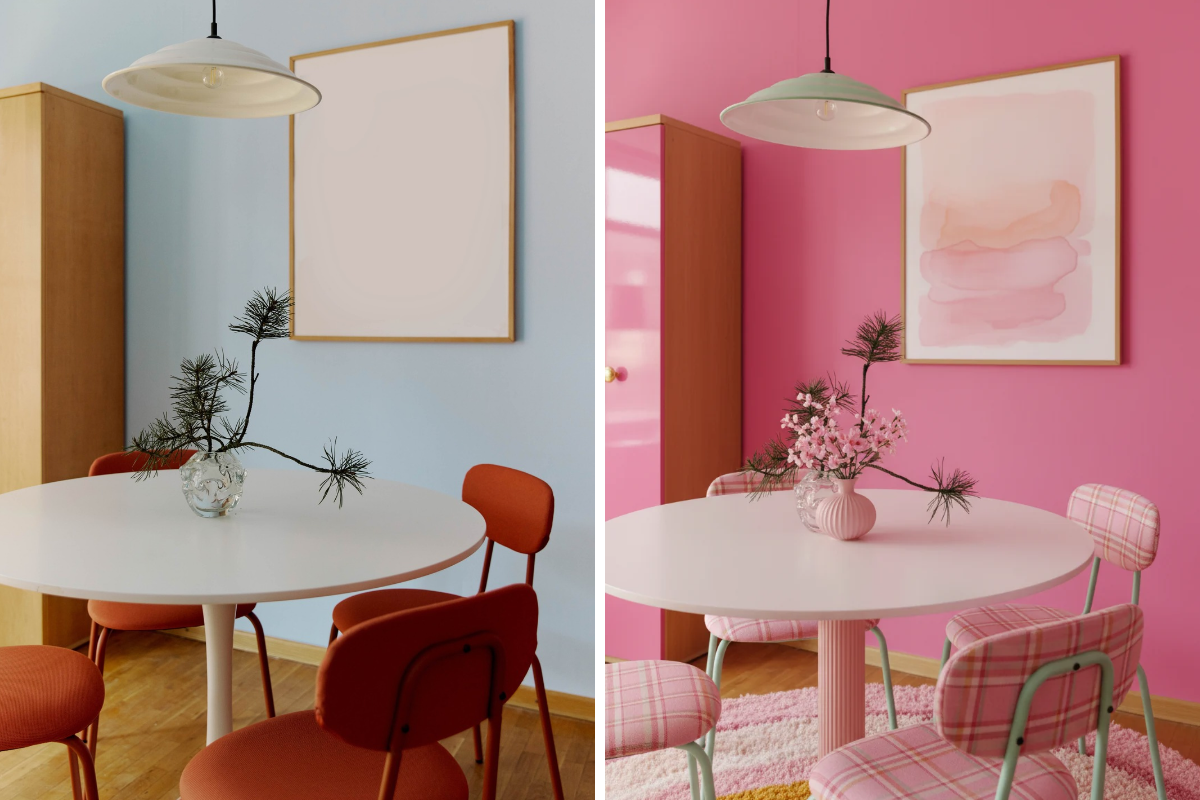
Pinterest’s Restyle tool represents a significant technological leap forward in how consumers conceptualize home renovations and redecorating projects. Historically, bridging the gap between a visual aspiration—such as a photograph found on a social media platform—and its practical application in a real-world room required substantial imagination, professional interior design consultation, or expensive trial-and-error purchasing.
"People come to Pinterest with a vision for how they want their spaces to look and feel, but it’s not always easy to imagine how those ideas will translate into their own homes," explains Sara Pollack, Vice President and Global Head of Consumer Marketing at Pinterest. "With Restyle, we’re helping bridge that gap by giving people a way to experiment with different design styles, see how furniture, colors, and decor work together in their actual space, and discover products that bring their vision to life."
Launched in beta last month, the Restyle technology utilizes advanced machine learning and computer vision to analyze the spatial geometry, lighting, and existing objects within an uploaded user photo. Once the room’s parameters are mapped, the user can apply various stylistic filters that go far beyond a simple superficial color wash. The system intelligently swaps out architectural motifs, textiles, lighting fixtures, and decorative items to match the chosen design direction, maintaining perspective, depth, and structural realism.
Five Distinct DreamHouse Aesthetics for Modern Living Spaces
While the cultural shorthand for a Barbie interior is invariably drenched in head-to-toe hot pink, the Pinterest and Barbie collaboration intentionally broadens the design horizon. The partnership introduces five distinct DreamHouse-inspired aesthetics, ensuring that the integration feels sophisticated, versatile, and adaptable to a wide array of architectural styles and personal tastes.
The five curated design directions include mid-century Americana, chalet chic, superstar glam, Victorian romance, and modern coastal. Each aesthetic offers a unique entry point into the project, moving deliberately beyond a singular color narrative to explore a diverse spectrum of global design influences.
- Mid-Century Americana: This aesthetic leans heavily into clean lines, organic curves, functional joinery, and warm wood tones reminiscent of classic 1950s and 1960s residential architecture, balanced with subtle nods to classic Americana color blocking and retro textiles.
- Chalet Chic: Bringing a cozy, alpine sensibility to the Barbie universe, this style incorporates rustic timber elements, plush faux-fur textures, heavy woven blankets, and an inviting, cabin-inspired warmth that contrasts delightfully with sleek contemporary furnishings.
- Superstar Glam: For those seeking the ultimate manifestation of traditional Barbie luxury, this aesthetic delivers bold metallic accents, mirrored surfaces, crystal chandeliers, abstract statement art, and vibrant pops of saturated color against sleek structural backdrops.
- Victorian Romance: Honoring the ornate, gingerbread-trim architecture of classic nineteenth-century townhouses, this style features delicate floral wallpapers, carved wooden details, antique-inspired mirrors, layered lace and velvet textiles, and an air of dramatic elegance.
- Modern Coastal: Offering a more relaxed, breezy interpretation of the DreamHouse, this aesthetic utilizes crisp whites, sandy neutrals, woven rattan, light-wood dining tables, and refreshing oceanic color accents designed to maximize natural light and open-plan spatial flow.
Once users select their foundational aesthetic, the Restyle tool allows for hyper-specific customization. Design enthusiasts can manually add, swap, or delete individual furniture pieces and decorative accessories. Furthermore, the platform supports natural language text prompts, enabling users to type direct commands—such as "add a pink velvet accent chair" or "replace the floor lamp with a crystal pendant"—to dynamically alter the rendering in real time.
Surging Consumer Demand for Barbie and Pink Interiors
The timing of the Pinterest and Barbie collaboration is underpinned by robust, verifiable market data showing an explosive, sustained consumer interest in vibrant domestic aesthetics. Far from being a fleeting demographic anomaly, the fascination with the Barbie DreamHouse aesthetic spans multiple generations, captivating nostalgic millennials and Gen Z renters alike.
According to internal platform metrics released by Pinterest, global user searches for the term "Barbie DreamHouse aesthetic" have surged by an impressive 72 percent. Simultaneously, broader interest in expressive color palettes has reached staggering heights. Searches for "pink apartment ideas" have skyrocketed by 224 percent, while queries for "pink dorm aesthetics" have risen by 120 percent.
Beyond general color themes, consumers are actively searching for specific, tactile interior elements that define these looks. High-growth search categories include textured pink wallpaper, statement architectural lighting, plush patterned rugs, and ornate, oversized decorative mirrors. This data indicates a profound cultural shift away from the stark, minimalist, and monochromatic greige interiors that dominated residential design throughout the 2010s, favoring instead an era of maximalist self-expression, joy, and personalized storytelling in the home.
Bridging the Gap Between Inspiration and E-Commerce
A critical component of the Pinterest and Barbie integration is its frictionless transition from virtual experimentation to tangible consumer purchasing. Traditional interior design media often leaves consumers frustrated; they can visualize what they want, but locating, sourcing, and purchasing the exact furniture and decor items required to execute the look can prove prohibitively difficult.
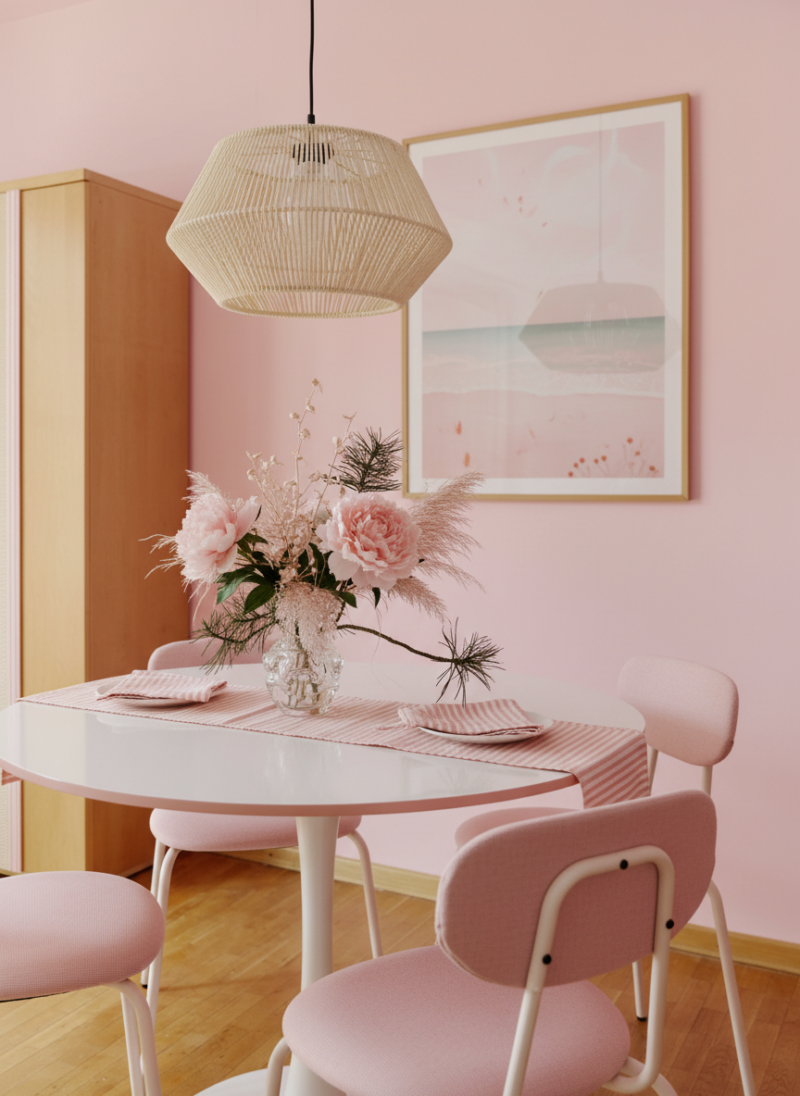
Pinterest’s Restyle tool directly addresses this consumer pain point by embedding shoppable pathways within the AI-generated visualizations. When a user transforms their dining room into a Modern Coastal Barbie DreamHouse—complete with a round white dining table, pale pink chairs, a striped table runner, and a minimalist glass vase of fresh pink blossoms—the platform identifies visually similar products available across the web. Users can seamlessly transition from the design sandbox to product discovery, bridging the gap between digital ideation and home execution.
"Our collaboration with Barbie makes that process even more playful, bringing five distinct DreamHouse aesthetics into an experience where people can explore, personalize, and ultimately create a space that feels uniquely theirs," notes Sara Pollack. By marrying Mattel’s powerhouse intellectual property with Pinterest’s visual search infrastructure, both companies have created a masterclass in experiential marketing and utility-driven platform engagement.
Experiential Marketing: The 26-Foot Pink Barbie Truck Tour

To bring the digital collaboration out of the screen and directly into the physical world, Mattel and Pinterest have orchestrated a high-visibility experiential marketing campaign anchored by a custom-designed, 26-foot-long pink Barbie truck.
Throughout the months of October and November, the massive mobile installation is embarking on a multi-city tour across the United States, making high-profile stops in major cultural hubs including New York City, Dallas, and Los Angeles. The touring activation invites the public to step directly inside a physical manifestation of the Barbie DreamHouse universe. Visitors to the truck can interact with live demonstrations of the Pinterest Restyle tool on dedicated touchscreens, explore immersive, Instagram-ready interior design installations, and participate in exclusive brand giveaways.
By combining an omnichannel digital rollout with tactile, boots-on-the-ground experiential activations, the campaign ensures maximum visibility across diverse media channels. Industry analysts view the roadshow as a brilliant strategic move to capture foot traffic in high-density urban centers while generating user-generated content that will inevitably flood social media feeds throughout the autumn season.
Broader Industry Implications and Future Outlook
The launch of the Pinterest and Barbie collaboration carries significant implications for the broader interior design, home furnishings, and technology sectors. As generative artificial intelligence transitions from a novelty tech trend into an indispensable consumer utility, platforms that successfully integrate AI into everyday lifestyle planning will likely capture dominant market share.
Furthermore, the partnership signals a maturation in how heritage toy brands leverage intellectual property for adult consumers. Mattel’s aggressive push into lifestyle licensing—exemplified by high-fashion apparel collaborations, interior design partnerships, and lifestyle media—proves that the cultural equity of brands like Barbie extends far beyond the traditional toy aisle. Adults are increasingly seeking outlets for play, nostalgia, and creative self-expression within their domestic lives, viewing their homes not merely as functional shelters, but as dynamic canvases for identity.
As users continue to test the boundaries of the Restyle tool throughout its beta phase, the implications for retail e-commerce are profound. Furniture brands and home decor retailers that align themselves with visual discovery platforms stand to benefit immensely from consumers who are arriving at the point of purchase with fully visualized, pre-tested design concepts.
For now, whether homeowners choose to execute a subtle nod to mid-century Americana or dive headfirst into superstar glam with a pink crystal chandelier, the barrier to imaginative interior design has never been lower. Through the magic of artificial intelligence and the enduring whimsical spirit of the Barbie DreamHouse, anyone can officially become the interior designer of their own real-world dream home.
Related posts: