Fundació Mies van der Rohe Presents “Transnational Narratives,” a Documentary on Six South Asian Women Architects

The Lilly Reich Grant and the Quest for Institutional Equity
The Fundació Mies van der Rohe established the Lilly Reich Grant for Equality in Architecture to honor the legacy of Lilly Reich, a pioneering designer and close collaborator of Ludwig Mies van der Rohe. Despite her substantial contributions to iconic projects like the Barcelona Pavilion and the Tugendhat House, Reich’s name was frequently omitted from historical records for decades. The grant aims to prevent similar erasures in the modern era by supporting research that brings visibility to underrepresented architects and promotes equal access to professional opportunities.
Now in its fourth iteration, the grant has shifted its focus toward transnationalism—the idea that architectural identity is not fixed by borders but is instead a fluid exchange of ideas, traditions, and adaptations. The documentary "Transnational Narratives" was developed by a collaborative team of academics and artists: Dr. Igea Troiani, Professor and Director of Architecture at London South Bank University; Dr. Mamuna Iqbal, Professor at the University of Engineering and Technology Lahore; artist Paula Roush; and filmmaker Rime Tsujino. Their collective expertise allowed the project to transcend traditional academic reporting, using the medium of film to capture the nuances of speech, movement, and cultural expression that static text often fails to convey.
Profiles in Resilience: The Six Featured Architects
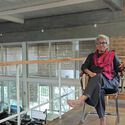
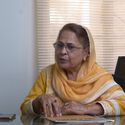
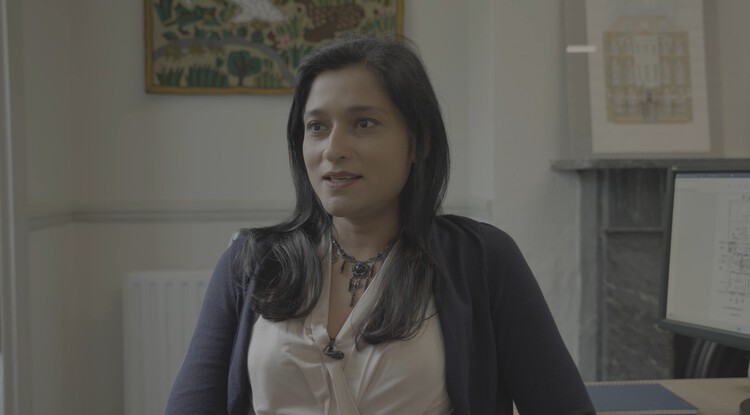
The documentary provides an intimate look at six women who have redefined what it means to practice architecture in the 21st century. Their careers are characterized by a departure from the "starchitect" model, favoring instead practices that are socially engaged, environmentally conscious, and deeply rooted in community needs.
- Chitra Vishwanath: Based in Bengaluru, India, Vishwanath is a pioneer in ecological architecture. Her firm, Biome Environmental Solutions, has completed over 500 projects that prioritize local materials like mud and stabilized earth, alongside sophisticated water harvesting systems. Her narrative in the film emphasizes the ethical responsibility of the architect to the land.
- Sumita Singha: Practicing in the United Kingdom, Singha has spent decades advocating for diversity within the Royal Institute of British Architects (RIBA). Her work explores the intersection of sustainability and social justice, and she serves as a vital link between South Asian heritage and Western professional standards.
- Sajida Vandal and Fauzia Qureshi: These two architects have been instrumental in the conservation of cultural heritage in Pakistan. Their work involves not only the physical restoration of historic sites but also the development of educational frameworks that empower the next generation of Pakistani architects.
- Neelum Naz and Sara Khan: Representing the academic and emerging sectors of the profession, Naz and Khan discuss the challenges of navigating patriarchal structures within educational institutions and the importance of creating inclusive spaces for female students.
Statistical Context: The Global Gender Gap in Architecture
The documentary opens with a sobering statistic: women constitute roughly one-third or less of the architectural profession worldwide. While enrollment in architecture schools is often balanced at a 50/50 ratio between men and women, a phenomenon known as the "leaky pipeline" results in a sharp decline of women in senior leadership roles and long-term practice.
Data from various international architectural bodies underscores the necessity of projects like "Transnational Narratives." In the United Kingdom, the ARB (Architects Registration Board) reports that while the number of female architects is rising, they still face a significant gender pay gap and are underrepresented in equity-partner positions. In South Asian contexts, the challenges are often compounded by socio-cultural expectations regarding domestic roles and limited access to construction sites, which are frequently viewed as male-only domains.

The documentary argues that these barriers do not just affect individual careers; they limit the scope of the profession itself. By excluding or marginalizing women, architecture loses out on perspectives that prioritize empathy, domestic functionality, and collective wellbeing—traits that the film’s subjects identify as central to their feminist and inclusive practices.
Chronology of Development and Public Presentation
The journey of "Transnational Narratives" from a grant proposal to a public documentary followed a rigorous three-year timeline:
- September 2023: The 4th Lilly Reich Grant for Equality in Architecture is awarded to the research team led by Dr. Igea Troiani and Dr. Mamuna Iqbal.
- 2024 – 2025: Extensive field research and filming take place across Lahore, Bengaluru, and London. The team conducts deep-dive interviews, visiting the built works of the subjects and documenting their interactions with students and clients.
- January 2026: Post-production is finalized, focusing on a narrative structure that answers three core questions: the definition of an architect, the specific challenges faced in home countries, and the nature of transnational practice.
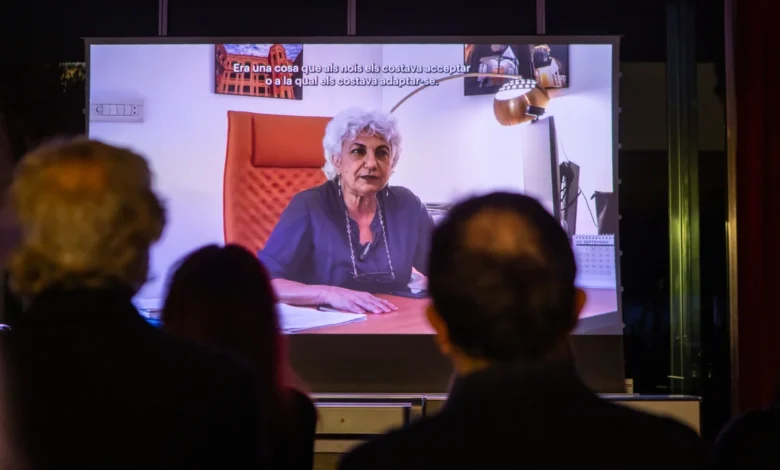
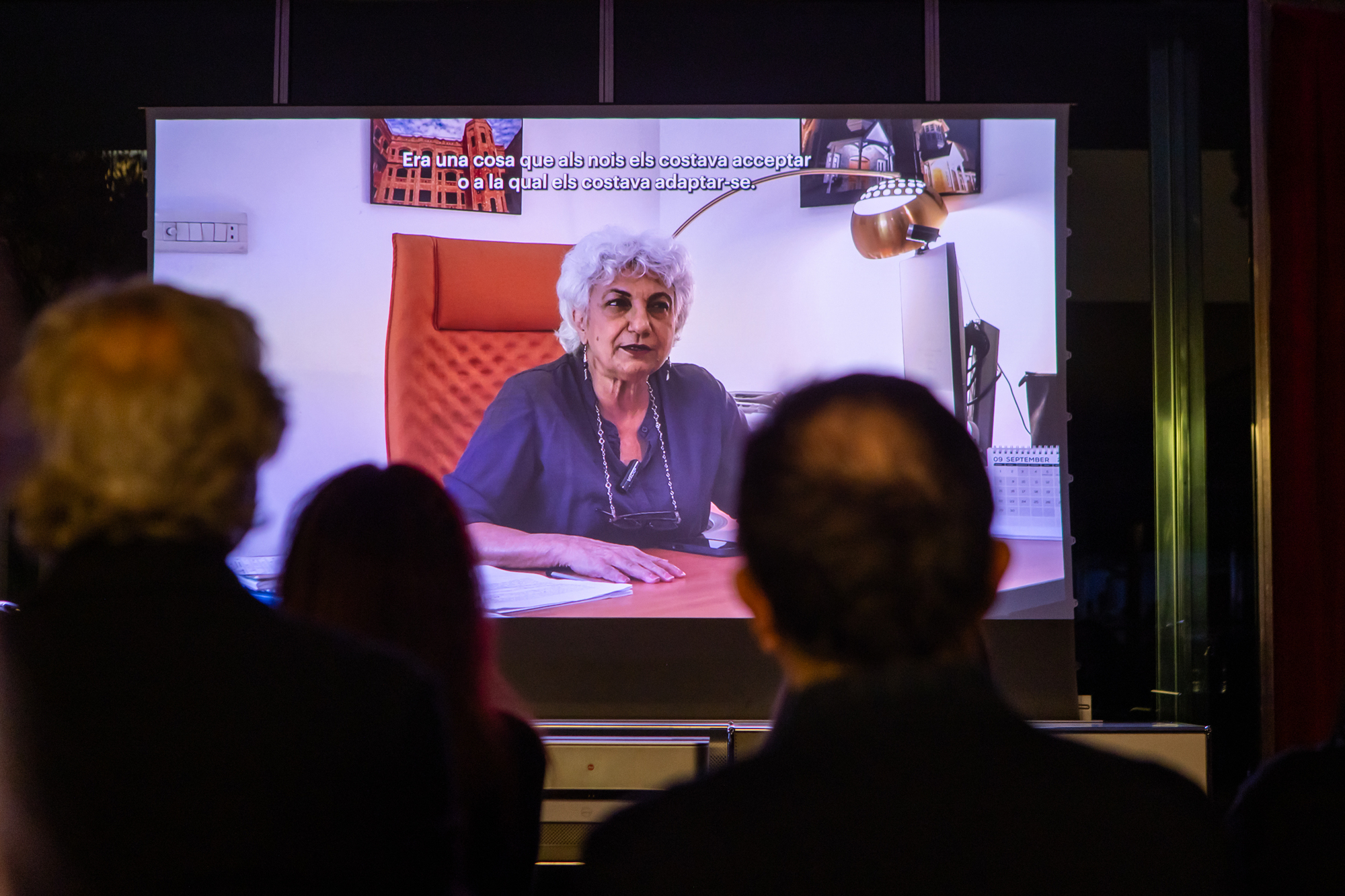
- March 10, 2026: The documentary officially premieres at the Mies van der Rohe Pavilion in Barcelona. The event includes a panel discussion with the authors and several of the featured architects, coinciding with international celebrations of women’s contributions to the arts and sciences.
- July 24, 2026: The documentary is made available for wider dissemination through architectural platforms and educational institutions, sparking a global conversation on the "transnational" identity of modern practitioners.
Analysis of Implications: Shifting the Disciplinary Narrative
"Transnational Narratives" does more than just profile six individuals; it challenges the foundational myths of the architectural profession. Traditionally, architecture has been taught as a history of great men and their singular monuments. This film proposes an alternative: architecture as a multifaceted, committed practice that combines design with teaching, research, and social action.
The film’s focus on transnationalism is particularly relevant in an era of global migration. These architects do not belong to a single "school" of thought; rather, they carry their cultural histories with them as they move between the Global South and the Global North. This movement creates a "third space" of practice that is uniquely equipped to handle the complexities of modern urbanism, such as climate change and cultural displacement.

Furthermore, the documentary highlights the role of the architect as an educator. Many of the featured women hold senior positions in academia, where they are actively rewriting curricula to be more inclusive. By showing these women in positions of intellectual authority, the film provides much-needed role models for young women who may feel isolated in their professional journeys.
Official Responses and Broader Industry Trends
The reception of "Transnational Narratives" within the architectural community has been overwhelmingly positive. Spokespersons for the Fundació Mies van der Rohe noted that the film succeeds in making "unfairly rendered invisible" contributions visible to a global audience. The use of film as a medium has been specifically praised for its ability to reach people outside of the traditional academic sphere, democratizing the knowledge produced by the grant.
This project sits within a broader trend of recognizing female excellence in the field. In the same period, several other major accolades have been awarded to women:
- Lesley Lokko received the African Cultural Icon Award for her transformative work in architectural education and her curation of the Venice Architecture Biennale.
- Barbara Buser was honored with the 2026 Jane Drew Prize for her pioneering work in circular construction and sustainable repurposing in Switzerland.
- Xu Tiantian was named the recipient of the 2026 Le Prix Charlotte Perriand, recognizing her "Architectural Acupuncture" strategy in rural China.
These recognitions, alongside the "Transnational Narratives" documentary, suggest a systemic shift. The industry is moving away from the celebration of the "heroic" individual and toward an appreciation of architects who work collaboratively to solve pressing social and environmental issues.
Conclusion: The Future of Transnational Practice
As "Transnational Narratives: A Documentary Celebrating South Asian Women in Architecture" continues to be screened at film festivals and universities, its impact is expected to grow. It serves as a reminder that the history of architecture is still being written and that the voices of women from the Global South are essential to a complete understanding of the built environment.
By documenting the lived experiences of these six architects, the team led by Dr. Troiani and Dr. Iqbal has provided a roadmap for future research. The film concludes with a call to action for the profession: to move beyond mere "representation" and toward a fundamental restructuring of how architectural value is defined. Through empathy, honesty, and a commitment to social equity, the subjects of this documentary demonstrate that architecture is not just about building structures—it is about building a more just and inclusive world.