Prada Opens Prada Galleria in Milan marking a transformative milestone in the luxury house’s architectural and cultural legacy

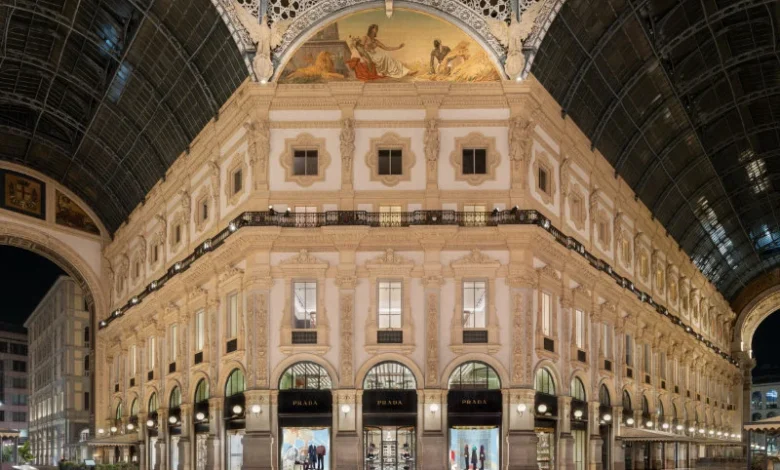
The inauguration of the Prada Galleria within the historic confines of Milan’s Galleria Vittorio Emanuele II represents more than a mere retail expansion; it is a profound synthesis of 19th-century urban heritage and 21st-century luxury brand philosophy. By consolidating eight floors of retail, hospitality, artistic exhibition space, and historical archives, the Prada group has effectively transformed its ancestral home into a multi-dimensional ecosystem that invites the public to engage with the brand’s intellectual and creative trajectory.
A Historic Foundation and Architectural Evolution
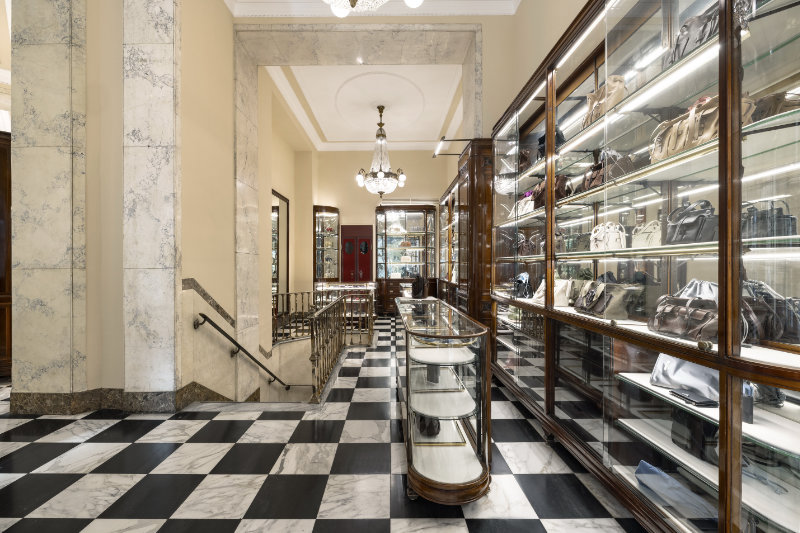
The Galleria Vittorio Emanuele II, often referred to as the "drawing room of Milan," has served as the backdrop for the Prada story since Mario Prada founded his original leather goods shop, Fratelli Prada, in 1913. The new Prada Galleria project reclaims this site, anchoring the brand’s global identity in its specific point of origin.
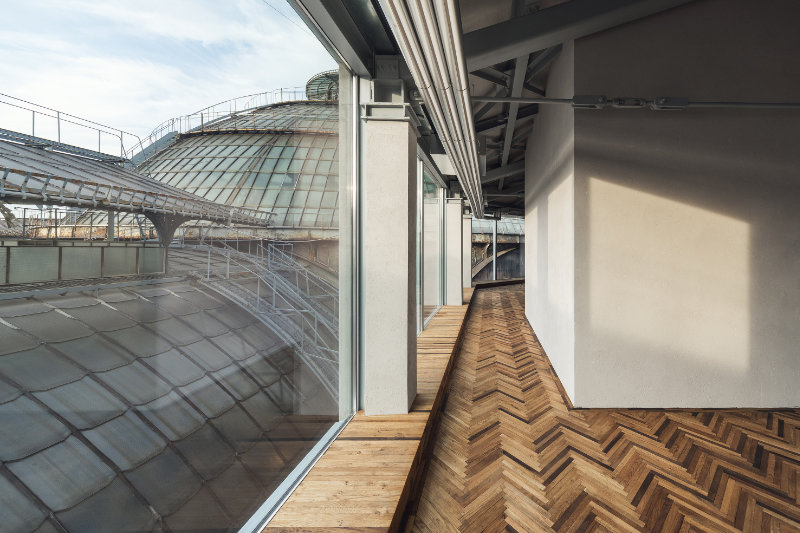
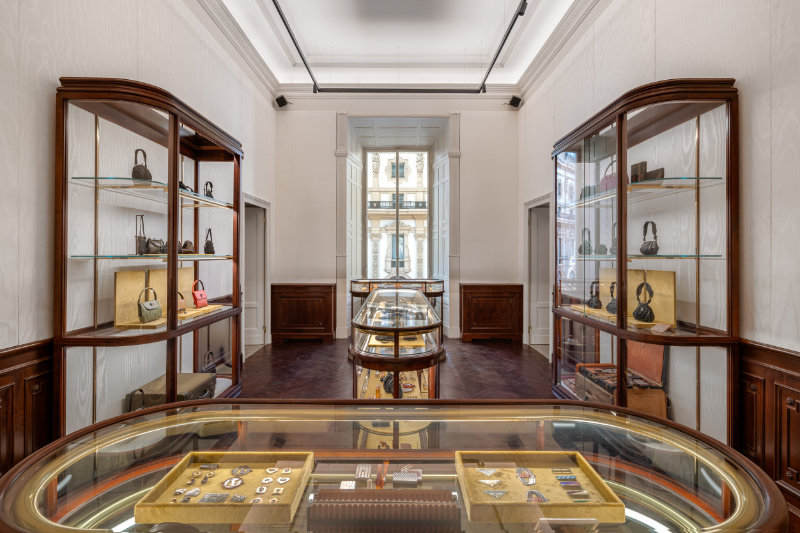
Architecturally, the project is a marvel of integration. It connects the two sides of the arcade’s central octagon through a sophisticated subterranean passage, effectively creating a seamless flow between the retail environments and the private, high-touch hospitality areas. The renovation respects the neo-Renaissance architecture of the 1867 structure while introducing a contemporary design language that prioritizes transparency, spatial fluidity, and structural elegance. The eight-floor vertical expansion allows for a clear stratification of experiences, ranging from the public-facing boutiques to the exclusive, invitation-only floors dedicated to private client services.
The Philosophy of Multiplicity
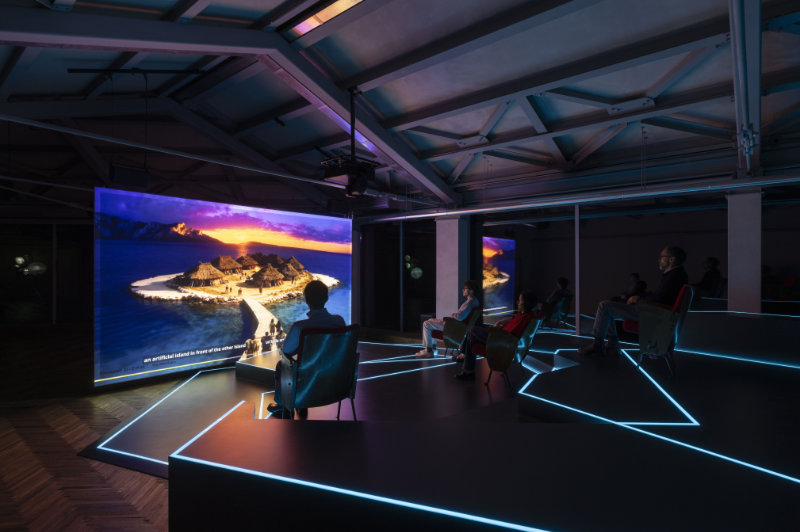
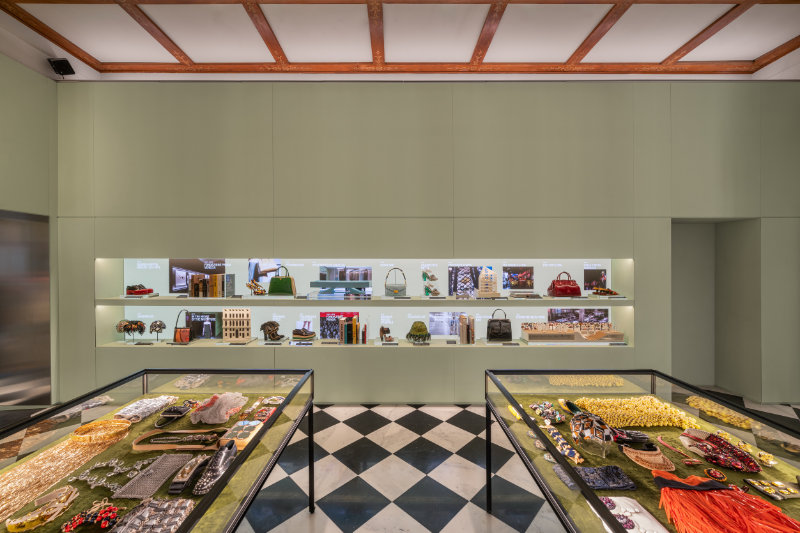
At the heart of the Prada Galleria is a curatorial approach directed by Miuccia Prada, which posits that a brand is not a static monolith but a living, breathing entity. This philosophy is manifested in the "Pradasphere," a permanent exhibition housed on the piano nobile. The exhibition does not serve merely as a museum of past collections; it functions as a critical inquiry into the company’s evolution.
By mapping the brand’s trajectory from its artisanal origins to its current status as a cultural powerhouse, the exhibition highlights the iterative nature of design at Prada. It acknowledges that the brand’s identity is constructed through a "multiplicity" of dialogues—collaborations with architects, artists, filmmakers, and intellectuals. These interlocutors have historically challenged the brand, preventing it from resting on its laurels. This, according to company insiders, is the essence of the Prada model: a refusal to define the brand by a single aesthetic, favoring instead an accumulation of experiments that define the house’s shifting boundaries.
Chronology of the Prada Galleria Project
The development of this site has been a multi-year endeavor, reflecting a strategic shift in how luxury houses engage with their physical real estate.
- 1913: Mario and Martino Prada open Fratelli Prada in the Galleria Vittorio Emanuele II, specializing in luxury travel goods and accessories.
- 1978: Miuccia Prada assumes control of the family business, signaling a transition from local luxury leather goods to a global fashion house.
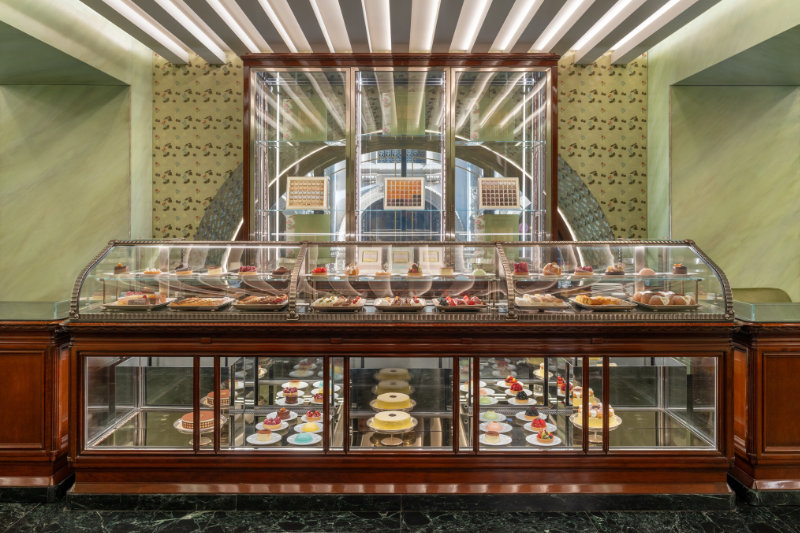
- 2010s: The Prada Group begins a long-term strategy of "cultural hospitality," integrating food, art, and high-end retail (notably the acquisition and elevation of the historic Marchesi 1824 pastry shop).
- 2023–2025: Construction and structural integration of the new eight-floor facility, involving complex subterranean engineering to preserve the integrity of the historic landmark.
- September 2026: The official opening of the comprehensive Prada Galleria, unifying retail, the Osservatorio Fondazione Prada, and private hospitality into a single destination.
Integrating Art, Commerce, and Hospitality
The Prada Galleria is designed to facilitate what analysts call "extended attention." In an era of digital-first retail, physical spaces must offer a depth of experience that justifies a visit. The inclusion of the Osservatorio Fondazione Prada provides a dedicated space for contemporary art, which acts as a bridge between the fashion house and the broader cultural conversation.
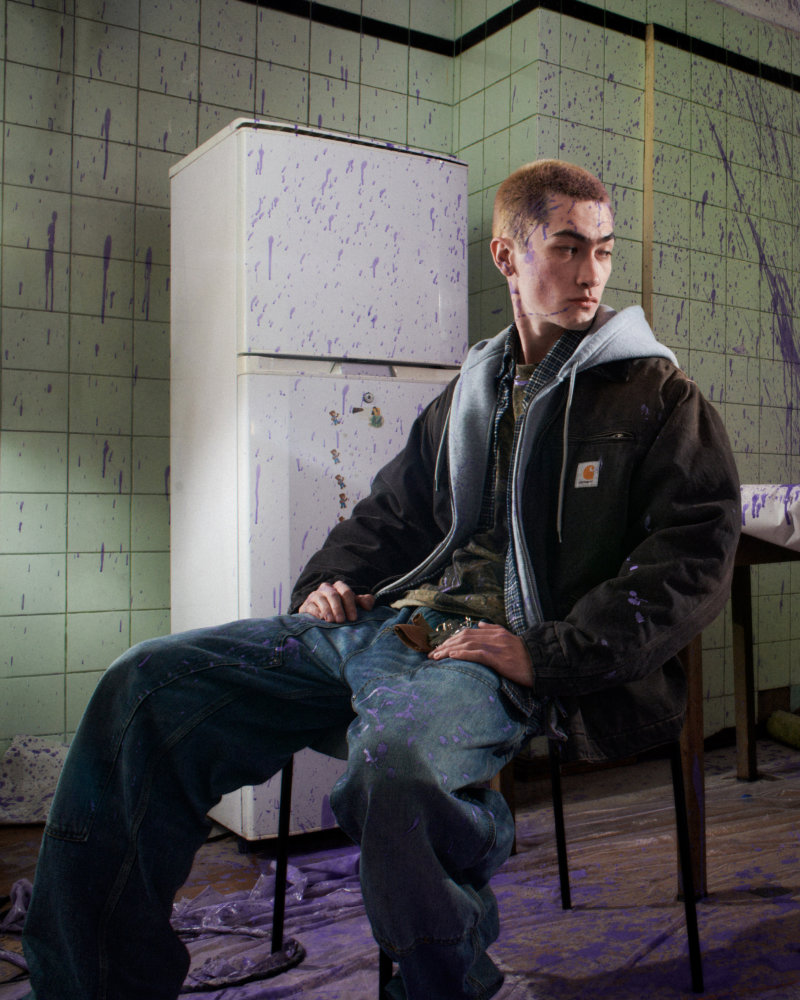
The expanded Prada Donna and Uomo boutiques are not treated as independent storefronts but as integral parts of a larger cultural circuit. The presence of Marchesi 1824—the legendary Milanese patisserie acquired by Prada—is a crucial component of this strategy. It anchors the space in Italian lifestyle traditions, providing a social heartbeat to the commercial environment. By weaving these diverse elements together, the group creates an environment where the consumer is encouraged to linger, observe, and engage with the brand’s values rather than merely completing a transaction.

Market Implications and Strategic Positioning
The opening of this flagship complex comes at a time when top-tier luxury brands are moving toward "destination retail." By investing heavily in a permanent, multi-floor space in one of the world’s most iconic architectural landmarks, Prada is reinforcing its commitment to its Milanese roots while simultaneously securing its position as a cultural curator.
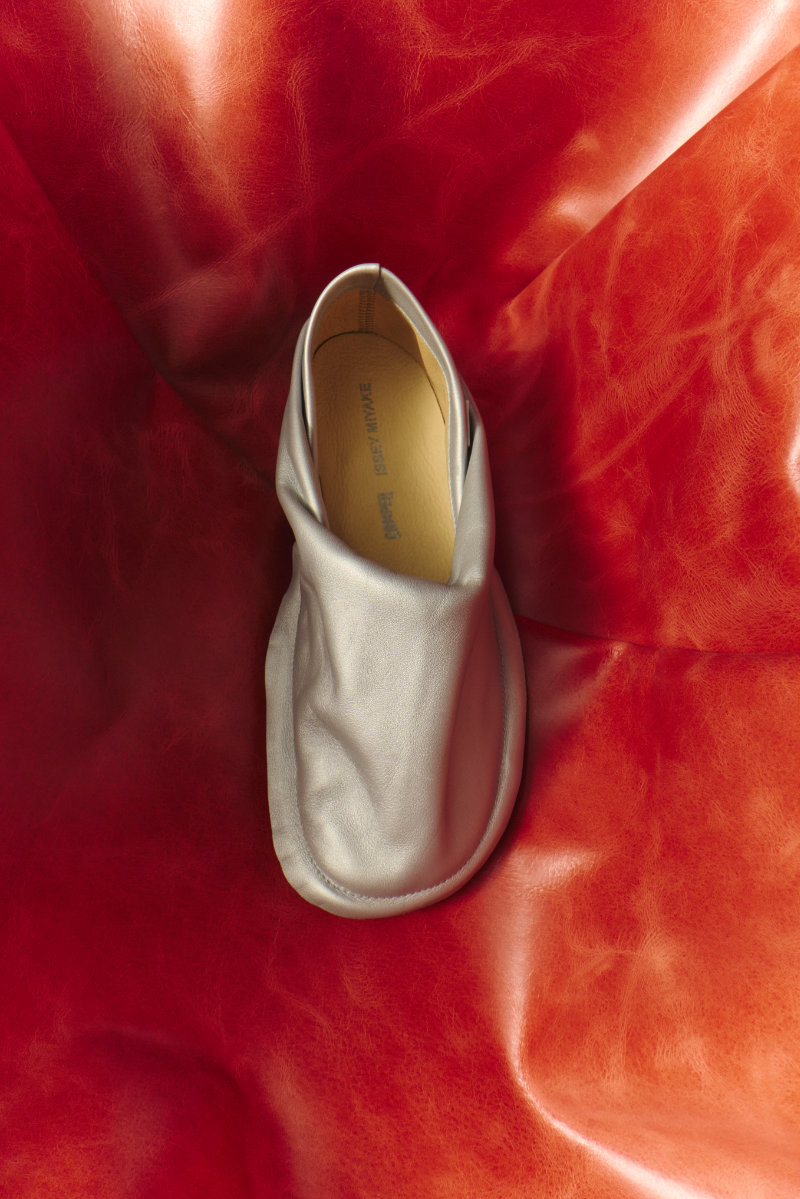
Industry analysts suggest that this approach serves as a hedge against the volatility of global fashion trends. By offering a permanent exhibition space and exclusive hospitality, the brand creates a "destination effect" that attracts high-net-worth individuals and tourists alike, regardless of the seasonal fashion cycle. This physical infrastructure supports a long-term brand equity strategy, shifting the focus from product-led growth to brand-experience-led growth.
Official Stance and Future Outlook
While representatives for the brand have maintained a measured tone regarding the commercial expectations of the site, the underlying message is clear: the Prada Galleria is designed for the long term. The project represents a significant capital expenditure, yet it serves as an invaluable asset in terms of brand narrative.
The integration of the Osservatorio and the private client floors suggests that the company is catering to an increasingly discerning demographic that values exclusivity, history, and cultural relevance. As the retail landscape continues to evolve, the ability of a house like Prada to control its environment—and the narrative surrounding its history—will likely become a critical differentiator.
Conclusion: A Legacy in Motion
The opening of the Prada Galleria is an affirmation that for the House of Prada, the past is never a closed chapter; it is an active, evolving resource. By embedding its history, its art, and its future within the very stones of the Galleria Vittorio Emanuele II, Prada has created a sanctuary that stands in direct opposition to the ephemeral nature of fast fashion.

For the visitors of Milan, this site now offers a unique opportunity to witness a brand in conversation with itself. It is a space where the rigorous, often challenging intellectualism of Miuccia Prada meets the public’s desire for beauty and heritage. As the brand continues to expand its reach globally, the Prada Galleria remains its true north—a physical manifestation of a company that views itself not as a finished product, but as a perpetual work in progress, sustained by the constant, necessary friction of discovery.

For further information regarding visiting hours, exhibition schedules, and the specific services offered within the new complex, stakeholders and patrons are directed to the official Prada corporate and retail portals. The site is expected to host a rotating series of cultural events throughout the remainder of 2026, further cementing its role as a nexus for global fashion and intellectual inquiry in the heart of Italy’s fashion capital.